
Decide the departure time before you price breakfast
Do not add breakfast automatically for a late city start with a café or supermarket nearby. It earns the extra cost at a remote stay without a kitchen, before a long transfer, or when the hotel serves early or prepares a box. On a fixed-activity day, confirm the collection and breakfast times; “included breakfast” is no help if the dining room opens after you leave.
ICENAVI BREAKFAST CHECK
Early breakfast only helps if it beats the meeting point
This is a decision score for the breakfast arrangement, not a hotel rating. Recheck breakfast hours, breakfast boxes, in-room kitchens, fridges, supermarket opening hours and activity meeting points for your dates.
Breakfast earns its place when it opens before you leave or provides a breakfast box at the agreed time, removing one decision before the meeting point.
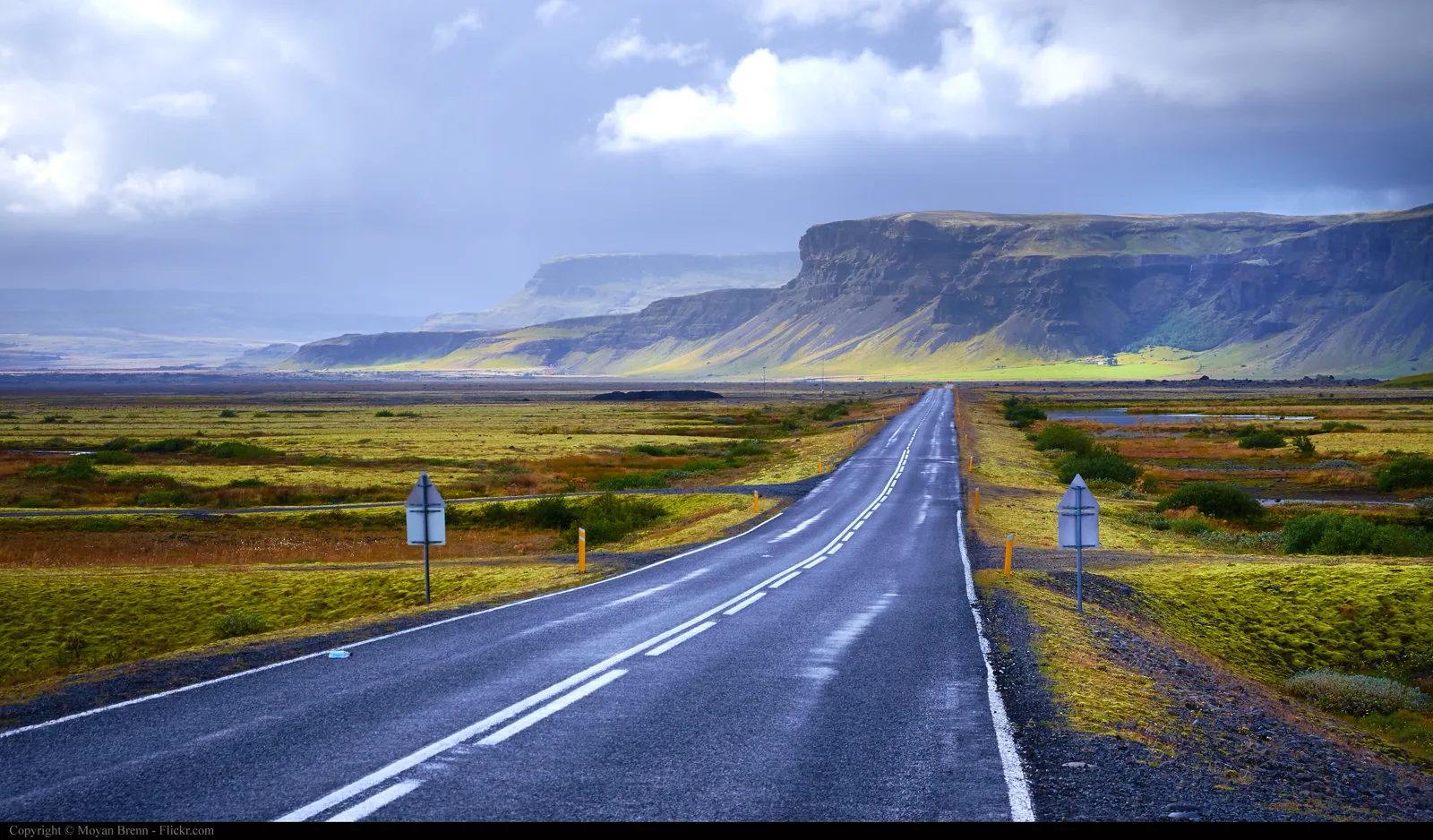
In the Eastfjords, Westfjords and remote South Coast stays, a shop open early is not guaranteed. Hotel breakfast keeps food on site, but you still need to confirm when it is available.
Sandwiches, drinks and food that can be stored safely are useful on a long self-drive. A restaurant-only meal may not help on an early activity day.
For groups or several consecutive nights, a per-person charge can become a sizeable difference. A kitchen, fridge and a supermarket stop the evening before may give you more flexibility.
Ice caves, glacier walks, snowmobile trips and whale watching may require an early meeting. Breakfast opening hours can determine whether the stay fits; paying extra cannot solve a timing mismatch.
Breakfast has no universal winner: in a city it buys comfort, on a remote transfer it buys certainty, and before an early activity it buys punctuality. This score weighs timing, supplies, portability and actual use, not buffet quality.
“Breakfast included” feels reassuring on a booking page until you drag your bags downstairs at 06:10 and find the dining room still locked. Icelandic sights and activities can start early, while hotels, restaurants and supermarkets all run on different clocks. The useful comparison is not what a plate of bacon is worth, but whether skipping hotel breakfast forces you to make an extra drive just to find food.

Give breakfast three separate jobs
A hotel breakfast can do three different jobs: give you a proper sit-down meal, provide food you can take on the road, or remove the need to find an open shop in a remote area. Those jobs can cost the same and still have very different value. Mixing them together is how you end up paying for breakfast and still feeling as though you never really used it.
| Your morning | What breakfast actually solves | More sensible option | What to ask before paying |
|---|---|---|---|
| Leaving a city after 08:30 | A short walk and one sit-down meal | Compare the hotel with a nearby café or supermarket | Is hotel breakfast cheaper, or are you simply paying for convenience? |
| Leaving before 06:00 for a fixed activity | Food to take with you, so you are not driving to the meeting point hungry | Request a breakfast box or shop the night before | Earliest collection time, contents and how chilled items are handled |
| Remote area with no nearby supermarket | Keeps supplies at the accommodation and avoids a food detour | Breakfast is more useful if it starts early or can be taken away | Does the rate include drinks, hot food and takeaway, or dining-room service only? |
| Kitchen available or travelling as a group | Preparation and clean-up shared across the group | Buy supplies at Bónus, Krónan or a local supermarket | Will you arrive in time to shop, and does your room really have the cooking equipment you need? |
| One-night stay with a late arrival | Avoids researching another unfamiliar place first thing in the morning | Let the next day's direction decide; do not add breakfast automatically because you arrived tired | Will you already have left before breakfast begins? |
“Supermarket” in this table does not mean every small town has the same chain or opening hours. Bónus, Krónan and local grocery shops change by location, weekday and season. In East Iceland and the Westfjords, plan supplies around a town you know you will pass rather than a shop icon on the map. If you need to work out which Ring Road nights require a supply stop, the Iceland accommodation-night plan is faster than comparing breakfast photos hotel by hotel.
Breakfast value is more than the room-rate difference
A useful first-pass calculation is: practical breakfast value = time saved going out + extra driving avoided + useful takeaway food − breakfast cost. The point is not to turn a holiday into an accounting exercise. In Reykjavík, coffee may be two blocks away; in East Iceland, driving 25 minutes just to find breakfast changes the calculation completely.
| Option | Visible cost | Extra time or steps | When it works well |
|---|---|---|---|
| Sit-down hotel breakfast | Breakfast supplement or a rate that includes it | Wait for opening, go downstairs, eat and pack up | You leave after opening and there is no quicker alternative nearby |
| Supermarket the night before | Bread, cheese, cold cuts, juice and other groceries | Parking, shopping, refrigeration and morning preparation | You have a kitchen or fridge, a larger group, or an early departure |
| Fuel-station supplies | Simple food at a higher per-item price | Parking and queues; hot-food availability varies | You already need fuel, so no extra detour is required |
| Nearby café | Food, drinks and any service charge | Opening hours, finding a seat and waiting | A city day with no fixed meeting time, when breakfast can be part of the outing |
Chilled food can go into a small cooler bag in the car, but follow the accommodation rules and the day's temperature; do not leave perishable food in a vehicle for long periods. What matters is having enough water, something ready to eat and packaging that will not soak your luggage. Breakfast planning is not about moving a supermarket into the boot. It is about removing one last-minute decision from the first drive of the day.
On early starts, read serving hours beside the meeting time
Ice caves, glacier hikes, snowmobile tours and whale watching can all require an early arrival or a fixed check-in location. A supplier's listed “departure time” is not necessarily the time you leave the hotel: you still need time for the meeting point, parking, equipment and the toilet. If breakfast opens at 07:30 and the activity requires check-in at 08:00, the issue is no longer whether breakfast is good value; that hotel may simply be a poor fit for the activity day.
I would ask the hotel three questions: can a breakfast box be collected early; how far in advance must it be ordered; and does it contain a full meal and drink or only a sandwich? Until those answers are clear, I would not count “breakfast included” as an itinerary advantage. To match accommodation with activity direction, continue to how to choose an ice-cave meeting point or whether to stay overnight for Húsavík whale watching; both put check-in time and the next day's drive on the same timeline.
In remote areas, you are buying supply certainty
In small South Coast towns, the Eastfjords and the Westfjords, breakfast is often valuable because it saves you from driving out in the morning to find somewhere that is actually open. Winter and shoulder-season opening days can be thinner than in summer; a review that says “there is a café on the corner” does not mean the door will open at 06:45 on a Sunday.
Remote does not automatically mean hotel breakfast is the right choice. If the previous evening takes you through a reliable supply point such as Hvolsvöllur, Selfoss, Höfn, Egilsstaðir or Akureyri, shop then. Check supermarket closing time, fridge space at the accommodation and whether eating in the room is permitted. For an East Iceland night where supplies and a geothermal stop need to work together, see Egilsstaðir accommodation and Vök Baths; that guide treats supplies as part of the base decision rather than rating breakfasts.
For groups, per-person pricing changes the calculation
A breakfast supplement may look minor for two people. Multiply it by four travellers and five nights and it can become money you would rather spend on dinner, parking or a day activity. Families also need to account for when children wake, whether someone needs a hot meal, dietary restrictions, and how long anyone can comfortably sit in the car without eating. “Buffet equals flexibility” is not a universal rule; sometimes it means four people filling four plates and then putting their coats on anyway.
I would put the earliest time a child needs food into the itinerary instead of leaving breakfast as a room-rate footnote. A breakfast box loses some convenience if it cannot be heated or there is nowhere to sit. If everyone is happy choosing food the evening before, a supermarket can be easier to tailor to the group and less likely to leave you with a bag of unwanted bread.
ICENAVI · FINAL BREAKFAST DECISION
Are you buying a meal, or removing a food stop?
On a city day, choose what you enjoy. On an early-start day, choose what is ready on time. On a remote transfer, choose certainty. If none of those applies, keep the breakfast supplement for a meal you actually want to sit down for later in the trip.
Seven checks before paying
- What is the earliest time you need to leave, and does breakfast genuinely open before then?
- If dining-room service is the only standard option, can the hotel prepare a breakfast box or takeaway drink?
- Where is the nearest supermarket or café, what day of the week will it be, and have you rechecked the opening hours?
- Does the accommodation have a fridge, table, kettle or basic kitchen, and does that description apply to your booked room type?
- Is breakfast priced per room or per person, and are children, extra drinks or takeaway items charged separately?
- You already need fuel and supplies that night: will breakfast remove a step or create another fixed time?
- If roads or an activity change your plan, will you still be at this hotel after breakfast opens?
Paying for breakfast is not trivial, but you do not need to cost every slice of bread. Put it beside the morning you will actually have: when you leave, where the next reliable food stop is, who needs to eat first and who will pack up. Once those answers are clear, the “breakfast included” label on a booking page becomes useful. Until then, it is simply a reassuring phrase.
Is hotel breakfast in Iceland worth paying extra for?
Is hotel breakfast usually worth it before an early departure?
Compare the dining-room opening time with your meeting or departure time. If you cannot sit down before leaving, ask exactly what is in the breakfast box and when it can be collected; otherwise “breakfast included” may not remove any work from the morning.
What if there is nowhere near a remote hotel to buy breakfast?
Buy food at a reliable supply stop the evening before, but confirm that the accommodation has a fridge, kettle or suitable place to eat. In winter and shoulder season, do not infer opening hours from a shop name on a map.
Should a group automatically book a rate with breakfast?
Multiply the per-person supplement by the number of guests and nights, then compare it with shopping, parking and activity costs. If different people leave at different times, preparing your own food can be more flexible.
References
- Bónus, Krónan (store locations, opening hours and current availability; recheck the relevant town before departure).
- N1 Iceland (fuel stations, convenience stores and hot-food or drink availability at some locations; offerings vary by branch and date).
- SafeTravel Iceland (road, weather and departure-day safety information; breakfast timing does not replace road-condition checks).
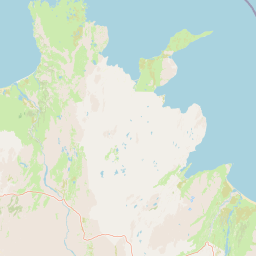
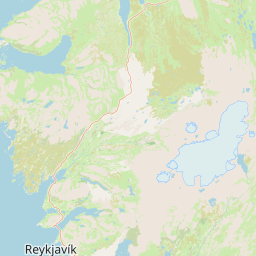
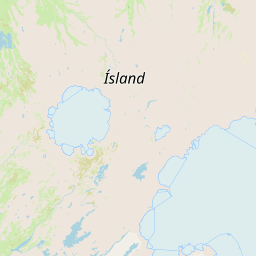
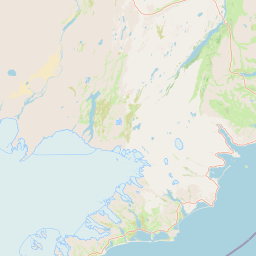
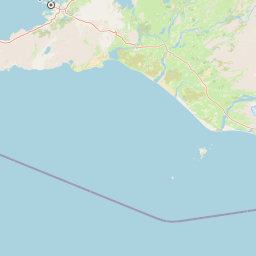
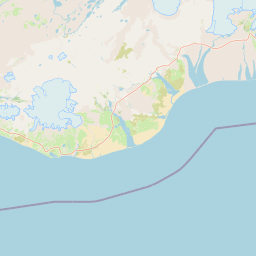
- © OpenStreetMap contributors (base map and public geographic data for the breakfast-supply map; not for navigation).
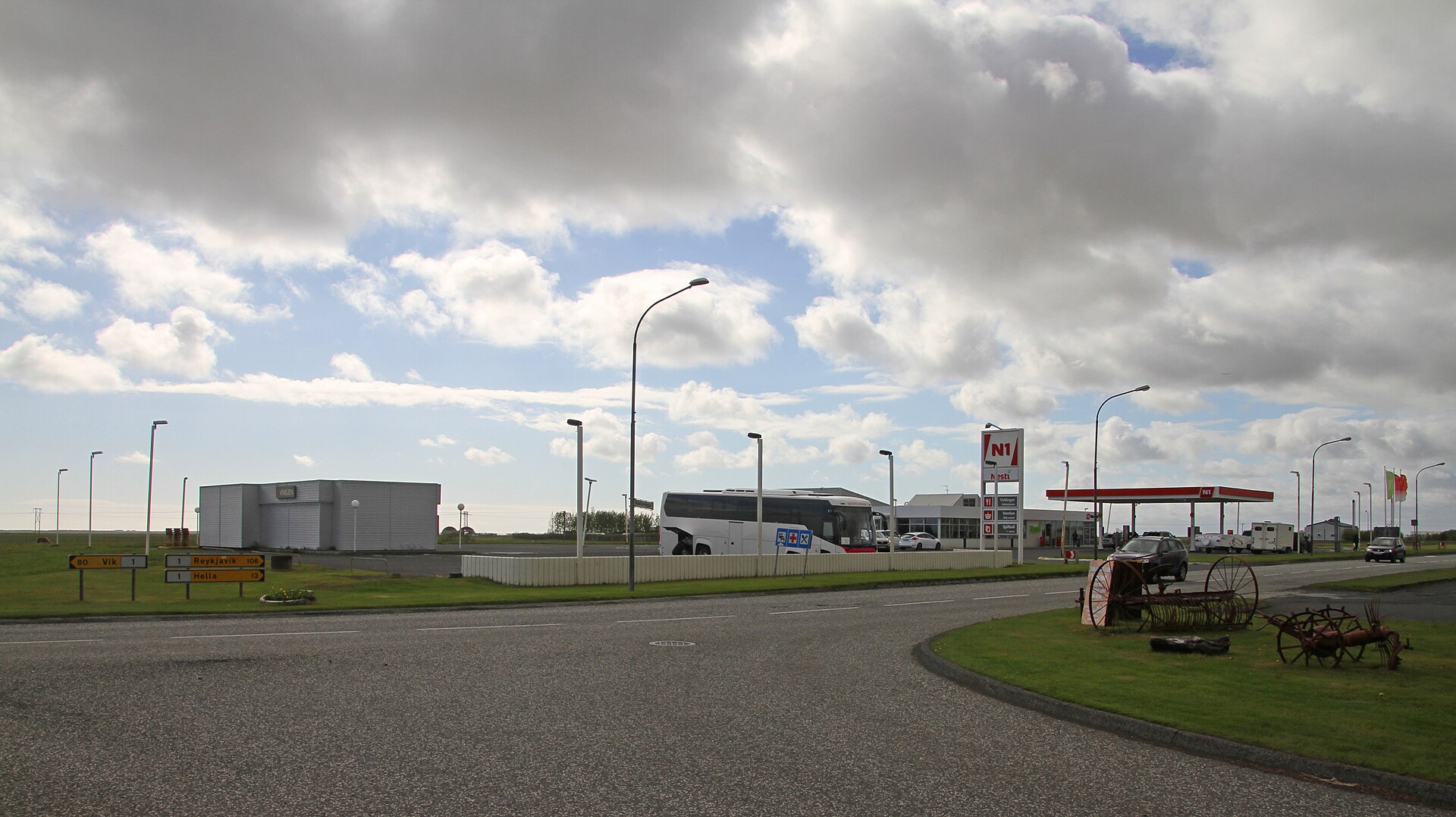
- Hero image: Gerd Eichmann / Wikimedia Commons, CC BY 4.0; the Hvolsvöllur N1 image is used only to illustrate a self-drive supply setting, not current fuel prices, payment methods, opening hours or food availability.