
ICENAVI · SUMMER ROUTE PACE
Seven summer days are easily turned into a promise to see “one more place” every day. The midnight sun makes that mistake feel harmless: dinner moves later, then fatigue, fuel, parking and tomorrow morning's check-in move with it. The days are longer; the route is not shorter.
ICENAVI ITINERARY FIT · SUMMER 7 DAYS
The midnight sun can extend a stop, not the safe driving limit
Scores reflect driving rhythm, accommodation bases, fixed activities, fatigue buffers and the arrival and departure flights. Recheck summer daylight, roads, activity meeting points and room rates for your dates.
Long daylight suits unhurried walks, photography and spontaneous short stops; it does not shorten the 1,322-kilometre Ring Road.
KEF, Reykjavik, Vík, Höfn and Akureyri each have a clear role. Move rooms only when the change genuinely alters the next day's direction.
Whale tours, ferries and timed excursions depend on the meeting point and return time. Daylight should not hide the cost of missing either.
Check-in, food, parking and driver changes belong in the day's calculation. Light at night does not make a long drive safe after everyone is tired.
A complete loop needs sound flight timing, rested drivers and a willingness to cut stops. A deeper South Coast plan is often the more executable seven-day version.
The safest framework uses the first and last nights for flights, keeps one mid-trip buffer, then chooses eastward travel or a South Coast base around the fixed activity.
The midnight sun most easily steals your stopping time
Between June and August, the light makes people forget that the day is already long enough. SafeTravel still treats fatigue as a driving risk: stop about every 100 kilometres, change drivers, and pull over as soon as distraction appears. Those rules do not disappear because the road is visible at night. Set an accommodation boundary before you leave: the day ends when you reach the hotel, unload, and eat. Do not extend it because the map still shows kilometres remaining.
| Day's role | One thing on the main line | What the midnight sun can help with | What it must not disguise |
|---|---|---|---|
| Arrival day | Collect the car, stock up and check in | Take a walk if you arrive early | Adding the long South Coast as a half-day extra |
| City / Golden Circle day | Test the car and your group's walking pace | Extend one short stop | Starting a distant detour after dinner |
| South Coast move | Choose two main sights and break the journey towards Vík | Take time to park and photograph | Refusing to check in until every waterfall is collected |
| South-east / north transfer | Commit to one long transfer direction | Build in an early lunch or short trail | Treating navigation time as usable time |
| Buffer / activity day | Keep it for whale watching, a ferry or a weather change | Swap to a nearby option for the day's conditions | Chasing a cancelled activity with night driving |
| Departure day | Return the car, refuel and catch the flight | Make only a short stop near the airport | Putting the final waterfall before the flight |
Look at the real positions before deciding whether seven days can circle Iceland
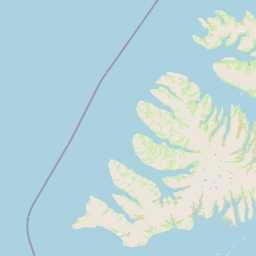
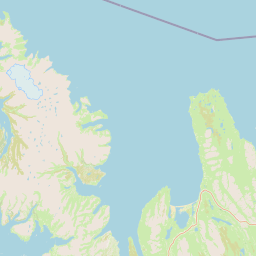
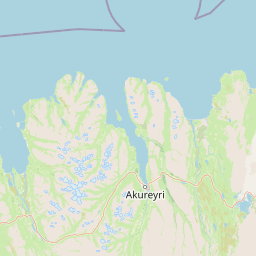
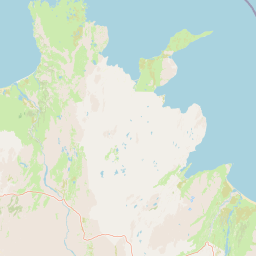
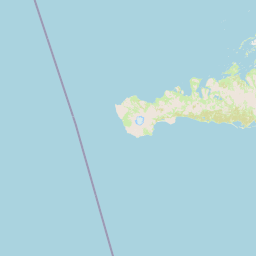
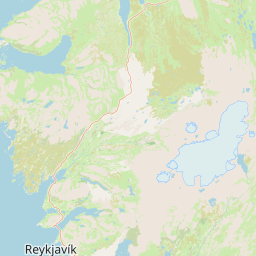
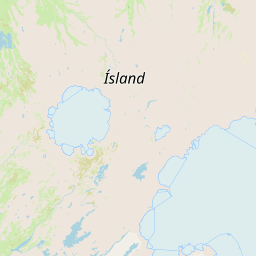
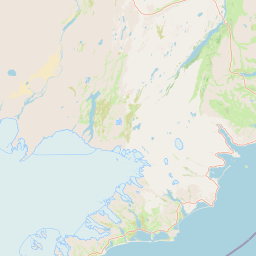
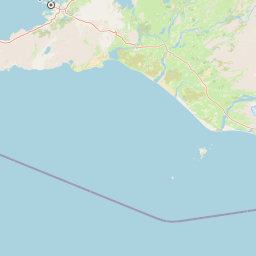
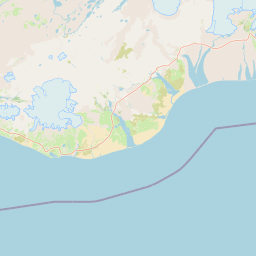
This is not turn-by-turn navigation. It places KEF, Reykjavik, Vík, Höfn and Akureyri back on Iceland's actual geography. Once the five points are visible, the trade-off is easier to read: summer light lets you stay a little longer at each point, but it cannot turn the South Coast, south-east and north into one base.
Seven days work in three ways; identify yours first
Early arrival and late departure: Two full daylight periods can support a Ring Road loop, but the first and final nights still need to serve sleep, car collection or return and the flights. Put the budget first towards cancellable rooms and one activity buffer, rather than upgrading to a highland vehicle immediately.
Midday arrival and an early departure: Seven calendar days may contain only five full days out. In that case, Reykjavík, the Golden Circle and the South Coast usually make a steadier line, or keep a city base with two day tours. Forcing the route to Akureyri exchanges scenery for luggage handling.
A fixed activity during the seven days: Note the meeting point and return time for whale watching, snorkelling, a ferry or a timed tour before choosing the rooms around it. For northern whale watching, read whether to stay a night in Húsavík or make it a day trip. If a day tour will cover the Golden Circle, how to choose a Golden Circle day tour answers the transport and stop-time question more accurately than “the day is long”.
Write the latest safe stopping time into the plan; midnight light is not an overtime pass
Give each of seven nights a job in the route
The most common summer waste is not choosing the wrong hotel; it is asking each night only what happens nearby. Reverse that question and give the room a job. Night one handles landing and the car. Night two lets the city or Golden Circle test the trip at a recoverable pace. South Coast nights serve the direction of the following day. The north or south-east earns a move only when you truly plan to stay there. Compare prices after this order is clear, or a cheap distant room may simply have renamed luggage handling, fuel and a return leg as savings.
| Accommodation role | Best night for it | What the room should solve | What not to use it for |
|---|---|---|---|
| KEF / Reykjavik | First or final night | Sleep, car pickup or return, supplies and flight buffer | A free base for South Coast sights |
| Vík / South Coast | Before moving east or an activity | Shorten the next meeting transfer and split the drive | Staying two nights just to add one waterfall |
| Höfn / south-east | When you will genuinely see east of Jökulsárlón or continue east around the island | Make a long transfer one-way rather than a return trip | Replacing the South Coast simply because the rate is lower |
| Akureyri | When a northern stay or whale-watching plan is real | City supplies, meeting logistics and the next direction | Moving for another night because the sun is still up |
If you are not going north, there is no reason to force Akureyri into seven nights just to make the map look complete. If whale watching is fixed in Húsavík, Akureyri may not be the most time-efficient base. Every added room should answer which fixed decision it makes safer; if it cannot, keeping one more night in the same base usually has greater value.
The highlands are not a free summer add-on
Whether an F-road is open, whether the rental contract permits it and whether the vehicle qualifies are three separate questions. SafeTravel's highland guidance distinguishes unbridged rivers, road openings and off-road limits, so “go to the highlands if you have time” does not belong as a casual note beside a Ring Road table. If the highlands are the point of the trip, start with the Iceland highlands road and transport guide and write down the opening notice, legal vehicle requirements and your tolerance for cancellation. If you only want mountain scenery, a short stop on the South Coast or Golden Circle is easier to bring back to the accommodation base.
ICENAVI · The seven-day summer daylight test
If it is still light at 10 p.m., ask who is driving tomorrow morning.
If the answer is the same person who has already driven for eight hours, the day is over. Keep the light for an unhurried trail, dinner and photography; tomorrow then has room for weather, an activity or a long transfer that is genuinely worth doing.
Write one job for every night before booking
- First night: Does it only need to let me land safely, collect the car or sleep?
- City night: Can it hold a city day, a tour and an unplanned rest without moving luggage every morning?
- South Coast night: Am I heading towards Vík, Jökulsárlón or back towards the airport, and does this room remove a return leg in that direction?
- North / south-east night: Am I truly staying in that area, or does it merely look convenient on the map?
- Final night: Does it keep the car return, refuelling and flight within one workable area?
To separate the seven nights and the work of each base, read how to allocate seven nights in Iceland. If you are still choosing between the Ring Road and the South Coast, June Ring Road nights and midnight-sun planning separates “more light” from “more room in the day”. Then return to the daily driving time budget and add the parking, fuel, meals and check-in time that navigation does not show.
Related reading
Choose the route before choosing each night
- How to allocate seven nights in Iceland: put the nights back around arrival, departure, the South Coast and Ring Road bases.
- June Ring Road and the midnight sun: see how long daylight changes stops, not the driving limit.
- South Coast destination guide: choose accommodation roles by the western, central and eastern sections.
More to read
Leave an exit for activities and road conditions
Frequently asked questions
What is the most important trade-off in seven days?
Protect flight, accommodation and weather buffers first, then cut distant sights according to the conditions. Do not write every day as a fixed promise.
How should the route change if an activity is cancelled?
Keep the same accommodation base and choose a nearby substitute before adding night or long-distance driving to recover a prepaid cost.
What should be checked again before departure?
Recheck official roads, weather, alerts, activity meeting points and accommodation cancellation terms, then adjust the latest version of the plan.
References
- Visit Iceland | The Ring Road: the approximately 1,322-kilometre Ring Road and the context for a multi-day self-drive.
- Visit Iceland | Iceland in June: long summer daylight and travel conditions.
- SafeTravel | Fatigue and drowsiness: advice on fatigue, stopping and changing drivers.
- SafeTravel | Highland driving: F-road openings, vehicle types, unbridged rivers and off-road limits.
- OpenStreetMap contributors: the real base map for the five geographic points shown here.
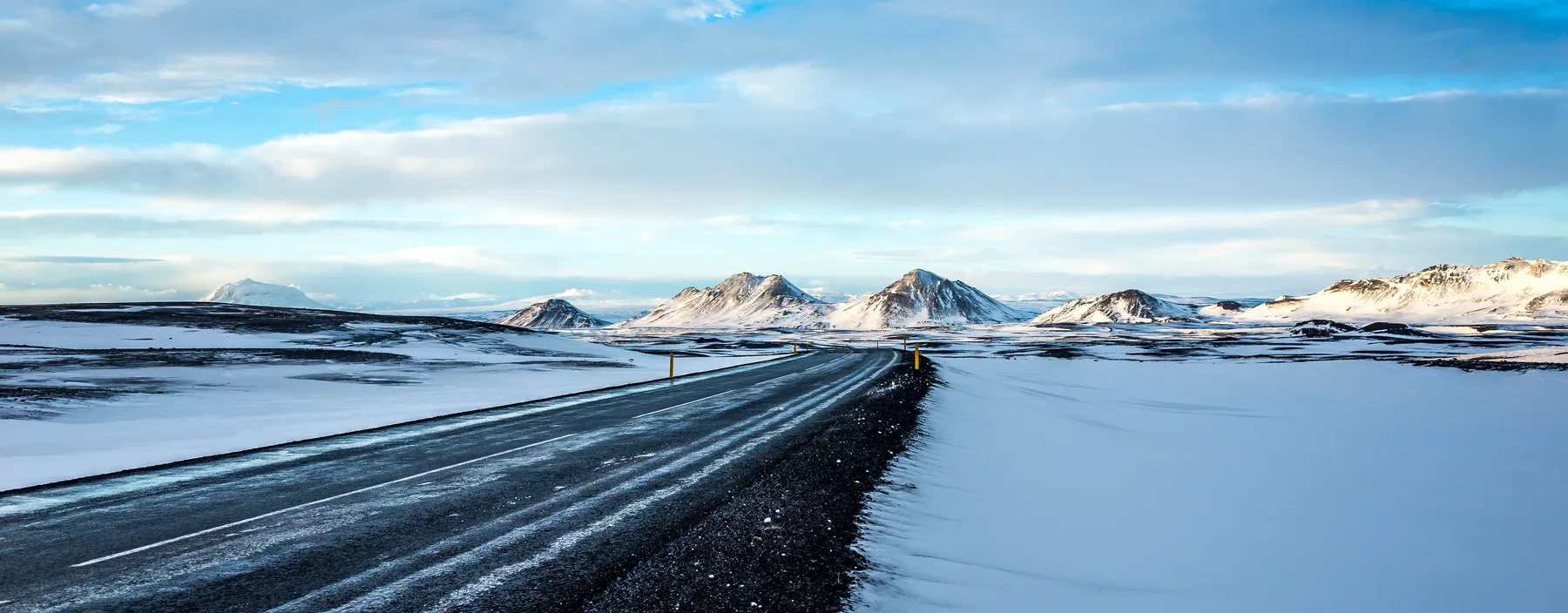
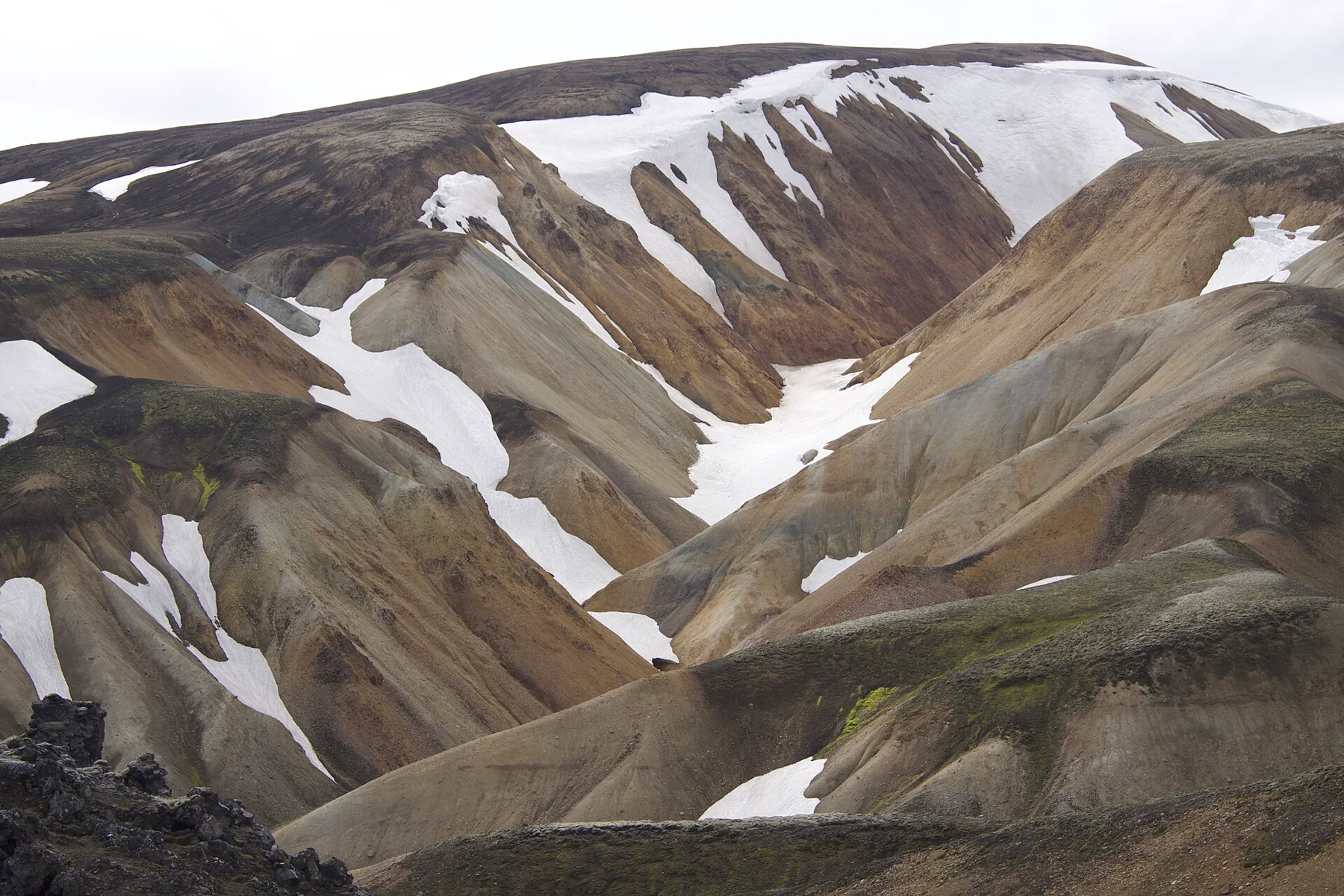
- Hero image: sergejf / Wikimedia Commons, CC BY-SA 2.0; used to show road scale and exposed terrain, not same-day summer conditions.
.jpg)
References
Roads, activity times, accommodation policies and opening arrangements can change; check each item against the sources listed at the end of this article before departure.