
ICENAVI STAY CHECK · FAMILY BASE
Protect sleep and deal with wet clothes before comparing the room
The score weighs sleep zones, the actual work involved in cooking and laundry, parking and luggage handling, breakfast supplies, child seats and the next day's drive. It is not a hotel safety rating or a guarantee of facilities. Check the room type, equipment, child policies and charges against your booking.
Family accommodation earns its value by cutting down the daily handling of luggage, laundry and bedtime, not by putting the longest facility list on the booking page.
Babies and toddlers need a separate sleep area and an easy-to-use bathroom. For older children, confirm the actual beds rather than treating “sleeps four” as four beds.
After waterfalls, ice caves or geothermal pools, drying one set of wet clothes can matter more than having another kitchen utensil. Confirm the listed equipment for your room type.
Child seats, wet coats, nappies and food can make the evening car-to-room transfer the main task. Consider the entrance, lighting and drop-off distance together.
An early breakfast, a breakfast box, a supermarket and hot food can change when a family gets on the road. In remote areas, do not assume every service follows city hours.
The slowest traveller sets the departure time. Staying two nights, sleeping near the main road or having food ready early can matter more than an adult's navigation estimate.
The usual family-room photograph shows a neat large bed. It rarely shows wet coats, a child seat or a bag of socks that has not dried. After several days of driving in Iceland, waterproof trousers, shoes, warm layers, nappies and snacks take up more room than souvenirs. If you filter only for “family room”, there is nowhere in the decision for these daily tasks.
Match the room to the child's age, not its label
A baby needs somewhere that can go quiet early, a way to prepare a bottle and a bathroom that is not a long walk in the dark. A primary-school child needs a quick shower, somewhere to hang wet clothes and food available in the morning. An older child may care more about a real bed and a charging socket. The room name is only the starting point; check whether the accommodation supports the tasks your family will actually do each day.
| Travelling child | Protect this first | Room type that often works | Easy to miss |
|---|---|---|---|
| Baby or toddler | Quiet sleep, a bathroom, hot water and simple food preparation | An apartment or family room with a separate sleep area | Cot size, stairs, window locks and the lack of basic tableware |
| School-age child | Separate beds, breakfast hours, laundry and nearby parking | A family room or two-bedroom apartment | Whether the sofa bed must be folded daily, a single bathroom and shared laundry |
| Teenager | A personal bed, charging access, Wi-Fi and room to stay up a little later | Two adjoining rooms or a genuine two-bedroom unit | “Sleeps four” meaning two double beds with no space to move around luggage |
Family room, two rooms or apartment: which removes the most work?
A family room means one fewer door and one fewer check-in process. The trade-off is that once the children are asleep, adults may have nowhere to sit except in the dark. Two rooms give adults more space, but check whether they really adjoin, how many bathrooms there are and how far night-time care requires you to walk. An apartment may include a kitchen and laundry without making you want to cook every day; for a one-night stay, buying ingredients, washing pans and cleaning up become extra work.
| Room type | What it can reduce | What it may add | When it earns its place |
|---|---|---|---|
| Family room | One booking, one doorway and simpler child supervision | No adult space once the children are asleep | One night, an early departure or similar family routines |
| Adjoining or two rooms | Interrupted sleep and luggage in one room | Price, extra key cards and the need to confirm that the rooms adjoin | Two or more nights, older children or adults needing evening work space |
| Apartment or kitchen | Bottle preparation, simple heating, drying clothes and separate storage | Food shopping, cooking, cleaning and house rules | Several people, multiple nights, dietary restrictions or a real need for laundry |
Take “sleeps four” apart. Does it mean four proper beds, or two beds plus a sofa bed that fills the floor when opened? Can two suitcases stay open while people walk through the room? Does the bathroom door lock from inside? These questions affect family morale sooner than an extra picture window.
Laundry is a wet-weather recovery tool
Waterfalls, ice caves and geothermal pools can leave a family's wet clothes arriving together at night. “Laundry available” might mean a self-service room, paid laundry service or simply a nearby provider. Ask about opening hours, drying method, price and whether you need to reserve a machine or service. With young children, drying two outfits overnight can be more useful than adding a few square metres to the room.
If the accommodation has no laundry, check where clothes can hang, the rules for using heating and whether you have waterproof bags ready. Do not put wet clothes directly on a radiator. The decision on whether to add breakfast also depends on the room you actually book; an apartment listing that mentions a kitchen does not promise a washing machine or tumble dryer.
For a family self-drive, check parking and child seats together
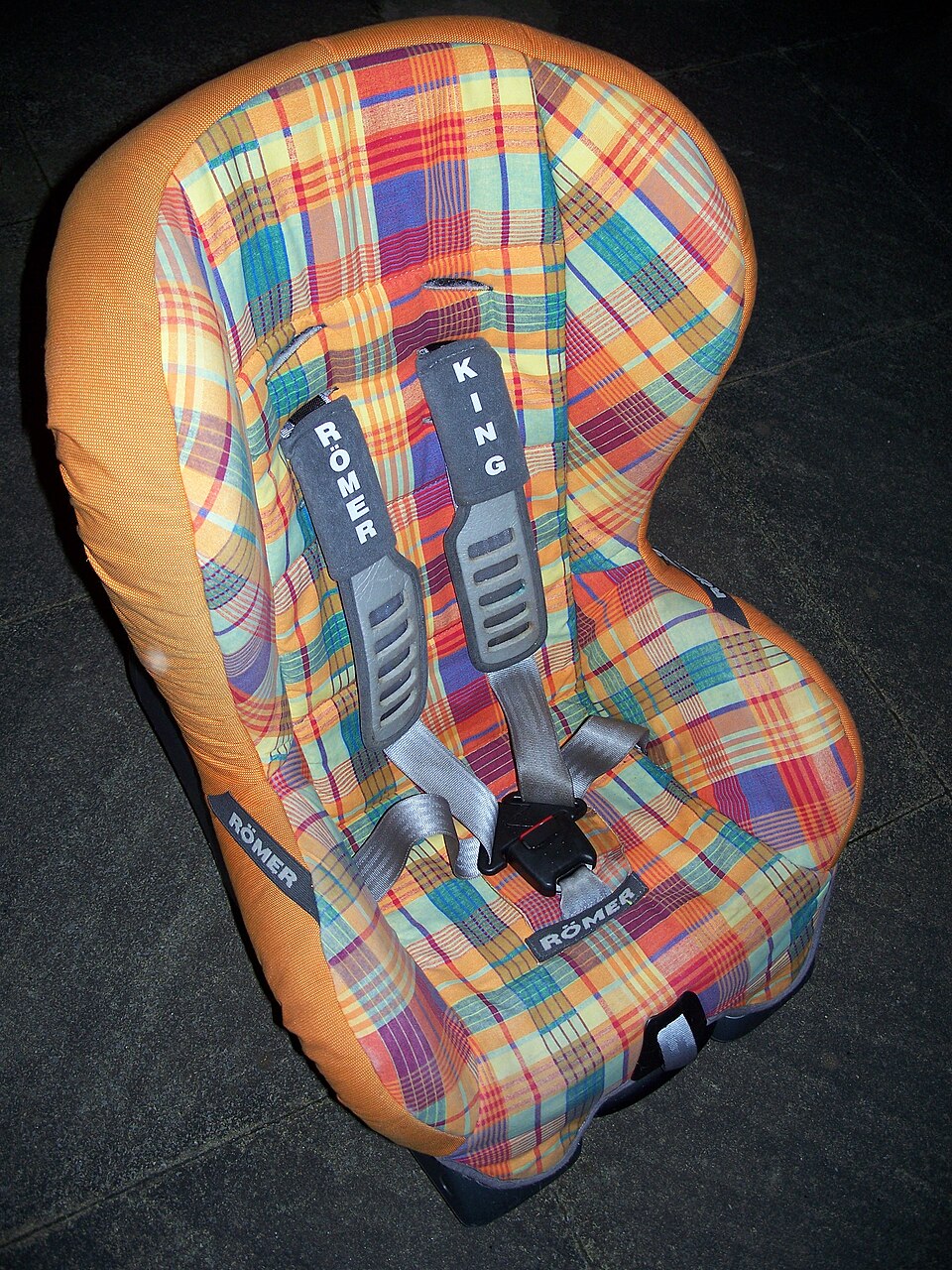
When collecting the car, check the child-seat model, installation method and whether it suits your child's height and weight. An official example photograph can help you recognise a seat; it cannot guarantee that a rental company will supply the right one. At the hotel, a distant parking space turns the evening transfer of a seat, coats and children into far more work than moving adult luggage. The real cost of accommodation parking separates the entrance, drop-off, lighting and luggage distance; families should look at that whole picture.
For a long drive the next day, a room near the main road, an early breakfast or food you can take away is usually more useful than having more city restaurants nearby. Travelling east from Vík or north from Mývatn, the slowest person in the car determines the departure time. Do not use an adult's navigation estimate as the family plan.
One fewer hotel move may be the best family facility
For a family, the value of staying two nights is not laziness. It gives sleep, laundry and food a fixed place. Moving to a new town every night makes children adjust again to a bed, bathroom and breakfast, while parents repeat the packing of the child seat and wet clothes. For the number of nights around Iceland, start with how to allocate accommodation nights. To decide how long each driving day can be, return to the driving limit; using both helps more than searching for a family room in isolation.
ICENAVI · Final family-stay call
Before bed, who still has one last job?
If it is preparing a bottle, hanging laundry, showering, charging devices or settling a child, choose the room around that job. A family room should leave everyone with enough energy to get back in the car tomorrow morning.
Confirm the bed layout so adults are not still packing after the children sleep
Compare a family room, connecting rooms and an apartment against the children’s ages and routines. Young children may need a cot and a dark corner; older children need a usable extra bed, its cost and a layout that does not leave adults in the corridor. Check whether the washer, dryer and bathroom are in the same room and whether wet outer layers can dry without taking over the beds. For an early self-drive, breakfast hours and the walk from parking to the room also shape the morning. “Family-friendly” is less useful than knowing who still has work to do after bedtime.
Ten checks before you pay
- Are there four proper beds, or a sofa bed or rollaway? Are the size and position clear?
- Can the hotel provide a cot? Are the bed rail, window locks, stairs and bathroom safe for a child?
- Does the kitchen have a fridge, tableware, kettle and microwave? What are the cleaning and checkout rules?
- Is the laundry in the room, self-service or outsourced? Can clothes be dry before the child goes to sleep?
- Is parking by the door, free and guaranteed? Who clears it after snow?
- What time does breakfast start, and can it be packed to go? Is there a reliable nearby supply if the child wakes early?
- Is the walk to the main road, restaurants and bathroom manageable with a pushchair and older relatives?
- Are check-in, cancellation, extra-bed and children's breakfast charges calculated for the same room type?
- Can the slowest traveller complete the next day's drive in daylight?
- If a child becomes ill or the weather changes, would you be willing to stay here one more night?
The best place to spend more on family accommodation is often the part that prevents everyone from repeating the same small task. Put sleep, wet clothes, food, parking and tomorrow's drive beside the booking page, and it becomes easier to see whether a family room, apartment or two rooms actually fit this trip.
What do families most often miss when booking Iceland accommodation?
Is a family room always easier than an apartment?
No. For one night and an early departure, a family room usually avoids cooking and cleaning. For several nights, laundry or dietary restrictions, an apartment is more likely to repay the extra work.
What should families with a pushchair ask first?
Ask whether there are stairs, a lift and a place to unload between the entrance and the room, then check the room size. Smooth access matters more than an extra chair in the photograph.
Does a family self-drive always need accommodation near the main road?
No. But before a long drive, in unstable weather or when a child gets carsick, avoiding a dark detour and a long luggage transfer can be more valuable than the view.
References
- SafeTravel Iceland (family self-drive, roads and same-day safety information).
- Vegagerðin (road conditions and winter access information).
- Visit Iceland | The Ring Road (the scale of the Ring Road and background on accommodation stops).
- Hero image: Cschirp / Wikimedia Commons, CC BY-SA 2.5; used only to identify a child car seat, not to infer a rental company's model, fixing method, age or suitability.