
First clarify what “seven days” means. Seven calendar days do not necessarily give you seven full sightseeing days: day one may go to landing, collecting the car, shopping and adjusting to driving on the right, while the final day may contain only the return, transfer and flight. In accommodation terms, it is usually six nights. An evening arrival is not a day for chasing sights, and an early departure means the final night should not be in the east. The real comparison is how many usable mornings, afternoons and rerouting options each version gives you.
Put the extra day back into the timetable, not the sightseeing list
| Problem you want to solve | A sensible use of seven days | What the eighth day gives back | Cost that still remains |
|---|---|---|---|
| First visit, with the main South Coast sights | Reykjavík / western South Coast / Vík / towards the glacier lagoon, with few remote detours | A second South Coast night, so waterfalls, black sand, a glacier or the lagoon do not all have to fit into one day | Less of the north, and acceptance that the Ring Road will not be complete |
| You want the full Ring Road | A summer fast circuit with controlled stops and fewer activities | A long east or north transfer split into two, with one extra resupply or weather buffer | Long driving days remain; it will not become a slow trip |
| You have booked an ice cave, glacier hike or whale-watching trip | Stay near the meeting point the night before and remove conflicting sights | A replacement day if the activity moves, instead of an immediate cross-country drive | Meeting time, cancellation terms and driving still need individual checks |
| An early flight or a winter departure | Keep the final night near the airport and shorten the last drive | One safer buffer night in the South Coast or southwest | The new night should not be pushed to the farthest point of the route |
Which extra-night trade-off has the clearest payoff?
These four figures compare the parts of a seven- or eight-day plan that can change the decision. They describe itinerary pressure, not attraction quality or road conditions.
The full-Ring-Road viability score is below nine not because eight days cannot work, but because the first and last days and the weather still take away usable time. Control over the final night scores highly because treating the return to the southwest as part of the route reduces the risk of leaving a flight to the last long drive. The seven-day South Coast score is strong because dropping one direction leaves real time for parking, walking and activities once you reach the coast.
A circle on the map is not eight comfortable mornings
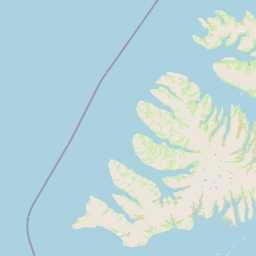
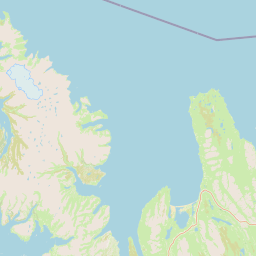
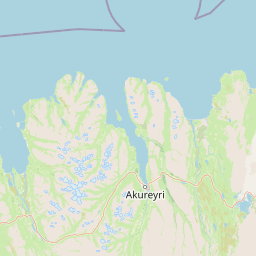
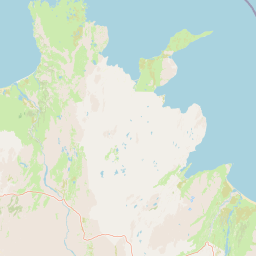
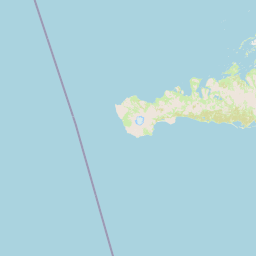
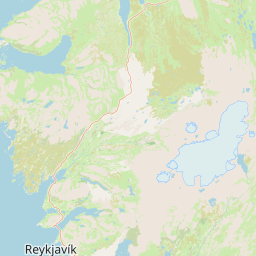
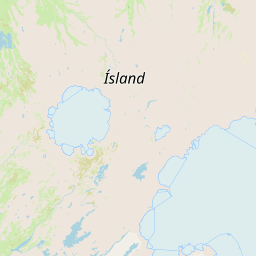
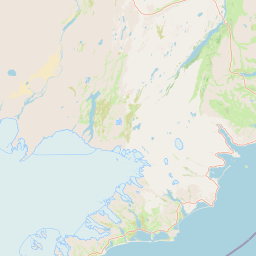
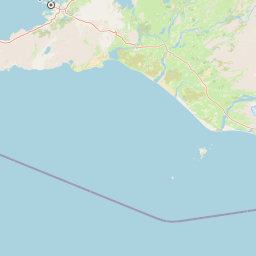
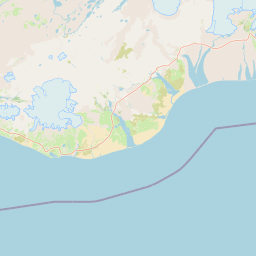
The map below marks the reference points that change how many nights you need: KEF and Reykjavík handle the beginning and end, Vík breaks up the western South Coast, Jökulsárlón extends the fixed stop in the southeast, while Egilsstaðir and Mývatn represent the east and north transfers. Once you see the positions, the eighth day is often most valuable between two reference points, not in making the circle larger.
Seven days: South Coast depth is usually more complete than a forced Ring Road
The common seven-day trap is seeing that Route 1 can be driven in seven days and assuming every region can also be properly visited. Road distance is only the baseline. The real schedule needs parking, walking, fuel, toilets, meals, check-in and extra time when wind or rain makes it unsafe to drive at the planned speed. If the first and final days are incomplete, six nights have to cover the South Coast, east, north and southwest; every small delay then passes into the next fixed time.
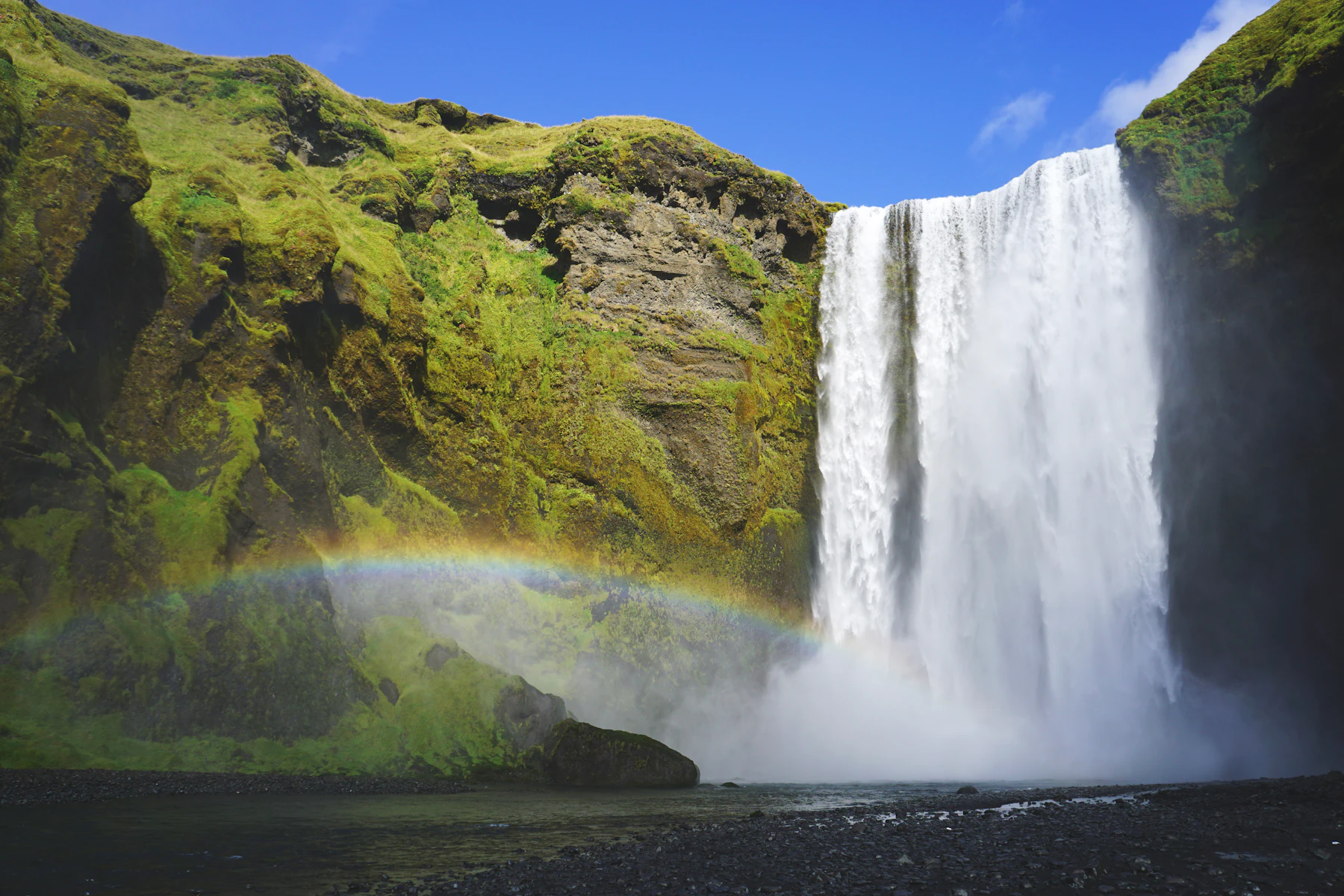
If the South Coast is your priority, I would write seven days as a line with room to breathe: keep the start and end near Reykjavík or KEF, give the South Coast at least two working nights, use Vík or nearby for waterfalls, black sand and Dyrhólaey, and decide whether to continue to Jökulsárlón according to your flights and season. The seven-day, six-night accommodation plan can separate the exit from each night; if you only want the South Coast and want to give the glacier lagoon proper time, the five-day South Coast plan is a cleaner reference.
Eight days: decide whether the extra night buys depth or distance
The eighth day has two very different uses. The first is depth: spend another night around Vík, Kirkjubæjarklaustur or Jökulsárlón, separate a fixed activity from the days around it, and keep a weather change from forcing an immediate retreat. The second is distance: split a long east or north transfer across two days so Egilsstaðir, Mývatn or Akureyri are more than names seen through a windscreen. Both are reasonable, but the eighth day cannot be South Coast depth, a slow eastward trip and a full northbound activity day at once.
If you change hotels every night after adding a day, luggage can consume the gain. A practical arrangement is usually to stay two nights in one place, or divide the longest transfer into two sections that allow dinner and a resupply after arrival. Between Jökulsárlón and the east, stops depend on daylight, wind and road conditions; putting every waterfall, glacier, fjord and supermarket into one day makes eight days only a longer version of seven. The eight-day Ring Road guide pressure-tests the eighth night against the east, north and the return west; if you are more concerned with how many nights to book and which night should not involve a move, the accommodation-night plan separates arrival, South Coast and departure nights first.
Fixed activities can change the answer completely
Ice caves, glacier hikes, snowmobiling, whale watching and booked hot springs are not ordinary sights. They have meeting points, check-in times, equipment, possible rescheduling and fatigue afterwards. If a South Coast glacier activity is already fixed, the previous night should be near the meeting direction; do not turn that activity morning into a timed contest just to “also” see the east. An eighth day can buy back half a day on either side: sleep closer before the activity and avoid a long transfer straight afterwards.
Fixed activities also expose the assumption that one extra night means you can have everything. If an activity moves to the next day, is there a hotel that can still be cancelled? If a boat, ice condition or weather cancels it, is there a free short stop or indoor alternative nearby? If those questions have no answer, use eight days as a buffer before adding another bookable experience. For the meeting-point and seasonal limits of ice-cave trips, read how to choose an ice-cave tour by meeting point and risk; that decision directly changes which night you should keep on the South Coast.
The real time cost: navigation numbers are only the beginning
| Task | What the map seems to show | What to allow for in planning | What the eighth night can buy |
|---|---|---|---|
| Capital area to Vík | One long drive south | Delayed departure after collecting the car and supplies, waterfall parking and the black-sand beach walk | No need to press western sights and the eastern drive into one day |
| Vík to Jökulsárlón | About half a day's driving | Fjaðrárgljúfur, Skaftafell, a glacier activity, parking and photography | Time at the lagoon in good light, rather than a roadside photograph |
| Jökulsárlón towards the east or north | A straightforward connection to the next area | Eastfjords bends, supplies, check-in deadlines, wind and slower sections | The transfer most likely to overrun split into two |
| North Iceland back to KEF | A return drive on the final day | Cross-region driving, car return, fuel, shuttle, luggage and flight check-in | The final night moved back to the southwest, leaving a flight buffer |
The final night should be counted back from the flight, not used to patch a sightseeing gap
For an early flight, the final night near KEF, Keflavík or Reykjanes is often more valuable than another half-day in Reykjavík. Count the car return, fuel, rental-company shuttle and terminal check-in rather than the straight-line distance from the hotel to the airport. An evening flight gives you more room to keep the final night in Reykjavík or the southwest, but roads and the car return still need a buffer.
This is where eight days are easily misused: someone adds the new night around Mývatn, then discovers the day before the flight still requires a cross-country drive back to the southwest. An extra night has not improved the finish if it does not shorten the final transfer. The count-back method for the night before departure helps: write down every time you cannot miss, then decide whether that night is worth keeping for sightseeing.
Without a car, in winter or with one driver, be more conservative
Without a car, the difference between seven and eight days is not one more rental day. It is whether buses, day tours, transfers and meeting points can be linked. The more often you change accommodation, the more you pay in luggage storage, early arrivals and missed connections. In winter, daylight, snow, wind and road conditions can rewrite the plan; eight days can be used to stay in the South Coast or southwest without making a full Ring Road compulsory. With one driver, the fatigue after a long transfer, hotel search and luggage move is a real cost, not a test of determination.
If one traveller dislikes long drives while another wants more sights, the eighth day works best as a base day: one group takes a nearby short walk while the other joins the fixed activity, then everyone returns to the same hotel. It is less eye-catching than adding three place names, but more likely to leave everyone interested in the view on the final day.
My order for making the final decision
- Write down the genuinely usable first and final days of the international flights; do not treat collecting or returning the car as free time.
- Circle every activity meeting point that cannot move, then choose the base for the night before it.
- Decide whether the eighth night buys depth, transfer buffer or final-night security; give it one main job.
- Recalculate Vík, Jökulsárlón, the east and the north door to door, including parking, supplies, walking and check-in.
- Remove the detour you least want to complete in wind and rain, and keep a cancellable booking or one base night.
If the plan still needs an earlier-than-early start every day to work, the seven-day version is not simply too short; the choices are unfinished. If an extra night still leaves no night to absorb a delay, eight days may not be enough for a full Ring Road. Turning it into a deeper South Coast trip is usually the better journey. You are not seeing less of Iceland; you are leaving the places you truly visited in your memory rather than in your navigation history.
Q&A · Check before choosing seven or eight days
Can you complete Iceland's Ring Road in seven days?
It can be planned in summer, with good flight times, at least two drivers and short stops, but six nights plus incomplete first and final days leaves very little room for activities or weather changes. For a first visit or a deeper South Coast trip, I would choose the South Coast version.
Where is the eighth day most useful?
There is no universal answer. If Jökulsárlón or a glacier activity matters most, add a night on the South Coast or southeast first. If the goal is a complete Ring Road, use it to split the long transfer from Jökulsárlón towards the east or north, while keeping the final night back in the southwest.
Does one extra night mean you can add the Westfjords or Snæfellsnes?
Usually not. Those are new directions and accommodation work, not free additions along the Ring Road; they need a fresh design based on ferries, seasonal roads, minimum nights and the final exit.
Should both seven- and eight-day trips stay in Vík?
If the South Coast is the theme, Vík or nearby can work as a stopover. If the fixed activity meets towards the glacier lagoon, work back from the night before the activity rather than keeping a night in a well-known town by default.
Can the final night before an early flight be in the east?
I would not leave the cross-island return to the airport side until the day before the flight. Count back from the car return, shuttle and check-in requirements; if a long drive remains, you do not have a genuine departure buffer.
Is the eighth day worth using for a hot spring?
It can be, provided it does not disrupt a fixed activity or the final night. Blue Lagoon, Sky Lagoon or another bathing site should fit around its booking time and the route; an extra day does not automatically mean adding another experience.
References
Roads, weather, activity meeting points, opening times and accommodation terms can change by date and season. Distances and times here are planning-scale guidance only; check your confirmation emails and current conditions before departure.
- Visit Iceland · Ring Road overview: background on Route 1 and typical trip length.
- Icelandic Road and Coastal Administration · Road conditions: checking road conditions and closures.
- Icelandic Met Office · Weather forecasts: checking weather and warnings.
- SafeTravel Iceland: self-drive and activity safety information.
- © OpenStreetMap contributors: the base map used for the real-location map in this article.
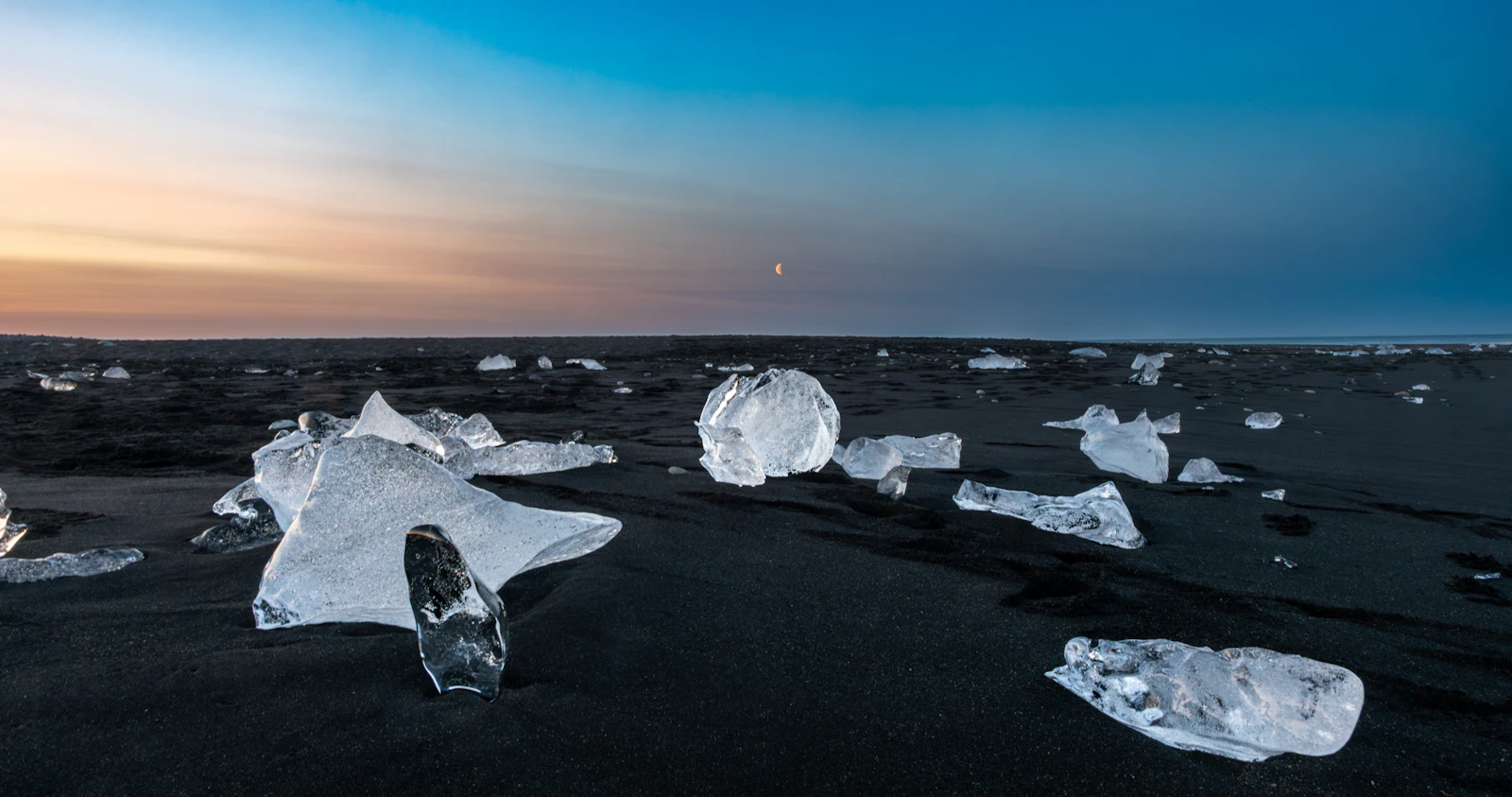
- Image licensing for the hero and South Coast photograph is listed in the image credits.