
ICENAVI · CAMPERVAN FIT
How much freedom do you get back for the work?
Only factors that can change the route decision are scored; check the vehicle, campsite and road conditions for your dates.
Long daylight hours and campsite density make it easier to fit the daily chores into the itinerary.
Short daylight, wind and snow, plus fewer open campsites, narrow the available fallback options.
Your bags stay in the vehicle, but clothes, wet shoes and food also share the same small space.
The appeal of a campervan is straightforward: you can drive from Seljalandsfoss to Vík today without racing to a hotel at 4pm, then wake up closer to your first stop tomorrow. That “closer” comes with conditions. In Iceland, you cannot simply spend the night at any beach or attraction. You must use a formal campsite that accepts campervans; in summer, searching for a pitch at a popular campsite late in the evening can make you stop driving earlier than planned.
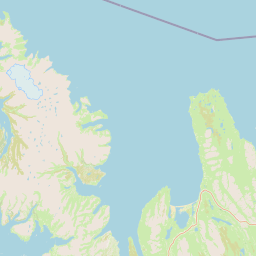
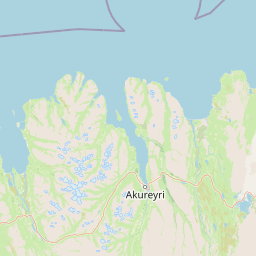
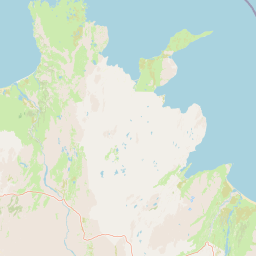
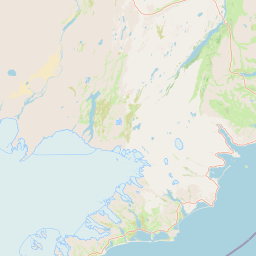
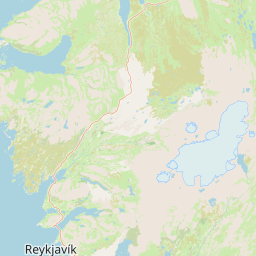 ReykjavíkPick-up / suppliesVíkSouth Coast nightJökulsárlónSouth-east coast stopAkureyriNorthbound exit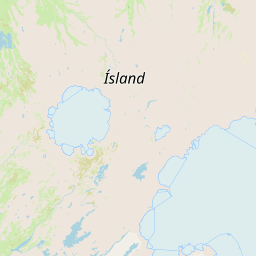
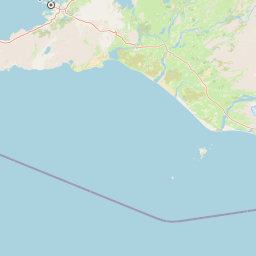
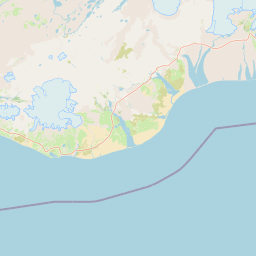
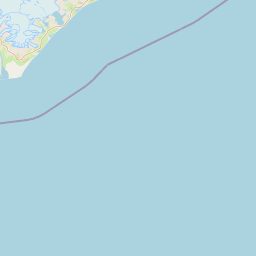
A campervan saves room changes, not the work of each day
After collecting the vehicle, you need to learn the locations of the height information, heater, gas, battery, fresh water and wastewater. If you collect it at KEF and drive straight to the South Coast on your first night, the vehicle briefing, supermarket stop and parking will all take time. I would keep the first night in or near Keflavík or Reykjavík, then begin the long South Coast leg on day two. With hotels, you can stock up in town, collect the car in the morning and remove the task of finding a campsite in the dark.
Compare the full cost in one table: vehicle rental, insurance, fuel, campsite fees, showers, bedding, cooking equipment, parking and food. A campervan does not mean free accommodation every night; for two people over seven nights, campsite fees may be only one line in the total. Add heating, showers and city parking and the gap with a budget hotel becomes smaller. The hotel option has breakfast, restaurants and room-change time to add as well, so comparing only the room rate with the vehicle rate gives the wrong picture.
There is another time cost that is easy to miss: making the bed each day, putting away cooking equipment, emptying wastewater and finding a disposal point. If you want to leave at 8am, the alarm usually needs to be earlier; after rain, wet jackets and shoes also take up space beside the bed. Hotel guests exchange this time for a breakfast queue or checkout, while campervan travellers exchange it for household tasks inside the vehicle. Both options have a cost; the cost simply appears in a different place.
| Your route | Usually smoother | Why | Check first |
|---|---|---|---|
| 10–14 days around Iceland in summer | Campervan | Long daylight can absorb campsite chores, with fewer room changes | Campsite opening, vehicle heating and bed space |
| Seven-day ring road | Rental car + hotels | Long transfers make a quick evening rest more useful | Accommodation location, parking and cancellation terms |
| October to April | Rental car + hotels | Short daylight makes parking, cooking and cleaning harder | Winter roads, heating and latest check-in time |
| Reykjavík and the South Coast only | Decide after pricing two nights of accommodation | Campsite chores may not offset the room changes over short distances | Daily driving time and attraction meeting address |
One campsite night changes where you start the next day
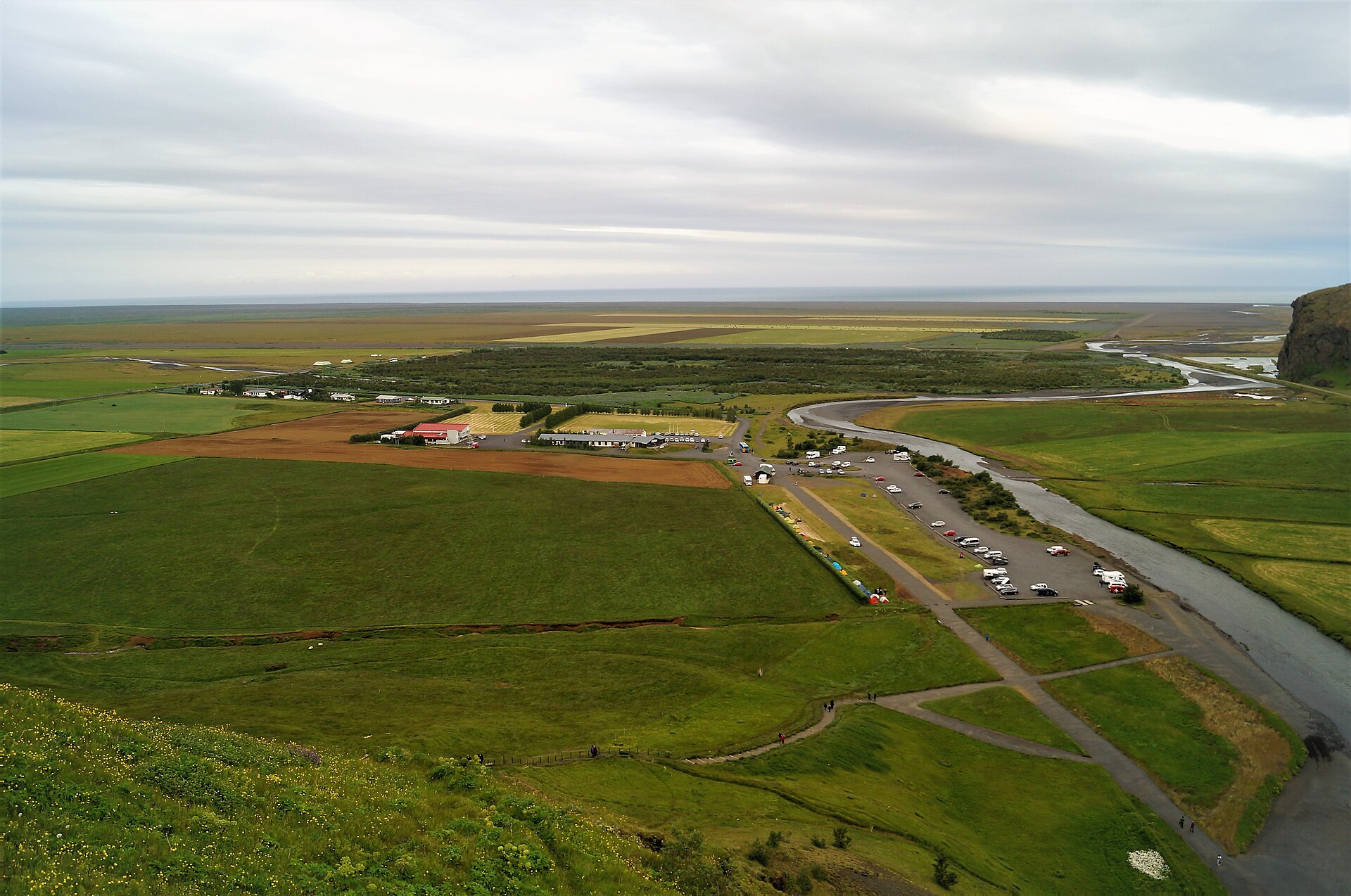
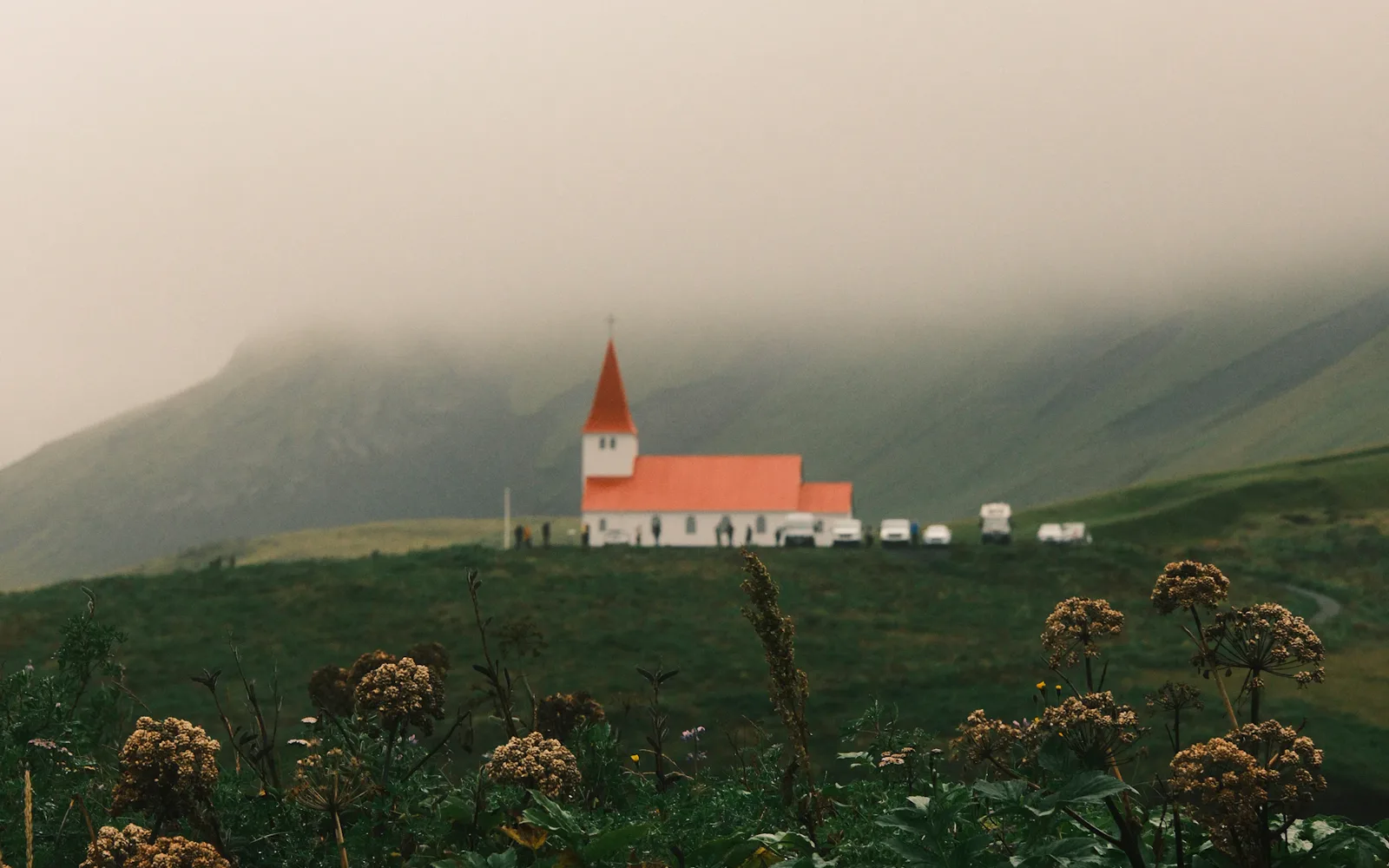
The most useful South Coast night in a campervan is often the one before an early waterfall or black-sand-beach visit, or before pushing towards the glacier lagoon. Staying near Vík lets you split the black sand beach, Dyrhólaey and the Kirkjubæjarklaustur direction across the next day; with a hotel, check breakfast hours, parking and the activity meeting point. If you are booking an ice-cave visit or glacier hike, being near a campsite does not mean being near the meeting point. The address in the confirmation email is what you need next.
If your route passes Jökulsárlón, a hotel earns its keep by letting you arrive without finding a water station or cleaning cooking gear; in the morning, you can walk straight to the glacier lagoon. A campervan earns its keep by keeping your sleeping base in the south-east, avoiding a same-day return from Vík. Use Iceland accommodation night planning to choose your bases, then return to the practical work of campervan driving in Iceland to check the vehicle routine.
When the weather changes, a bed does not solve the road
A campervan makes it easy to say “we will decide tonight”, but popular campsites, ferries and activities still run to a timetable. When crosswinds or road warnings appear, the priority is stopping somewhere safe; taller vehicles are more sensitive to side winds, and handling bedding and damp clothes on a cold, wet night is harder than doing it in a hotel room. With hotels, changing to another town is usually easier. With a campervan, leave one usable campsite option before and after your planned stop.
If you want to fit activities into the itinerary, start with the order for booking Iceland activities, then add each meeting point to the route table. A campervan works well when you spread sightseeing days out; it cannot hide an itinerary where activities, driving and resupply already overlap.
The final calculation: estimate in Hong Kong and Taiwan dollars
For two people over seven nights, use a rough starting range of €140–€240 per day for a campervan including basic equipment (about HK$1,200–2,100 / NT$4,900–8,400). Campsites may cost about €20–€45 per night (about HK$170–390 / NT$700–1,600); fuel, insurance, showers and food are extra. A rental car with hotels may cost about €70–€150 per day for the car and €130–€260 for the room. The total is not necessarily lower, but you are paying for a bathroom, breakfast and a faster end-of-day routine. These figures are only a budgeting range; actual prices change with dates, vehicle type, room type and cancellation flexibility.
ICENAVI · ROUTE FIT
For seven days, I would spend the money on sleep
Seven-day South Coast or ring-road trips contain many long driving days, and a rental car with hotels usually makes it easier to keep a steady pace. A slower summer trip of ten days or more, with daily campsite and cooking tasks accepted as part of the plan, is where a campervan can genuinely give freedom back. If moving rooms once less appeals to you, first confirm that you are willing to do three extra jobs: find a campsite, manage the water supply and organise wet clothes.
ICENAVI's final call: A campervan combines accommodation, transport and daily chores in one arrangement. Put campsite locations, hotel nights, activity meeting points and the next day's driving time on the same map; if you are already arriving close to a campsite's closing time each day, the hotel option is worth the extra cost.
Related reading
Price the vehicle and accommodation separately
Campervan accommodation freedom and winter limits in Iceland
How to plan each night's accommodation in Iceland
A full breakdown of an Iceland self-drive budget
More routes
Put the choice back into a real itinerary
Iceland's seven-day accommodation points
The pace of summer driving in Iceland
Winter driving risks in Iceland
Frequently asked questions
Can I park a campervan overnight at an attraction?
Use a formal campsite that accepts campervans. An attraction car park is not automatically an overnight site; check the campsite location and opening hours before planning the route.
Is a campervan worth it for a seven-day Iceland itinerary?
It can be considered for a long ring-road trip in summer if you are comfortable managing campsites. For seven days split between the South Coast and Reykjavík, a rental car with hotels usually involves less daily work.
Is a campervan always cheaper?
Calculate campsites, fuel, insurance, showers, bedding and food together. Comparing only the daily rental price leaves out the costs that shape the final total.
References
- SafeTravel Iceland · Driving: guidance for road and winter-driving decisions.
- Road.is: road conditions and opening information.
- Thingvellir National Park · Camping: an example of formal campsite and camping rules.
- OpenStreetMap contributors: the base map used for the location graphic.