
Two days before departure, it is easy to mistake "not checked again" for "not confirmed". A hotel confirmation is still there, so you assume there can be no issue; you have not opened the road page, so you assume the route must change. Neither conclusion is reliable. The dividing line is simple: review information that can change with the date, weather, supplier or flight; test once the equipment and bookings that are already yours.
The 48-hour timeline: handle what may change while you sleep
| Timing | Recheck | Do this afterwards | Do not do this |
|---|---|---|---|
| T−48 to 36 hours | Flight time, baggage rules, car-pick-up location and the first night's late-arrival arrangement | Download confirmations, car-rental documents and the accommodation address to an offline device | Replace a workable first night because the room rate briefly dropped |
| T−36 to 24 hours | Road conditions, wind and snow warnings, and the first driving leg of the first two days | Write a shorter version of the longest transfer and mark the final stop that can be removed | Treat today's road conditions as proof that the whole trip will be closed |
| T−24 to 12 hours | Meeting time, address, rescheduling, equipment and requirements for fixed activities such as ice caves, glaciers and whale watching | Write the door-to-door time from the previous night's hotel to the meeting point | Buy a second activity with a conflicting time as a backup |
| T−12 to 0 hours | Boarding documents, payment card, eSIM activation, offline maps, and the final night's check-out and car-return time | Keep one executable version of day one, then sleep | Rebuild the entire Ring Road at midnight or remove the final buffer night |
ICENAVI LAST CHECK · Score only what can change the decision
These scores show how controllable each item is in the final 48 hours, not the quality of the trip; an item without confirmation evidence is not scored.
This card deliberately does not score whether you feel relaxed or whether a hotel is beautiful. It asks whether you can find the confirmation, work backwards from an activity's address, remove one stop from day one, and know where you will sleep if a flight is delayed. If any answer is only "it should be fine" rather than backed by a document or fallback, put it back on the timeline instead of adding more sights to cover the uncertainty.
The real-location map: check both ends before enlarging the middle
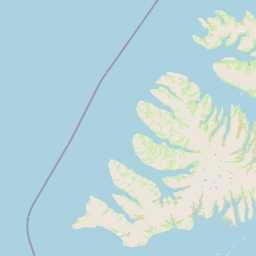
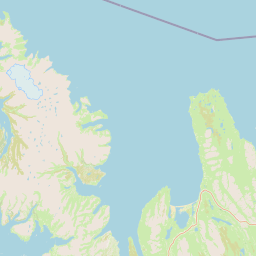
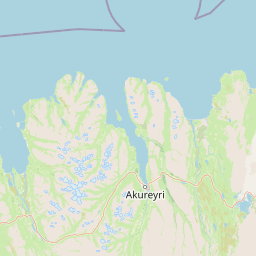
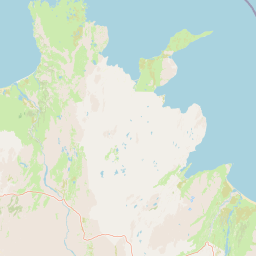
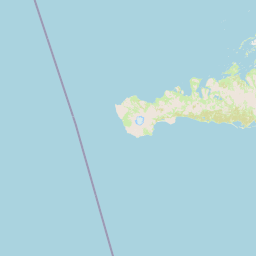
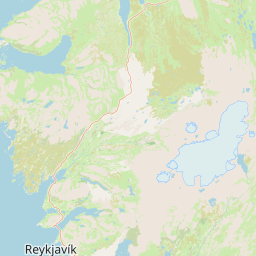
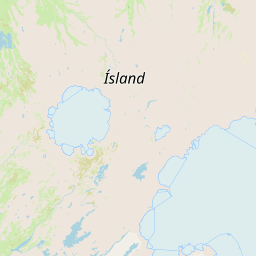
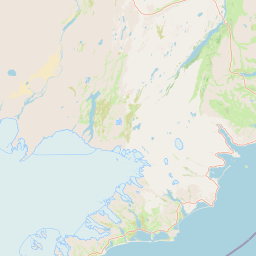
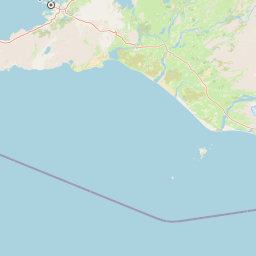
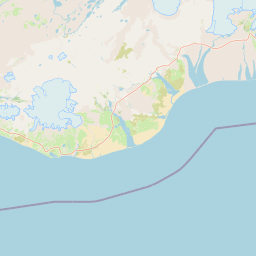
Before arrival, the useful map is not a complete attraction list. It is the relationship between KEF, Reykjavik, the South Coast and your first-night hotel. If the rental-car shuttle does not stop at the terminal doors, or the late check-in entrance is on another side of the building, your first "eight minutes" is no longer sightseeing time. The map below places the endpoints and familiar South Coast points together so you can check direction and escape routes.
Which information really needs another look?
Flights and car rental: Confirm the flight number, baggage allowance, pick-up office, shuttle arrangements, opening hours and the contact method for a delay. Do not save only the first order screen; download whether the hotel can accept a late arrival, whether a code is required and where to enter for parking. If your first-day transport is undecided, use KEF arrival transport to Reykjavik to identify the leg that needs a buffer before you reach the airport.
Roads and weather: Check the sections you will drive on departure day and the following day, rather than treating every colour on an Iceland map as an answer for your trip. If South Coast winds make the last coastal stop unreasonable, remove that stop. If the problem is in the east, protect the final night first. Pair the road-conditions guide with the winter-driving guide to separate "possible to drive" from "sensible to drive today".
Fixed activities: Open each confirmation and check the date, time zone, meeting address, early check-in, fitness or age limits, equipment and cancellation terms. No new message does not mean the booking can be moved freely. If an activity is cancelled, do not buy another product at midnight before checking its meeting point. The ice-cave activity guide brings meeting directions and seasonal conditions back into the accommodation decision.
Which things should you test instead of buying again?
| Item | Final test | What to do if there is a problem |
|---|---|---|
| eSIM | Confirm installation, activation, roaming settings and that offline maps open | Save the QR code, activation details and supplier support link; do not buy three cards because the signal has not connected yet |
| Luggage and clothing | Put the waterproof layer, shoes, charger and medication where you can reach them, according to the activities | Remove duplicates and keep dry clothes and warm layers; do not replace a check with emergency shopping |
| Accommodation | Confirm the address, check-in method, parking, breakfast time, cancellation deadline and phone number | Contact the property first; rebook only if you cannot stay or the route has a hard-time conflict |
| Insurance and payment | Save the policy number, a backup card, PIN or contactless settings and emergency contacts offline | Check the cover and excess; do not buy the same protection again out of anxiety |
Do not overturn the whole trip at the airport
If the road information limits one section, first ask whether that section is on your actual route. If a hotel price has changed, ask whether the original room still solves late arrival and the next day's exit. If you see a new activity, ask whether its meeting point would consume the buffer around something already paid for. In the final two days, the costliest mistake is not necessarily paying for one extra night; it is turning an executable route into four unconfirmed alternatives.
You can still shorten the itinerary after arrival if conditions require it, but do so in order: remove free stops first, shorten sightseeing time next, and consider changing accommodation last. If the first and final stays already protect the flights, there is no reason to rebook everything because one middle attraction is not possible. That is the key rule in the rain-day rerouting method that protects your stays: keep nights that can be recovered, let the weather change today without dragging the next six days with it.
Q&A | Six questions to ask 48 hours before departure
There is no new road warning. Do I still need to check?
Yes. Check the sections you will drive and the first leg of the following day; no warning does not remove the need to adjust for wind, visibility and fatigue. Once checked, keep one shorter version and stop refreshing the page all night.
The activity confirmation has not changed. Should I contact the supplier again?
Usually not. Confirm the date, meeting address, early check-in and cancellation terms. Contact the supplier directly only if the information conflicts or you expect to arrive late.
My eSIM will not connect at home. Should I buy another one immediately?
First check installation, activation, phone support and roaming settings, and save an offline map. If the issue remains, follow the supplier's support process; do not buy several plans before you know the cause.
I found a cheaper hotel before departure. Should I switch?
Only if the original room cannot be used, its cancellation terms conflict with a fixed part of the route, or the new room materially improves door-to-door timing. A price change alone does not offset the risk of reconfirming everything.
Should I cancel the entire Ring Road in winter?
Check the day's roads and your actual sections first, then assess whether the route can be shortened, whether base nights remain available and whether you still have an escape route to the final night. Winter often calls for a different pace; it does not automatically invalidate every route.
What should I remove first in the final 48 hours?
Remove the furthest, most weather-sensitive stop that has no fixed booking. Do not remove the final night, the stay before a meeting point or the buffer before the airport as your first move.
References
Flights, roads, weather, activities and accommodation change with the date. This page sets a recheck order; it does not replace the confirmations you need on departure day.
- Icelandic Road and Coastal Administration | Road conditions: current road status.
- Icelandic Met Office | Weather forecasts: forecasts and warnings.
- SafeTravel Iceland: self-drive and activity safety checks.
- Keflavik Airport: terminal, arrival and airport-process background.
- © OpenStreetMap contributors: the base map used for the location figure.
- Image credits and licensing information are listed in Image credits and licensing.