
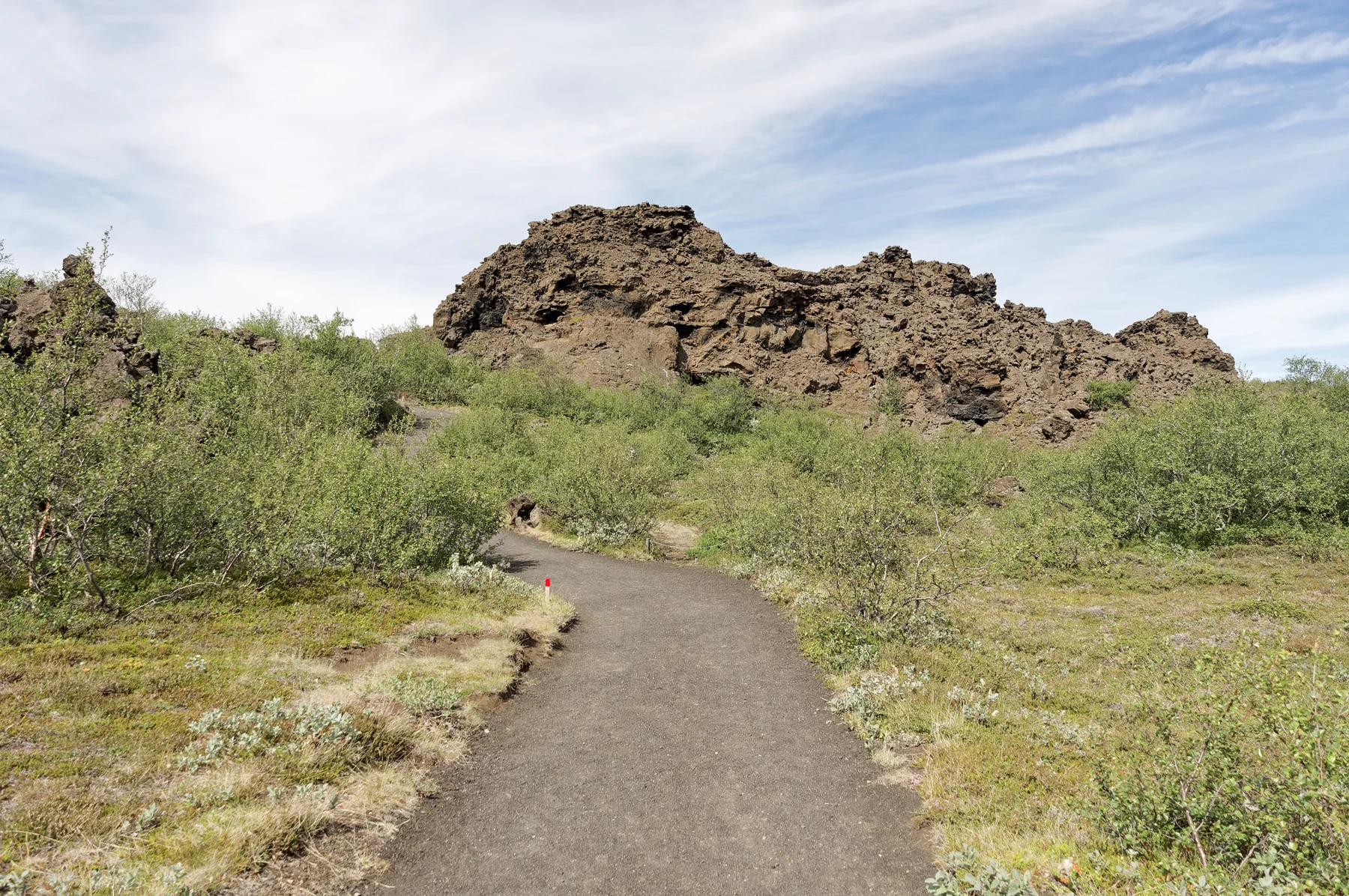
NORTH ICELAND · DAY-OF CHOICES
A grey forecast does not automatically cancel a Mývatn day. It does change the size of the decision. Road conditions, exposed ground, fixed meeting times and tonight’s bed all matter alongside the rain. Use the checks below to decide what remains sensible that morning.
ICENAVI DAY-OF FIT · MÝVATN WEATHER
It’s not about finding a “dry” spot; it’s about finding a stop you can bail on
Scores reflect weather data availability, ease of withdrawing from a stop, walking/ground risk, fixed-time conflicts, and next-day fallback options. This is not a real-time safety judgment, nor a guarantee of operational or road status.
Keep short stops or fixed-time slots that you can leave at any moment; decide later whether to add uphill hikes, long drives, or cross-region travel.
The Mývatn station, NE regional text forecasts, and road authority pages answer different questions. You need all three—rain, wind, visibility, and road status—combined to make a call.
A short Dimmuborgir loop or a confirmed time slot can be stopped mid-way. Once you start the Hverfjall crater loop or a long drive, the cost of turning back is much higher.
The north side of Hverfjall involves ~500m of ascent and ~80m elevation gain; the crater loop is ~3.3km. Rain and wind turn those numbers into stamina and return-trip problems.
Húsavík boat departures, bath time slots, and the next check-in time don’t wait for the rain to stop. Check-in deadlines always take priority over extra sights.
Skipping one stop might save your Mývatn overnight, your resupply, and tomorrow’s eastbound drive. A fallback isn’t a failed itinerary; it’s part of the choice.
Read the route’s weakest link, not just the rain icon
The Icelandic Meteorological Office lists the Mývatn automatic station as a key observation point in the Northeast region. It’s great for telling you what’s happening near the lake, but it won’t give you the same answer for the Hverfjall ridge, the steam at Hverir (Námaskarð geothermal area), the access roads 862/864, or the Húsavík boat schedule. In the morning, check the NE regional text forecast and the Mývatn station first, then open the road authority page for the specific segments you’ll actually drive. Only when both sources look reasonable should you decide how much of the original itinerary is still worth keeping.
Don’t just copy the “rainfall amount.” Put average wind speed, gusts, visibility, and rain timing on the same line: a short ground-level loop might just be a jacket issue, but the Hverfjall ascent and crater rim will turn gusts into a return-trip problem. This page doesn’t set a fixed km/h threshold for all terrains, because exposed ridges, designated geothermal paths, and wind-exposed roads are different. When gusts rise and visibility drops simultaneously, downgrade high-exposure trails—don’t wait for rainfall to hit zero to admit the weather has changed. No outdoor spot has a universal “open hours” that replaces on-site judgment; baths and boats have fixed slots, but trails depend on daily notices, junctions, and ground conditions.
This order may sound like an extra step, but it prevents avoidable mistakes. Rain doesn’t necessarily ruin a short stop; if the wind, visibility, roads, or operator guidance changes, however, a long drive postponed until later in the afternoon is no longer worth forcing. How to read the Iceland road conditions site explains the separate roles of road status, update times, and navigation. Read that first, then decide whether a longer drive still belongs in today’s plan.
ICENAVI · Mývatn Rain & Wind Keep/Drop Table
Keep one reliable stop and postpone the exposed kilometres
| Current Situation | Still Worth Keeping Today | Re-check Before Paying or Departing | Don’t Force Yourself to Complete |
|---|---|---|---|
| Roads normal, just rain / short gusts | One short, marked lake-area stop; or a pre-confirmed bath time slot | Trail entrances, booking terms, and your next check-in time | Full crater loop + long drive to Dettifoss |
| Wind, visibility, or group comfort makes outdoor stops unpleasant | Tonight’s stay, resupply, and a short stop you can bail on anytime | Text forecast, road page, and operator messages | “We’re already here” pressure to add another route |
| 862/864 or next road segment has warnings, restrictions, or closures | Stay at your established base; let tomorrow’s direction decide | Real-time road data, rental terms, next night’s cancellation policy | Treating Dettifoss as the final stop of a Mývatn afternoon |
| Húsavík boat or other fixed meeting is still on the itinerary | Meeting time, check-in deadline, sea-state backup, and post-boat stay | Actual times on voucher and supplier notices | Squeezing in a non-negotiable walking theme before/after the boat |
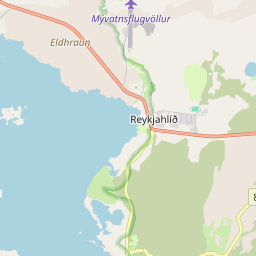
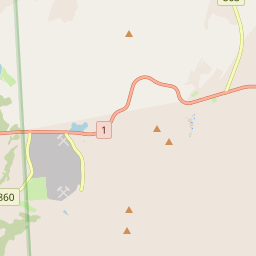
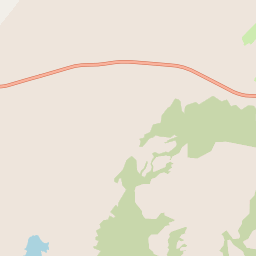
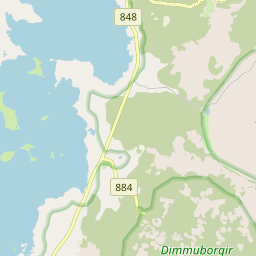
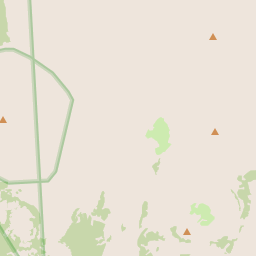
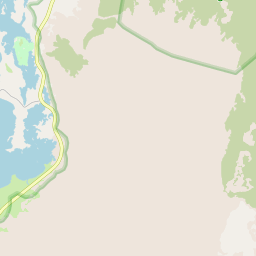
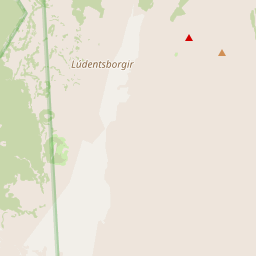
Four Mývatn locations, four different weather commitments
This map uses a local OpenStreetMap base and public coordinates to place Dimmuborgir, Hverfjall, Hverir, and the Mývatn Nature Baths in the same lake area. It’s not a weather radar, and it doesn’t draw fake “rainy-day routes”; it has one purpose: when you shrink your itinerary, see clearly whether you’re keeping a short stop, an uphill hike, a designated geothermal path, or a time-slot booking.


Geothermal colour survives grey skies, but the ground still demands care
Hverir can look striking on a grey day: geothermal features, mud pots, and sulfur colors do not depend on blue skies. But it should not be presented as a universal “just go in the rain” answer. Visit Mývatn lists this as a high-temperature geothermal area and explicitly requires visitors to stay on designated routes; in bad weather, dodging crowds or stepping off the path for a photo is not an option.
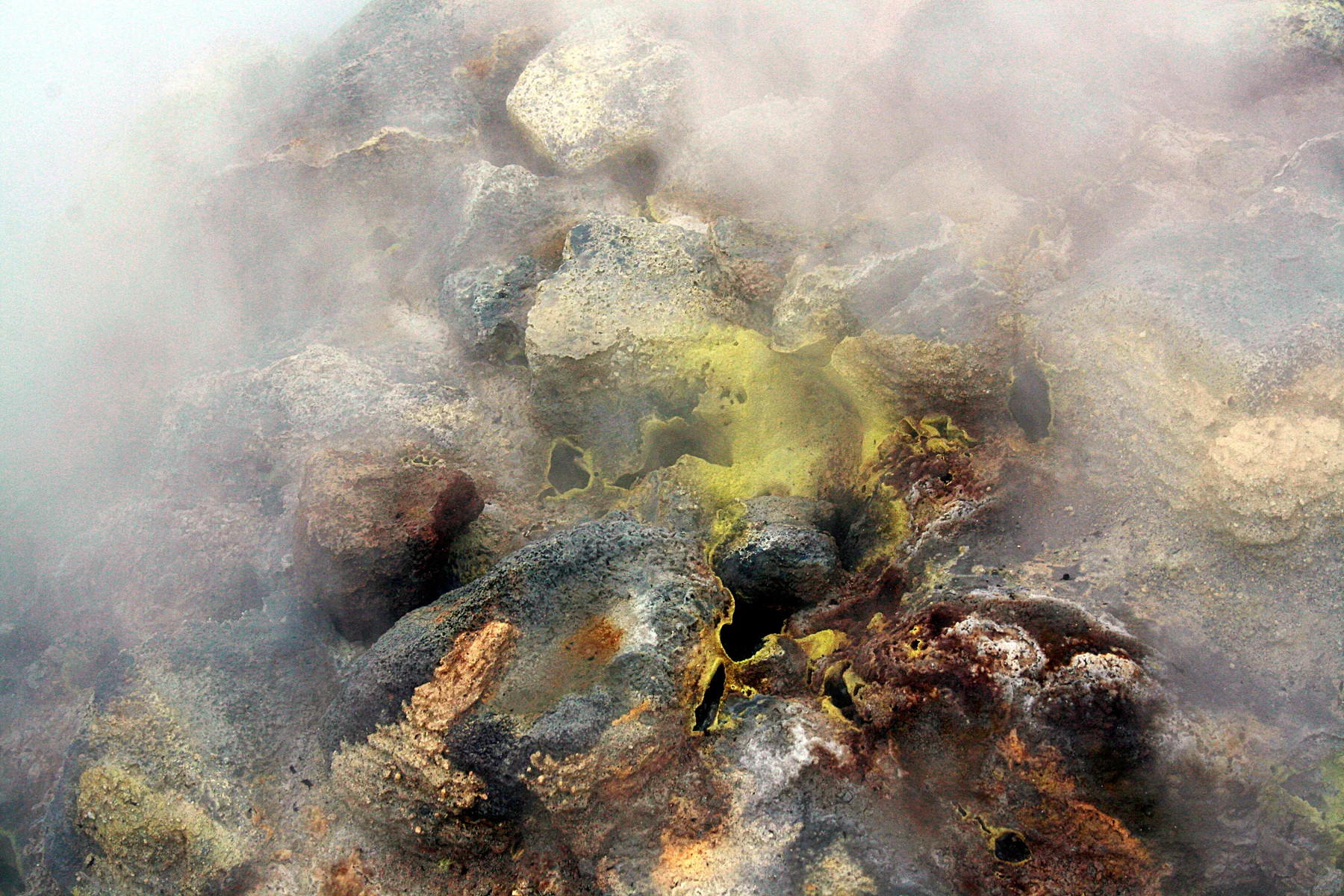
If you simply want one worthwhile Mývatn stop despite the weather, I’d choose either Hverir or Dimmuborgir rather than forcing both into the same damp afternoon. At Hverir, stay on the designated route and keep it to a focused geothermal stop. At Dimmuborgir, let the marked trail and your group’s comfort determine when to turn back. This keeps wet jackets, repeated trips in and out of the car, and the drive to your next address from turning every stop into a rushed group photo.
Hverfjall’s crater loop is a poor place to spend a wet afternoon
Official lake-area trail data lists the north-side climb from the Hverfjall car park as roughly 500m long, with about 80m of elevation gain, and the crater loop as roughly 3.3km; the south side is steeper, with loose sand. The figures show the time and stamina hidden by the phrase “the crater is nearby.” If it’s windy or rainy and only one person still wants to climb, don’t leave everyone else waiting in the car or assume tonight’s check-in can simply slide later.
In contrast, Dimmuborgir has multiple marked routes; the smallest loop on the official map is ~570m, with longer church loops and extended trails. A short loop doesn’t guarantee wind-shelter or dryness; its value is just that when you don’t want to give the whole afternoon to walking, you still have an option you can bail on mid-way. If you want to walk the lake area more completely on a good day, How to plan Mývatn sights breaks down geothermal, lava, crater, and Dettifoss into different loads; don’t move that sunny-day ambition into today’s rain.
Do not build the eastbound drive around a brief lighter spell
Dettifoss isn’t a bonus question after Mývatn weather improves. West bank 862, east bank 864, rental terms, access walking, and whether you stay in Mývatn or Askja tonight are already different decisions; rain or wind just makes them less suitable to be compressed into “it’s on the way anyway.” If you really must head toward the waterfall today, use Dettifoss East or West Bank to check road and walking boundaries first, then return to road authority data for the final call.
People already staying near Mývatn are most likely to force a long drive just to avoid wasting the room rate. I would not force that drive just to justify the room rate. Keeping the night near the lake can leave you with better options tomorrow morning if the roads or weather improve. If there’s also a snowmobile today, Mývatn Geothermal & Snowmobile Same-Day Trade-offs builds the meeting time, equipment and post-activity energy into the schedule, then decides which short stop remains. The comparison in Mývatn, Húsavík, or Akureyri as Base uses tomorrow’s fixed plans to check whether tonight’s base still makes sense; a stay isn’t a punishment for bad weather, it can be the space that lets you avoid a second gamble in the afternoon.
For timed activities, trust the confirmation before the forecast
If Húsavík whale watching, the baths, or another timed activity is already in your itinerary, check the voucher for the meeting time, latest check-in, rescheduling terms, and supplier messages. Rain outside does not make one booking a substitute for another; sea conditions, transport, and operations must each be checked separately. If whale watching is already part of your North Iceland plans, see Húsavík Whale Watching: Stay Overnight or Day Trip to plan around the harbor, post-boat fatigue, and the next day’s direction before choosing a specific named product.
Bad weather doesn’t mean a failed day. A real failure is usually when everyone is already cold and tired, and the itinerary is still demanding everyone prove it was originally packed full. Keep one point you can comfortably complete, eat well, get back to tonight’s bed early; if conditions are good tomorrow, Mývatn will still be there.
ICENAVI · 90-Second Pre-Departure Checklist
Five checks before you turn the key
| What to Open | Ask Only One Question | Which Decision It Changes |
|---|---|---|
| Mývatn station + NE regional text weather | Is today’s real problem rain, wind, visibility, or their combination? | Is today suitable for a short stop, a fixed booking, or a reduced outdoor plan |
| Road authority conditions | Are tonight’s and next segment’s mandatory roads still viable? | Whether to go east, when to return to hotel, if Dettifoss should be dropped first |
| Activity confirmation email | Who notifies check-in and changes, and what’s the latest time? | Can boat/bath stay today, instead of guessing |
| Stay & next day’s first task | If we skip one point today, is tomorrow morning easier to execute? | Is it worth keeping the night in Mývatn and ending the day early for dinner and rest |
| Companions’ current state | Does everyone want to see one place, or are they just not wanting to waste the trip? | Should Hverfjall, long drives, and extra walking immediately disappear from the list |
Related Reading
After scaling back today, where do you restart tomorrow?
- How to plan Mývatn sights: When conditions are better, arrange the lake area by walking load, not just the number of place names.
- Mývatn + Húsavík Guide: Reassess where to stay around whale watching and the next day’s eastbound route.
- Dettifoss East or West Bank: If you still want to keep the long drive, check road access and walking conditions separately first.
More Reading
Don’t let one rainstorm disrupt your whole Iceland trip
- How to adjust an Iceland itinerary in rain: Rework the day around stays, meeting times, and return drives instead of simply looking for indoor sights.
- Iceland Winter Driving: When weather starts affecting the roads, decide whether you should travel at all that day.
Q&A | How to decide on a Mývatn rain/wind day
It’s raining, but the roads are open. Should I stick to the original plan?
No. Keep a short lake-area walk or confirmed fixed activity; move the Hverfjall loop, distant waterfalls, and long-drive add-ons to the “drop” column. Passable roads only mean you can get there, not that the experience is still worthwhile.
Can I still go up Hverfjall in high wind?
Don’t look at rainfall alone. The crater ascent and loop are exposed; wind, visibility, mud or snow, and your companions’ condition can turn a short stop into a risk. Check the day’s trail and safety information before setting out.
I’ve already booked whale watching or the baths. Should I force the drive?
Check organizer notices, check-in times, and cancellation or rescheduling terms first. If road conditions or visibility make the journey uncertain, protecting your stay and fallback plan matters more than adding sights. Don’t let a single rainfall number override operator announcements.
References
- Icelandic Meteorological Office: Mývatn weather station, regional forecasts (Mývatn station, NE regional forecast, and real-time weather check entry; verified 2026-08-31).
- Visit Mývatn: Hiking routes, Official lake-area trail map (Dimmuborgir walking loops, Hverfjall ascent and crater loop, Hverir designated path and protection tips; actual trail conditions subject to on-site).
- Icelandic Road and Coastal Administration: road conditions (Real-time notices for 862/864 and other roads).
- © OpenStreetMap contributors (Localized map base and public location data).
- Hero image: Jakub Hałun/Wikimedia Commons, CC BY 4.0; Geothermal image in text: Hedwig Storch/Wikimedia Commons, CC BY-SA 3.0. ICENAVI only performs cropping, compression, and short label processing.


When weather is viable but nights are limited, see How to split two nights between Mývatn and Húsavík to avoid stacking fixed activities and long drives on the same day.