
Build a waterproof, windproof system around your itinerary
Iceland rewards a proper shell more than a bulky coat. Start with a waterproof jacket that can handle sustained rain, add flexible insulation underneath, and choose trousers and footwear for the places you will actually visit. A city break with short walks needs less specialist equipment than a waterfall route, an ice-cave visit or a day beside a black-sand beach.
Check the forecast and road conditions before leaving, then adjust the layers you carry in the car or day pack. Renting specialist activity gear can make sense for a single excursion; buying a dependable shell is easier to justify when you will walk outdoors on several days. No jacket replaces sensible decisions in exposed weather, so use official driving and weather information before setting out.
ICENAVI WEATHER GEAR · OUTERWEAR FIT
How well does this outerwear approach fit an Iceland trip?
These editorial scores describe the practical fit of a waterproof shell and layered system for common Iceland plans. They reflect weather protection, comfort, ease of use and the difference between a city base and exposed activities.
Look for a stated hydrostatic-head rating, taped seams and a hood that remains useful in driven rain. Those details matter more than a water-repellent finish that may fade with use.
A closeable hem, adjustable cuffs and a hood that stays put reduce the effect of gusts. Windproof fabric also makes a lighter mid-layer feel more useful on exposed viewpoints.
A shell that packs down, dries overnight and works over different layers is useful when plans change. Pockets that close securely are helpful when moving between the car, a viewpoint and a short walk.
Waterproof boots with a reliable sole are a sensible baseline for wet paths and uneven ground. Specialist crampons or other technical equipment should be handled according to the activity provider's instructions.
Separate base, mid and outer layers are easier to adapt than one heavy garment. Pack a spare pair of socks and leave room for layers to come off when a sheltered stop feels warmer.
The system scores well because it handles rain, wind and changing plans without forcing every traveller into technical gear. Its limits appear when an excursion requires equipment beyond ordinary outerwear.
For a short city stay, a waterproof shell, warm middle layer and shoes with dependable grip cover most transitions between cafés, museums and outdoor stops. A longer drive brings more exposure, so keep extra layers, dry socks and gloves within reach rather than buried in luggage.
| Trip plan | What to pack | When conditions change | Why it matters |
|---|---|---|---|
| Waterfall route with spray | Waterproof shell, rain trousers and a warm layer | Keep the shell on near spray and add insulation when you stop | Wet rock and moving water can soak clothing quickly, even on a mild day |
| Black-sand beach and coastal wind | Windproof shell, warm mid-layer and waterproof footwear | Fasten the hood and cuffs before reaching the open shore | Wind can make a cool beach feel much colder than the forecast suggests |
| Ice-cave or glacier activity | Waterproof outer layer, secure boots and activity gear | Follow the guide's equipment and clothing instructions | The surface, temperature and safety requirements differ from an ordinary walk |
| City base with changing weather | Light shell, flexible layers and comfortable waterproof shoes | Carry the shell rather than relying on a clear morning | A compact system works across Reykjavík streets and short outdoor stops |
Start with the weather your route will expose you to
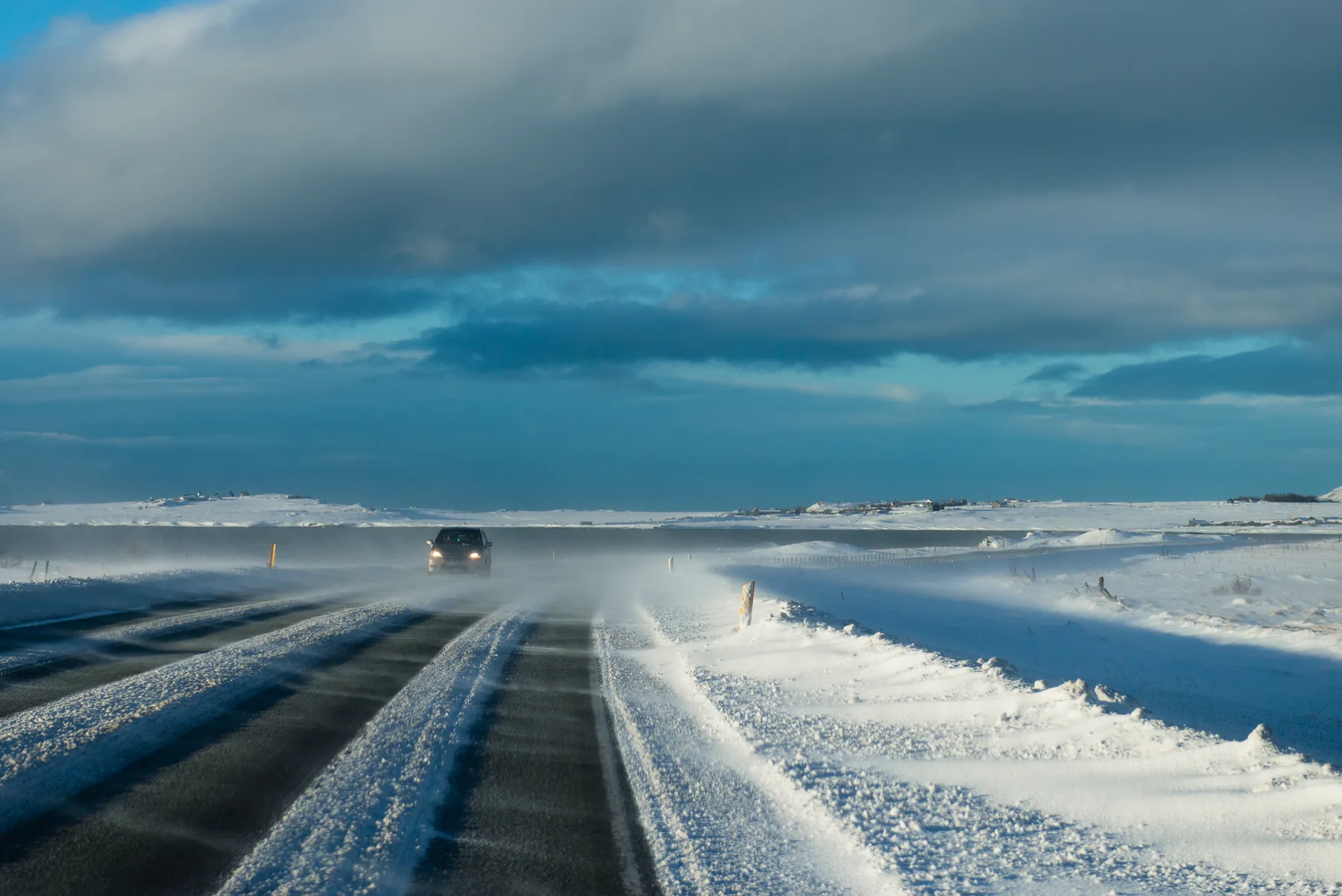
Iceland's weather can change while the distance between two stops looks short. A shell that protects against rain and wind gives your base layer a chance to stay dry, while a breathable mid-layer helps when you move between the car, a viewpoint and a walk. Check the road forecast before driving and keep the day's outerwear accessible.
Iceland winter trip planning adds the wider packing and route context: your clothing decision should follow the season, daylight and stops on the actual itinerary.
| Situation | Outerwear choice | Key detail | Common mistake |
|---|---|---|---|
| Rain near a waterfall | Waterproof shell with a hood | Keep the shell closed before the spray reaches you | Assuming a quick walk means rain protection is unnecessary |
| Wind on an exposed coast | Windproof shell over insulation | Adjust cuffs and hem so gusts cannot lift the layer | Choosing a soft jacket that lets wind through |
| Wet ground on a walk | Waterproof trousers and grippy boots | Protect the lower leg and check the sole before leaving | Wearing casual shoes on slick or uneven paths |
| Cold activity with a provider | Technical outer layer as instructed | Confirm what the tour includes before packing | Assuming ordinary clothing replaces supplied activity gear |
Waterproof does not mean one heavy coat
A layered system gives you more control than a single thick garment. The base layer manages moisture, the middle layer adds warmth and the shell blocks wind and rain. Choose pieces that leave enough room to move without creating gaps at the neck, cuffs or waist.
For a summer trip, the shell may spend more time in your day pack than on your body, but rain and wind can still arrive at an exposed stop. In winter, warmth, visibility and dry spare layers deserve more attention, especially when a self-drive day depends on changing road conditions.
ICENAVI · OUTERWEAR DECISION
Use your least sheltered planned stop to set the clothing standard
Look at the most exposed activity on the itinerary, then check what the operator provides and what you must bring. If the day combines a coastal viewpoint, wet ground and time outside the car, choose a shell and footwear that cover all three rather than dressing only for the city.
Once the outer layer is chosen, test the whole system before travel: zip the shell over your warmest planned mid-layer, check that the hood does not block your view, and make sure pockets remain usable with gloves. This takes less space than packing several unsuitable coats and makes it easier to respond when the forecast changes.




Driving changes how you should pack outerwear
A self-drive itinerary keeps you moving between sheltered and exposed places. Store a waterproof layer, warm hat, gloves and spare socks where they can be reached without unpacking the boot. The Iceland winter driving guide covers the road-side decisions that sit alongside your clothing plan.
One practical check is to review the forecast and road conditions before the first departure, then again before a longer leg. The Iceland road-trip planning guide helps connect stops, driving time and clothing changes so a wet detour does not become a packing problem.
Choose the season before choosing the weight
Season affects daylight, temperature and the amount of time you may spend outside, but it does not remove the need for rain and wind protection. The best time to visit Iceland guide gives the seasonal context; use it with your route and activities rather than selecting a coat from the month alone.
Blue Lagoon is a different clothing case from a windy viewpoint: you may need a dry change and a bag for wet swimwear, while the approach and transfer still call for ordinary protection. Think through the full sequence of the day, including time beside the vehicle and any walk before or after the main stop.
A practical ICENAVI planning tool
Use the itinerary as the filter for every clothing decision. Mark the stops that involve spray, open wind, wet ground or specialist equipment, then build the lightest combination that covers them. This keeps a city-focused trip comfortable without leaving an activity day under-equipped.
For each day, note the outer layer, insulation, lower-body protection, footwear and any gear supplied by a provider. A small checklist prevents you from carrying a duplicate coat while forgetting gloves or a dry base layer. Recheck it when the route, season or activity changes.
Five checks before you leave for Iceland
- Check the forecast and road information for the exact route, then choose the outer layer for the most exposed stop.
- Try the shell over the mid-layer you plan to wear and confirm that your hood, cuffs and pockets still work.
- Pack waterproof trousers, gloves and spare socks if the day includes spray, open wind or wet ground.
- Ask an activity provider what footwear and technical equipment are included, required or unsuitable.
- Decide whether renting or buying is sensible for the number of outdoor days you have planned.
A few minutes spent matching clothing to the itinerary can prevent a small weather change from cancelling a stop. Keep the system accessible in the car, watch for updated conditions and make a clear call when an exposed route no longer fits the day's weather.
What to do when the weather changes during the day
Start with the forecast and the conditions you can see at the next stop. Add the shell before rain arrives, close the hood and cuffs before the wind strengthens, and change wet socks before continuing. If visibility or road conditions deteriorate, revise the route instead of treating clothing as a solution to a wider safety problem.
Warm layers are easiest to manage when they are separated and dry. Keep a spare base layer in a waterproof bag, take off insulation in a sheltered car or café, and avoid packing damp clothing where it will stay compressed. If an activity guide changes the plan, follow that instruction and use the supplied equipment as directed.
Q&A: common Iceland outerwear questions
Is a waterproof shell enough for an Iceland trip?
It is the starting point, not the whole system. Pair it with insulation, lower-body protection and footwear suited to the route, then add specialist gear when an activity provider requires it.
Should I wear a heavy coat for a self-drive day?
A layered system is usually easier to adjust between the car and exposed stops. Carry the shell, warm mid-layer and accessories where you can reach them, and check the forecast and road conditions before driving.
What should I wear for an ice-cave or glacier activity?
Follow the provider's instructions. You may need warm, waterproof layers and secure footwear, while some technical equipment is supplied or managed by the guide. Confirm the details before the day.
Can one outerwear system work in summer and winter?
The same shell can serve across seasons, but the insulation, accessories, daylight and spare dry layers will change. Build around the actual route and activity rather than expecting one identical packing list.
References
- SafeTravel Iceland · Driving · Official guidance for driving conditions and route decisions.
- Icelandic Met Office · Weather forecasts and warnings for planning outdoor time.
- Visit Iceland · What to wear · Visitor guidance on clothing for Iceland's conditions.
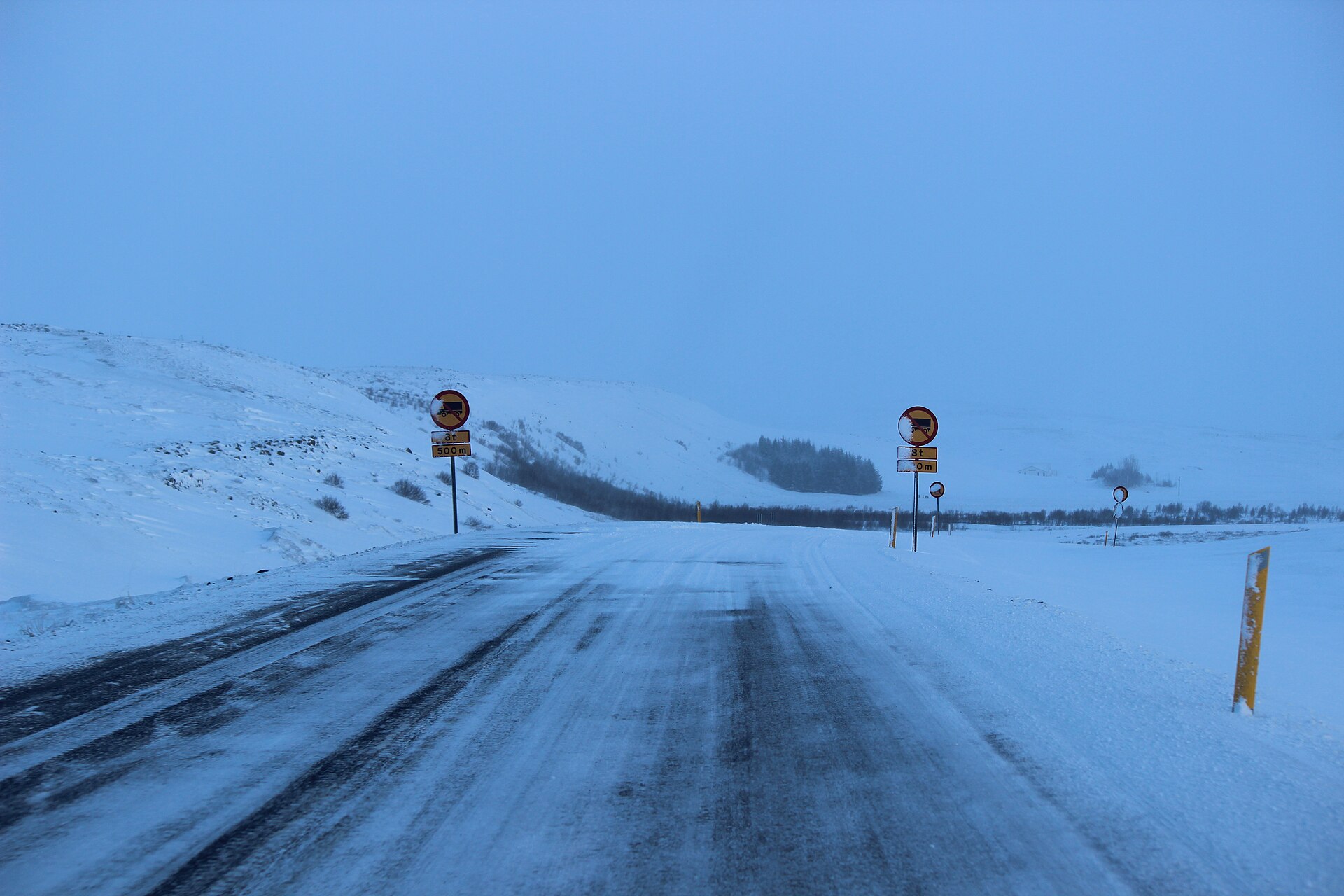
- Cover image: Wiki.cullin via Wikimedia Commons, CC BY-SA 4.0. The image shows an Iceland road landscape used to illustrate changing travel conditions.