
Use the Midnight Sun to Extend Stays, Not Daily Driving
White nights are best used for flexible photography, relaxed dinners, and backup plans—not for pushing driving into the late night. When planning a Ring Road trip, set your "end-of-day" line based on tomorrow's activity check-ins, hotel arrivals, and driver condition. Then, fill the gaps between major sights with the extra light. "It's still bright" is not a safety justification for a third remote detour.
ICENAVI SUMMER ROUTE · MIDNIGHT SUN FIT
Does the White Night Add Calm, or Just More Fatigue?
Scores measure how well daylight, sleep, daily pace, fixed activity times, roads, and backups align. This is not a summer or route rating; always prioritize official road, weather, and supplier updates for your specific departure date.
Long daylight from June to August allows for looser stops, but it only adds visible time, not the minutes needed for parking, fueling, dining, and check-ins.
Bright nights make "one more stop" tempting, but tomorrow's fatigue and early check-ins don't disappear. Solo drivers should prioritize sleep before setting the end-of-day line.
White nights suit extending one major stop, not stacking long drives, frequent hotel changes, and a third detour in one day. The end-of-day line should be back-calculated from the next stop.
Ferries, whale watching, glaciers, and spas have fixed times. Use white nights for post-activity walks, not to compress pre-activity travel buffers.
White nights don't cancel out wind, rain, road closures, or fatigue. True flexibility requires indoor activities, city walks, or short hikes as backups.
When end-of-day lines, sleep, check-ins, and indoor backups are clear, white nights add calm. If you're just delaying driving, you're borrowing tomorrow's energy.
Light Gets Longer, Routes Don't Get Shorter
From June to August, Iceland's nights can still hold long twilight. What you see at a waterfall parking lot isn't "extra time"—it's an option easily mistaken for free: shoot a bit longer, drive a bit more, find dinner after checking in. Navigation only shows wheel-turn time, not the time for parking, fueling, drying wet jackets, waiting for companions, or straightening the car. White nights make these costs invisible, not nonexistent.
I define a "done" day by three things: the car is parked, luggage is unpacked, and tomorrow's essentials are within reach. Checking off a "sights list" isn't finishing. This boundary seems simple, but it prevents a family from debating at 9 PM, "Since it's still bright, let's go to the next one."
| What to Use White Nights For | How to Use It | What Not to Mask |
|---|---|---|
| Extend One Stay | Let black sand beaches, lakesides, or town walks happen without rushing before dusk | Chaining four scattered parking lots into one "on-the-way" stop |
| Keep Photography Flexible | Wait 10–20 minutes for cloud changes, don't rush to the next stop | Delaying fixed check-in times to wait for one photo |
| Handle Weather Changes | Keep removable short hikes for the afternoon, adjust based on wind/rain | Using white nights as a reason to keep driving after road warnings |
| End Driving Earlier | Arrive at accommodation, eat, charge, organize gear, stabilize the next day | Replacing fatigue judgment with "it's not dark yet" |

Draw a Line Where You Stop Moving Tonight
This line isn't always 8 PM, and it isn't the same every day. It should be back-calculated from the first non-negotiable thing tomorrow: if you're meeting at Jökulsárlón at 8:30 AM, the previous night's accommodation and road buffer must be in that direction; if you're only shopping in Reykjavik in the morning, you can keep the city evening looser. If you don't write down the next stop every day, white nights will decide for you—and they'll always choose "a bit further."
If one person is driving the whole trip, I’d put photos and sights before the end-of-day line, not push the line back. Having two drivers doesn't mean infinite extension: handovers require a safe parking spot, and the second driver must be alert, not just waking up in the passenger seat. To understand when a second name truly provides a backup, see Second Driver Costs and Handover Judgment; SafeTravel treats fatigue as an independent risk, and daylight doesn't rewrite that rule.
ICENAVI · The Real Use of White Nights
When it's still bright at 10 PM, the best next stop is sometimes the hotel.
Use white nights for an unhurried dinner, drying wet shoes, and checking tomorrow's meeting confirmations. This gives you space to handle wind or a slower companion the next day. This isn't shortening the trip; it's ensuring the most worthwhile segment isn't handed over to the last hour's fatigue.
Three Summer Routes, Each Needs a Different White Night
Seven-Day Ring Road:Use white nights to add one truly desired stop per segment on the South Coast and East, not to push daily driving to 8+ hours. First, clarify accommodation work using the Summer Seven-Day Pace Page, then place removable stops in the long daylight.
4–5 Day South Coast:The value of white nights is reducing one back-and-forth between Vík, Jökulsárlón, or Blue Lagoon. If you're still wondering "how many days is enough for Iceland," see Available Nights and Route Scope; light doesn't mean four nights are enough for a Ring Road.
Reykjavik as Base:Converting long daylight into post-day-tour city evenings is often more comfortable for non-self-drive travelers than last-minute car rentals. Start accommodation choices from the Reykjavik Destination Entry, distinguishing between city center walking, port activities, and airport directions.
White Nights Have Three Fixed-Time Commitments
| Fixed-time commitment | Why White Nights Can't Solve It | Itinerary Action |
|---|---|---|
| Activity Check-in | Ferries, whale watching, glaciers, or spas operate on fixed time slots | Stay near the meeting direction the night before; don't add remote sights before activities |
| Hotel Check-in & Dinner | Remote areas' kitchens, reception, and supplies may not be open late | Write check-in time and dinner plan into the daily endpoint |
| Flight/Car Return | Airport processes don't shorten because it's light | Back-calculate the last night from KEF, fueling, and car return processes |
Many summer photos look like afternoon at 9 PM, which is exactly where they mislead itineraries. You're seeing light, not the attention already spent that day. If there's an activity or long drive tomorrow, the most valuable "sight" at night might be ensuring everyone sleeps on time.
Activity Bookings Need White Night Buffer Too
Summer ferries, whale watching, glacier hikes, and highland shuttles usually have check-in times. White nights are great for extending post-activity walks, but not for stretching pre-activity driving. Leave at least time for parking, gear pickup, restroom, and one wrong turn before check-in; "there's still light" can't bring the meeting point closer. If an activity is canceled or rescheduled, a short hike kept for the afternoon is more useful than a paid, immovable remote sight.
If you're placing Blue Lagoon or Sky Lagoon at the arrival/departure ends, back-calculate from flights and transfers; don't treat post-spa long drives as a light finish just because it's bright. For northern whale watching, let Húsavík check-in times decide your accommodation base; white nights let you eat slowly after the boat, but they can't save you from a wrong base's drive time.
How to Know You've Overused White Nights
- You start answering every "add a stop" question with "it's still bright anyway."
- You treat navigation drive time as total time, ignoring parking, fueling, dining, and check-in.
- Tomorrow has a fixed activity, but you haven't written down the latest departure time from the previous stop tonight.
- The driver doesn't want to drive anymore, but companions use photos or ticket prices to demand continuing.
Hit two, remove one remote stop; hit three, end the day at the nearest reasonable accommodation. Don't wait until you can't read road signs to admit the plan was too full. To put this trade-off back into daily numbers, see Iceland Daily Drive Time Account; to handle activity rescheduling, see Rescheduling Without Breaking Stays.
What white nights truly give you is a bit more calm in the same stay: no need to rush out of the car at waterfalls, no need to swallow dinner and leave, and you can wait if the weather clears. It shouldn't become a reason to change hotels every day. If you're locking in summer accommodations night by night, read Which Route Segment Each Night's Stay Should Serve before comparing prices and views.
Q&A | What to Re-check Before Paying for a White Night Itinerary?
Can I delay check-in in June because it's still light?
Don't look at light alone. Remote accommodations have hard limits on reception, dinner, supplies, and check-in times; ask about the latest check-in and dinner arrangements before deciding to extend your stay.
Are white nights suitable for longer daily drives?
White nights only add visible time, not reduce parking, fueling, navigation, or fatigue costs. If there's a fixed activity tomorrow or only one driver, use white nights for one extra stay, not a whole long drive.
How to keep white night benefits when it rains?
Keep short hikes or city walks as removable options, prioritize accommodation, check-ins, and safe end-of-day; white nights are not a reason to cancel out wind, rain, or road warnings.
What's the latest time to end driving in summer self-drive?
There's no universal time for the whole island; back-calculate from tomorrow's check-in, hotel arrival, dinner, and driver mental state. When you start answering every "add a stop" question with "it's still bright," that's the signal to stop.
References
- SafeTravel Iceland: Fatigue and drowsiness (Fatigue, parking, and driver rotation; verified 2026-09-04).
- Visit Iceland: Iceland in June (June long daylight and summer travel context; verified 2026-09-04).
- Visit Iceland: The Ring Road (Context for Ring Road routes requiring multiple days).
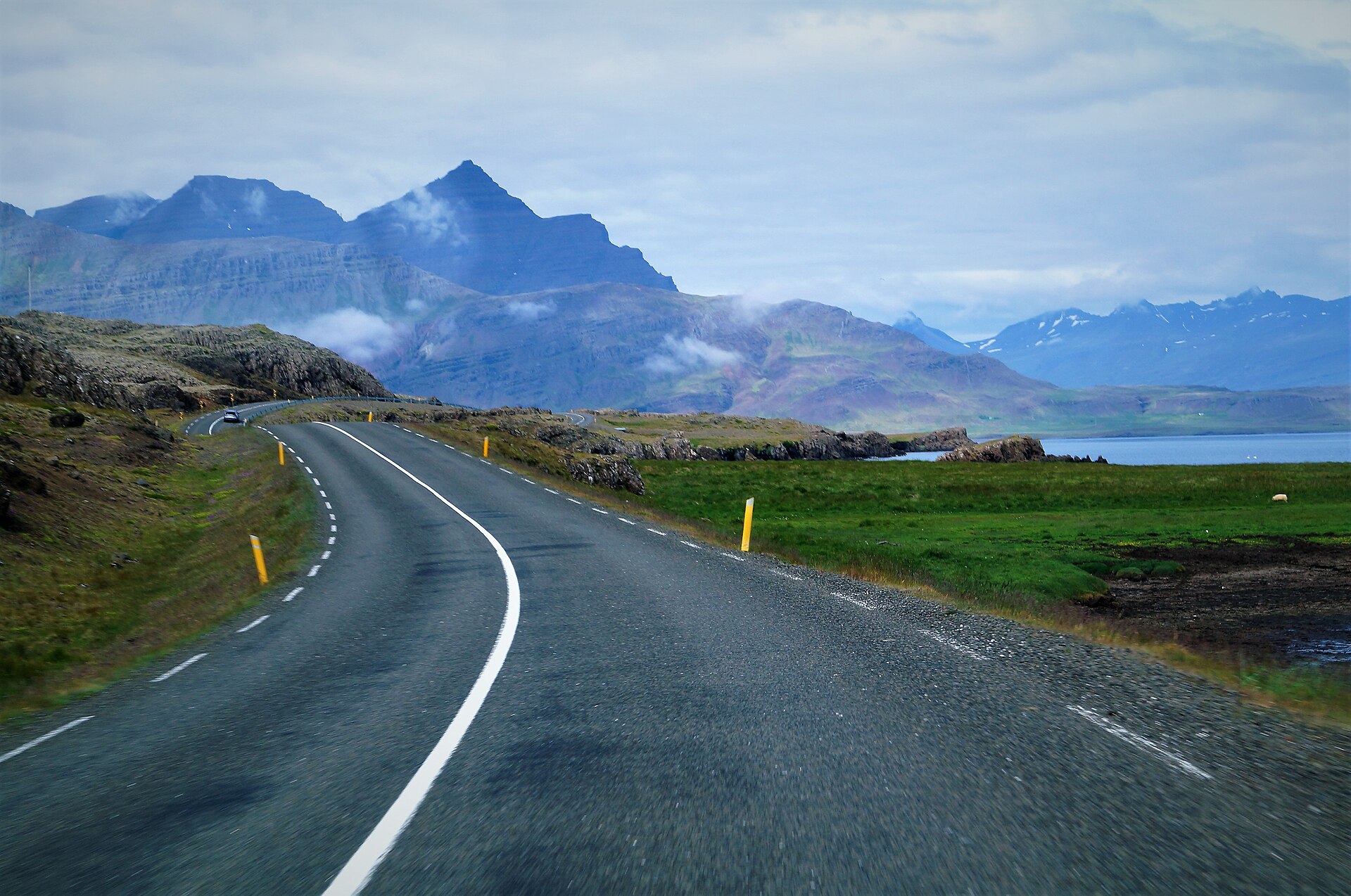
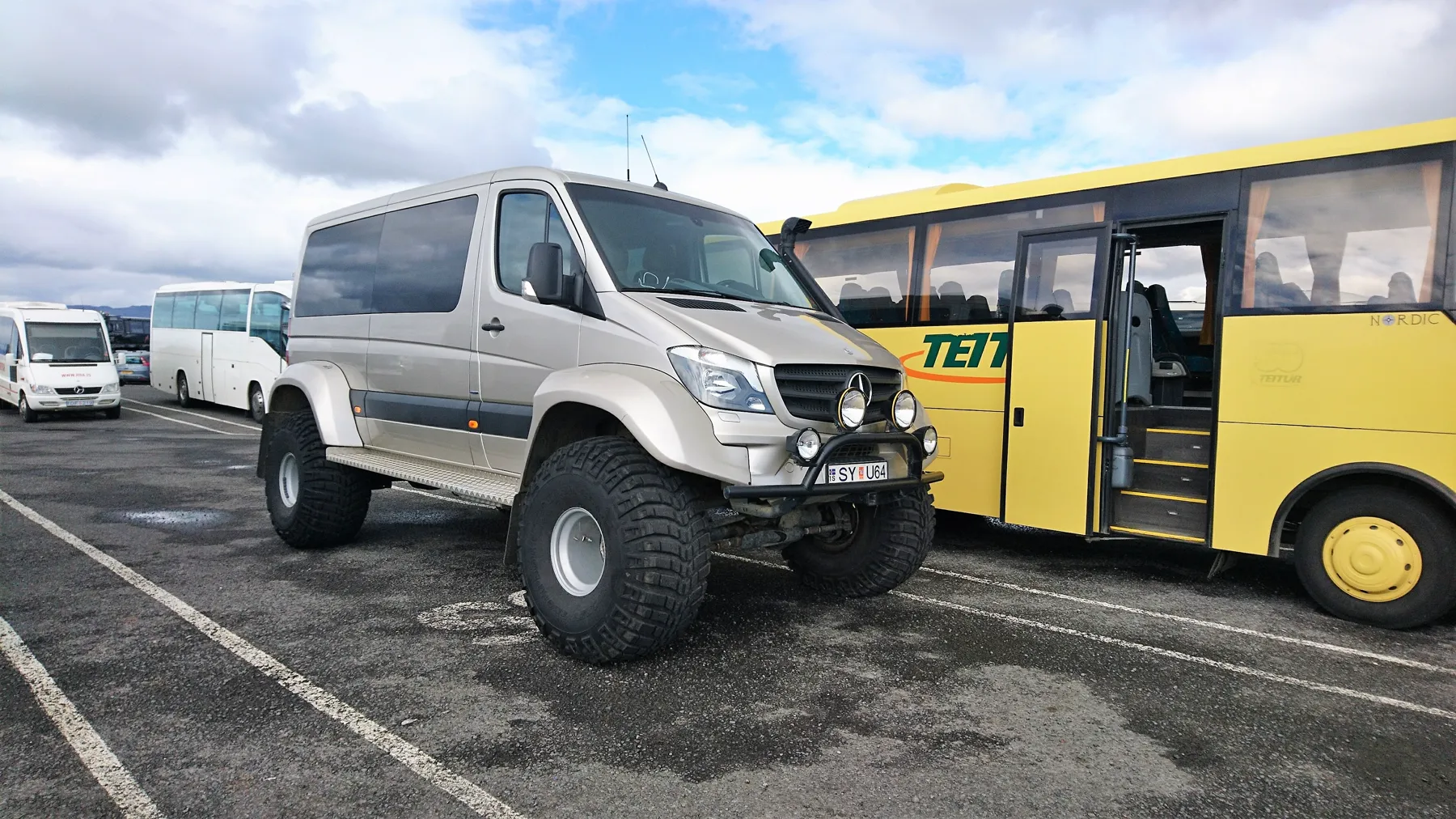
- Alexander Grebenkov/Wikimedia Commons, CC BY 3.0; header image only illustrates eastern mountain road scale, not indicative of any date's road conditions, drive times, or white night visibility.
