
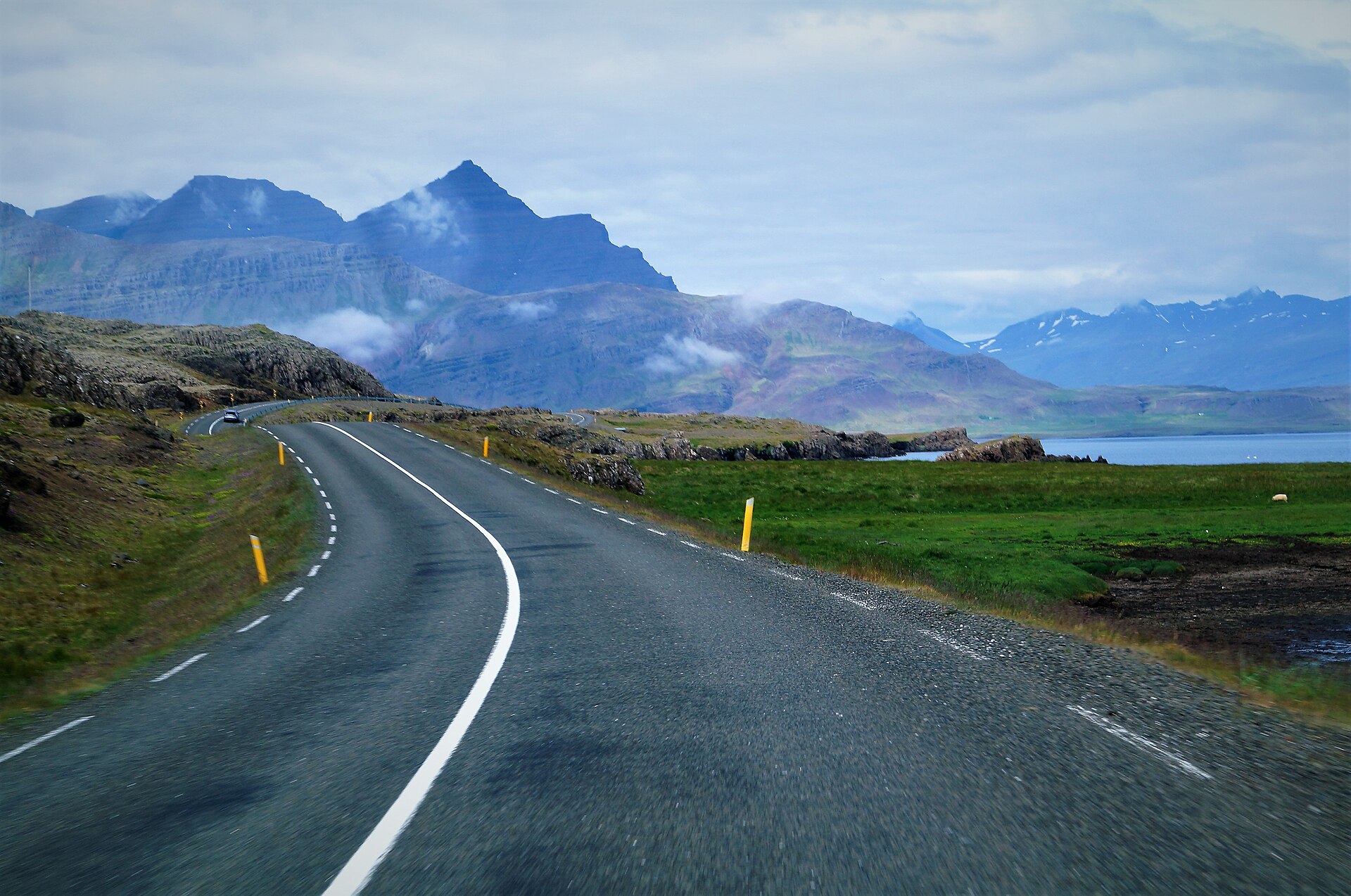
SUMMER DECISION · ICELAND
July does not simply give you more daylight. It puts more activities, more fellow travellers and more "since we're here" decisions onto the same road. A good itinerary leaves room, knows which night cannot move and saves some choices for departure day.
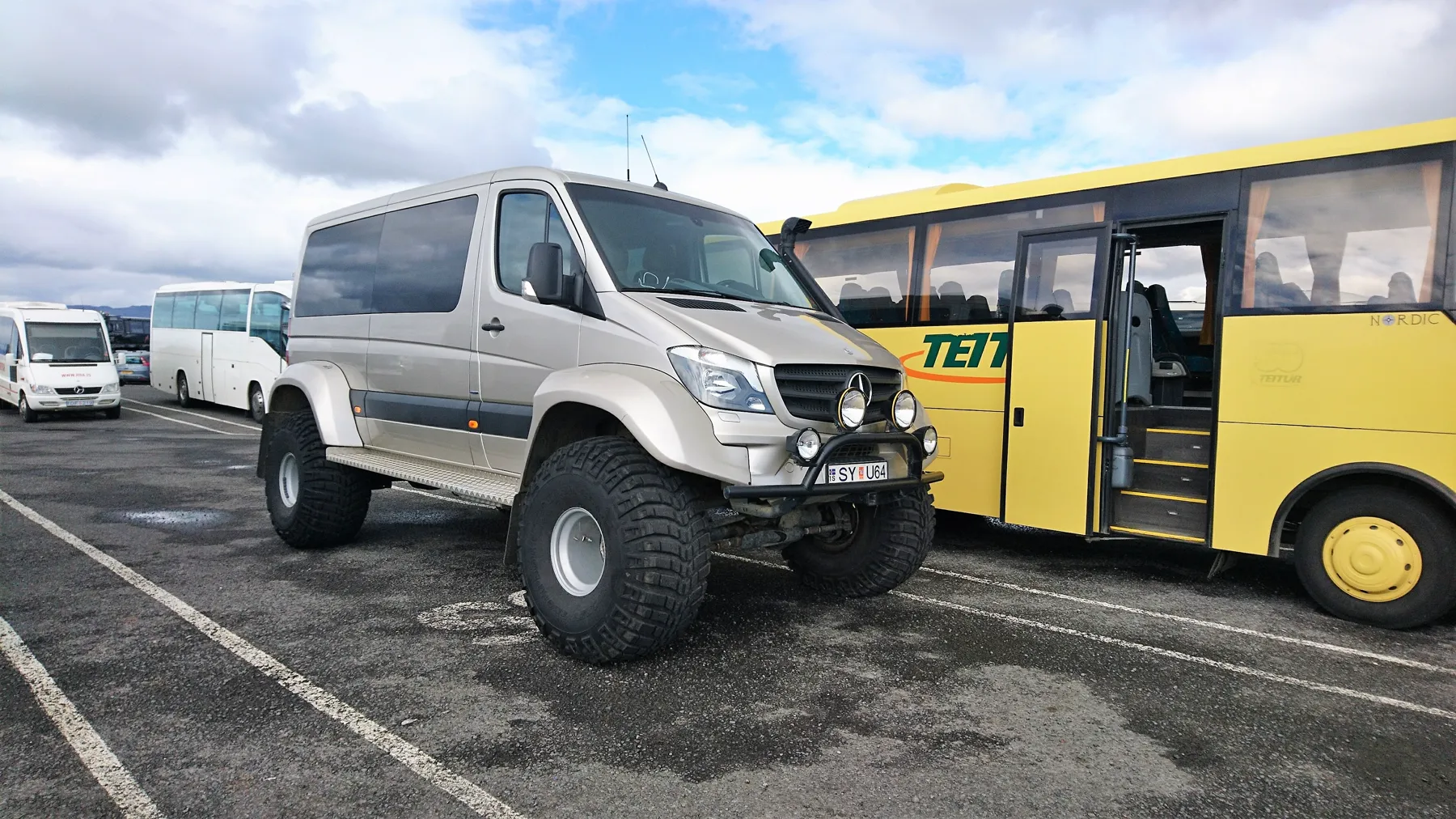
ICENAVI ITINERARY FIT · JULY BOOKING ORDER
Secure the beds first, keep one night changeable
The score weighs peak-season bed supply, fixed activities, route nodes, long-daylight buffer, highland fallback and accommodation flexibility. Recheck rates, cancellation terms, roads and activity rules for your dates.
Popular July regions and the first and last nights offer fewer choices. Secure flight-linked stays and route nodes before adjusting later nights.
A check-in, sailing or activity date determines the night before and the day after. Do not combine it with a long transfer.
The midnight sun can absorb a slow lunch, a queue or a short stop. It cannot make a 10pm check-in a sensible default.
The South Coast, Jökulsárlón/Höfn and North Iceland each consume beds and transfer time. Place the beds first, then add sights.
F-road opening, vehicle type, rivers and weather still need checking on departure day. Add the highlands only with a complete lowland fallback.
Protect beds and fixed activities first, then let one changeable night absorb July crowds, weather and the group's energy.
The easiest July mistake is treating "more choice" as "anything will work"
Summer Iceland looks persuasive on a map: the midnight sun leaves time for a view after dinner, the Ring Road and the highlands both sound possible, and whale watching, Jökulsárlón and walking trips are all on sale. It is natural to pay for every appealing slot first, then discover that Night 4 should be in Höfn and Night 6 in Mývatn is still undecided - while the cancellation terms have already decided for you.
Visit Iceland's official Ring Road material also warns that the Reykjavík-to-Akureyri stretch can be especially busy in July. July works, but "summer should be fine" is not a plan. One more car park, another turn at the fuel pump or a few minutes finding a restroom all land on check-in, dinner and the driver. If you are still deciding how many nights to give the Ring Road, start with how many days a first Iceland trip needs, rather than letting one paid activity define the journey.
Secure what changes your bed locations before the most tempting sights
| Order | Handle first | What it protects | Leave for later |
|---|---|---|---|
| First batch | Arrival night, last night before an early flight, and activities with a clear meeting time | Flights, car return, check-in and sleep do not collide | Treating a flight day as a full sightseeing day |
| Second batch | South Coast, Jökulsárlón/Höfn and North Iceland route-node stays | You do not backtrack for a bed mid-route | Making every night non-changeable |
| Third batch | Cancellable city nights, supply stops and non-fixed day tours | Room for weather, fatigue and the group's adjustments | Locking the whole stretch to save a little |
| Decide on departure day | Highlands, extra detours, long walks and add-ons after sunset | That day's roads, wind and human energy can have a say | Using an old guide to guarantee an F-road is open |
On the map, place the bed nodes before the activity list
In July, choose beds by role, not simply by the midpoint. Reykjavík handles flights and city time; Vík breaks up the South Coast; Jökulsárlón raises the cost of continuing east; Akureyri is another timing anchor for North Iceland activities. The map below compares accommodation roles only. It is not navigation or a same-day road-condition guarantee.
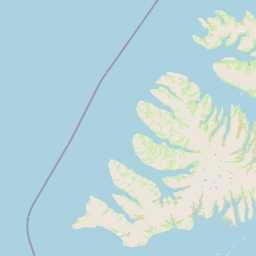
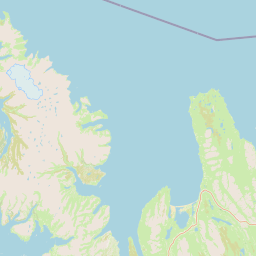
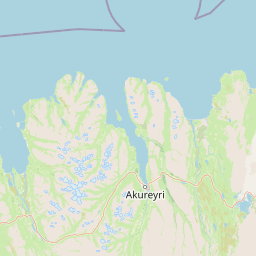
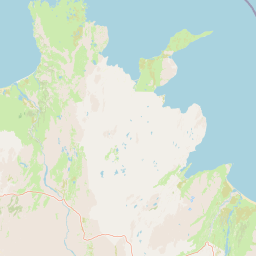
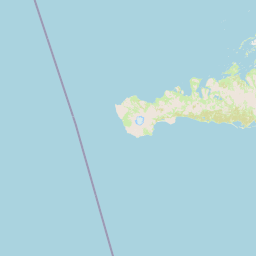
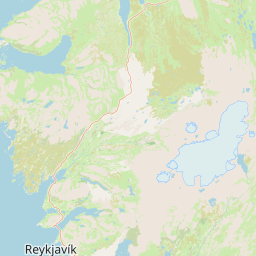
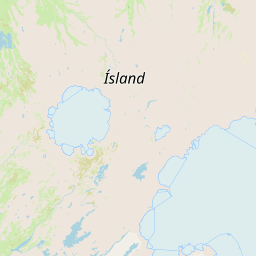
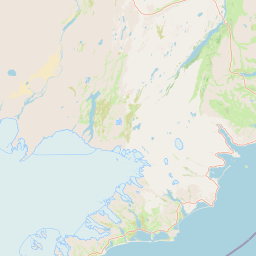
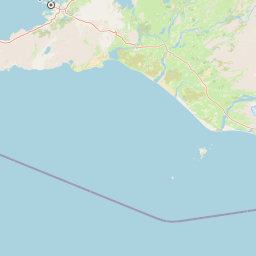
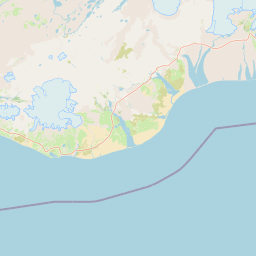
The July road-time ledger: beds fill before sights do
These are planning baselines. They exclude parking, meals, fuel, activity check-in and July same-day crowds; use them to decide which night gets only one long transfer.
| Leg | Navigation baseline | Time to reserve in practice | Cost of delay |
|---|---|---|---|
| Reykjavík → Vík | About 185 km / 2.5-3 hours | 5-7 hours | South Coast activities and dinner move later together |
| Vík → Jökulsárlón | About 190 km / 2.5-3 hours | 5-7 hours | Accommodation choices towards Höfn narrow quickly |
| Jökulsárlón → Akureyri | About 430-500 km / 6-7 hours | 8-10 hours | Do not add a fixed activity or long walk |
| Akureyri → Reykjavík | About 380 km / 4.5-5 hours | 6-8 hours | The final-night and early-flight buffer disappears first |
Before the highlands or a sea activity is confirmed, choose remote stays that can be cancelled or changed. Pair the first and last nights with flights, car collection or return and rest; put non-refundable nights on the main route only after that.
This order completes the first and last nights, places tomorrow's start in the right location and leaves room to compare everything else. The Iceland accommodation night-node plan separates Keflavík (KEF), Reykjavík, Vík and the southeast so you can check whether a booking forces a cross-country move on the wrong night.
The best use of long daylight is absorbing delay
Bright evenings are useful for a walk after parking, a late dinner or a short view after rain. They do not remove motion sickness, car collection, fuelling, wet clothes or a hotel desk. When the afternoon runs late, cut the stop with no check-in time and no effect on tomorrow's bed first. Dinner and sleep still need a boundary.
This is easy to miss in the east. Navigation measures wheels turning, not waiting for oncoming traffic, seeing the sea, buying food or stopping for something hot. The real daily driving-time ledger for Iceland asks whether you still have the capacity to drive the next leg tonight. Let July's light create that space; do not wait until 10pm to discover the answer.
The highlands are a separate set of conditions, not a July add-on
An open season does not make highland roads guaranteed. Road-management information and SafeTravel remain the departure-day answer; rivers, vehicle type, surfaces and weather do not become suitable because you booked nearby accommodation. If the highlands are central, start with whether Iceland's highlands suit your driving plan and what to confirm before an F-road and 4WD trip, then connect the vehicle, nights and fallback.
If the highlands are only a "if the weather is good" idea, keep one changeable night, make a regular South Coast or West Iceland day the main plan, and check official road information on departure day. If you also want an ice cave, whale watch or hot spring, how to separate genuinely scarce peak-season activity dates breaks down spaces, meeting points and refund deadlines before a "nearly full" notice locks the highlands too.
When the question shifts from "what should I book first in July?" to "how far should I drive each summer day?", Iceland summer driving: when to stop turns daylight, road conditions and fatigue into a daily check. Iceland's summer crowd inventory clock separates hotels, fixed activities, ferries and city festivals; the summer accommodation supply clock helps answer which night fills first.
Book fixed activities early, but do not stack them with no air between
Before paying, spread out the confirmations and mark each night, latest check-in, cancellation deadline and the first thing planned next morning. If two confirmations leave only driving time between them, with no room for food, parking, fuel or a sea-condition delay, one should become cancellable. That protects July better than adding another sight.
July sailings, glacier trips and fixed-meeting tours can pin a day neatly in place, but they can also remove every exit. Before each payment, ask: if this tour changes time, runs late or the group is tired, does tonight's bed still work? One flexible night before or after the activity can carry a surprising amount of change.
For a North Iceland whale watch, start with the harbour and the following day's direction; do not put it into the Ring Road spreadsheet because the photos look good. Reykjavík or Húsavík for whale watching separates a city half-day from a North Iceland activity day. Then compare whether Húsavík whale watching merits an overnight stay against the exact sailing times and accommodation trade-off.
ICENAVI · THE JULY BOOKING LINE
Good weather is flexibility you have not sold yet
Let the first and last nights, accommodation nodes and must-do activities stand securely. Do not rush to fill the remaining hours; once you are in Iceland, you will be glad that every evening was not handed away in advance.
If your flight falls in August, the booking logic still applies: ask whether the stretch kept for long daylight has already been occupied by a remote stay, fixed meeting and same-day conditions. Iceland's August commitment board separates those promises so that "there is still light" does not automatically mean "you can drive another leg."
More reading
These pages handle booking order and departure-day road conditions, so you can check each item before paying.
References
- Visit Iceland: The Ring Road (summer Ring Road context, July traffic pressure between Reykjavík and Akureyri, and the SafeTravel same-day information prompt; checked 2026-08-25).
- Visit Iceland: Summer practical information (daylight, the Ring Road, highlands and walking are separate conditions; checked 2026-08-25).
- Icelandic Road and Coastal Administration: Road conditions, SafeTravel Iceland (same-day checks for roads, alerts and highland access).
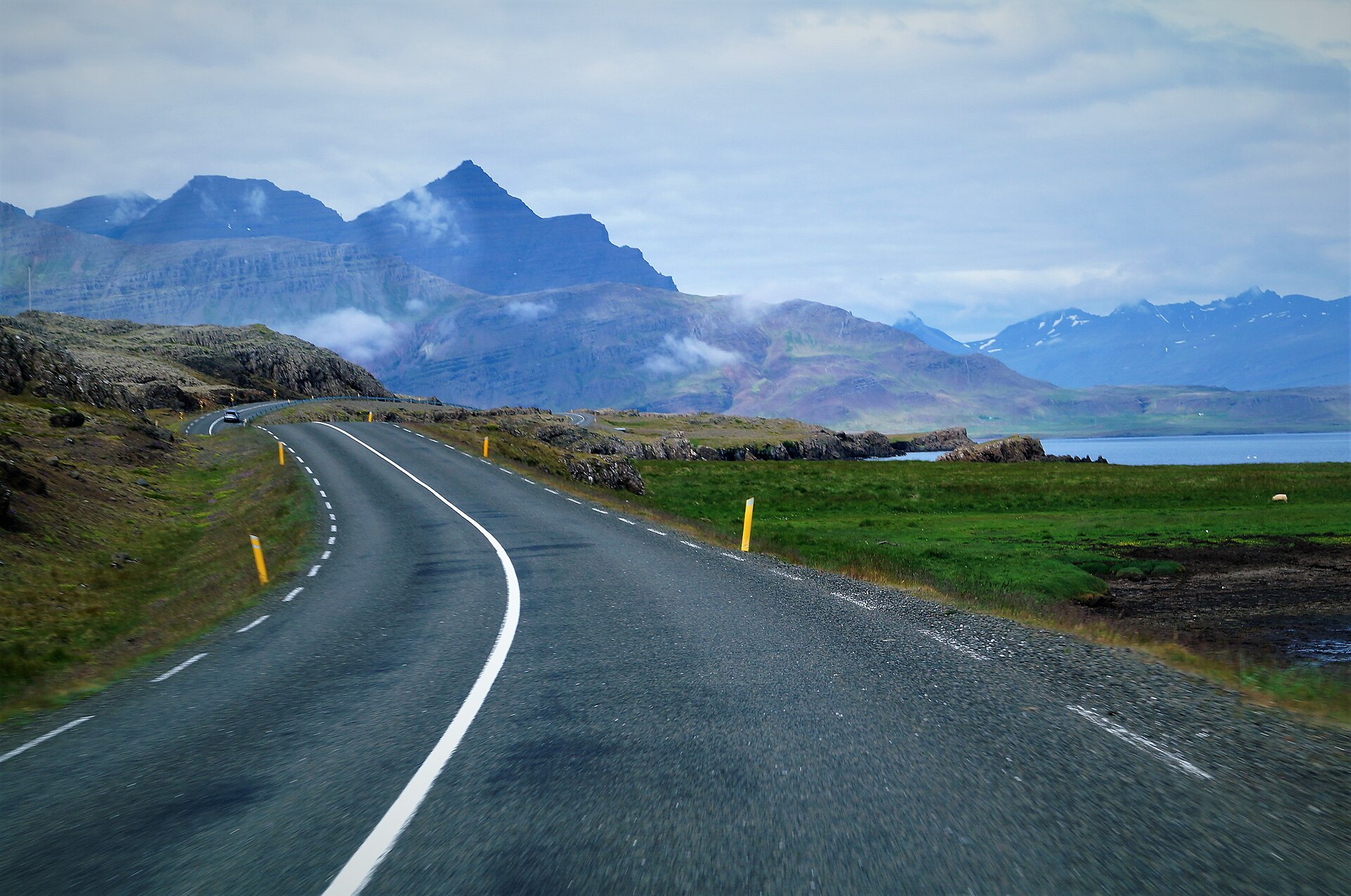
- Hero and road image: Alexander Grebenkov / Wikimedia Commons, CC BY 3.0; ICENAVI crop and resize. The photograph was taken in July 2019 and shows only the East Iceland Route 1 setting.

Q&A: ask before departure
What should I book first in July?
Secure fixed activities and accommodation in key regions first.
Can I change hotels at short notice?
Choose cancellable room types and keep a buffer.
Does the midnight sun mean I can drive for several extra hours?
It does not replace rest or road-condition judgement.
References
The source list is retained in the article; recheck official road, weather and activity information before departure.