
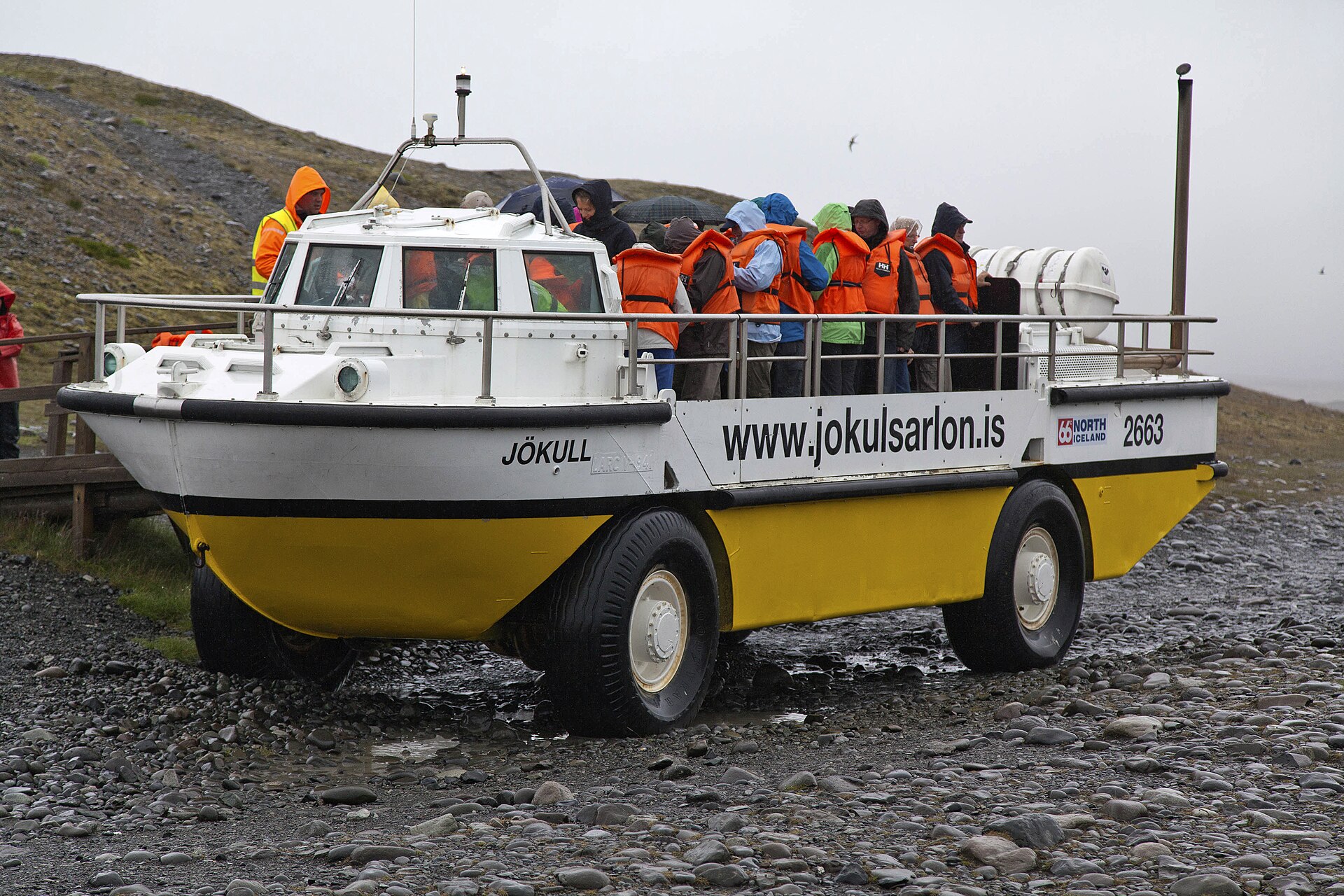
Book the slot that controls the night, route or short season
Not every June-to-August activity needs payment as soon as sales open. Jökulsárlón boat trips, timed-entry lagoons, early whale-watching departures and short-season tours can determine where you sleep and how far you drive. City museums, free coastal walks and replaceable evening plans can stay flexible. Before paying, record capacity, the cancellation deadline, weather rescheduling and the bases before and after the activity. “Only three spaces left” matters only when you know what happens if the booking moves.
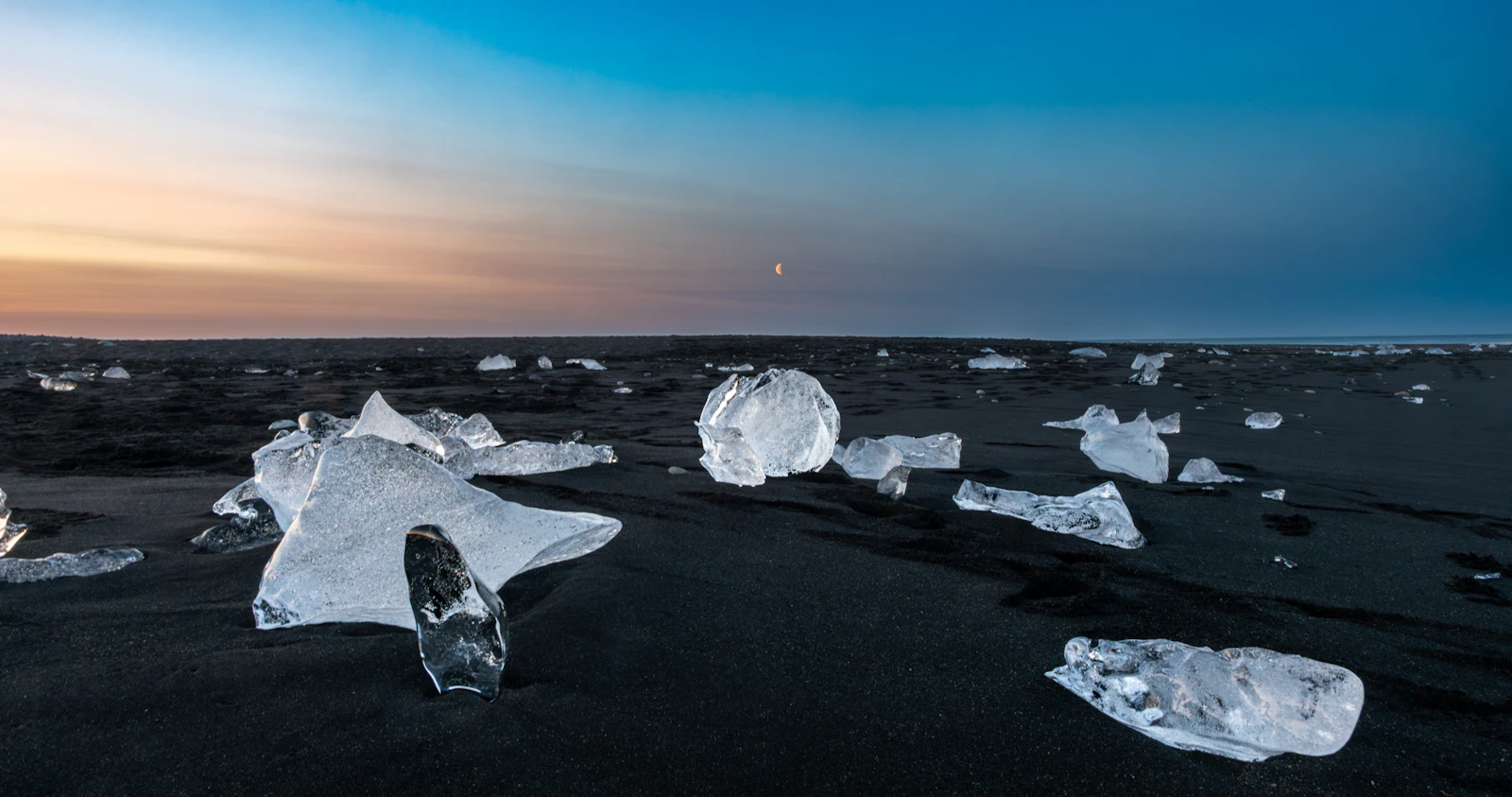
ICENAVI · PEAK-SEASON ROUTE CHECK
Does this ticket control a night you cannot easily replace?
The score measures how peak-season capacity, timing, geography, refunds and weather risk interact. It is not an activity-quality rating; the product's current terms, departure notices and official calendar always take priority.
When a port activity has few daily departures and an early slot fills, the alternative is usually not waiting an hour. It is moving to the next day and paying for another night.
A timed entry or remote meeting point dictates the night before and the exit the following day. The less a half-day alternative can replace it, the more important it is to map the journey before paying.
A 24/72-hour window can restore some room to manoeuvre, but a refund normally deals with the activity fee, not the hotel, rental car or transfer costs attached to it.
Sea conditions, roads and ice-cave conditions can force a paid activity to move or cancel. Filling every afternoon with fixed tickets leaves no room for that change.
Fixed times at Jökulsárlón, Húsavík and the Blue Lagoon borrow the bases before and after them. Until you have drawn the entry and exit, the ticket price is not the full cost.
Secure the headline activity, keep a refundable window, and retain a fallback for the accommodation before and after it. A replaceable city plan should wait until the weather is clearer.
The classic peak-season problem is that the available departure no longer fits your trip. Your phone shows spaces at 09:00, while 14:00 is full; you choose the morning and then realise you are sleeping in Vík that night, after setting off from Reykjavík at dawn. The activity has not failed. The booking order has moved the problem into today.
This page deals only with the decision of whether to secure something now; it does not guarantee capacity for any operator. If you have not decided how far to take the South Coast, start with the Iceland activity booking order, which separates ice caves, lagoons, whale watching and the northern lights by timing. This page goes one step further, looking at how peak-season supply, the local event calendar and cancellation deadlines interact. If you are deciding whether a changeable ticket is worth paying extra for, the activity-flexibility decision page puts the difference back into the accommodation and route.
The hardest summer slots are the ones with the fewest substitutes
Before putting an activity in the basket, ask: “If this slot disappears, what can replace it tomorrow?” If the answer is “change the route or add a night”, the date deserves priority. A museum, public pool or free viewpoint in the city usually leaves more room to decide on the day.
| Supply clock | Iceland example | Cost of missing this departure | Action before paying |
|---|---|---|---|
| Fixed date / time | Blue Lagoon, Sky Lagoon, scheduled glacier-lagoon boats | You may need to rearrange the car pickup, accommodation or departure day | Confirm flights and bases, then check whether changes are allowed 24 hours ahead |
| Few daily departures | Early whale watching from Húsavík, remote day tours | You will often have to wait until the next day | Keep a night at the same base; do not follow the boat with a long transfer |
| Seasonal window | Natural ice caves, some Highland activities, puffin-season boat trips | The trip may have no substitute with the same theme | Check operating dates and safety terms; do not reuse last year’s calendar |
| Highly replaceable | Reykjavík museums, public pools, city walks | Usually just one fewer half-day option | List two free alternatives and decide after the route is sound |
The final row matters. Peak season does not mean every activity needs to be paid for early; locking the replaceable options as well can leave you unable to adapt when the weather turns. If you simply need a rainy-day half-day in the city, the Reykjavík City Card break-even test is closer to the real question than chasing the “most popular experience”.
Read the map before one ticket takes two nights
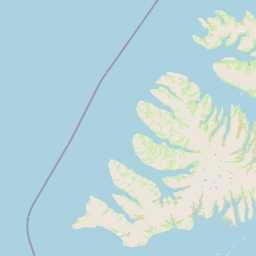
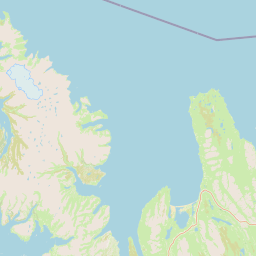
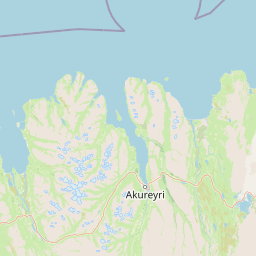
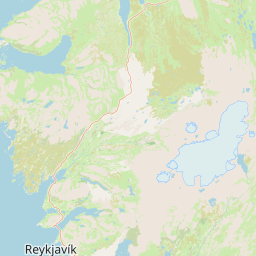
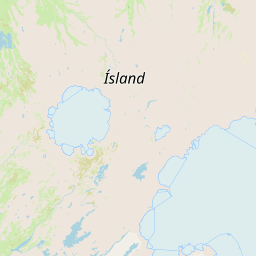
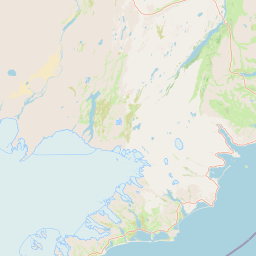
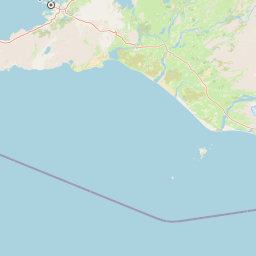
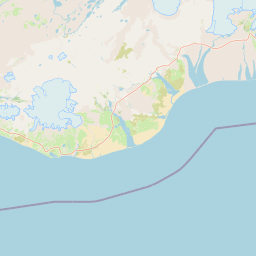
The cost most easily missed in peak-season booking is an activity that sits nowhere near your accommodation. A Jökulsárlón boat or ice cave is not a Reykjavík half-day; a Húsavík boat is not a stroll from central Akureyri. The map below shows activity direction and the role of each base, so you can see which night the booking may consume before you pay. It is not navigation, and it does not turn “the same day” into “on the way”.
If you are still dividing nights between the South Coast and the glacier lagoon, the South Coast destination entry point separates Vík, Skaftafell and Jökulsárlón first. For an early whale-watching departure, start with the Mývatn and Húsavík destination page. Place the activity on the map before deciding which accommodation price is reasonable.
Treat the refund deadline as part of the booking
“Refundable” can describe three very different kinds of freedom. Blue Lagoon’s official support page says a booking made through its website must be cancelled at least 24 hours before entry for a full refund; Sky Lagoon’s terms set a 24-hour minimum before the booked time for changes or refunds for parties of 1 to 10. Both details are useful, but each applies to its own product. Do not turn “lagoons are usually refundable” into a rule for every third-party ticket. If Sky Lagoon is already part of your plan, open the Saman/Sér package decision next and check whether private changing and transfers justify a fixed time.
A fixed outdoor activity has a different set of risks. Into the Glacier’s current terms say the operator may change the route or time, or cancel, because of weather or related conditions; partner products follow the partner’s own cancellation terms. Whale Safari likewise reserves the right to change or cancel a route or sailing in severe weather. A refund can recover the activity fee, but it does not automatically recover the hotel, rental car, transfer or next meeting cost you have already paid.
| What the wording means | Consequence easiest to miss | Room to leave in the itinerary |
|---|---|---|
| Entry is on a specified date and time; late arrival does not guarantee a place | A delay in the previous transfer or car pickup becomes your late arrival | Do not add another fixed meeting on the same morning |
| Cancellation is allowed 24/72 hours before departure | If you wait until after the deadline to check the weather, the free option is gone | Put the deadline in the itinerary and recheck roads and sea conditions early |
| Weather, sea conditions or safety may trigger a change or cancellation | It moves to tomorrow, but tomorrow’s hotel and route may be elsewhere | Keep a spare half-day at the same base, or choose a sight you can remove |
| A third-party product has a separate policy | The platform’s customer service and the operator have different responsibilities | Save the formal voucher, operator name and contact details |
To separate what happens after cancellation from how to protect the rest of that day, read the Iceland activity rescheduling page; it covers what to do in the first twenty minutes after the notice arrives. This page is about the earlier step: treating the deadline as part of the itinerary rather than a small line at the bottom of checkout.
Leave room when Reykjavík’s event calendar fills the same dates
In summer, Reykjavík is more than a departure point for tours. The city tourism website’s event search updates exhibitions, workshops, performances and family activities by date; its official festival pages also list annual events such as Culture Night, the Reykjavík Marathon and Pride. These may not require a ticket, but they can change hotel prices, restaurant availability, parking near the harbour and the walking route after the crowds disperse.
The useful move here is not to write “we will definitely attend” into the itinerary months ahead. Treat the date as something set by the city’s calendar. During Culture Night, the city centre fills with free activities from afternoon into evening, usually ending with fireworks around the harbour; if you have booked a long day tour outside the city on the same day, the return time is not merely a transport issue—you may miss the event’s main hours. Open Visit Reykjavík’s event search, then verify the official calendar for that year rather than copying last year’s date from a travel blog.
If festivals are not your priority and you simply want a low-cost city evening, a free exhibition, public pool or waterfront walk is a strong substitute. This is the part of peak-season planning that is often missed: a free option is not “no itinerary”; it lets you wait until the weather and your energy are clear before using a refundable activity booking.
“Book now” means something different on each route
| Your trip | Secure first | Deliberately leave open | Why |
|---|---|---|---|
| 4–5 days, city + South Coast | The one experience you most want, plus the Blue Lagoon or another fixed meeting | A second lagoon, northern lights and an extra remote tour | There are few rescheduling opportunities, so two non-negotiable timings can collide easily |
| 6–8 days, deeper South Coast | The Jökulsárlón/Skaftafell activity and the accommodation for the night before | Optional waterfalls, photo stops and every dinner | The fixed activity has already chosen your direction along the southeast coast |
| 8+ days, Ring Road or the north | Sailings, seasonal windows and festival accommodation that change your base | The final sight each day and all evening activities | Open space lets sea conditions, roads and a second attempt at an activity work in your favour |
Suppose you have seven days and the ice cave is the theme of the trip, with the activity meeting near Jökulsárlón: secure the activity date first, find sensible accommodation on the southeast coast, and only then add the stops between Vík and the glacier lagoon. If you simply want one peak-season experience, the Blue Lagoon or a Reykjavík city activity can wait; a different activity choice naturally changes the room and booking order. The July Iceland booking order breaks down the accommodation sequence in the busiest period.
Measure the booking pressure instead of guessing
This score estimates how much it may cost you not to deal with something now. Give each dimension 0–2 points. At 8 or more, research it first and secure it within a refundable window where possible; at 4–7, record the candidate and its terms; below 3, wait until the route and weather are clearer.
| Dimension | 2 points: high risk | 1 point: middle | 0 points: easy to replace |
|---|---|---|---|
| Capacity / departures | Few daily departures or a short seasonal window | Several time slots, but peak dates are narrowing | Walk-in or free options in the city |
| Geographic commitment | It determines the base the night before and the next day | It affects only half a day of transport | Walkable, or you can stay where you are |
| Season / weather | Once the season ends, the same kind of experience is gone | It can move, but only if you have an open slot | Indoor or year-round options share the theme |
| Fallback after payment | The refund does not cover room, car or transfers | The supplier can reschedule, but the new date may not fit | Two suitable alternatives exist without paying |
| Regret if missed | It is the one theme this trip is built around | You want it, but it is not the reason for the trip | It was added because “everyone goes” |
For example, an ice cave at Jökulsárlón might score 9–10: season, location and subject are all hard to replace. A free exhibition in Reykjavík might score only 2–3 and should wait for the day. The score does not place the order for you; it translates “only three spaces left” into another question: when those spaces disappear, which night will you lose?
Nine questions before you pay
- Is this activity the theme of the trip, or has a peak-season page merely put it in front of you?
- Have you saved the official operator, meeting address and check-in time?
- Without this slot, do you need to move accommodation again?
- Which date, time and time zone determine the cancellation deadline?
- If the supplier cancels, is the result a refund, a reschedule or only the next departure with space?
- Beyond the refund, how much of the hotel, rental car, transfer and restaurant cost remains non-refundable?
- Could a local festival or city road closure change your return during peak season?
- Do everyone’s fitness, cold tolerance, seasickness and shoe size meet the product conditions?
- If you give up at the end, is there still a version of the original half-day that costs nothing?
The ninth question is the one I most want you to write down. When an activity is worthwhile only if the weather is perfect, roads are clear, there are no delays and everyone still has energy, put it in the fallback column. When it is the one theme you came to complete, a refundable window may be worth paying for. For activity equipment and supplier responsibilities, continue with how to divide activity equipment rentals; for a specific ice cave or sailing, use the ice-cave tour guide or the Húsavík whale-watching guide for the activity product and terms.
PEAK-SEASON BOOKING · LAST CHECK
Protect the rare slot; leave the rest of the summer open.
Mark the activities that consume accommodation, route direction or a short seasonal window. Use the cancellation deadline and actual geography to decide whether payment now is sensible. Keep the remaining half-days for free sights, city events and weather changes; scarcity alone is not a reason to fill every afternoon.
RELATED READING
The next decision: which activity is hardest to replace
Iceland activity booking order: ice caves, Blue Lagoon or whale watching?How to save the whole day when an activity is cancelledReykjavík City Card: does a rainy city day break even?MORE READING
Reconnect the booking with route and accommodation
Iceland in July: how to keep options open in peak seasonIceland South Coast: activity meetings and accommodationMývatn and Húsavík: whale watching, geothermal stops and northern nightsBlue Lagoon or Sky Lagoon: choosing an entry timeQ&A | What to clarify before departure
Does every Iceland peak-season activity need to be booked early?
No. Deal first with activities that have a fixed time, require a remote overnight base or run for only a short season. City museums, free walks and replaceable evening plans can usually stay flexible.
Should I pay immediately when I see only three spaces left?
Check the cancellation deadline, rescheduling availability, meeting point, accommodation before and after it, and your road fallback. If moving to the next day costs another room or breaks the route, those spaces have real value; “three left” is not a complete reason by itself.
If a peak-season activity is cancelled, will the hotel and rental car be refunded too?
Usually not automatically. The activity refund covers the activity itself; hotels, rental cars, transfers and restaurants follow their own terms. Record the non-refundable costs in one table before booking.
References
Activity supply, event calendars, roads, sea conditions, operating dates, prices and cancellation terms can change. The pages below were checked on 5 September 2026; before paying, follow your formal voucher and the departure-day notice.
- Blue Lagoon Support: Change or cancel a booking (the 24-hour cancellation/change window for bookings made through the official website).
- Sky Lagoon: Terms & Conditions (specified date/time, late arrival, and the 24-hour advance change/refund terms for 1–10 people).
- Into the Glacier: Terms & Conditions (weather, routes, partner products and who handles cancellations; version updated January 2026).
- Whale Safari: Terms & Conditions (route, sailing and cancellation permissions in sea or weather conditions).
- Visit Reykjavík: Events Search (entry point for exhibitions, workshops, performances and family activities updated by date).
- Visit Reykjavík: Reykjavík Culture Night (annual context for free August city-centre activities, the dispersal and harbour fireworks; check the year’s notice for the date).
- SafeTravel Iceland (pre-departure checks for weather, roads and activity safety).
- © OpenStreetMap contributors (base map and public geographic data for the activity-direction figure).
- Hero image: an authorised on-site photograph of the Jökulsárlón amphibious boat; it shows the scale of glacier-lagoon check-in, changing and boarding only, not current sailings, quay, capacity or weather.
This is an L1 activity entry point. It does not present unverified tickets as recommendations; after the peak-season booking order, the downstream activity, destination and itinerary pages handle activity products and affiliate links.