
Start with the replacement date, not the word “flexible”
Pay for clear cancellation or rescheduling terms when the activity has a fixed time, a remote base, a short seasonal window or a hotel and ferry attached to it. A cheaper ticket can work for a city activity with a nearby substitute. Before paying, confirm who may cancel, the deadline, whether another date has space, where the refund goes and whether late arrival becomes a no-show.
ACTIVITY FLEXIBILITY · CHANGEABILITY CHECK
A flexible ticket helps only if the rest of the route can move
This is not a rating of activity quality. It brings the cut-off time, rebooking availability, refund responsibility, accommodation base, transport and alternative dates into one decision card. Supplier terms, payment platforms, weather and inventory can change, so check the original product page both before payment and after receiving any notification.
Published examples from Blue Lagoon, Sky Lagoon, North Sailing and Arctic Adventures allow you to compare deadlines, product types and responsibility for schedule changes. Partner products still require their own confirmation email to be checked.
Rescheduling is useful only when the new date still has space, you can remain in the same base and the change does not collide with a flight or ferry. This page considers all three limits alongside the route.
The guide separates full, partial and zero refunds, refunds to the original card, platform credit and rebooking options. A 24-hour, 48/72-hour or 14-day window cannot be treated as interchangeable.
Moving an activity to tomorrow does not automatically move the hotel, rental car, transfer or following activity. Use the map and fixed timings to estimate the radius of the change before paying the price difference.
City activities are usually easier to move to another time. Remote sailings, seasonal experiences and activities with a single meeting day offer fewer alternatives; the words “reschedulable” cannot fill that gap.
The terms can be read. The harder questions are whether the new date has space, whether you can stay in the same base and whether the next fixed commitment can absorb the change. This score measures decision clarity, not the certainty that the activity will go ahead.
This card separates “buying a refund” from “buying a usable tomorrow.” If there is no second date, no base where you can stay or the change requires a long cross-region drive, the promise of rescheduling may not justify a higher price. When you are staying two nights in the same town and the activity runs at several times, the higher fare has a better chance of creating genuine choice.
| Option | What you keep | What you pay or accept | When to choose it |
|---|---|---|---|
| Buy the reschedulable/cancellable version | A refund or schedule-change route with a clear deadline | A higher price, while still carrying the risk that the new date has no space | The activity affects accommodation or driving, and your itinerary genuinely has a second usable day |
| Choose the lower price and use a free alternative | Your budget and the freedom not to chase a replacement ticket | The activity may be a total loss, and the alternative may not be equally memorable | It is a half-day city activity with low-risk alternatives nearby and no hard timing |
| Reschedule without moving your base | The experience already paid for and a manageable rest pattern | You must confirm the new date, room, meeting time and the group's energy levels | The supplier confirms availability in writing and the change does not collide with a flight, ferry or following activity |
| Refund and shorten the activity day | Cash, a safer transport boundary and the next day's sleep | You give up the original activity; the refund does not compensate you for accommodation or transport | There is no second date, or weather and road risk may continue into the following day |
You may have seen this scene in a Reykjavík hotel lobby: you have barely finished your coffee when an email arrives saying, “your activity has been moved.” The whale-watching trip was scheduled for 3 p.m. and has been moved to the following morning. But tomorrow you need to drive towards the South Coast, and the room is non-refundable. The ticket has not vanished; it has changed from “one afternoon” into a question about whether to move the entire route.
By contrast, if you have placed the Blue Lagoon on the evening before departure, with ample buffer between the hotel and airport, a full-refund cancellation policy 24 hours in advance may be enough. You do not need the highest tier to protect yourself from every hypothetical problem. You need an exit that remains usable if the situation changes. That is the boundary of this guide: it does not guarantee any supplier's response to weather, and “free cancellation” does not mean you can always move into your preferred time slot.
“Free cancellation” can describe four different things
Activity pages often place customer cancellations, date changes, operator cancellations and late arrivals in separate sections. Readers see one green tick and assume every disruption leads to a refund. Separate the categories before paying and one common mistake disappears immediately.
| What the page says | Who handles it | What you may receive | What is easy to misread |
|---|---|---|---|
| You cancel before the deadline | The traveller acts under the original product terms | A full, partial or zero refund | “Cancellable” does not mean you can change it after the deadline |
| You request a date change | The supplier or original payment platform | A move to a date with availability, possibly with a fare difference | Being allowed to request a change does not guarantee space on the new date |
| The operator cancels because of weather | The operator makes the safety decision first | A refund or replacement departure under the terms; hotel costs are not necessarily covered | An operator cancellation and a customer cancellation carry different responsibilities |
| You arrive late or do not show up | The traveller must contact the supplier promptly | Possibly no refund or rebooking | A road delay does not automatically become a supplier cancellation |
The table may look basic, but it changes how you compare prices. Sky Lagoon, for example, states that groups of 1–10 people can change the date or receive a refund at least 24 hours before the original time. If you arrive late, availability is not guaranteed and the ticket may become invalid. Standard Blue Lagoon admission likewise uses more than 24 hours as the full-refund cut-off, while different Retreat Spa products use 48- or 72-hour deadlines. Compare the specific product terms, not the venue name.
Compare the policies by deadline, payer and new-date access
The examples below come from published pages and are intended as a way to practise reading terms, not to apply one company's deadline to all of Iceland. Change the payment platform or partner operator and the cut-off may change with it. Use this as a checklist of questions, not a permanent price sheet. If you want to put ice caves, whale watching, northern lights and the Blue Lagoon into one cost calculation, continue with How to compare cancellation terms and rescheduling costs across activities; identify the next usable time slot before comparing the price difference.
| Published example | Deadline or change | Available fallback | Cost to watch |
|---|---|---|---|
| Blue Lagoon | Standard admission can be cancelled more than 24 hours in advance for a 100% refund; cancellations under 24 hours are non-refundable. Tickets are valid only for the selected date and time | If you spot a route change a day early, you can still cancel and rearrange the day | Different Retreat Spa products use 48- or 72-hour deadlines; late arrival does not guarantee immediate entry |
| Sky Lagoon | Groups of 1–10 can change the date or receive a refund at least 24 hours in advance; late arrival does not guarantee a place | Swap a city day with a peninsula day, provided the new time has space | The product, transfer arrangements and age requirements still need to be checked for the specific booking |
| North Sailing | Day tours can be cancelled without penalty 24 hours in advance; sea conditions may change the departure time, vessel or sailing route | Stay in Húsavík for another departure instead of starting a long drive the same day | A new departure depends on availability; the original accommodation, rental car and next day's activity do not move automatically |
| Arctic Adventures | Self-drive, group and hiking tours: full refund more than 14 days out, 50% under 14 days and no refund under 48 hours; private day tours offer a 90% refund more than 72 hours out | Long or private tours may justify keeping a wider cancellation window | Different sub-brands and partner products may follow another set of rules |
Notice the Arctic Adventures example. A private day tour with a 72-hour cut-off is not governed by the same 14-day/48-hour structure as a standard tour. This is why “the more expensive the activity, the greater the flexibility” is an unreliable assumption. Flexibility follows the product type, the supplier's operating costs and the partner terms, not the apparent luxury of the photographs.
Distance decides whether a changed booking is usable

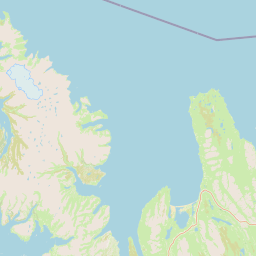
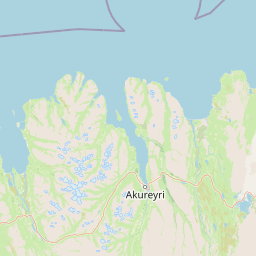
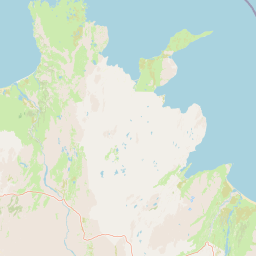
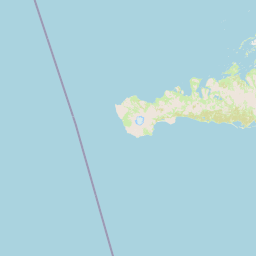
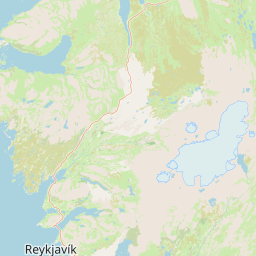
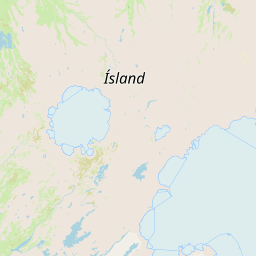
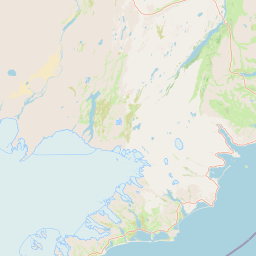
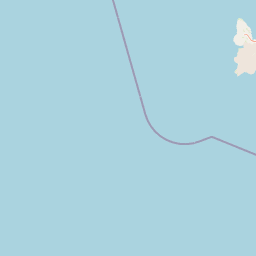
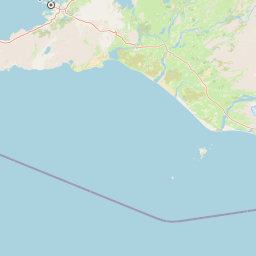
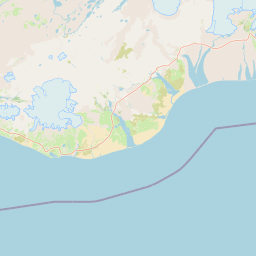
If an activity is within Reykjavík, moving it to the next day usually means shifting one city day. A Silfra snorkelling trip from Reykjavík to Þingvellir, or a journey from Vík to Jökulsárlón Glacier Lagoon, can involve driving, accommodation and the next meeting point when the time changes. The value of rescheduling depends on whether you can remain in the same base.
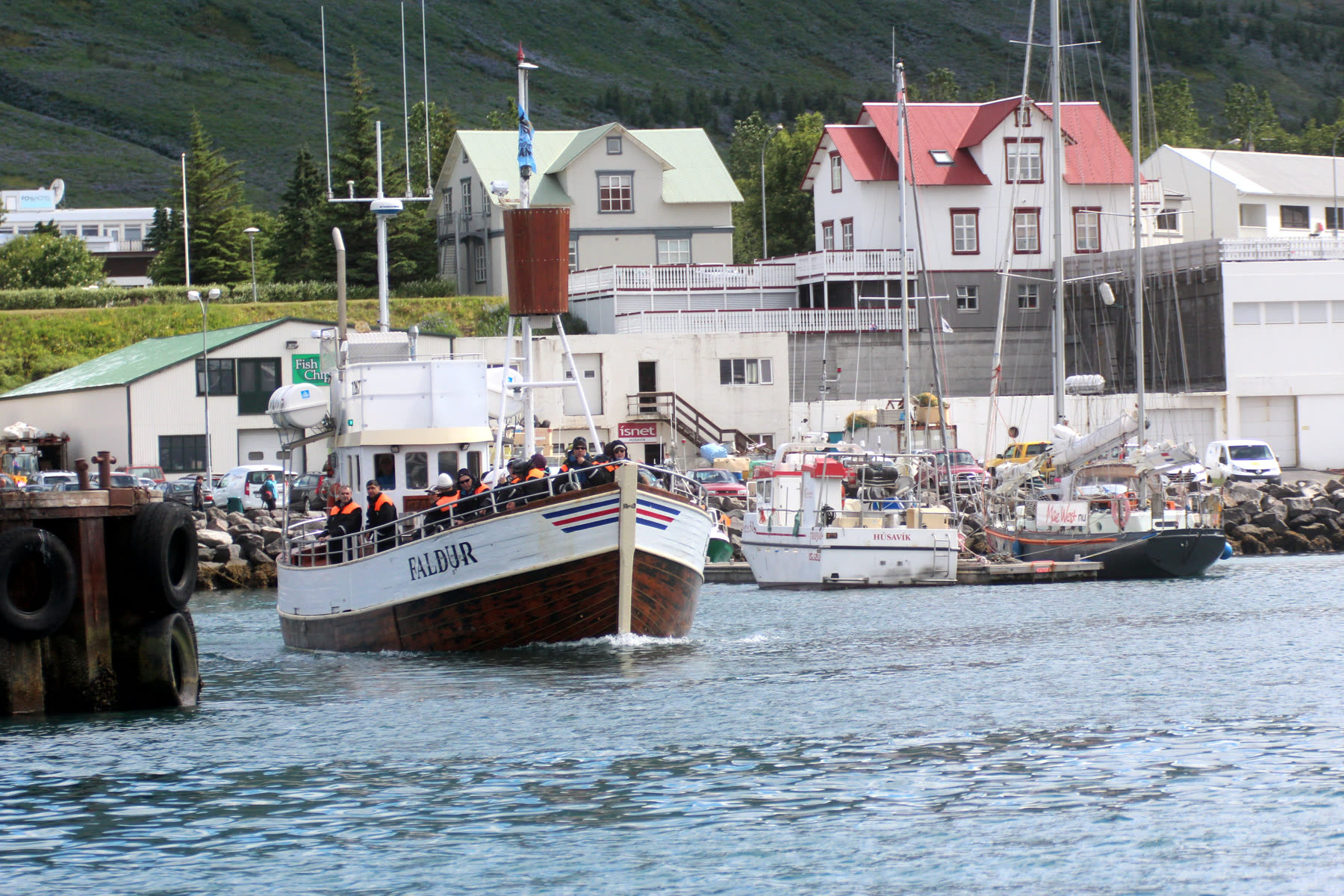
The map highlights an unromantic but useful distinction: a harbour activity is usually rescheduled at the harbour. North Sailing's published terms allow the time, vessel or route to change because of sea conditions; they do not promise to send you back to Reykjavík. If you treat Húsavík as no more than the meeting point for a ticket, the flexibility can quickly be consumed by a long drive. If you had already reserved a night there, the changed departure becomes genuinely workable.
Price the change radius, not only the ticket difference
I judge rescheduling value by the radius of disruption it prevents, not by how reassuring the word “flexible” sounds. The wider the radius, the more likely one change is to affect the hotel, rental car, transfer and next activity. On those days, a flexible fare or changeable ticket has a better chance of paying for itself.
| Shape of the activity day | What one change affects | Flexibility to look for | When you can skip it |
|---|---|---|---|
| Half-day in a city | Restaurants, museums or local transport | A clear time-change policy; not necessarily the highest ticket tier | You already have a rainy-day plan that needs no reservation |
| Remote meeting point with one overnight stay | Hotel, driving, fuel and the following day's direction | Cancellation or rebooking before the deadline, with a reminder set for the hotel as well | The activity is optional and a free shoreline alternative covers the main idea |
| A single seasonal window | A second usable date may not exist at all | Confirm the supplier's refund method before paying | There is no second day and you accept losing the activity instead of chasing another ticket |
| Before a fixed flight or ferry | Check-in, transfers, car return and sleep before departure | Place the activity the day before and choose the version with clearly written terms | A cancellation would not change the city day already arranged |
“Prioritise flexibility” does not mean paying extra for every booking. If the price difference buys only a vague promise that depends on availability, I treat the information as incomplete. If it clearly states the deadline, refund percentage, rebooking method and original payment party, it belongs in the cost calculation. You are paying for an option you can use, not for a reassuring adjective on the page.
An operator cancellation is not travel insurance
Blue Lagoon's terms state that the venue may cancel a booking in circumstances beyond its control, but that does not mean every resulting accommodation, transport or other expense will be compensated. Arctic Adventures likewise explains that weather and other factors outside its control may change or cancel a route or departure time, and that related extra costs may not be covered by the operator. These are not attractive sentences, but they are the boundary that matters most when you compare the price of flexibility.
Ask yourself first: if the activity is cancelled, do I most want the ticket money back, or do I want to avoid being forced to change the next night? They are different outcomes. The terms may deal with the ticket price; a non-refundable hotel, extra rental-car days and a missed meeting for the next activity may still be yours to absorb. In a remote area, booking a night in the right base and buying a changeable version may be parts of the same risk decision.
If a supplier says “moved to tomorrow”, check these first
There is no need to start with a group vote. Open the booking and check each item in this order. The process extends the 20-minute response plan after an Iceland activity cancellation, but this page focuses on which fallback you should buy before payment.
| Minutes | Text to check | Decision you can make afterwards |
|---|---|---|
| 0–2 | Does the notice describe an operator cancellation, a time change or a change to your own booking? | Know whether to contact the operator, platform or hotel instead of chasing all three at once |
| 2–4 | Are the new date, check-in time, meeting address and product the same as on the original booking? | Accept the change, request a refund or choose another date |
| 4–6 | What are the refund percentage, processing time, original payment party and non-refundable items? | Calculate the amount actually recoverable instead of assuming the total price is refundable |
| 6–8 | What happens to tonight's room, the rental car and tomorrow's flight, ferry or other activity? | Decide whether rescheduling removes one loss or creates three more |
| 8–10 | Who in the group is slowest, most prone to seasickness or leaving earliest? | Choose whether to remain at the base, change the activity or accept the refund |
If moving the activity to tomorrow means driving from Húsavík all the way back to the South Coast and then catching an early flight the following morning, that is not “the activity going ahead as planned.” It is exchanging three layers of uncertainty for the original photograph. If you are already staying two nights in Reykjavík, however, moving Sky Lagoon from afternoon to morning changes only one city day. The answer always depends on tonight's address.
Buy the higher-priced option only when five answers are clear
Score five dimensions from 0 to 2 instead of relying on the words “free cancellation.” The total is not a supplier ranking; it measures how much the trip needs an exit with recoverable value. A higher score supports a clearly reschedulable version—or leaving the activity out of a tightly fixed day.
| Dimension | 2 points: flexibility is highly useful | 1 point: check the evidence | 0 points: the lower price is acceptable |
|---|---|---|---|
| Change radius | One change affects accommodation or a cross-region drive | It affects only half a day or local transport | The same city offers easy substitutes |
| Date scarcity | There is only one seasonal window or sailing | There is a second day, but availability is limited | Comparable departures run every day |
| Fixed boundary | There is a flight, ferry or immovable meeting the next day | The next activity can be moved | There is no hard timing in the next 24 hours |
| Alternative density | There is no alternative with a different risk profile nearby | There is only one free candidate | The base offers several shorter alternatives |
| Term transparency | The deadline, refund, rebooking process and contact method are all clear | Some details appear only at the payment stage | You accept not pursuing a refund and have saved the product limits |
8–10 points: choose the clearly changeable or cancellable version and set reminders for the hotel and rental car as well. 4–7 points: first check whether the alternative date is genuinely usable, then judge whether the price difference is justified; do not pay for a possibility alone. 0–3 points: the lower-priced version can work, but treat the activity as one optional element rather than the only purpose of the day. A low score does not make the plan safe if there is no alternative.
Three situations where flexibility adds little
| Original plan | What the later information shows | How the answer changes | What makes sense |
|---|---|---|---|
| Buy flexibility for a remote sailing | The only replacement is an early departure the next day, when you must drive across the country | Flexibility may not absorb the accommodation and fatigue costs | Keep a night at the harbour; otherwise accept the refund and remain at the base |
| Buy the most flexible Blue Lagoon ticket | You already have two Reykjavík city days and a peninsula backup | A lower-priced time slot offers enough choice | Choose the standard version with clear terms and a suitable time |
| Buy expensive flexibility for a private tour | The group has only one shared holiday and no second date | Rescheduling does not create another day | Ask about the refund percentage first and avoid making the fixed tour the trip's sole focus |
These reversals are not an argument for distrusting every policy. They show that flexibility has to exist alongside another usable version of the day. Without a second date, a base where you can stay or an alternative with a different risk profile, even the most expensive ticket merely acknowledges—at a higher price—that today may not work.
Nine checks before you pay
- Does “cancellable” apply to standard admission, a spa product, a sailing or another product sold through a partner platform?
- Which time zone controls the deadline, and how precise is the cut-off?
- Will the money return to the original card, become platform credit or be replaced only with a date change?
- Does rebooking require a fare difference, and what happens if the new date has no availability?
- When the operator cancels because of weather, is that handled under the same terms as your own cancellation?
- Will late arrival, a missed transfer or a missed meeting point count as a no-show?
- If the activity moves to the following day, do tonight's hotel and rental-car arrangements still work?
- Is the operator shown on the payment page the same brand you thought you were booking?
- If you ultimately skip the activity, do you already have a half-day plan that requires no further payment?
If two or three of the nine questions can only be answered with “ask customer service later,” do not count that as genuine flexibility. Save the product name, screenshots of the terms and the contact method, then wait until the route and accommodation are settled before booking. Researching early does not require paying early. That often protects the budget better than chasing a message saying “only two places left.”
Once the terms are clear, choose the activity
Reconnect the fallback to the exact product page
If you are still choosing between activity types, start with the decision pages already checked on the site. They separate dates, meeting points, ticket types and platform terms, so you can settle the choice before paying.
ACTIVITY FLEXIBILITY · FINAL CHECK
Buy a usable tomorrow, not a vague just-in-case promise
Place the activity back on the map with your accommodation and next fixed commitment. The extra cost is justified only when the new date has space, refund responsibility is clear and the change radius is large enough to affect the wider trip. On other days, keeping a free alternative that can be shortened is already sound travel planning.
.jpg)
More reading
- How to choose an Iceland ice cave tour: A downstream comparison of natural-cave changes, replacement caves and meeting-point terms.
- Húsavík whale watching: stay overnight or make it a day trip?: Connects harbour schedule flexibility with your accommodation base.
- Iceland ice cave tours: ask where you will be moved before asking how blue the cave is: How to preserve a South Coast fallback after a cave change or refund.
- Iceland peak-season hotels: choosing between non-refundable and cancellable rates: How to align the activity and hotel cancellation clocks.
Q&A | Questions to settle before departure
Does reschedulable mean I can definitely move the activity to my preferred date?
No. Rebooking usually depends on the deadline, availability for the same product, any price difference and the payment party. Confirm that the second date is genuinely usable before treating flexibility as something of value.
If weather causes the activity to be cancelled, should I wait for the supplier or find an alternative myself?
Save the cancellation notice and confirm the refund or rebooking process first, then check the roads and the next workable time slot. A no-show is not the same as a cancellation. Confirm how the original booking will be handled before paying again.
Can I move to the next departure if I arrive late?
Do not assume so. Fixed meeting times and no-show terms often treat lateness as a missed booking. Follow the meeting time and arrival buffer on the voucher, together with the supplier's written reply.
References
The official pages below were checked on 6 September 2026. Prices, availability, times, cancellation and rebooking terms, sea conditions, roads and partner-platform rules can change. Before paying, return to your product page, confirmation email and the notices issued on the day of departure.
- Blue Lagoon | Terms and Cancellation Policy: More-than/less-than-24-hour cancellation rules for standard admission, different Retreat Spa deadlines, selected dates and times, and force majeure limits.
- Sky Lagoon | Terms & Conditions: Date changes/refunds for groups of 1–10 at least 24 hours in advance, late-arrival availability, selected time slots and activity conditions.
- North Sailing | Terms and Conditions: 24-hour cancellation for daytime whale-watching trips, changes to time, vessel and route in sea conditions, and harbour check-in responsibility.
- Arctic Adventures | Booking & Cancellation Policy: Examples covering standard tours, private day tours, weather-related changes and different cancellation deadlines.
- SafeTravel Iceland: Safety information about weather, roads and activity departures; it does not replace a supplier's refund terms.
- © OpenStreetMap contributors: The real base map and public geographic data used for the five activity and base-direction points in this article.
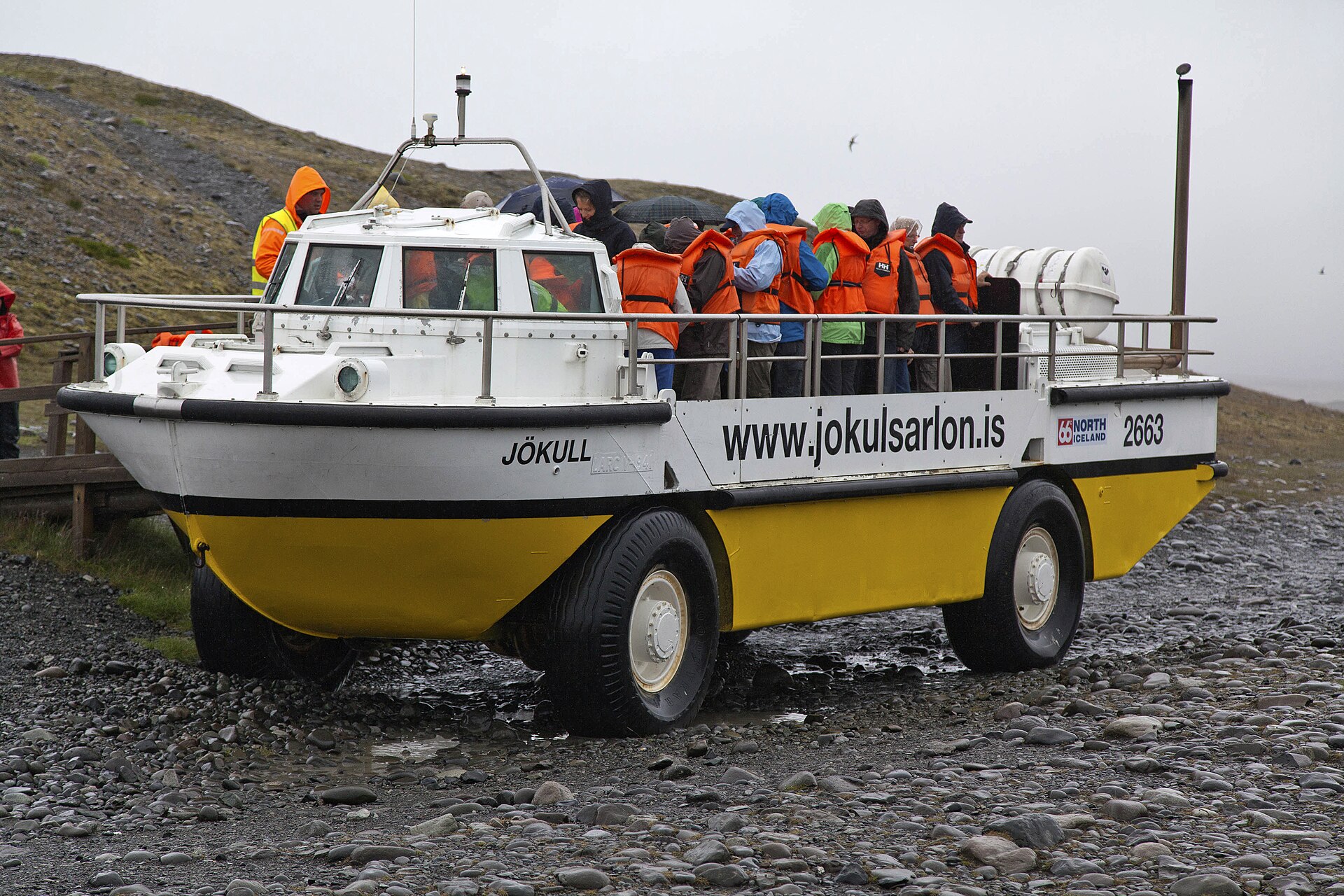
- Hero image: Mees Dekker/Wikimedia Commons, CC BY-SA 3.0. The 2013 photograph of an amphibious boat at Jökulsárlón illustrates the scale of check-in, changing and boarding only; it does not represent current facilities, sailings, sea conditions or rescheduling outcomes.
.jpg)
This page is an L2 decision guide for paying for Iceland activities. It does not present rescheduling as insurance or use unverified affiliate links in place of supplier terms. Decide on the activity, accommodation and route first, then proceed to the activity product page.