
ICENAVI · SEA-DAY PLANNER
“Summer is warmer” does not settle a whale-watching day. You still have to check in before departure, spend two or three hours on the water and decide what happens if the sea cancels the boat or leaves you tired for the next drive. Start with the port and the following night; treat the month as one part of the decision.
Give the sea day one night of room
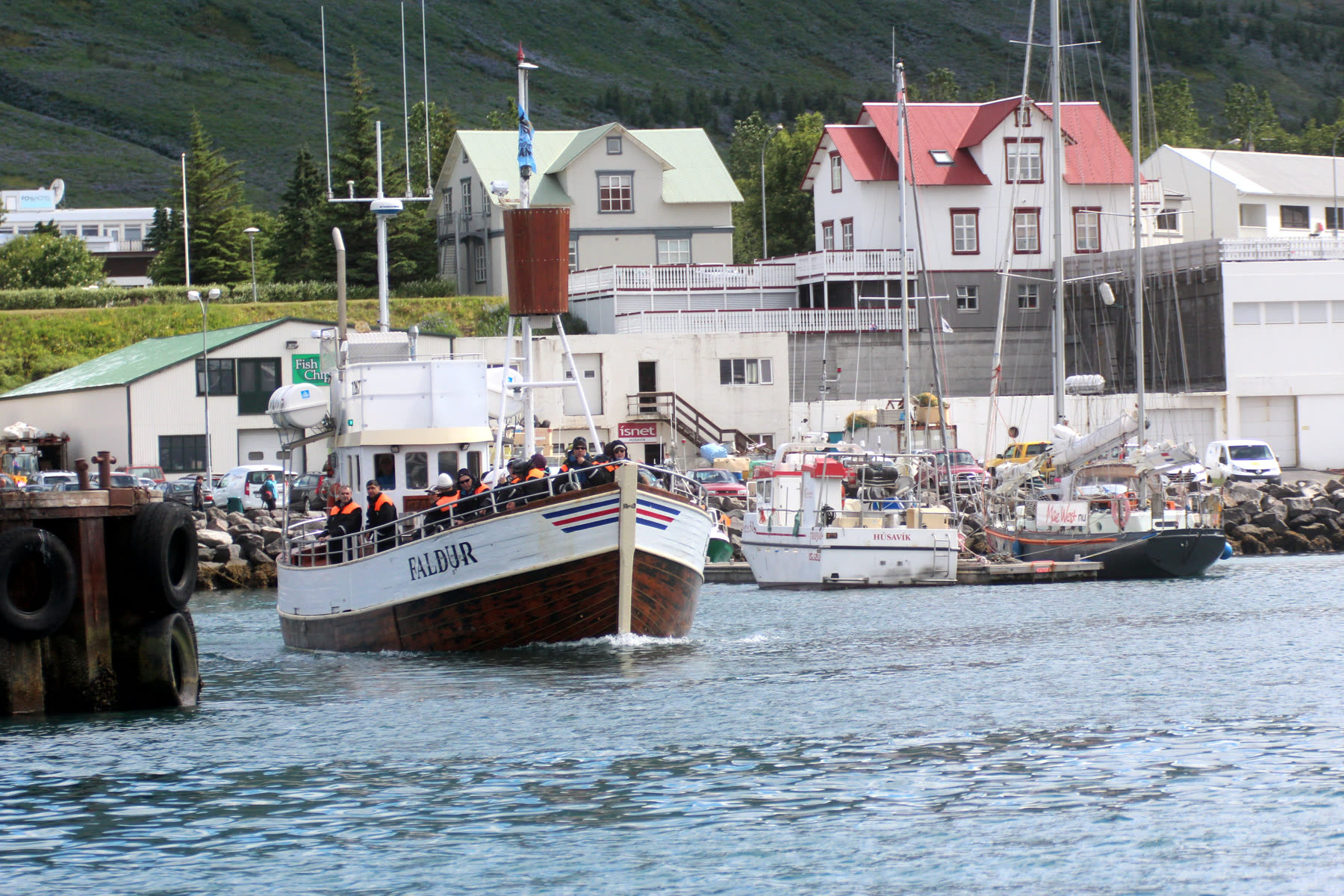
Húsavík’s published information places whale watching from spring into autumn, while North Sailing currently shows departures from March to November. Gentle Giants lists traditional-boat trips at about 2.5–3 hours and RIB trips at about 2 hours. Those are product parameters, not a promise of whales or a smooth sea. If seasickness is a concern, you have only one northern day, or a long drive follows the boat, keep a spare night for rescheduling and write down what happens to the room, transport and alternative activity.
ICENAVI · SEA-CONDITION CHECK
Judge the sea, the boat and the following night on one decision card
This is not an operator rating or a guarantee of wildlife sightings. The scores organise public signals about season, sailing time, rescheduling, ports and itinerary recovery; recheck departures, weather, wind, waves and terms for your travel date.
North Sailing has published its season information and a 2026 timetable entry point; open ticket sales do not mean identical sea conditions every day or guaranteed room to try again.
A traditional boat and a RIB differ in speed, duration and how the seating feels. Neither boat type guarantees a smooth ride; wind, waves, position and your own condition still matter.
Several nights in the north can absorb a change of date more safely than putting the boat in the final available slot. Actual notices, refunds and rebooking depend on the product terms.
Reykjavík, Akureyri, Húsavík and Lake Mývatn are different bases. Add check-in, parking and the drive after disembarkation as separate legs.
A short walk, a café or early check-in near the port can be Plan B. A refunded activity does not automatically recover your hotel, hire car or next leg.
Season and port information are sufficient for planning, but sea conditions, seasickness and wildlife cannot be booked. An extra night of buffer matters more than chasing one particular month.
This card separates “can the boat operate?” from “can your itinerary absorb a change?”. Whale watching has information you can check, but that does not mean everyone will feel ready to drive after disembarking. If any score falls below 7, adjust the accommodation and the next road leg before paying.
| Option | What it preserves | What you give up or accept | When it fits best |
|---|---|---|---|
| One night in Húsavík + traditional boat | Walking access to the port and a longer northern buffer | You add a night for the port; the sailing lasts about 2.5–3 hours and still depends on sea conditions | You are prone to seasickness, want rebooking room, or do not want a long drive after the boat |
| Húsavík RIB | A sailing of about 2 hours and a faster return to land | Speed, waves and the seating feel may be more pronounced; it is not a promise that you will avoid seasickness | You already have accommodation buffer in the north and your group accepts a more active ride |
| Depart from Akureyri / stay in the city | Food, accommodation and the option to switch to a city day | Allow separately for the port or activity transfer; a city base is not beside the port | You want to combine whale watching with a city day or need more indoor alternatives |
| Reykjavík city sea day | No need to change the number of nights on a ring-road trip for northern whale watching | Keep the sea day separate from the South Coast and northern route; alternatives after cancellation still depend on the city plan | You have a short city itinerary or do not want to cross regions for one boat trip |
As you pull on a windproof layer at the pier, the common assumption is: “The boat is big, so it should be fine.” Seasickness is not decided by the month alone. Boat type, wave direction, whether you have eaten too heavily, where you sit and whether you still have a drive afterwards all change how the trip feels. Accepting that you may need an afternoon you can step away from does not make the journey less adventurous; it means you can watch for whales without calculating your next check-in at the same time.
The month opens the door; sea conditions and the itinerary decide whether to proceed
| Time window | What to confirm first | How it fits best | What not to assume from the month |
|---|---|---|---|
| Spring opening | Whether the operator has opened your sailing, check-in time and alternative arrangements | Put the port day where you have one night of buffer in the north | That every day has the same departures or calm water |
| Long summer daylight | Choice of sailings, the next day’s drive and whether to add the longer puffin sailing | An afternoon whale-watching trip can work if you have no fixed activity to rush to afterwards | That bright evenings make unlimited driving sensible |
| Autumn closing season | The final operating date, departure frequency and whether you can move to the following day | Keep a northern city or accommodation day as a sea-condition fallback | That tickets still being sold online means you will definitely have room to try again |
North Sailing publishes the 2026 whale-watching timetable and season on separate pages, so check the departures for your date first. Gentle Giants describes its arrangements for no sightings and the conditions for traditional boats and RIBs in its FAQ. Read those details together and they are more useful than asking which month has the most whales: you need a date that protects your accommodation and the following day’s direction even if the sailing changes.
Map the port before you map the rest of the itinerary
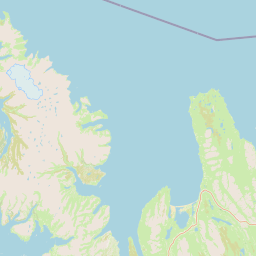
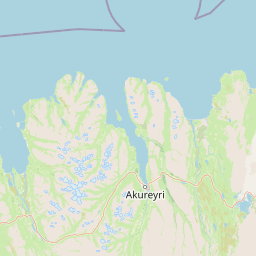
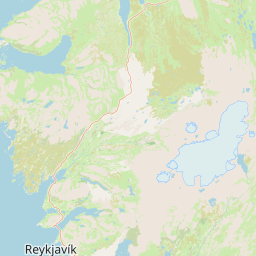
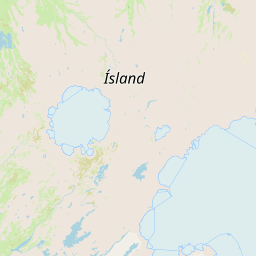
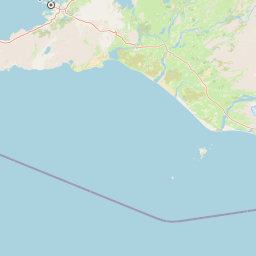
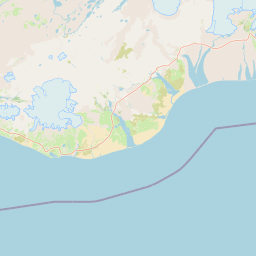
Reykjavík’s Old Harbour works for a city day at sea. Húsavík is a port on a northern route, while Akureyri and Lake Mývatn are separate accommodation bases. The map below places them on an actual OpenStreetMap base rather than drawing a route that pretends every arrival will be on time. It shows the difference between travelling back and forth from Akureyri to Húsavík and staying beside the port.
.jpg)
Work backwards from what you must do after disembarking
If you have felt unwell on boats before, do not ask only which boat is faster. A shorter RIB trip does not feel steadier to everyone; the space and speed of a traditional boat may suit you better, depending on sea conditions and your seat. Before booking, check whether there is a more stable place inside the boat, whether warm clothing is provided, whether the duration can change with conditions, and what happens if no whales are seen. If you have a medical concern, check with the operator or a healthcare professional rather than treating online comments as a substitute.
| Your situation | How to schedule it | Why |
|---|---|---|
| Prone to seasickness, with a long drive the next day | Stay one night at the port, choose an early sailing and add no fixed activity afterwards | Write recovery time after disembarkation into the itinerary instead of trying to make it up through willpower |
| Two northern nights in summer, with room to reschedule | Put whale watching on the first full day and keep the following day for Lake Mývatn or road adjustments | It is easier to absorb a change in sea conditions while staying in one base |
| Only one afternoon left, followed by an early flight or long transfer | Check cancellation and final check-in rules first; without retry space, consider not making the boat the main plan | One delay can affect accommodation, transport and departure |
If you have not chosen a departure port, read whale watching from Reykjavík or Húsavík first; that page deals with the port and the wider route. If Húsavík is settled, read whether to stay one night and put check-in and the drive after disembarkation back into the accommodation plan. This page deals with months and physical conditions; it does not turn three decisions into one “best month”.
Write the cancellation plan beside the booking
Keep four lines in the booking notes: operator, check-in time, the latest rescheduling rule and the fallback after cancellation. Check the port address and weather once more the night before departure; do not rely on a screenshot of the ticket page. If the route drives east from Akureyri, note accommodation with a workable cancellation policy. Otherwise the car park can reveal that the next night’s room cannot be changed, making the sea suddenly expensive.
With children or older travellers, eat a breakfast that is not too oily before the sailing and put warm layers at the top of the hand luggage. These details rarely make a glamorous whale-watching guide, but they often decide whether everyone still wants dinner after disembarking. If someone in the group is not especially invested in the sea activity, treat a nearby café, short walk or early check-in as the real Plan B.
SEA-DAY BOTTOM LINE
Without room to reschedule, do not make whale watching the one thing that has to succeed.
Wildlife does not run to a performance timetable. Choose a date that will not throw the whole northern route out of balance even if all you see is sea, birds and wind. That is the more mature booking decision.
Six questions before paying
- Is your date still within the operating season, and what are the actual sailing times?
- Where is the latest check-in, and how much walking or driving do you need from your accommodation to the port?
- Is it a traditional boat, a RIB or a longer version that includes puffin watching?
- If sea conditions cancel the trip, can you reschedule, try again or receive a refund, and what is the deadline?
- Will you still need to drive, change hotels or reach another meeting point after disembarkation?
- If someone becomes seasick, who will turn the rest of the day into a comfortable version?
Related reading
Choose the port, then choose tonight’s bed
Whale watching from Reykjavík or Húsavík: separate the city day from the northern day; Should you stay one night in Húsavík?: connect check-in, the sailing and the following day’s direction.
More to read
The northern base creates another decision
Lake Mývatn and Húsavík destination guide · Akureyri base · Five to seven days without a car
Q&A | Questions readers most often miss before paying
Which month is best for whale watching in Iceland?
No month can guarantee a whale sighting. First check whether you can leave room to reschedule, then plan around the operator’s seasonal departures, sea conditions and accommodation position. A day with several nights in the north is a safer basis than betting everything on a month.
Should I rule out Húsavík if I get seasick easily?
Not automatically, but compare boat type, wind and waves, sailing duration and the plan after disembarkation together. If you must drive a long distance the next day or have one non-changeable departure, move the activity to a date with a fallback or choose a shorter city-port activity.
Can I drive to Lake Mývatn immediately after whale watching?
You can, but do not treat the connection as guaranteed to be easy. Check the disembarkation time, the actual drive from the port to the next base, how the group is feeling and the accommodation check-in time. If the boat or sea conditions cause a delay, keep an option that does not require a precise arrival.
References
The following sources were checked in September 2026. Seasons, sailings, check-in, sea conditions and retry terms can change; before paying and on the day of departure, follow the operator’s confirmation.
- North Sailing: 2026 Húsavík timetable (published season, departures and date entry point).
- North Sailing: Whale Watching Tours (duration and sea-condition information).
- Gentle Giants FAQ (traditional-boat/RIB duration, check-in and no-sighting arrangements).
- Visit Akureyri: Whale Watching (northern port and base context).
- OpenStreetMap contributors: base map and attribution for the port-location map.
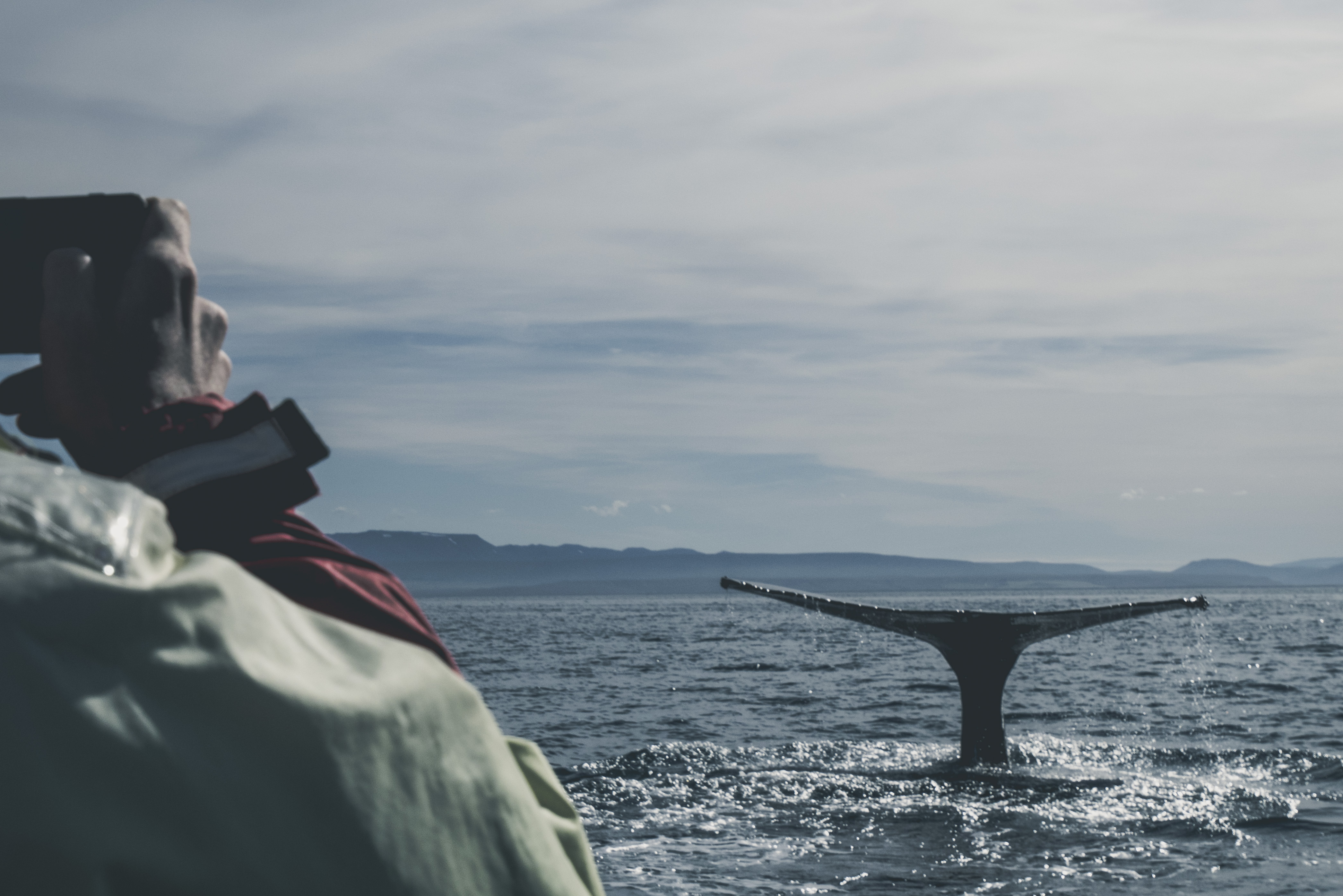
- Hero image: Davide Cantelli / Wikimedia Commons, CC0; the photograph shows the sea setting and does not represent current sailings or sea conditions.
.jpg)