
ACTIVITY DECISION · TWO PORTS
Whale sightings are never the part you can schedule with confidence. The useful comparison is what each harbour asks of the rest of the day: a city base in Reykjavík, or a northern night in Húsavík with less road after you step off the boat.

Reykjavík keeps whale watching inside a city day
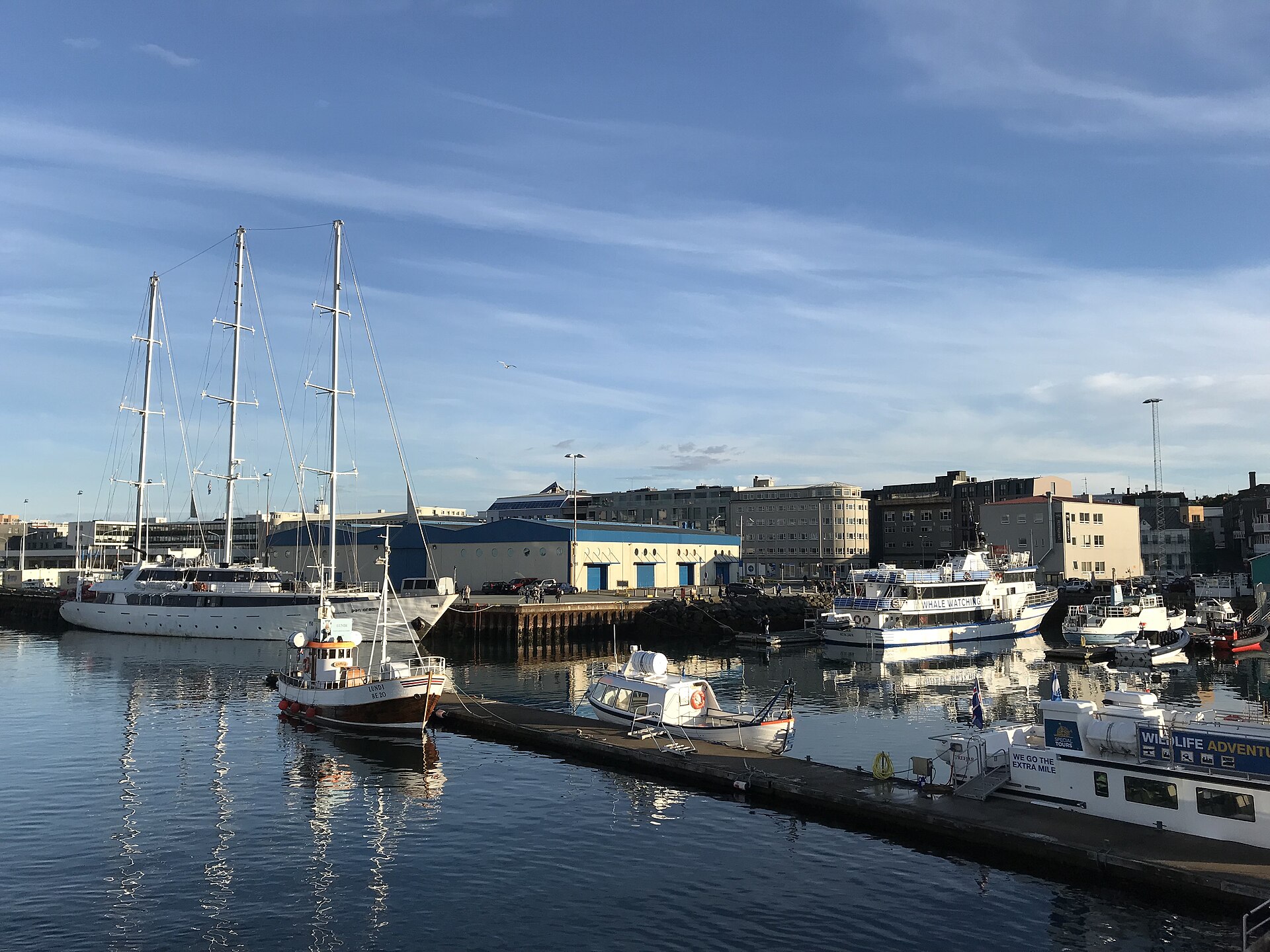
Most Reykjavík whale-watching tours leave from the Old Harbour. Visit Reykjavík describes it as a meeting point within walking distance of the city centre; Whale Safari's classic tour lists a duration of about three hours, operates year-round and meets at the Ægisgarður pier. If you are already staying centrally, you can return to the hotel after a morning departure, have lunch, visit Harpa or keep the evening for dinner. It is a half-day at sea that fits inside a city day.
That said, a city departure does not mean sleeping until the last minute. The meeting point, latest check-in and any same-day changes should be confirmed on your booking voucher. If you stay far from the harbour and meet rain and luggage in the morning, a short distance on the map can feel very different. If you are still deciding where to stay in Reykjavík, the trade-offs around Reykjavík's Old Harbour hotels separate harbour access from staying in the city centre.
Húsavík makes the boat the reason for a northern night
Húsavík is not merely Reykjavík's boat trip moved to another pier. North Sailing's original whale-watching tour lasts about three hours, while published timetables and the actual sailing remain subject to sea conditions, weather and the whales' location. It suits travellers already in the north: stay in town the night before, or continue the following day towards Lake Mývatn, Dettifoss and the east. You do not have to drive a long way back to the capital after disembarking; that ease is what makes the extra night worthwhile.
If you have only four or five nights in Iceland and your main route is Reykjavík, the Golden Circle and the South Coast, travelling north specifically for whale watching trades away time that could cover a South Coast night, weather contingency or a rescheduled activity. Húsavík's reputation does not change that calculation. Read how many days to allow for Iceland before deciding whether the north was already part of your trip.
| Your route | Better-fitting port | What you actually gain | Common misjudgement |
|---|---|---|---|
| 2–3 nights in the city centre, no car or only a south-west itinerary | Reykjavík Old Harbour | No extra northern overnight for the departure; a city day can absorb the time after the boat returns | Assuming a city tour means you can ignore the check-in time |
| The Ring Road already includes Akureyri, Lake Mývatn or the east | Húsavík | Keeps the harbour, accommodation and next day's direction in the north | Adding it as an effortless stop on an Akureyri return trip |
| Only one morning remains flexible | Use your existing base, not the better-known name | A sea-related change will not also disrupt accommodation and a long drive | Treating a free rebooking as a reason not to leave spare time |
| You want both seabirds and whales | Check the season and the named product | Lets you compare whether the boat type and departure time actually match | Assuming a June combination tour runs all year |
Put the two harbours back on the route map
If you have not booked accommodation yet, write down which day you least want to spend on the road. If you want to keep a full day in the capital, the Old Harbour is the clear answer; if you already have two nights in the north and whale watching is the activity you most want, let Húsavík take one of them. This reduces the chance of moving luggage around for a departure during the final two days.
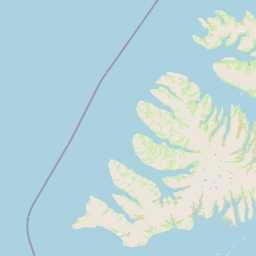
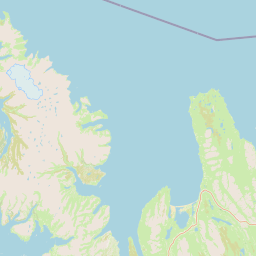
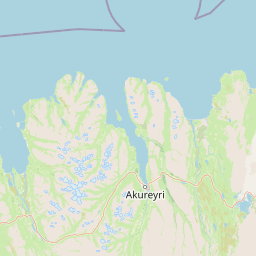
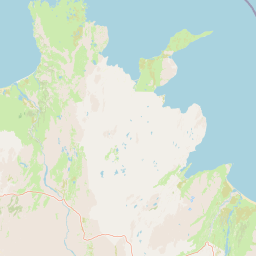
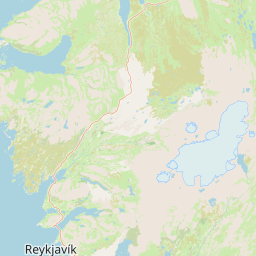
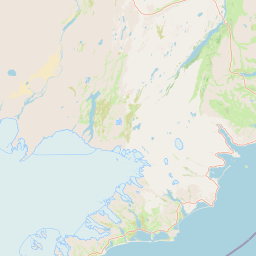
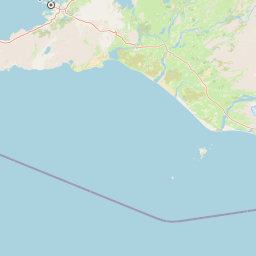
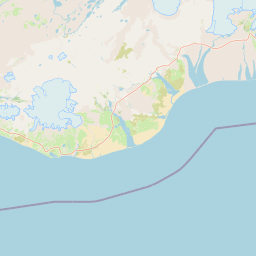
This map marks the relative position of two public meeting areas only. The dotted line is not a route and does not provide a driving time; its purpose is to put “Would I be in the north anyway?” before you book. Reykjavík extends a capital-city day out to sea; Húsavík reserves sea time within a northern route. Either can work, provided one port is not used to make the accommodation and transport decisions for the other.
If sea conditions cancel, keep a harbour-free version of the day
Boat type, season and “no sighting” still need checking
A port is not a landmark name but where you return that day. After an afternoon arrival in Reykjavík, you are usually still within a familiar city area if you need a shower or a proper meal. In Húsavík, a town booking gives you room to leave the sea air and seasickness in the same day. The same time at sea creates a different afternoon beside a different accommodation base.
In Reykjavík, Whale Safari currently schedules RIB boats from April to October, while the larger classic tour is available year-round; its RIB has restrictions relating to height, weight, age, pregnancy, and back and knee conditions. In Húsavík, North Sailing leaves the exact timetable and trip duration subject to the sea conditions on the day. When you see “two hours” or “best in summer”, open the product page for your date and check it rather than carry the claim from one harbour to the other.
Free rebooking or a place on a later sailing is not trip insurance. It only helps when availability, dates and the operator's terms allow it. The worst combination is whale watching today, a long transfer in the evening and a fixed-time activity tomorrow morning. If you want to plan the northern departure more precisely, should you stay overnight for whale watching in Húsavík? puts the checked KKday and GetYourGuide products, check-in and accommodation choices on one page.
ICENAVI · Protect the route, then choose the port
Choose the harbour that leaves a workable afternoon
Reykjavík suits a sea activity within a city day; Húsavík suits a sea activity within a northern day. Decide which half-day can absorb changing sea conditions, then build the accommodation and next drive around that port.
More reading
Q&A | Questions to settle before departure
Is it worth changing accommodation to Húsavík just for whale watching?
If you were already going north and are happy to leave a night by the harbour, Húsavík can reduce the return journey after the boat. If Reykjavík is your base for the whole trip, the Old Harbour usually removes one long transfer.
How should I fit a three-hour boat trip into the itinerary?
Allow for check-in, the sailing, returning to harbour and transport afterwards; do not reserve only the time spent on the water. Leave extra room for sea-related delays, especially before a fixed meeting time the next day.
Which port is guaranteed to have better whale sightings?
Neither is guaranteed. Boat type, sea conditions, season and the day's operation can all change the experience. Decide according to your base and full route, rather than bending the Ring Road around advertising that suggests better odds.
References
- Visit Reykjavík: Whale Watching in Reykjavík (Old Harbour as the meeting area for many tours and the city-departure context; checked 2026-08-25).
- Whale Safari: Reykjavík Classic Whale Watching, Our Tours (classic-tour duration, meeting point, year-round / seasonal products and RIB restrictions; checked 2026-08-25).
- North Sailing: Húsavík timetable, Whale Watching Tours (Húsavík classic whale-watching duration, timetable and changes caused by sea conditions; checked 2026-08-25).
- Hero image: Chris Yunker / Wikimedia Commons, CC BY 2.0; cropped and resized by ICENAVI. The photograph shows the whale-watching setting outside Reykjavík's Old Harbour and does not represent departures, sea conditions or wildlife sightings.
- OpenStreetMap: base map and attribution for the two-port whale-watching map; the pins show relative positions only and are not navigation, same-day roads, driving time, meeting points or departure guarantees.
.jpg)
ICENAVI ACTIVITY DECISION · PORT FIT
Which port fits the whole route better?
This card assesses how each port connects with accommodation, driving, departures and cancellation options; it does not assess whale-sighting success. Check sea conditions, departures and wildlife availability with the operator for your date.
The Old Harbour suits an existing capital-city stay; Húsavík pays off more when the northern route is already in place and you can leave a night open.
Reykjavík is a half-day within a city day; Húsavík should not be treated as an effortless return trip after leaving the capital.
Both ports can be affected by sea conditions and cancellations; staying near the departure port reduces accommodation disruption when plans change.
Húsavík saves driving only when the north is already on the route; a four- or five-night south-west itinerary should not change direction for whale watching.
Check the operator's rebooking and refund terms before placing a whale trip on a day with a non-negotiable long transfer.
Choose the port already on your route; do not turn “want to see whales” into a cross-island transfer by itself.
If comparing the ports has you wondering whether you could try again the following night after a cancellation, read how to judge the port and number of nights after a whale-watching cancellation and calculate the transfer, accommodation and next fixed address together.