

Secure the night you cannot replace; keep the rest cancellable

ICENAVI LOCK FIT · PEAK SEASON
Does this discount leave you a real way out?
These scores are an editorial view of booking risk, not hotel ratings; check the activity, flight, base, room type, transport and cancellation terms one by one on the payment date.
A confirmed flight, festival or activity meeting time is a reason to secure a scarce night; the schedule can still change with the operator or sea conditions.
Nearby areas still need workable rooms so a non-refundable rate does not trap the whole route; if only one area works, keep the booking refundable.
The room location must connect with the next direction, vehicle return and post-activity exit; snow, wind or a late drive lowers the value.
When beds, breakfast, parking, taxes, views and cancellation are clear, platform prices are like-for-like rather than two starting prices.
A walk, short transfer or spare evening can absorb a non-refundable booking; a long night drive after a fixed meeting time means you need an exit option.
Only above 7 does the price difference qualify as a discount; below that line, paying for cancellation preserves the right to reroute.
The most common peak-season booking trap is seeing one room left and choosing non-refundable; two weeks later the activity time has changed, the route still needs that area, and the second night has no room. Meanwhile the refundable rate has climbed and looks wasteful. The two prices buy different things: one buys a discount, the other buys the right to change the route. Name what you are buying before the numbers can help.
Four different reasons a peak period can tighten supply
School holidays, festivals, weekends and fixed activities can all reduce availability, but they do not affect a route in the same way. A room near a festival venue avoids one transfer after the crowd leaves; a room before a glacier-cave or whale-watching meeting time protects the start; a popular weekend may simply mean fewer choices in one area. Do not use one “peak-season surcharge” to explain all four situations.
| Why supply tightens | Which night to secure first | What a refundable rate buys | Condition for non-refundable |
|---|---|---|---|
| Festival / concert weekend | A base you can reach on foot or by a short transfer after the venue closes | A move to another area if the date, venue or party changes | Venue, date, party size and post-event transport are confirmed |
| Fixed-time activity | The night before the meeting point, plus the following night that still works if the activity is cancelled | An exit if sea conditions, weather or the operator changes the date | The product and meeting point are the exact versions you checked |
| School holiday / consecutive weekends | The most remote base or the segment with the fewest room choices | The option to shorten or extend the stay after checking roads and drive times | The next-day direction will not change with the weather |
| Popular-view room | The half-day when you will genuinely be in the room to see the view | The option to put the difference towards transport or a standard room if the view no longer matters | Room type, aspect, breakfast and parking are confirmed in writing |
ICENAVI editorial callSecure the most distant, hardest-to-replace night first; keep a city stay and the first night refundable where possible. In peak season, the scarce thing is not every room but the room that still lets you sleep well after a route change.
Location answers more than “only a few rooms left”
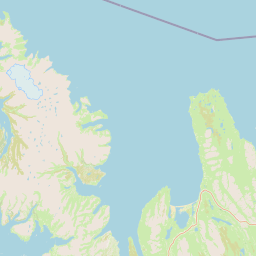
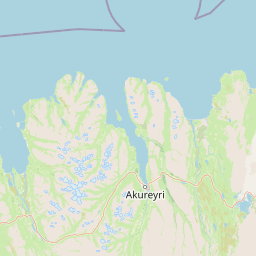
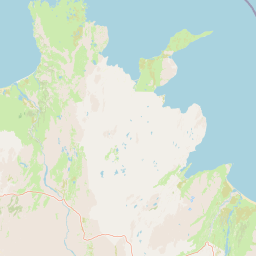
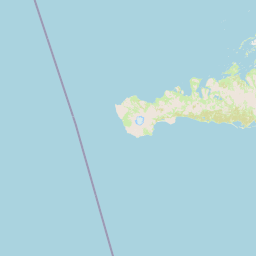
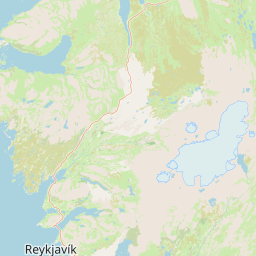
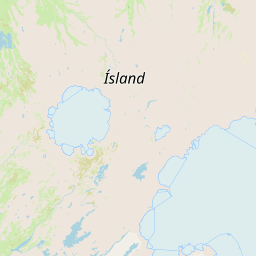
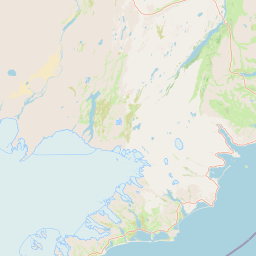
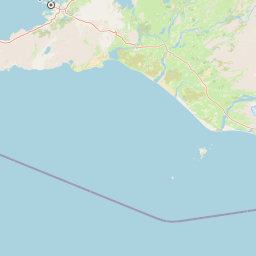
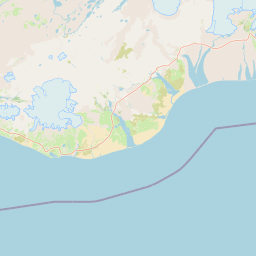
The map below places Keflavík, Reykjavík, Vík, Akureyri and Húsavík on a real OpenStreetMap base map. It does not tell you which area will sell out; it reminds you that a peak-season rate has to be read alongside the next day’s direction. If a room means a long drive after a festival, the discount has not really saved you money.

Festival weekends: check the finish time before choosing a hotel
Reykjavík’s Culture Night, Pride, music festivals and concert weekends do not necessarily make the whole city “sold out”; they more often change post-event transport, restaurants and designated transfers. The official events page updates dates and venues each year. Note the venue and finish time first, then check whether the hotel is walkable, reachable by bus or a short transfer. If you only plan to attend one night, keeping the event-night rate refundable is often more useful than protecting the following night.
A festival or peak period is not automatically a reason to stay in the city centre. If you need to collect a car and drive south early, a central stay can force the event finish, parking and car collection into one morning; without a car, wanting supper after a show makes the walk back practical value. Iceland festival and holiday accommodation decisions separates venue, restaurants, transfers and the next direction before you choose the rate.
Four “yes” answers before choosing a non-refundable rate
Choose non-refundable only when all four answers are yes: this night is in the right base; you can accept staying here if the activity, road or flight changes; the room type, beds, breakfast, parking and taxes are checked; and paying the full room cost even if it goes unused will not affect the next night. Miss one yes and the refundable rate is not wasteful; it is what you are buying.
| Question before payment | What “yes” means | What to do if “no” |
|---|---|---|
| Date and party fixed? | Comparing the starting rate is meaningful | Check refundable first; do not price an unknown with a discount |
| Will the next direction stay the same? | The room location connects with the route | Switch to a recoverable base or a longer stay |
| Are room type and terms clear? | Platforms can be compared on the same conditions | Ask the hotel to confirm beds, breakfast, parking and cancellation |
| Could you absorb losing the full amount? | The non-refundable rate is a real discount | Treat the difference as the cost of keeping a rerouting option |
Use one score to separate “safe to secure” from “I simply want it”
Calculate an ICENAVI booking-margin score out of 10 for each night. It is not a hotel rating and does not predict whether rooms will sell out; it asks whether a non-refundable room still has an exit if a small change arrives tomorrow. At 7 or above, the difference can count as a discount; at 6 or below, keep the rate refundable or move the base to somewhere with a second option. For trips between November and March, add seasonal service hours and daylight to the same score; last-minute Iceland off-season hotel booking breaks the calculation down by base, road and next-day task.
| Condition to ask about for one night | 0 points | 1 point | 2 points |
|---|---|---|---|
| Date and activity | Flight or activity still undecided | Date fixed, time may change | Flight, time and party confirmed |
| Base alternative | Only this area works | One neighbouring area can substitute | At least two bases fit the route equally well |
| Next-day direction | A change creates a long backtrack | Possible, but one stop must be dropped | East, south or the return to town all connect |
| Payment exposure | Fully prepaid and non-transferable | Partial refund or a time window | Cancellation / change terms are clear |
| End-of-day margin | A long night drive remains after the event or meeting | The route works but departure must be punctual | Walkable, a short transfer or buffer already allowed |
Example: A Reykjavík city-centre festival night with a fixed date, walkable finish and no car collection the next day will usually score 8–10; the same night on the South Coast with a night drive after the event may score only 3–4. A low score does not mean the hotel is poor; it means the non-refundable rate places the risk too close to you.
Peak-season booking order: secure anchors, then fill ordinary nights
First write down flights, fixed activities, festival venues and the car-return time. Then look only for accommodation near those anchors or in the same direction. Fill city stays and ordinary transfer nights afterwards. When supply really narrows, you will know which night to protect instead of letting “only a few rooms left” force payment every night. If only a remote, expensive room remains, the remote-room price-difference decision page adds repeated driving, dinner and the next exit so peak-season pressure is not mistaken for a must-buy.
Once the South Coast base is chosen, one or two nights in Vík separates the farthest stop, next-day direction and rate. If an activity is cancelled, replanning after an activity cancellation protects a recoverable night first. Hotel pages are useful once you know the role the base must play; before that, three platforms are simply three sets of apparently different starting prices.
ICENAVI · DO NOT PAY YET
Who should avoid a peak-season non-refundable rate?
If the date, activity meeting point or next-day base may still change, this discount is not for you. It also is not suitable if anyone in the party cannot absorb losing the full room cost. Keep one refundable room until flights, activities and road direction line up, then treat the difference as a genuine discount. A screenshot saying “only one room left” should not make every decision for you.
Choose the base first, then compare the same dates on three platforms
These buttons are not platform homepages. The first group searches Reykjavík city, useful for a festival, a car-free city day or a night whose details are already settled; the second searches Vík, useful when the route has already placed the South Coast activity before or after Vík. Cross-check the same dates, party size, similar room type, breakfast, parking, taxes and cancellation terms; “available” in peak season does not mean the same room.
Have you decided to keep the peak-season night in Reykjavík?
Compare refundable and non-refundable city rooms for the same dates
Does your South Coast anchor now fit?
Compare Vík rooms for the same dates and terms
If you still have not chosen the area, do not use a CTA yet.
Return to the Iceland hotel map and daily routes, place the activity, flight and next-day direction first; platform comparison belongs at the end, not at the start of choosing a base.
Related reading
Secure the peak-season anchors
Festival and holiday accommodation decisionsOne or two nights in VíkIceland hotel map and daily routesMore reading
Then check rerouting and payment
Replanning after an activity cancellationTravel insurance and cancellation lossesAccommodation cancellation termsQ&A | How do you check an accommodation decision quickly?
What is the most important judgement in this article?
Check your arrival time, next-day direction, fixed activity and road conditions first, then compare rates and facilities; do not rely on a score or one lowest price.
What should you recheck before departure?
Recheck check-in time, cancellation terms, transport and official road and weather information; this page cannot replace confirmation on the day of travel.
References
Rates, availability, festival dates, transport, activities and cancellation terms change. The following sources were checked on 5 September 2026; before payment, use the latest pages from the official organisations, hotel and platform.
- Visit Reykjavík | Events: official entry point for festival, performance and city-event dates and venues.
- SafeTravel Iceland: pre-departure source for road and weather changes; hotel cancellation terms are not a safety decision.
- OpenStreetMap contributors: the real base map and attribution for the five accommodation bases in this article.
- Sand Hotel by Keahotels: source of the public-space image; this site only resizes and compresses it to WebP and does not represent every room type, view or availability.