
ICENAVI STAY DECISION · REMOTE PREMIUM
The premium should buy route efficiency, not rarity
Scores are organised around fixed timings, return distance, end-of-day conditions, weather fallbacks and the next day's direction; they are not hotel-star or live-price ratings.
The premium has route value only when it supports an early fixed start, reduces backtracking and preserves a changeable end-of-day plan; scenery alone does not justify it.
When the meeting time is fixed and lateness means losing the activity, a closer room directly buys sleep and a better chance of arriving on time.
Whether moving on tonight means avoiding the same road tomorrow morning belongs in the room-price calculation more than the number of kilometres from a named attraction.
A remote room cannot open a restaurant that has already closed. Check arrival, kitchen access, fuel and supermarket options one by one.
A cancellable booking, a date-change option and a second base nearby are what offset the risk of snow and wind on remote roads; keep the information limits visible for non-refundable rooms.
If tomorrow heads the opposite way, an expensive room becomes the cost of backtracking. If it connects to the next main route or a fixed activity, arriving early may pay for itself.
Break the premium into actual costs
With a remote high-priced room, it is tempting to stare at the nightly difference. Put that difference beside extra fuel, parking, dinner, luggage handling, the risk of missing an activity and any non-refundable cost lost when weather forces a change. A room near a landmark is not necessarily near the meeting point, and a hotel that says “nearby” does not mean the operator collects guests at the door.
| Choice | What the premium saves | Hidden costs | When it is not worth it |
|---|---|---|---|
| Stay in the expensive remote room | Sleep before a fixed activity, one less return drive, a faster start after daylight | Fewer food options, late key collection, fuel-station distance, non-refundable risk | The next day runs the other way, there is no fixed activity, or the room is bought only for a scenic vacancy |
| Move to a service-oriented base | Restaurants, supplies, more room types and room to change route when roads shift | An extra drive, an earlier start, and a possible loss of sunrise or meeting-time buffer | Check-in is very early, or backtracking adds a long stretch of night driving to the day |
| Choose an alternative attraction without staying there | The budget stays available and time goes to an attraction in the next day's direction | No nearby-attraction morning, and activity availability may be limited | A fixed activity, ferry or designated meeting is already paid for and cannot be changed |
The time ledger: Link “leave the last attraction → drive to the accommodation → find food → check in → set out again tomorrow” as one chain. If the expensive room saves only 25 minutes of driving but adds 90 minutes of no-dinner, no-refund risk, the premium may not buy convenience. If it removes an hour of dark driving before a fixed activity, include safety and punctuality in the calculation.
At eleven at night, the booking page shows one room labelled “mountain view”. It costs more than planned, yet the map puts it a little closer to tomorrow morning's activity. Paying feels urgent because “look again” sounds like losing the room. The opposite mistake is to follow the number alone, choose a cheap small town, then discover the early start, the missing hot meal and the same road to drive again after the activity. This guide does not defend expensive rooms or encourage rarity shopping; it judges the premium against the whole route.
Which risk is the room actually removing?
| Work the room removes | When the premium is more likely worthwhile | Signal to pause payment | Next information to check |
|---|---|---|---|
| The morning of a fixed activity | The reporting time is fixed, and a farther stay would turn sleep into dark driving | The meeting point is unconfirmed and the product only says “nearby” | Operator address, pre-arrival buffer and cancellation deadline |
| A repeated stretch of road | Moving on tonight means not reversing along the same Route 1 tomorrow | Tomorrow actually goes the other way and dinner requires turning back | Tomorrow's first stop and the fixed timing for departure or car return |
| Dinner and supplies | The drive is long, but the town still has a reliable restaurant, fuel station or supermarket | Only self check-in remains and restaurant hours and supplies are unclear | Arrival time, restaurant/kitchen and nearest supply point |
| A weather-related route change | The booking can be cancelled and a second route or base can end the day nearby | The booking is non-refundable and the remote road is the only exit | Accommodation terms, road.is / SafeTravel and an alternative base |
My stop line: If the room-price difference cannot point to one clear fixed timing it saves, I do not call it convenience. A view can be beautiful, but it will not get you to an 8:30 meeting or leave a late arrival with a bowl of soup.
Compare the remote location with the activity, services and next leg
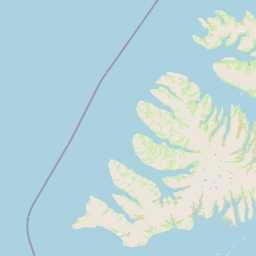
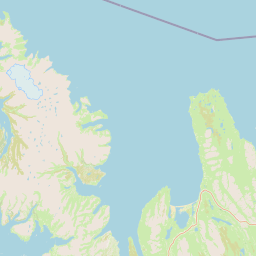
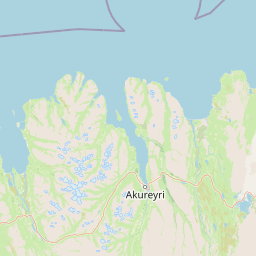
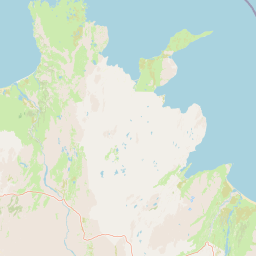
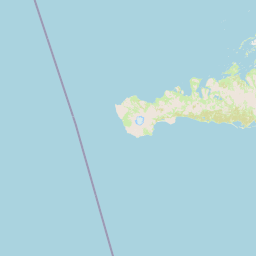
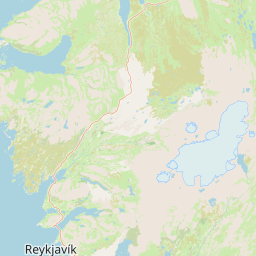
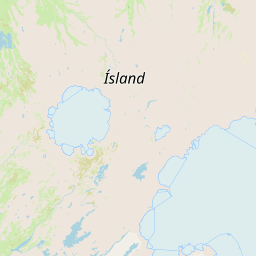
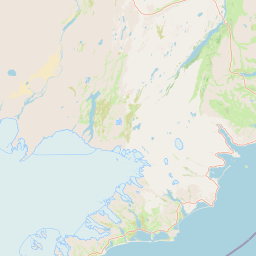
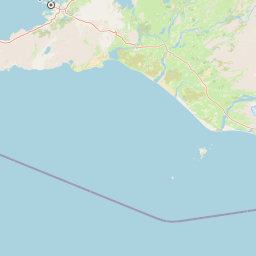
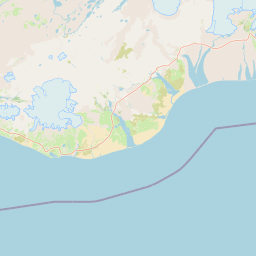
On a map, Iceland's South-East Coast becomes a neat line, while booking pages describe every place as “close to the sights”. In practice, Skaftafell serves trails and glacier activities; Jökulsárlón sits beside Route 1, while the lagoon and beach create a different kind of stop; Höfn buys supplies, restaurants and an eastbound exit for the next day. The north has the same distinction: Egilsstaðir is an eastern service hub, while Seyðisfjörður asks you to treat the mountain pass and the fjord town itself as an afternoon. The map below marks roles, not same-day driving times.
Three scenarios, three different answers
1. Skaftafell / Jökulsárlón: an early start matters more than the view
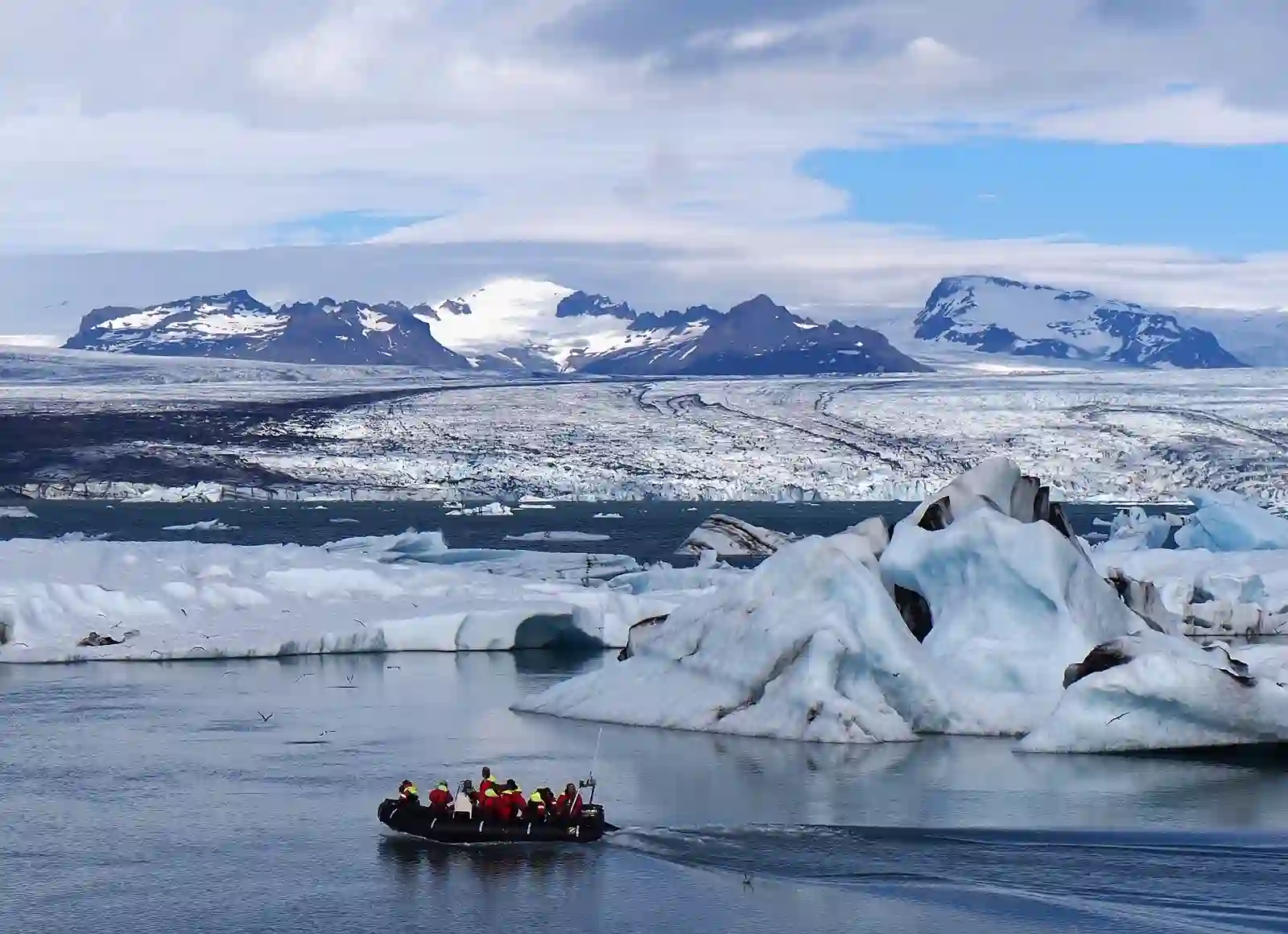
Skaftafell Visitor Centre is open year-round, with hours listed by month; national-park information also positions it as an entry point for trails, accommodation and activity information. Jökulsárlón lies beside Route 1, and official South Iceland information notes that lagoon, Diamond Beach and tidal conditions change, so “free to reach” does not mean zero time. If tomorrow brings a glacier hike, a designated boat departure or a longer trail, staying near the meeting point or trail for one night saves a morning without a dark return drive. If you are only seeing the lagoon and continuing east, the three-base accommodation decision for the glacier lagoon is the better place to calculate Höfn's supply value.
2. Egilsstaðir / Seyðisfjörður: a town's atmosphere is not a service hub
Visit Austurland describes Egilsstaðir as an eastern hub, listing the airport, buses, food and roads to the fjords. Seyðisfjörður offers the harbour, colourful wooden houses, art and trails, while Route 93's mountain pass also belongs in the day's calculation. If waking in the fjord, an afternoon art event or a trail is the point, a remote room can be part of the experience cost. If tomorrow needs fuel, food and progress towards Mývatn, Egilsstaðir gives you a fallback. The Seyðisfjörður or Egilsstaðir accommodation page handles room types and direction; this article first asks whether the premium is doing useful work.
3. Mývatn / Húsavík: a fixed departure is what makes the premium pay
Whale watching is not a blue dot to decide about after reaching the north; reporting time, sea conditions and the road still required after returning from the boat all occupy the morning. If the premium means you do not repeatedly drive from Mývatn to Húsavík, or lets you remain at one base when the activity is cancelled, it preserves the ability to finish the day cleanly. Without a fixed sea activity, and with the next day heading west, do not lock in an expensive room merely because the hotel says “near the lake”; check the Mývatn and Húsavík destination split first, then return to the room price.
Five-minute base-change check: score the room’s actual job
Give each question 0–2 points: 2 means it directly changes whether the day succeeds, 1 means it helps but can be replaced, and 0 means it is simply a preference. This is not a hotel rating. It is a guardrail against paying at midnight because three words say “only one left”.
| Question | 2 points | 1 point | 0 points |
|---|---|---|---|
| Is there a fixed timing tomorrow morning? | Fixed check-in or boat departure; lateness loses the activity | You want an early start but can change the date | No fixed start time |
| Would changing base repeat the drive? | You would reverse along the same stretch | A short extra drive is acceptable | Tomorrow already follows the same direction |
| Does the room have reliable end-of-day conditions? | Cancellation is possible, with clear late-arrival and food arrangements | Self check-in is available, but you must prepare | Terms and services are unconfirmed |
| Is there a fallback if the road changes? | A second base or route change is available nearby | You need to drive farther to leave | One exit and no refund |
| Will everyone travelling actually use the location? | The key activity or trail is nearby | You mainly want the view and will stay briefly | You are only afraid of missing the room |
Whatever the score, add fuel, parking or area fees, dinner and the time cost of one drive to the room difference. A much cheaper room that adds an hour of driving tomorrow may not save money. A slightly dearer room that lets you stay at the same base after a cancelled activity may be buying flexibility rather than a view.
Last checks before payment: the risk is unclear end-of-day logistics, not simply the price
I would shrink the hotel page down once more and ask: what is the latest check-in time? Is late arrival met by a host, a door code or key collection elsewhere? Is there genuinely open food nearby tonight? How are parking or area fees charged? Does tomorrow's first stop still require driving back the way you came? Only then check the cancellation deadline, placing it beside the activity, rental-car and ferry deadlines. Peak-season cancellable versus non-refundable booking decisions handles the terms difference; last-minute low-season bookings handles supply and daylight. This article asks one further question: is the room actually completing a piece of route planning?
If the remote name only looks rare, I would not use the last room to talk myself into an awkward route. If tomorrow has a fixed activity and a dearer room lets the group drive less before daylight while retaining a cancellation exit, I would treat the premium as part of the trip's contingency budget rather than a hotel upgrade. Once that decision is made, move to Iceland accommodation night allocation and the eight-day Ring Road accommodation route before choosing a specific room.
Define what the base needs to do
Jökulsárlón and Skaftafell destination
How to choose among three glacier-lagoon bases
East Fjords shoreline and main-route exits
More reading
Move to the next booking decision
Seyðisfjörður or Egilsstaðir
Mývatn or Húsavík
Hotel decision hub
References
The following sources were checked in September 2026; roads, activities, accommodation services and opening hours change, so check again for your dates.
- Vatnajökull National Park: Skaftafellsstofa Visitor Centre (open year-round, with monthly visitor-centre hours and information role).
- Visit South Iceland: Scenic Nature (Jökulsárlón beside Route 1, Fellsfjara / Diamond Beach, tides and floating-ice safety reminders).
- Visit South Iceland: Glacier Lagoon Boat Tours (approximately 30–40 minutes, seasonal window and regional distance context for Skaftafell / Höfn; current availability governs).
- Visit Austurland: Egilsstaðir (eastern hub, airport, buses, food and services).
- Visit Austurland: Seyðisfjörður (Route 93 mountain pass, harbour, art, trails and town activities).
- Visit Austurland: Fjord to Fjord (eastern-fjord direction from Egilsstaðir and seasonal side-route reminders).
- Visit Húsavík (Húsavík harbour and whale-watching activity gateway; confirm reporting time, sea conditions and cancellation terms with the operator).
- Icelandic Road and Coastal Administration: Road Conditions (road, closure and weather-related changes; recheck by date and time).
- Safetravel.is (Iceland travel safety, weather and route-risk reminders; it does not replace same-day road judgement).
- OpenStreetMap contributors (base map and attribution for the five-location figure; for orientation, not navigation).
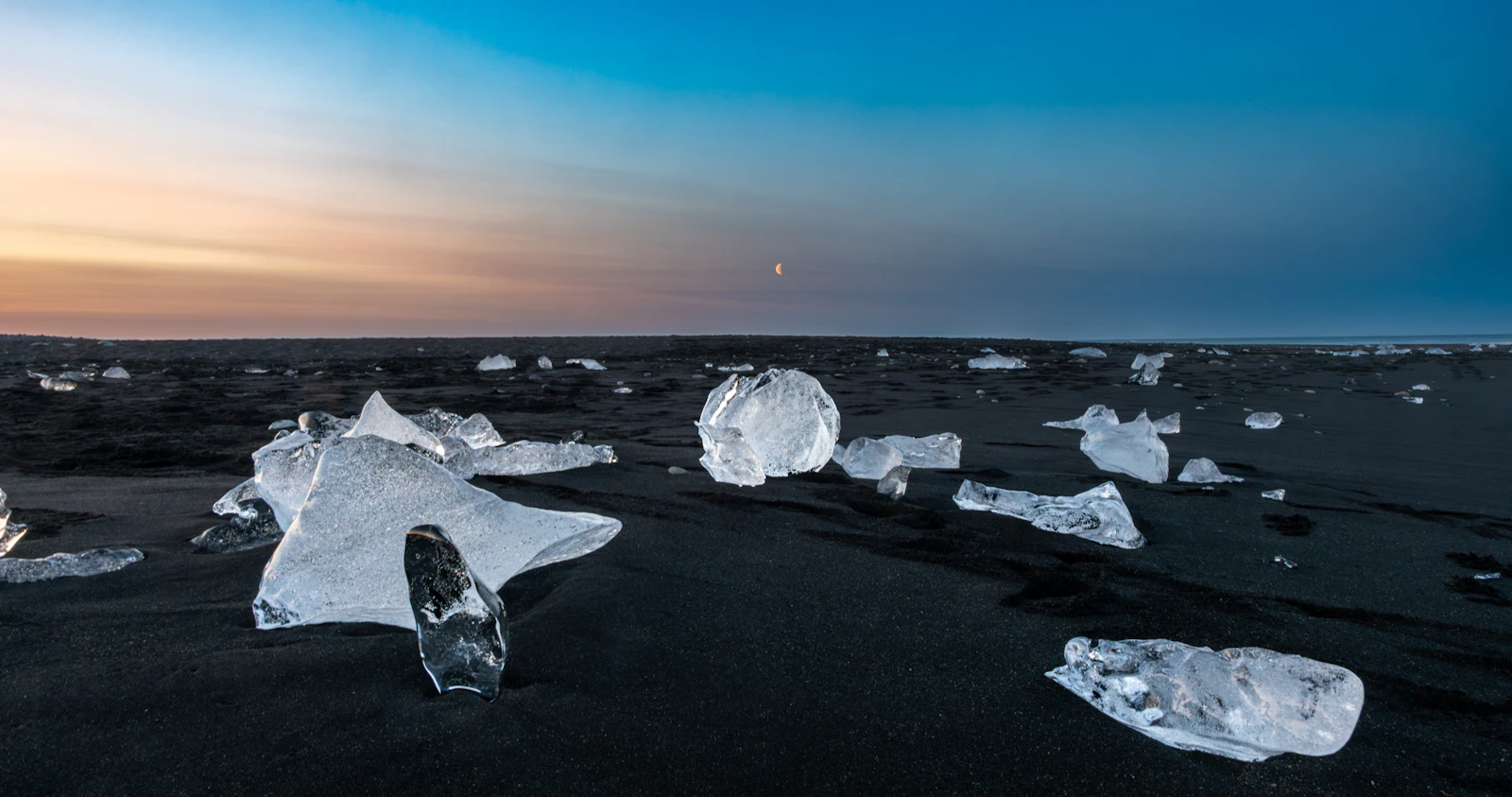
- Hero image: Joseph Corl / Wikimedia Commons, CC BY-SA 4.0; for understanding the glacier-lagoon and black-sand-beach setting only, not conditions on the travel date.
This is not a live room-price, road-condition or activity bulletin. Room types, cancellation, late arrival, food, area fees and the final total are governed by the hotel's, park's, road service's and activity operator's current information.
Frequently asked questions
How can I make the safer choice?
Check transport, roads, arrival and cancellation terms for the specific date, then preserve a buffer around the group's energy and tomorrow's first fixed timing.
References
Activity dates, venues, roads, tickets and opening arrangements change; check each item against the sources at the end of the article before departure.