
DESTINATION HUB · AUSTURLAND
The Eastfjords are easy to add on a map and easy to underestimate on the road. A harbour town, a mountain pass and the next Route 1 leg can consume the same afternoon. The useful question is whether you can let the drive unfold slowly and still reach tomorrow’s base on time. This guide treats East Iceland as a route choice, then places the sights around it.
Short on nights? Stay on the main route. With 8–10 nights, give the Eastfjords two nights.
On a 6–7-night trip, tight flight times or a south-to-north transfer leave too little slack for the fjords. Keep that night elsewhere so a late start or weather change does not unravel the route. Add East Iceland when you have 8–10 nights, summer roads you can recheck and a real wish to spend time in the coastal towns and valleys. With one night only, choose Egilsstaðir or Seyðisfjörður by the next day’s direction; one afternoon cannot cover every fjord.
ICENAVI DESTINATION FIT · EASTFJORDS
The Eastfjords earn their place when one afternoon is not broken apart by driving
Scores reflect usable nights, slow coastal travel, inland services, flexibility around the mountain pass and the following day’s exit. Recheck roads, ferries, activities and accommodation for your travel dates.
Seyðisfjörður, Djúpivogur and the smaller bays reward travellers who slow down. Their value is lost if you see them only through the car window.
Egilsstaðir places food, fuel, laundry and the Route 1 exit around one base, making it easier to simplify the route when the weather changes.
With one night, you must choose between an inland exit and a morning by the sea. Driving back and forth across several fjords turns the stay into transit time.
Two nights let you separate a practical resupply stop from slower coastal time, move luggage one fewer time and retain room for fog, wind or activity delays.
Fjarðarheiði, gravel side roads and fog can change the same itinerary. In winter or the shoulder seasons, keep Egilsstaðir available as your fallback.
On a trip of 8–10 nights or more, two nights allow East Iceland to become part of the experience. With one night on a shorter route, the next day’s exit should come first.
Choose the overnight role before choosing the town
Our East Iceland coverage treats the Egilsstaðir destination hub as the practical inland base. The Seyðisfjörður town guide is about the harbour, art, swimming pool, walking trails and the Route 93 mountain pass. Farther south, Djúpivogur works mainly as a coastal break between Höfn and the rest of the region. The names can look interchangeable on a short itinerary, but they answer different needs: services and an easy exit, time beside a fjord, or a manageable pause in a long drive.
| What you need from the stop | Better-positioned base | What the night gives you | Do not assume |
|---|---|---|---|
| A morning among fjords, colourful timber houses, the harbour or art spaces | Seyðisfjörður | The town and its walks are outside your door, with no need to descend the mountain after dark | Fjarðarheiði is equally easy to cross throughout the year |
| Fuel, groceries, laundry, Vök Baths and a return to the main route the next day | Egilsstaðir | Inland services and exits north or south, with more room to reroute if the weather deteriorates | An inland base means you have experienced every coastal fjord |
| A short stop, lunch or a taste of a coastal town when travelling east from Höfn | Djúpivogur | A breathing point that breaks up a long driving leg | A short stop is free of time costs |
The map matters because the coastal base is not the inland base
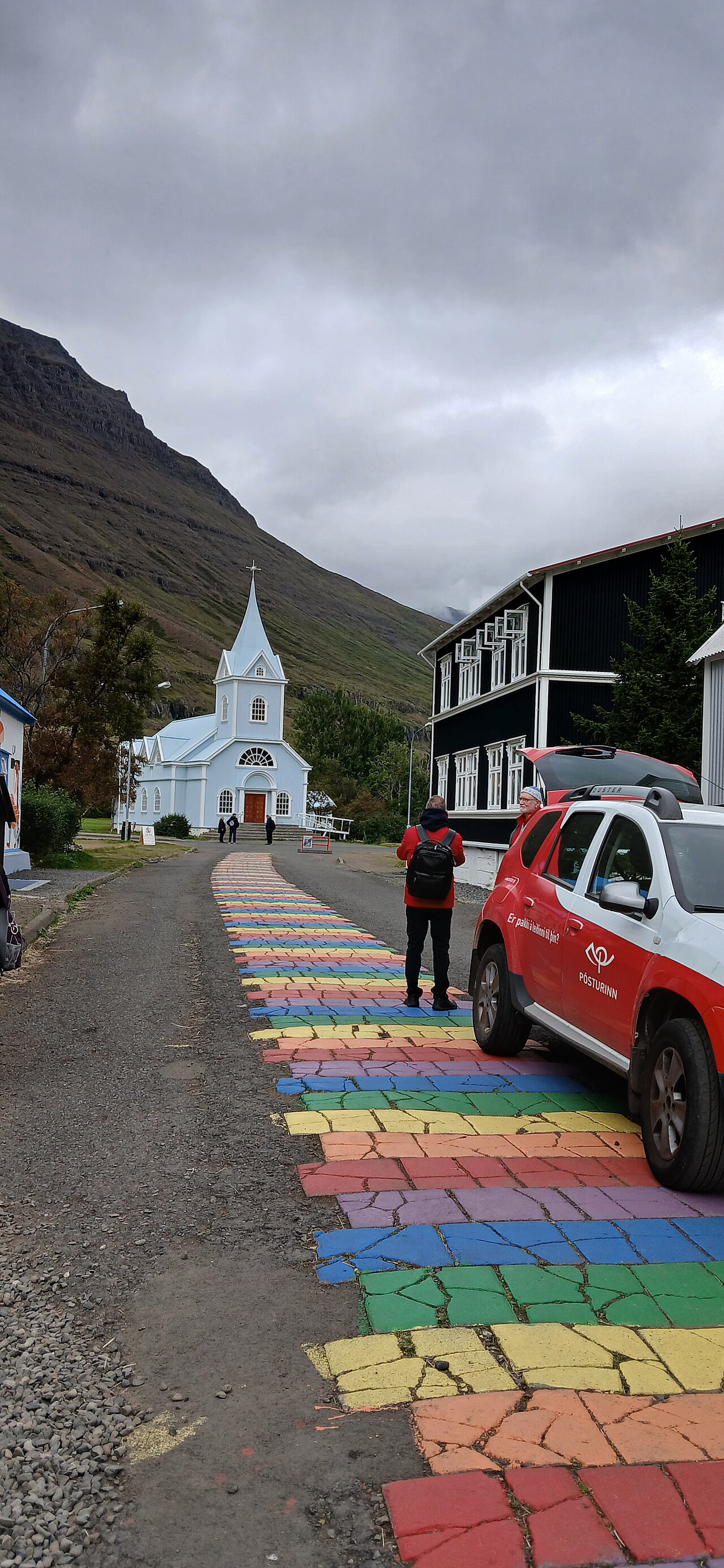
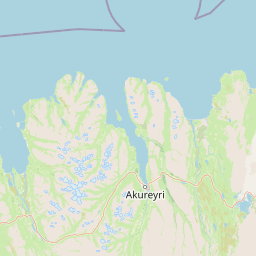
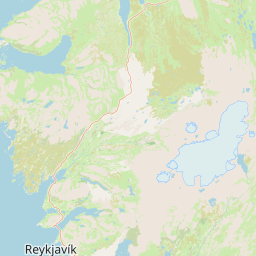
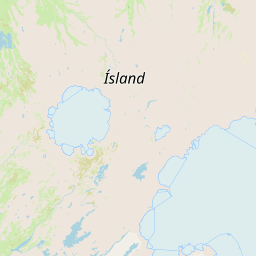
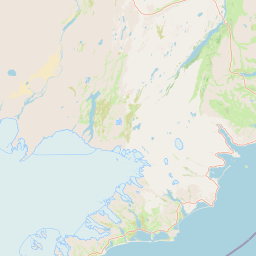
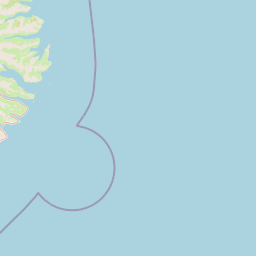
Compact maps make East Iceland look like one narrow coastal strip, hiding the passes, side roads and bends that shape the day. The map below places Höfn, Djúpivogur, Egilsstaðir and Seyðisfjörður in relation to one another. It is not navigation and it does not predict driving time. Use it to answer a simpler planning question: after tonight’s drive, will you wake beside a fjord, or wake inland with Route 1 and the next exit close at hand?
Budget the stops, not just the kilometres
The figures below are route-planning baselines, not promises about a particular day on the road. Fuel, parking, photographs, food and the time spent finding your accommodation sit outside the basic driving estimate. Build an itinerary around the map’s minutes alone and the first thing likely to vanish is the coastal morning that made you add East Iceland.
| Driving leg | Navigation baseline | Practical time to allow | What a delay takes first |
|---|---|---|---|
| Höfn → Djúpivogur | About 103 km / 1 hour 20 minutes | 2.5–4 hours | Coastal stops and lunch; arriving late also compresses your time at the accommodation |
| Djúpivogur → Egilsstaðir | About 146 km / 2–2.5 hours | 3.5–5 hours | Inland resupply, check-in and room for an early start north the following day |
| Egilsstaðir → Seyðisfjörður | About 27 km / 30–40 minutes | 1.5–3 hours | Walking around the harbour town, the pool or an art activity; the visit shrinks to a photo stop |
| Egilsstaðir → Mývatn | About 175 km / 2–2.5 hours | 3.5–5 hours | Your first Mývatn activity or the buffer after breakfast, forcing both regions into one day |
With one night, let the next morning choose the base
Driving north from Höfn towards Mývatn or Akureyri? Egilsstaðir is usually the easier finish because food, fuel, accommodation and the Route 1 exit sit in the same decision. Continuing over the pass to Seyðisfjörður makes sense when the Eastfjords themselves are the point of the trip. The harbour, timber houses, waterfall walks and art need an unhurried evening, not whatever time remains after a long transfer. If fog changes your view of the pass, the Eastfjords fog-day decision table compares staying by the sea, retreating inland and ending the eastbound drive. For a waterfall day south of Egilsstaðir, the Hengifoss trail decision guide sets out Route 931, the 4.5 km return walk and the muddy return to the car. If East Iceland is followed by North Iceland, Mývatn or Akureyri after the Eastfjords helps decide which morning should carry the longer drive.
For a single coastal stop, the Djúpivogur town guide distinguishes a short visit, Langabúð, Búlandsnes and the circumstances that justify a night. You cannot also assume that every fjord, Seyðisfjörður and an on-time Egilsstaðir arrival will fit. An attraction without an entry fee still takes time to park, find a toilet, eat, take photos and rejoin the road. The Höfn and Southeast Coast destination page sets out what the eastbound leg asks of the evening. East Iceland is a sequence of route choices, not one box to tick.
If one dawn around Höfn matters for coastal photography, the guide to the waiting cost at Stokksnes and Vestrahorn tests how much flexibility that night actually gives you. Check it before adding another Eastfjords night.
If East Iceland follows a glacier-lagoon activity, begin with the choice between Höfn, Djúpivogur and Egilsstaðir after the glacier lagoon. It puts the activity finish, the need to resupply and the following morning’s direction into one evening decision.
Two nights give the region room; three absorb a change of plan
With one night only, start with where to stay for one night in the Eastfjords. Decide whether the priority is Egilsstaðir’s inland fallback or a morning in a coastal town, then choose the side road.
Two nights let East Iceland become part of the trip rather than a transfer with a view. A first night in Egilsstaðir followed by Seyðisfjörður separates practical resupply from coastal time. Going straight from Höfn to Seyðisfjörður makes the first day longer and may leave the second day with little more than an inland stop. There is no hotel order that guarantees you will “see the most”; the useful choice is the morning you do not want to spend driving. If you are sharing the itinerary between the Eastfjords and Westfjords, the 10- to 12-day fjord comparison checks which region reconnects more cleanly with the main route.
| Available nights | More dependable structure | Best suited to | What to leave out |
|---|---|---|---|
| 1 night only | Choose either Egilsstaðir or Seyðisfjörður | Travellers already following the Ring Road who want one distinct experience of East Iceland | Do not add remote branches such as Mjóifjörður or Neskaupstaður |
| 2 nights | Egilsstaðir plus Seyðisfjörður, or two nights in one coastal town | Travellers treating East Iceland as a destination rather than a transfer | Do not change rooms every day and still expect a slow pace |
| 3 nights or more | Keep an inland fallback, then choose one coastal section or fjord for slower exploration | Travellers with long summer days and time that can absorb weather or activity changes | Do not declare every fjord essential |
Seyðisfjörður is also a ferry port, not only a scenic detour
Seyðisfjörður is Iceland’s port for the international Norröna ferry, and the sailing schedule changes by season. That matters when the town is your arrival point rather than an evening detour. Travellers arriving from Denmark or the Faroe Islands enter through the harbour; drivers coming from Route 1 are simply visiting the town. A ferry port does not imply daily transport or a flexible check-in. If you arrive by ship, the first-night decision guide after disembarking from Norröna puts harbour procedures, Fjarðarheiði, car hire and supplies in Egilsstaðir beside one another. Confirm Smyril Line’s current sailing, vehicle space and check-in rules before building the itinerary around it.
Mjóifjörður also changes character with the season. Visit Austurland describes road access in the warmer months and a boat connection at other times. If you are comparing the summer gravel Route 953 with a winter passenger ferry that does not carry cars, the Mjóifjörður destination guide explains the seasonal transport and the time required to return. A summer photograph cannot establish that the same side road will work in the shoulder season.
If you want to continue northeast from the Eastfjords, the Borgarfjörður eystri destination guide separates Route 94, the puffin season at Hafnarhólmi and hiking on Víknaslóðir. It requires another full day and cannot be treated as a brief stop on the outskirts of Egilsstaðir.
If harbour history appeals more than a long hike, Fáskrúðsfjörður places the French museum, bilingual street signs and coastal Route 955 within a manageable half-day. Decide between the tunnel and the coast before continuing to your next base in East Iceland.
When driving northeast from Höfn and looking for a stop close to Route 1, see Breiðdalsvík. Its black-sand beach, valley waterfalls and indoor village activities work as separate segments. Half a day is enough, so you need not commit to two nights first.
For an indoor cultural stop that breaks up a long East Iceland drive, Stöðvarfjörður has Petra’s Stone Collection beside Route 1. Placing it between Breiðdalsvík and Fáskrúðsfjörður usually works more smoothly than opening another remote side route.
A little farther north lies Eskifjörður. The maritime museum works on a rainy day, while Hólmanes is better saved for a half-day with calmer wind. This sequence gives an Eastfjords cluster another stop that can be shortened or extended.
To continue towards the easternmost point of the region, see Neskaupstaður. Its eight-kilometre tunnel, three-in-one museum and Easter Cave each carry a separate time commitment. Decide between a half-day and an overnight stay before arranging activities.
For a more complete stop in the middle of the region, see Reyðarfjörður. The wartime museum suits a rainy day, while Búðarárfoss and the fjord trail need half a day. Whether to stay overnight then depends on your northbound or southbound exit.
Activities work here when the afternoon is genuinely free
East Iceland’s tourism pages list kayaking, sea angling, walking trails, the swimming pool and art activities in Seyðisfjörður, alongside waterfalls, coast and valleys linked by the Fjord to Fjord route. One of these can give the afternoon a purpose; none turns a long Ring Road transfer into spare time. Put the meeting point, cancellation terms and return drive beside the room booking. The two-hour RIB boat-trip decision guide covers harbour logistics, waterproof clothing, the May-to-September season, companion requirements and the drive over the pass after returning to port. Where a product has not been checked, keep the wording informational rather than turning a possible tour into a purchase prompt.
Use organisers’ current calendars for festivals, exhibitions and workshops. Seyðisfjörður dates can move, and a town page is only the route to the information. Confirm the time, language and venue before paying so an old event listing does not dictate the hotel plan.
In winter and shoulder seasons, keep the inland option open
Short daylight, crosswinds and unsettled mountain-pass conditions make Egilsstaðir more than a fallback on the map. An inland night gives you time for supplies, charging, laundry and breakfast before you decide whether the coast is sensible. A seaside booking exposes both the road and dinner window to the weather. Either base can work; a summer road photograph cannot promise an autumn or winter arrival.
That is why a view alone should not decide an East Iceland hotel. If Mývatn is tomorrow’s direction, a cancellable booking, late-arrival policy or position near the main route may be a better use of the room-price difference. Moving luggage for a slow coastal town makes more sense when you have two complete nights. For the next hotel decision, see Seyðisfjörður or Egilsstaðir: where to stay. If only one expensive room remains, the Base Switch Test for remote-area room-price gaps asks whether the premium buys a view, easier resupply or one fewer return drive.
ICENAVI · THE FINAL EASTFJORDS VOTE
The Eastfjords ask for a slower trip, not a bigger claim.
The region earns its place when an afternoon can belong to a harbour, a small town, a valley or a stretch of coast without a second destination competing for it. If the itinerary has no such afternoon, East Iceland is an extra driving leg. Give it two nights and the curved line on the map has enough time to become a place you actually visited.
Answer these seven questions before you book
- Is tomorrow morning’s first destination Mývatn, Akureyri, a coastal town or the road back towards the airport?
- How many genuinely usable nights do I have in East Iceland, rather than calendar days?
- If I have only one night, have I already chosen between Egilsstaðir and Seyðisfjörður?
- If the mountain pass, wind or sea fog changes the plan, does the accommodation still leave me a comfortable fallback?
- Does the activity I want have a current time, meeting point and cancellation policy?
- Am I treating Djúpivogur as a stop to make when time permits, rather than a free compulsory attraction?
- Does this room-price difference buy a view, easier resupply or one fewer unnecessary return drive?
If two answers are still unclear, pause before opening a hotel platform. Revisit the side-route trade-offs in a nine-day itinerary or the night allocation for an eight-day Ring Road trip, then place East Iceland back into the whole route. If fog gathers over the pass, use the Eastfjords fog-day decision table before moving the room inland. The region does not need to be defended by trying to fit every fjord into one visit.
If you have two days for the Eastfjords, use the two-day Eastfjords itinerary to distinguish your base from the next exit.
RELATED READING
Your next accommodation decision
Seyðisfjörður or Egilsstaðir?
How should Egilsstaðir and Vök Baths fit together?
MORE READING
Put East Iceland back into the Ring Road
Should you continue east after Höfn?
How should you divide hotel nights on an eight-day Ring Road trip?
Q&A | Is one extra night enough for the Eastfjords?
Should I add the Eastfjords to a six- or seven-night Ring Road trip?
Usually, no. Winding roads use the buffer you would otherwise have for activities on the South Coast or in North Iceland. Two nights becomes workable with 8–10 nights, stable summer roads and a genuine interest in the coastal towns. The constraint is the itinerary’s time, not a verdict on the landscape.
For one night, which is the better base: Egilsstaðir or Seyðisfjörður?
Choose Egilsstaðir when you need supplies, the Route 1 exit or a simpler inland start the next day. Choose Seyðisfjörður when the harbour, town walk and art are the reason for stopping. Check the roads, pass and ferry sailing on the day. The preference for waking beside the sea is the personal part of the decision.
What is the main shoulder-season risk in East Iceland?
It is losing flexibility, not running out of sights. Mountain passes, road conditions and opening days can change the intended route. Cancellable accommodation and a clear next-day exit are more useful than booking every fjord in advance.
References
The following sources were checked on 6 September 2026. Roads, mountain passes, ferries, activities, accommodation and event calendars can change; recheck the current pages before paying or departing.
- Visit Austurland | Seyðisfjörður (harbour, art, walking trails, swimming pool and town services).
- Visit Austurland | How to get here (flights to Egilsstaðir, Route 1, Strætó 56, the Norröna route and seasonal reminders).
- Visit Austurland | Ferries (background on the international ferry at Seyðisfjörður and seasonal sailings).
- Visit Austurland | Fjord to Fjord (the route roles between Egilsstaðir and several eastern fjords, plus the seasonal boundary for Mjóifjörður).
- SafeTravel Iceland and the Icelandic Road and Coastal Administration (departure-day checks for roads, weather, mountain passes and alerts).
- OpenStreetMap contributors (base map and public geographic data for the East Iceland location map in this article; the map is not for navigation).
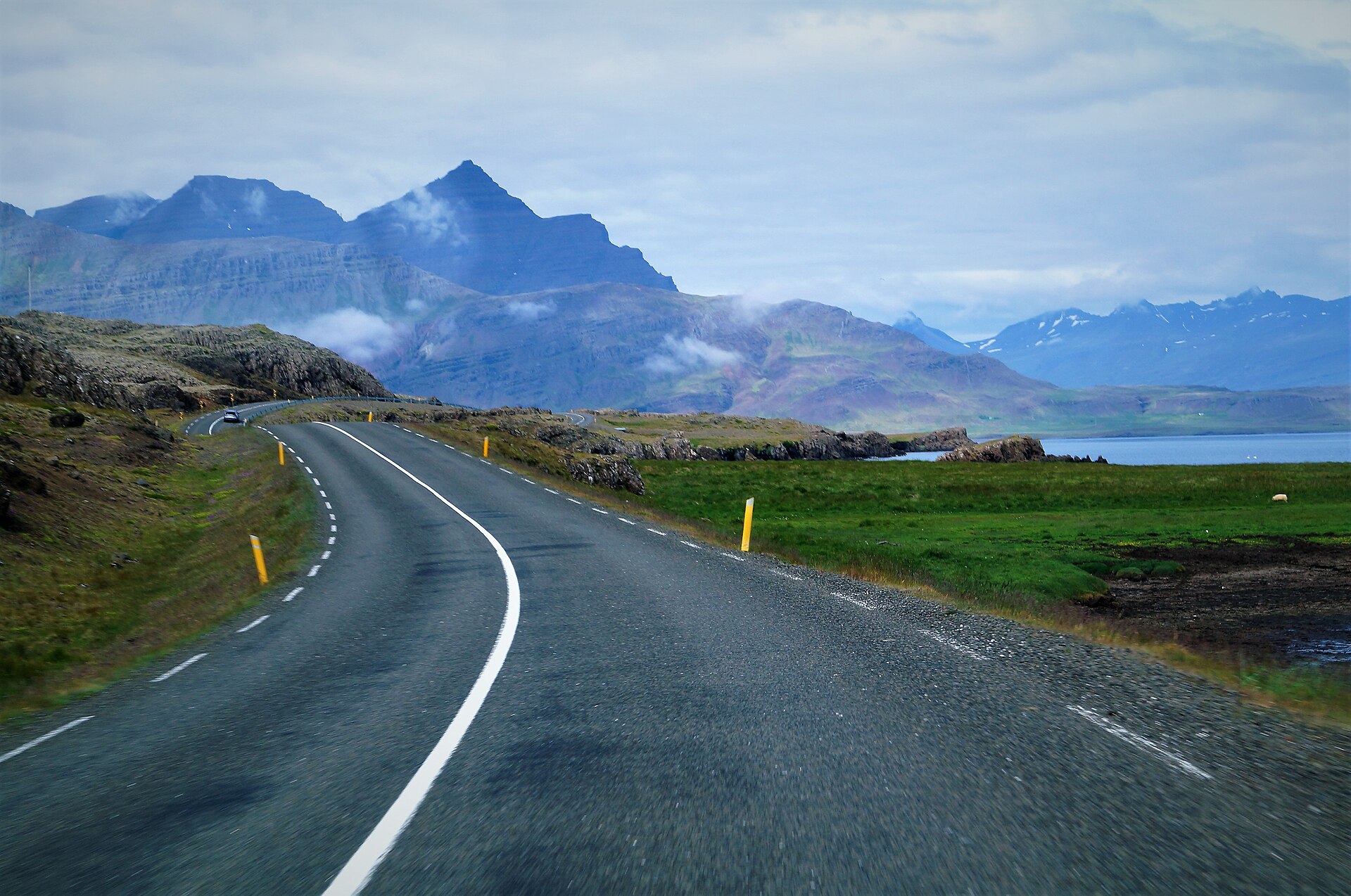
- Hero photograph: Alexander Grebenkov / Wikimedia Commons, CC BY 3.0. It illustrates the bends and valley scale of roads in East Iceland only and does not represent road conditions, visibility, traffic or accommodation on any particular date.