
ICENAVI BASE FIT · GLACIER LAGOON TO EAST
Each base changes where your time goes
These scores assess the practical demands of travelling east after Jökulsárlón: late arrival, supplies, sightseeing direction and the next-day exit.
It is the first town with useful services east of the lagoon, so you can check in and eat after a delayed activity.
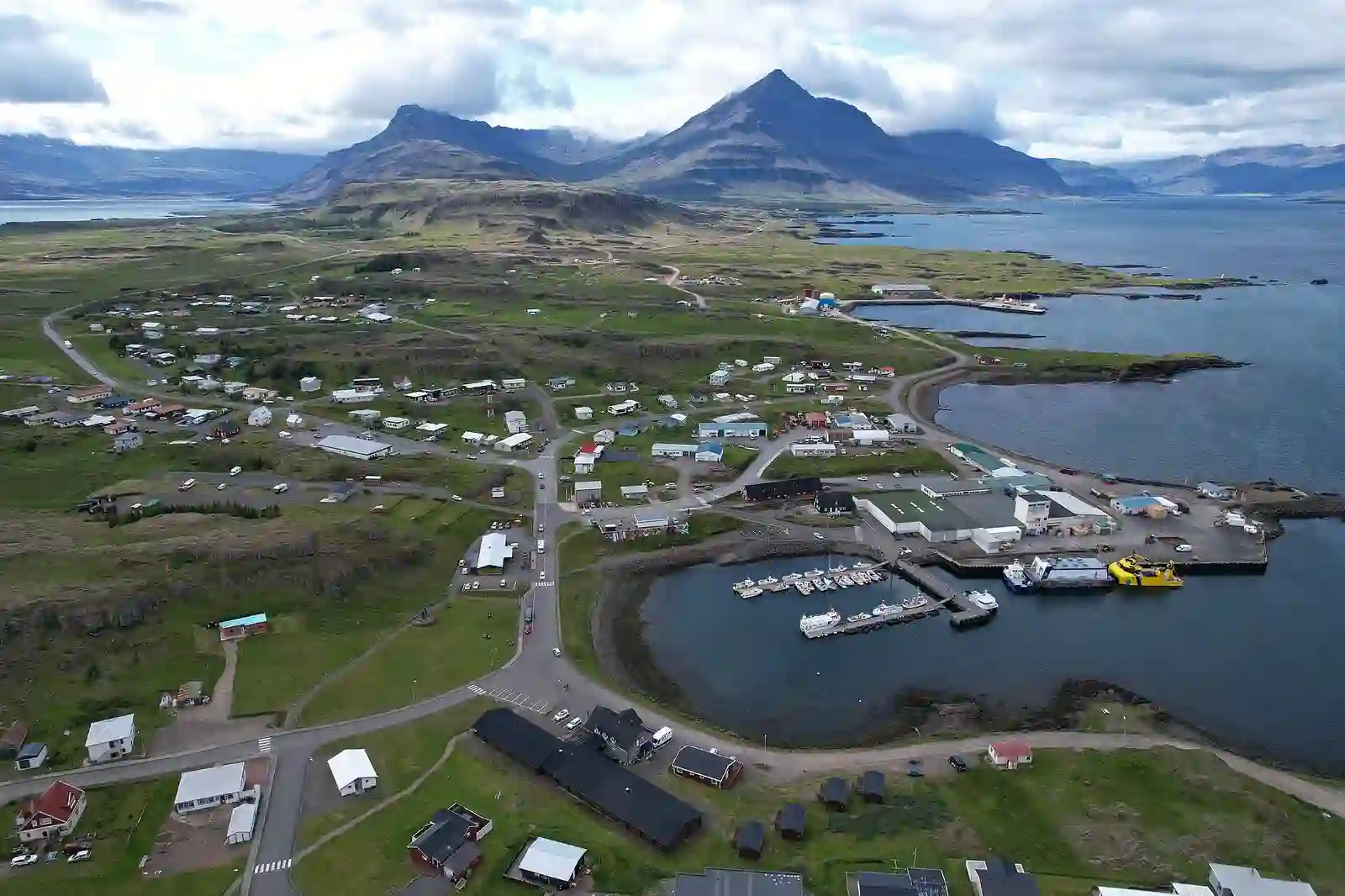
The harbour, Eggin í Gleðivík sculpture and coastal walk fit together, giving a half-day stop a clear theme.
Supermarkets, fuel stations and the eastern road network meet here, making a long transfer tomorrow easier to prepare for.
Eastern mountain passes and coastal roads can change the arrival time; remote branches must follow the day’s conditions.
Two nights give you room to separate Eastfjords scenery, harbour activities and a fog-day fallback without moving beds each day.
 JökulsárlónActivity finishHöfnLate arrival / suppliesDjúpivogurHarbour / half-day themeEgilsstaðirSupplies / eastern exit
After Jökulsárlón, ask how much energy is left
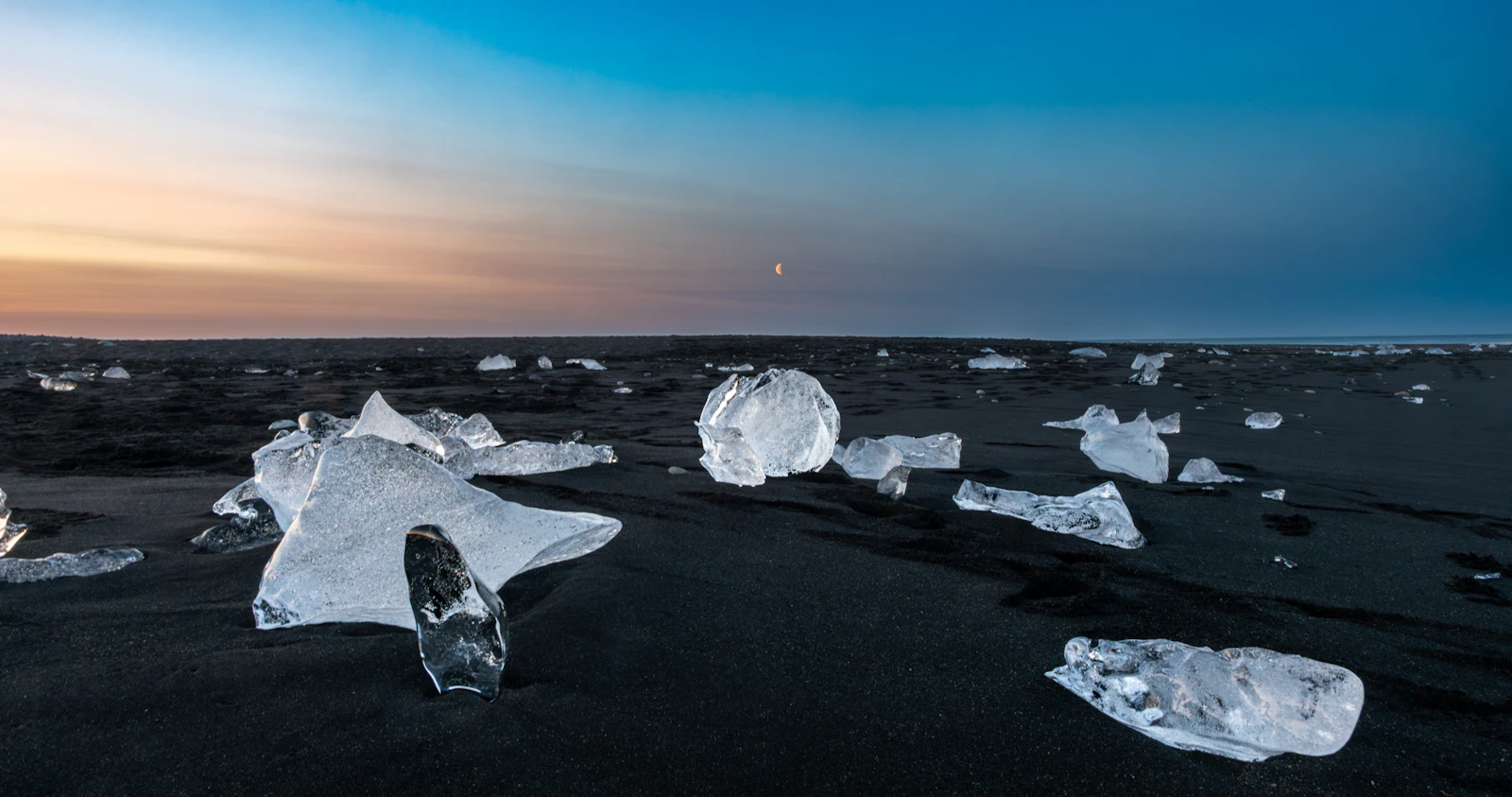
After a lagoon boat trip, ice-cave visit or glacier hike, you may still need to change, collect the car, take one last photograph and eat. Höfn earns its place here for a practical reason: you do not have to turn tiredness into a long coastal drive. The Höfn destination page covers dinner, supplies and tomorrow’s direction first. If Vestrahorn is already in your plan, then check the Vestrahorn light and tidal landscape before shifting the night east.
Djúpivogur is a middle base, not a ten-minute detour
Djúpivogur works when you make the Eggin í Gleðivík sculpture, harbour and short coastal walk into one half-day. If you rush there straight from Jökulsárlón, the afternoon gets divided between fading light and dinner. Give it a night as the theme, then continue towards the Eastfjords the next day. The Höfn or Djúpivogur comparison covers the accommodation difference; Egilsstaðir is added here to answer whether you want to complete the eastern exit early.
If the fjords are tomorrow’s plan, do not sleep farther down the coast
Egilsstaðir suits a night when you need a supermarket, fuel, laundry and a chance to reset the road plan. If the next day points to Seyðisfjörður, Mývatn or the eastern interior, staying where services are concentrated removes a detour for breakfast and supplies. The Egilsstaðir destination page brings you back to the town’s practical role. If the fjords need two days, the two-day Eastfjords itinerary separates Seyðisfjörður and Mjóifjörður into workable days.
| What you need tomorrow | Tonight’s base | What you gain | What you give up |
|---|---|---|---|
| Travel only part-way east, then resupply the next day | Höfn | Late-arrival tolerance, dinner and town services | A harbour walk in Djúpivogur |
| Make the harbour town a half-day theme | Djúpivogur | Coastal scenes and a shorter eastbound second day | Egilsstaðir’s full range of supplies |
| Drive the Eastfjords or continue to Mývatn | Egilsstaðir | Breakfast, fuel, laundry and exit flexibility | A slow half-day in the coastal towns |
The one-night versus two-night choice is about slowing down on day two
With one night, keep the bed close to tomorrow’s fixed task. Two nights are what make Djúpivogur or the Eastfjords a separate theme. In winter, or with one driver, use the extra night as road-weather buffer: coastal passes and changing conditions can stretch a route that looks short on paper. Check the Iceland road conditions site before setting out each day; yesterday’s arrival time is not today’s timetable.
If the Jökulsárlón activity has already pushed the day into the afternoon, Höfn is the steadiest finish. Consider Djúpivogur only when a full afternoon remains. If the next stop is the Eastfjords, Egilsstaðir belongs at the top of the route plan. To redistribute nights along the south-east coast, read the Jökulsárlón accommodation-base comparison.
Turn “a little farther” into a real arrival time
Before leaving Jökulsárlón, put the activity finish time in your itinerary, then add time to change, take photographs, refuel and eat. If you leave at 4 pm and keep driving towards Djúpivogur or Egilsstaðir, coastal parking, wind, snow and low light can all move the arrival time. Höfn keeps those jobs within one service area. That is why two rooms with similar prices can produce very different evenings. If the Eastfjords are tomorrow’s plan, leave at least one coastal stop that can be cut; breakfast, fuel and a pass check should not be squeezed into the ten minutes before departure.
ICENAVI · EAST BASE LAST CALL
Time the lagoon stop, parking and eastbound bed separately
Jökulsárlón is not a single stop where you look once and drive away. You may need to find a space, walk to the shore, wait for a booked activity, and allow time for toilets or food. Vatnajökull National Park publishes the parking-area charges and payment arrangements; check the current method before visiting, keep the receipt and include the fee, walking and loading time in the day’s budget. Do not use the shoulder or a closed area to save a few minutes, and do not assume an entrance mentioned in an old travel blog is still available. The Vatnajökull National Park parking information is the place to check payment methods and the areas covered.
Whether you continue east after the lagoon depends on the remaining daylight, the driver’s energy and the location of the room—not on the kilometre figure alone. A glacier hike or boat trip in the morning leaves check-in, delays, food and weather changes to fit into the afternoon. Choose Djúpivogur only when the cancellation terms, arrival time and driver’s condition all support it. Otherwise, sleeping in Höfn or closer to the lagoon usually gives you a more controlled evening and lets you take the Eastfjords on the following day. If tomorrow begins inland or north, put the bed near that exit; if you want to see the eastern settlements, leave time for the winding coast and each stop.
Put the booked activity early in the day and keep a fallback that does not depend on the lagoon. You can shorten the shore walk, remove an optional viewpoint or go straight to the confirmed room. When wind, a road notice or a cancellation changes the plan, do not try to rescue every item in a “lagoon plus Eastfjords” checklist. The national park may also post temporary works or facility changes, so check parking, road conditions and the accommodation’s arrival rules on the day.
The second night is an Eastfjords buffer, not another sight to squeeze in
If the first night is in Höfn, the second night is where the eastern route becomes manageable. Put the room on the road you know you will take, reducing the morning backtrack and leaving room for a fishing village or a weather delay. Check late arrival, cancellation deadline, dinner and fuel access before booking. A small fjord town may not have a late restaurant or supermarket, so buy supplies in the larger settlement rather than assuming one will be open.
Two nights in one base suit travellers who want to keep luggage still and explore the Eastfjords by day. Changing rooms each night can move you along the coast, but it adds packing, check-in and delay costs. Give the second day three lines—main destination, removable stop and latest arrival time—and let the cancellation terms decide which version survives. In stable weather you can drive the longer stretch; when the forecast worsens, go straight to the confirmed room. Accommodation is part of the route, not an empty space to fill afterwards.
If you reach Jökulsárlón later than planned, drop the optional viewpoints before considering a night drive. Parking charges, services and access can change with the season or ongoing works. Save the next morning’s first destination, fuel stop and accommodation contact offline; the park’s parking and payment page covers national-park services, while eastbound road and check-in conditions need their own checks.
Choose tomorrow’s exit first; tonight’s town follows
Höfn absorbs the tiredness after Jökulsárlón. Djúpivogur gives you a complete coastal afternoon. Egilsstaðir handles the eastern transfer. These roles do not need to compete for the same night.
Q&A | Where to stay after Jökulsárlón
Can you drive straight to Egilsstaðir after a Jökulsárlón activity?
Yes, but put the activity finish, changing, food and road conditions into the same time plan. If the day is already approaching evening, Höfn or Djúpivogur gives you a better chance of protecting your rest.
Is Djúpivogur worth a night?
Yes when you have a full half-day and want the harbour and coastal scenes. If you mainly want an early night before a long eastbound drive, Höfn or Egilsstaðir gives you more practical return.
Which base is best in winter?
Start with the road conditions on your departure day and tomorrow’s direction. When roads are unsettled, choose a base with concentrated services and an easier early finish. Do not push your return into darkness for a coastal sight.
Would two nights in the same town be wasteful?
No. Two nights let you make the Eastfjords or harbour towns a daytime theme without packing again. Move rooms only when tomorrow’s direction is completely opposite.
How should you plan the route from east to west?
Use Egilsstaðir or Djúpivogur to receive the previous night’s drive, then finish in Höfn. The final night should follow the fixed timing of your Jökulsárlón activity or your return along the south coast.
References
- Visit Iceland | East Iceland (regional and Djúpivogur context).
- Visit Iceland | A day in Djúpivogur (harbour town and half-day context).
- Vegagerðin | Travel info (road and traffic information).
- OpenStreetMap contributors (base map for this location figure).