
ICENAVI · AUGUST WITHOUT A BORROWED TOMORROW
August can make every evening feel available. Dinner is over and the sky is still bright; a waterfall is just ahead; the hotel does not look far away. A gentle day quietly acquires another mountain road, another car park and a late check-in. Find the part of the plan that should not be borrowed, then place the sights around it.

ICENAVI ITINERARY FIT · AUGUST ROUTE BUFFER
Keep one night for conditions before choosing distance
The score weighs nights, recoverable space, fixed activities, road and fatigue exposure, and Highland alternatives. Recheck rates, cancellation terms, roads and activity conditions for your dates.
Four or five nights suit the South Coast or southwest; six or seven opens the Ring Road; eight nights or more can hold route and conditions space.
Waterfalls, beaches and roadside stops can be cut when wind, rain or a slower companion changes the day, while the main plan remains intact.
A ferry, whale-watching trip or guided tour works backwards from the previous night's base; give an activity day one fixed clock.
A stop and driver change about every 100 kilometres still help; long daylight does not cancel wind, gravel or slow roads.
Check F-roads, vehicle type, rivers and weather on the day; the Highlands need a lowland version before they enter the plan.
Leave optional stops and one recoverable night in the main line, and August can absorb changes in weather, activities and fatigue.
Decide what stays protected before deciding how far August can take you
Visit Iceland places August where long daylight, whale watching, birdlife, road trips and the first feel of autumn meet. That combination can make every evening look like an invitation to drive farther. A traveller who wants cities, hot springs and one South Coast day does not need two extra nights simply because summer is short. Someone with seven or eight nights set aside for the Ring Road does not need to turn every bright evening into another final driving leg.
Ask the question that prevents the most regret: if tomorrow morning brings a ferry, tour, long walk or car return, will tonight's extra distance leave only a strained morning? If yes, pay for that distance with sleep, dinner, your companions' patience and tomorrow's choices. To split your available nights first, read How many days should you spend in Iceland?; it turns a number of days into evenings you can actually use. If you are booking August accommodation, the summer availability clock separates rooms, activities, ferries and festivals instead of treating them as one countdown.
The August booking board: pay for each commitment separately
| Part of the itinerary | What it really uses | The steadier August choice |
|---|---|---|
| First night, last night and night before returning the car | Flights, pickup, fuel, luggage and sleep | Book these first; they protect the trip and should not be filled with extra sights. |
| Ferry, tour or experience with a set meeting time | The previous night's base and the day's direction | Confirm the meeting point and cancellation terms, then book; do not rely on something being roughly on the way. |
| A Highland or F-road idea | Vehicle type, roads, rivers and a full day's pace | Book only when this year's roads, rental agreement and your ability all line up; a four-wheel-drive label is not a pass for every F-road. |
| Waterfalls, beaches and roadside stops | Parking, walking, wind, rain and the check-in boundary | Keep them optional. When the weather changes, the day can still work. |
Put geography back into the booking order
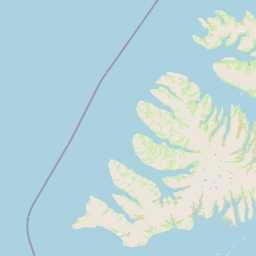
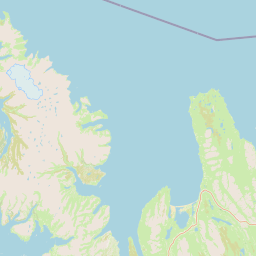
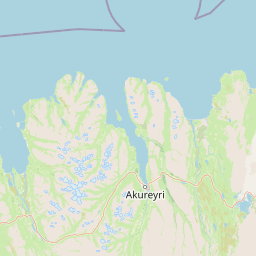
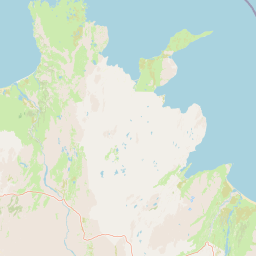
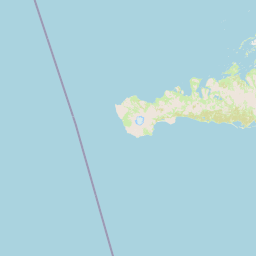
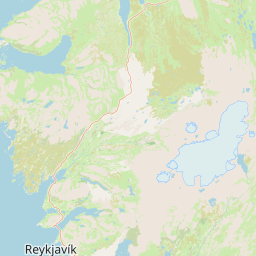
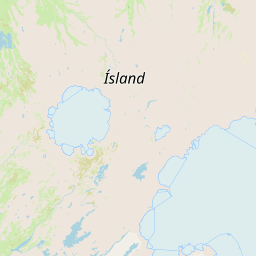
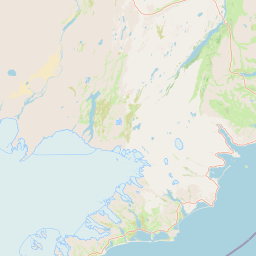
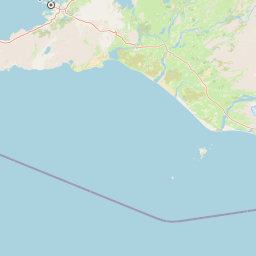
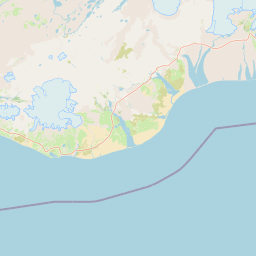
An August buffer is useful only when it has a place in the route: Reykjavik handles flights and supplies, Vík breaks the South Coast into a manageable section, and Jökulsárlón Glacier Lagoon raises the cost of travelling east. The map below compares main-route accommodation points only. It is not navigation and does not guarantee road access or room rates.
August road-time accounting: navigation time is not usable time
These are planning baselines. They exclude parking, meals, fuel, activity check-in and August crowds on the day. Use them to decide which night should contain only one long transfer.
| Section | Navigation baseline | Time to allow | What delay takes first |
|---|---|---|---|
| Reykjavik → Vík | About 185 km / 2.5–3 hours | 5–7 hours | South Coast activities, dinner and check-in |
| Vík → Jökulsárlón Glacier Lagoon | About 190 km / 2.5–3 hours | 5–7 hours | Accommodation choices around Höfn after the lagoon |
| Jökulsárlón → Akureyri | About 430–500 km / 6–7 hours | 8–10 hours | A fixed activity and places to rest |
| Akureyri → Reykjavik | About 380 km / 4.5–5 hours | 6–8 hours | Flight protection on the final night |
Until fixed activities, the Highlands or a boat trip are confirmed, choose cancellable or changeable accommodation in remote places. Match the first and last nights and the car handover to the flights, then place non-refundable nights on the main line.
This table stops one night from being sold three times. The hotel has already promised where you will wake, a morning activity has promised a direction, and a road you assumed would be easy in summer has been squeezed between them. If you are arranging accommodation, use where each Iceland night should go to check the sequence; once July or August bookings are underway, the summer accommodation supply clock separates consecutive stays, family rooms and remote bases. Put both tables together and the island's accommodation thresholds become visible.
If your northern Iceland dates overlap the Akureyri UNM 2027 Rewilding festival, read whether the festival needs one night or two before placing accommodation and a long transfer on the same plan.
The Highlands can be the point of the trip, not August's spare programme
August is often treated as the obvious month for adding the Highlands, yet SafeTravel's F-road warning is clear: unbridged rivers, rough surfaces, narrow bends and rapidly changing conditions do not disappear in sunshine or longer daylight. A four-wheel-drive vehicle is not automatically suitable for every F-road. The Highlands need their own calculation; they are not a spare stop halfway around the Ring Road.
If the Highlands are what you truly want to see, let them determine the vehicle, accommodation and the two nights around them. Start with whether a self-drive Highland trip suits you and the F-road and four-wheel-drive threshold. If the idea appeared only after seeing a photograph, do not lock the whole Ring Road around it. Give that day to the South Coast, a hot spring or a slower base if conditions fail; you do not need to wait for the next bend on the map to admit that the day has already been enough.
Long daylight is very good at stealing the words "we stop here today"
August may never force you to park by turning dark, so draw the check-in boundary yourself. It does not need to be a rigid hour. It can be the point at which you can unload, eat, shower and face the next day without using coffee to bring yourself back. If wind, parking or a companion's walking pace has slowed the afternoon, the last optional sight is the first thing to remove.
Put safety back into the day's driving calculation. SafeTravel recommends stopping roughly every 100 kilometres and sharing the driving where possible; when concentration starts to drift, stop in a safe place. These measures change how you read a navigation estimate. For a single account that includes driving, fuel, parking and the hotel, use the real time budget for driving in Iceland each day rather than the total kilometre count.
Four, six or eight nights: August should change more than two place names
Four to five nights: Build Reykjavik and one main line, either the South Coast or the Golden Circle, and protect the first and last nights for flights. You get time to sit down for a meal and turn around when conditions change. If the South Coast is your only outdoor day, check how far a South Coast day tour actually goes before assuming every product reaches the same places.
Six to seven nights: The Ring Road becomes worth discussing, but each day still gets one theme. Treat northern whale watching, the Highlands or the Glacier Lagoon as the one fixed clock; the rest depends on conditions. If you are stuck on direction, clockwise or counterclockwise around Iceland compares the two choices through the first night, fixed activities and accommodation points.
Eight nights or more: Use the extra nights first to absorb weather, slower travel and changed activities; the Westfjords require their own night count. If you want to include them, decide how many independent nights they need. The Westfjords in 2, 3 or 4 nights answers that entry-and-exit calculation. They may look like a bend beside the Ring Road in a photograph, but the accommodation timing is different.
Do not make the final August night serve an unfinished route
The most common August negotiation with yourself is: "Tomorrow morning still gives me time." Morning time usually belongs first to the car return, fuel, luggage, the airport and the person doing all of it. The final night protects the flight; it should not repair a gap on the map. If you have already rented a car, use the backward plan for the night before departure. If the route is not fixed, return to how to preserve choices during the July peak and compare the booking order. The months differ, but the mistake is the same: selling the adjustable slot too early.
An August itinerary with blank space is the one that can still see Iceland
August does not need to be written as a countdown to summer. It can hold a long road, a late walk and light over the sea, then an early return to the hotel after rain. A good itinerary is still able to tell you what the day protected when conditions fell short. Leaving one stretch to the day's judgement does not make Iceland smaller; it keeps tomorrow from becoming compensation for today's drive.
Related reading
Your August nights are set. What should the next booking decision be?
- Iceland in July: put the first and last nights, accommodation points and fixed activities in booking order.
- Iceland self-drive in September: recalculate route and accommodation flexibility when departure approaches September.
- How to read Iceland road-condition sites: turn departure-day road data into a route change you can use.
More to read
Do not let a bright evening choose your next night
What should you check after planning an August itinerary?
With only four nights in August, should you drive the Ring Road?
No. Use four or five nights for the South Coast or southwest, and keep one day adjustable. Long daylight creates flexibility, but it cannot cancel long daily drives, check-in times or driver fatigue.
Do you still need a weather buffer in August?
Yes. Wind, rain, visibility, gravel roads and changed activity dates can all alter the driving day. Keeping an afternoon or a night open for conditions is more useful than filling every space on the map.
Can you simply add the Highlands to an August route?
First check that year's F-road openings, the rental company's vehicle terms, rivers and same-day road information, then write a lowland alternative. Without an alternative route, the Highlands should not be a fixed commitment.
References
- Visit Iceland | Iceland in August: official context on long daylight, seasonal activities and the turn towards early autumn; checked 2026-09-04.
- Visit Iceland | The Ring Road: multi-day context for driving Iceland's Route 1.
- SafeTravel | How to Drive in Iceland: roads, weather, gravel and navigation limits; same-day conditions must be checked again.
- SafeTravel | Highland driving: F-roads, unbridged rivers, vehicle types and conditions.
- SafeTravel | Fatigue and drowsiness: rest and fatigue risks on long drives.
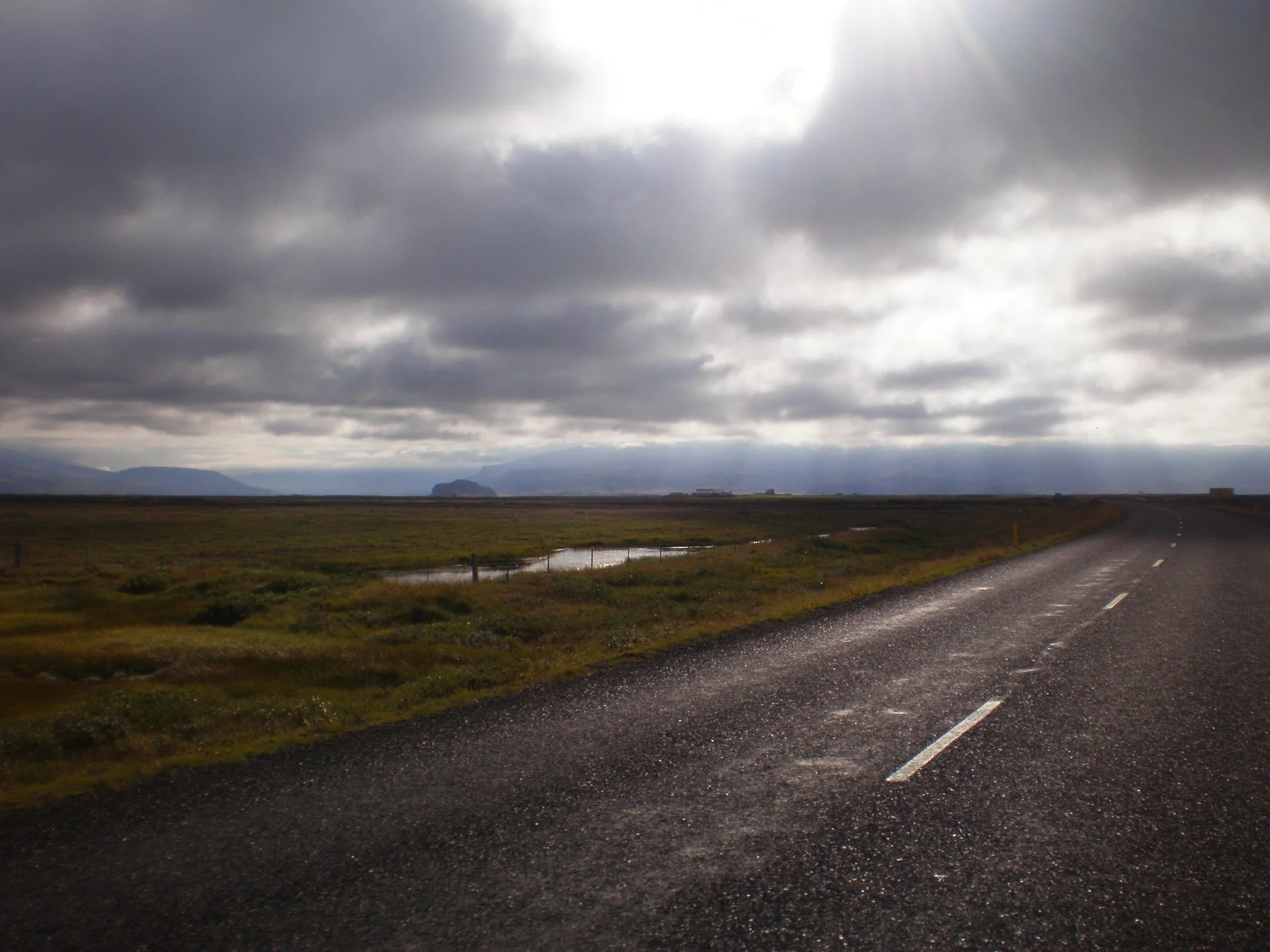
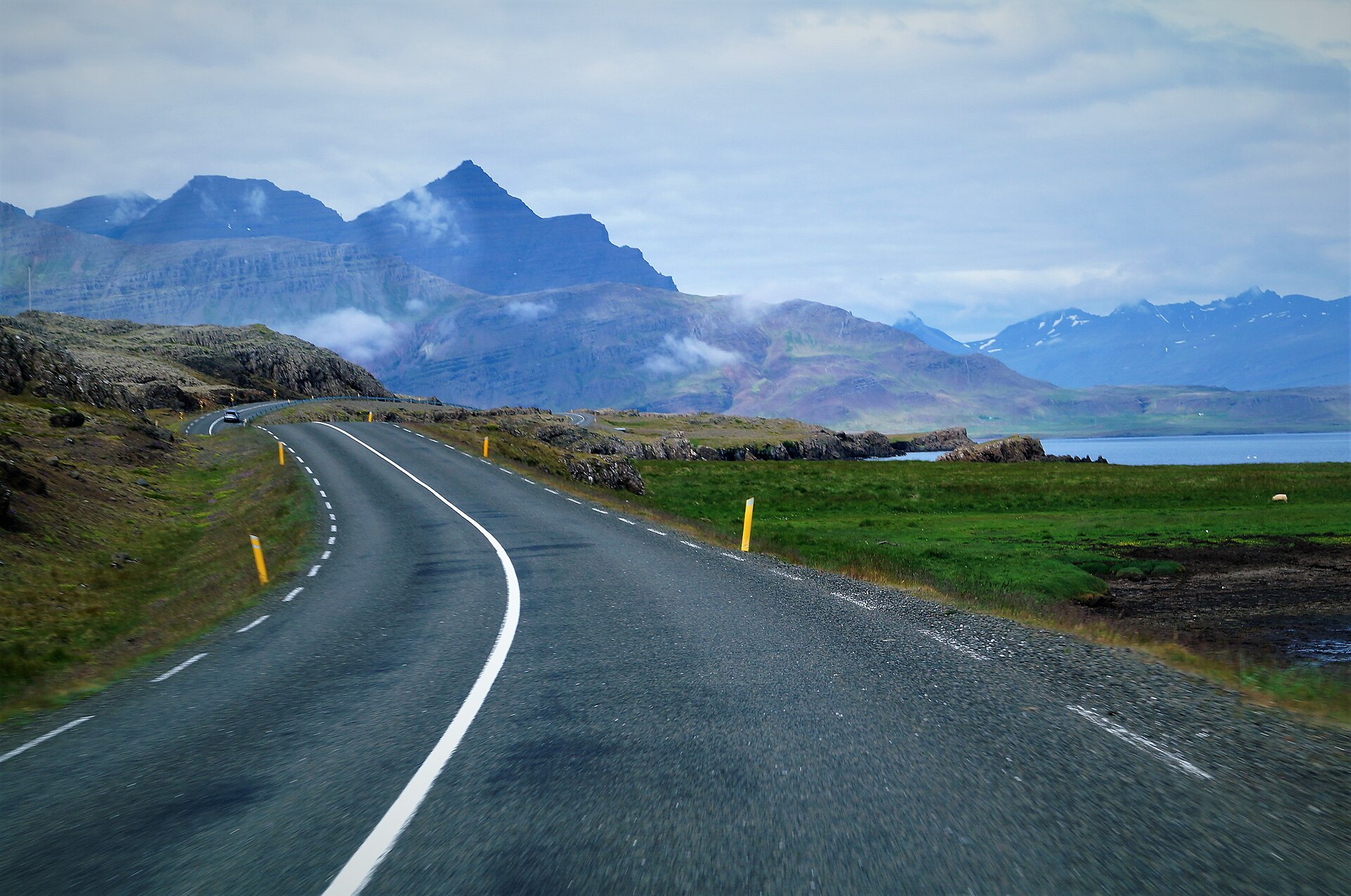
- Road photograph in this article: diego_cue | Wikimedia Commons, CC BY-SA 3.0; used to show the road environment, not same-day August conditions or weather evidence.
