

You may already have your bags by the door and an “Iceland” album on your phone. Then you notice that the hotel confirmation sits inside a platform account, the meeting point appears only in an email from three weeks ago, and the car-hire company’s pickup address is not the airport terminal itself. That unease is real, but opening ten more search tabs will not solve it. Ask one question first: could wind, roads, a flight or the supplier’s arrangements change this information tomorrow? If yes, check it now. If no, save it now and stop giving it your final attention.
ICENAVI’s 48-hour timeline: deal with information that can expire first
| Time | What to do now | Evidence to keep | What not to do |
|---|---|---|---|
| T−48 to T−36 | Open Umferðin road information, the Icelandic Meteorological Office and SafeTravel. Check the section around each night’s next accommodation, not just Reykjavík. | Screenshot affected roads, wind, closures or warnings, add the time checked, and save the official URLs. | Do not combine three websites’ warnings into a single “definitely cancel” conclusion. Mark which section actually intersects your route. |
| T−36 to T−24 | Open every activity, car-hire and hotel confirmation. Check the meeting point, pickup method, check-in time, cancellation or amendment terms and customer-service route. | Download the confirmation page or PDF and record the confirmation number. Save the address together with its map pin and phone number. | Do not rely on an email subject line, or pay again because a platform displays “search again”. |
| T−24 to T−12 | Install and name the eSIM on Wi‑Fi. Download offline maps, car-pickup instructions, the hotel address and the first meeting point of each day. Test your saved material once in aeroplane mode. | Your photos or files contain confirmations, map areas and emergency numbers that open offline; each travel companion has at least one copy. | Do not install the eSIM for the first time after landing, and do not disable your Hong Kong number’s ability to receive messages without a backup. |
| T−12 to departure | Make one final check of roads, the flight or airport, and activity notices. If something changed, adjust tomorrow’s first fixed-time commitment and your accommodation contact before rewriting the whole trip. | Keep the final check time, supplier replies and new confirmation numbers; move old versions into an “superseded” folder. | Do not compare ten hotels at the boarding gate or try to repair the entire Ring Road direction at once. |
The point of this timeline is not to check four times. Each check handles one kind of change. Roads and weather move; a hotel address usually does not change while you sleep. Mixing them together is what makes every task feel as if it needs to be redone.
Recheck, save, leave alone: three information baskets
Put the last two days’ information into three baskets. This is ICENAVI’s practical classification, not a colour system you need any platform to provide; each column leads to one action you can take.
| Basket | Includes | Your action | Completion test |
|---|---|---|---|
| Recheck now Can change today | Roads, wind and rain, earthquake or volcanic notices, flights and airport notices, activity departure times or supplier messages | Use the original page from an official source or paid supplier; mark the passage that affects your route. | You can say “which section is affected” and “what is the next workable alternative”, rather than stopping at “the weather is bad”. |
| Save now Still needed after arrival | Accommodation address, car pickup and return, booking number, activity meeting point, passport or insurance copy, offline maps, eSIM QR code or installation details | Download, screenshot and open offline; give one copy to a companion. Do not keep important information only behind one app login. | With Wi‑Fi off and aeroplane mode on, you can still find the address, time, phone number and booking number. |
| Leave alone for now Confirmed fixed arrangements | A confirmed hotel still within its cancellation window; an activity with its meeting point and terms checked; paid transport with no new notice | Save the terms and deadline, and change it only if changing information points to it. Do not rebuy because a search-page price moved. | You know whom to contact and the latest time to act if roads really make it unusable; until then, do not rebook. |
ICENAVI FINAL CHECK · DECISION FIT
In the final 48 hours, which box still has no fallback?
This card assesses whether your pre-departure information is sufficient for the next decision; it does not rate roads, weather, airlines or suppliers. The score reflects current information, document access, activity and accommodation amendments, communications, payments and irreversible changes. If any item reaches zero, pause and verify it.
Umferðin, the Icelandic Meteorological Office and SafeTravel have different roles. Check the actual road sections and times for tomorrow to see whether a warning really touches the itinerary.
A confirmation number, address, phone, passport or insurance copy and map must open in aeroplane mode. A saved link alone is not enough for an offline arrival.
Write down the meeting point, notification contact, cancellation deadline and refund method so you know what to cancel and which night to keep if roads change.
The eSIM is installed and tested; your Hong Kong number, payment card, PIN and backup method each have a place. Searching for a QR code after arrival is not preparation.
Change tomorrow’s first fixed-time commitment first, then protect cancellable accommodation. Without a trigger, do not rebuy because of a price gap, anxiety or an old screenshot.
Separate what can change, what needs to work offline and what should stay put. You can then decide in five minutes without rewriting the whole Iceland itinerary.
Read road information for the next decision, not just the colour
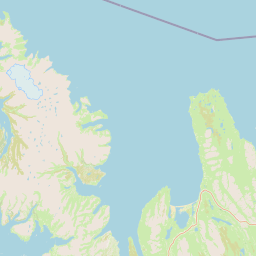
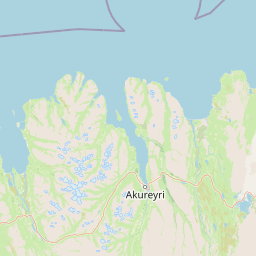
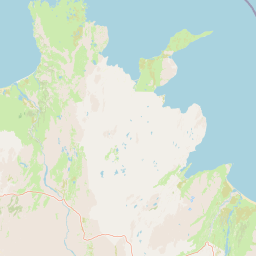
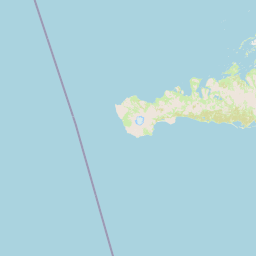
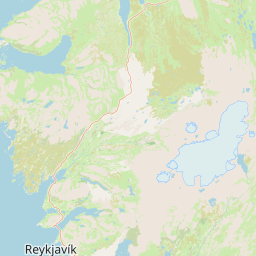
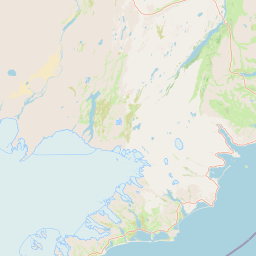
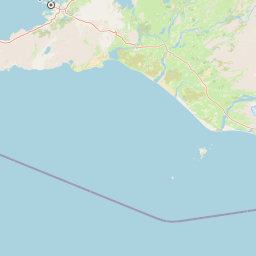
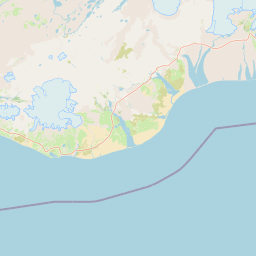
Umferðin is the road-information entry point for travel decisions, while the meteorological office provides forecasts and observations; neither presses the cancel button for you. Write tomorrow as one sentence: “In the morning I’m driving from Vík to Skaftafell, and I need to reach a glacier-lagoon meeting point in the afternoon.” Then ask whether roads and wind directly affect that section. If a warning is in a distant mountain area but your route, departure time and vehicle are unaffected, save the link. If a key road, pass or coastal wind genuinely collides with the meeting time, move the first fixed-time commitment to a safe, reachable place.


If you need to decide how to travel without a signal, continue with Iceland navigation backup without signal. If the roles of road, weather and safety websites are still unclear, Iceland’s pre-departure safety information order separates them. Those pages are here so you make one fewer bad call in the final 48 hours, not so you have to read a second round of general advice.
When an activity changes, ask which night it sends you back to
For an ice cave, whale-watching trip, snowmobile tour or transfer, the important risk is what accommodation, driving leg or next meeting you lose after cancellation. Open the supplier’s original confirmation and record the departure point, check-in time, latest cancellation or amendment time, who sends a weather cancellation, and which card receives the refund. Then put it back into the order for handling Iceland activity cancellations and changes. If you can still sleep at the same hotel that night, the adjustment is simple. If the activity is your only reason for staying in Vík or Húsavík, recalculate the accommodation and route.
One easy detail to miss is saving the activity’s “meeting point name” separately from the hotel name. A tour’s central pickup point may not be the hotel entrance; the same small town may have several car parks. An itinerary that says only “tour in the morning” leaves the most important step to guesswork in bad weather.
Accommodation and flights: confirm, do not rebook from anxiety
Two days before departure, check the number of guests, bed type, breakfast hours, parking, latest check-in procedure and cancellation deadline. If you will collect a car early or arrive late at night, keep the booking number and “late arrival” contact method close to your phone’s lock screen. If the check-in rule changes, contact the accommodation before changing the whole night. Iceland’s booking order explains why one apparently cheap room should not dictate the whole route, while allocating nights in Iceland accommodation helps you see whether changing one night affects the next one.
For the airport, the official Keflavík Airport website is the right place to recheck terminals, transport and airport services. Do not treat an old third-party travel screenshot as today’s counter, shuttle or boarding process. The items that genuinely need confirmation are flight status, the car-hire company’s pickup method, and the time from the terminal to your first accommodation. There is no need to cancel and rebuy every paid room.
The final eSIM test: make sure you have a way back
Installing an eSIM on home Wi‑Fi is only the starting point. Give it a name you can recognise, confirm that the Iceland plan is selected for data, and handle data roaming on your Hong Kong primary SIM according to your own plan. Download a small offline map area, turn on aeroplane mode, and find the hotel address, car-hire phone number and activity meeting point. That one-minute test is more dependable than looking for a QR code beside the KEF baggage belt.
If companions will share a hotspot, test battery life and the connection between two devices at home. If people will split up, do not keep every piece of information on one phone. Iceland self-drive eSIM setup separates installation, naming, offline maps and receiving messages on your original number, while estimating Iceland eSIM data use helps you check whether the plan is enough on the final day. Keep activity pages and hotel confirmations too; an eSIM cannot replace them.
| What changed | Change first | Keep for now | When to rebook |
|---|---|---|---|
| Roads or wind directly affect tomorrow’s section | The first fixed-time commitment, finish point or activity meeting | Cancellable accommodation and unaffected later arrangements | You have checked the current road notice, confirmed safe arrival is impossible, and verified the supplier’s amendment or refund route |
| An activity is cancelled or rescheduled | Save the notice, record the refund or amendment deadline, and find an indoor alternative for the same night | The original accommodation and next day’s route, unless they exist only for that activity | The cancellation removes a necessary accommodation point and the new route matches available transport |
| A hotel or car-hire email adds a new requirement | Reply to the contact, download the new confirmation and mark its number | The paid booking, unless the supplier confirms in writing that the original arrangement is invalid | The supplier clearly cancels or cannot perform, and the refund or new booking is confirmed |
| You simply find a lower room price or a new guide | Change nothing; put the new information on a review list | Checked accommodation, activities, transport and cancellation terms | Only when total cost, room type, cancellation terms and location are all better |
ICENAVI · FINAL 48H
Set a stopping point for the final review
Check changeable information until you have enough, save stable information offline, and write down a fallback for arrangements that could genuinely fail. Once a detail has an official source, a confirmation number and an actionable next step, do not let a fresh search result overturn it.
The final pre-departure checklist
- Roads, weather and SafeTravel: checked against tomorrow’s actual road sections, with the time recorded.
- Flight, KEF and car hire: flight status, pickup method, shuttle or address and contact number confirmed.
- Activities: every fixed meeting point, check-in time, cancellation or amendment term and weather-notice method saved.
- Accommodation: confirmation, check-in method, breakfast or parking, cancellation deadline and next-night address open offline.
- eSIM: installed, named and data connection tested, with the necessary ability to receive messages on the Hong Kong number retained.
- Offline fallback: maps, booking numbers, passport or insurance copies and emergency numbers are not held on only one person’s phone.
- Change principle: if a road or activity genuinely changes, protect the next fixed-time commitment first, then decide what to remove; keep the safety buffer until last.
That is enough. The final two days do not need to turn you into Iceland’s traffic control centre; they should simply tell you which page to open, which number to call and which decision can wait until morning. If your plan is still stuck on whether to change accommodation or which day should hold an activity, return to the booking order and the relevant city or destination entry point to solve the problem blocking the next step.
Related reading
Turn the final 48 hours into real decisions
Iceland self-drive eSIM setupNavigation backup without signalActivity cancellation and amendment orderMore reading
Work through the fixed itinerary structure
Iceland booking orderAllocating Iceland accommodation nightsIceland safety information orderQ&A | Questions to settle before departure
Should I rebook every hotel 48 hours before departure?
No. Recheck roads, activity confirmations, flights and accommodation terms that could change the decision; without new evidence, do not replace a cancellable booking with a worse version out of anxiety.
Which official page should I open first?
Start with roads and weather, then check the activity supplier’s confirmation, airport information and accommodation terms. Safety warnings and transaction terms are different kinds of information.
When should I prepare the eSIM and offline maps?
Download offline maps, save confirmations and store contact details while you still have a connection. Do not make departure day your first signal test.
References | Sources and limits
The following official entry points were checked on 6 September 2026. Road, weather, volcanic or earthquake information, airport services, activity arrangements and accommodation rules may change before departure; the official page and supplier confirmation on the day remain decisive.
- Umferðin | Traffic Info (road notices, transport services and current road conditions).
- Icelandic Meteorological Office (forecasts, observations, earthquakes and natural-risk information).
- SafeTravel Iceland (traveller safety advice and pre-departure information).
- Keflavík International Airport (terminal, transport and airport-service information).
- Hero image: APK / Wikimedia Commons, CC BY-SA 4.0; the airport interior is used only to understand the space around arrival procedures and does not represent current counters, gates, flights or shuttle arrangements.
This page does not provide same-day road or weather alerts. Check official sources directly before departure and while driving. The actual supplier confirmation governs all activity, hotel, car-hire and eSIM terms.