
Protect the main route and accommodation fallback; treat colour and auroras as bonuses
Early September can still support a shorter version of a summer route. From mid-September into October, daylight contracts and wind, rain and road variability become more influential. Keep auroras as several possible late nights, and make the Highlands and remote spurs conditional. For fixed activities, check operating dates and meeting direction first. Choose accommodation with an easy next-day departure and a cancellation policy that can absorb road changes, rather than chasing one room with an aurora photo.
ICENAVI AUTUMN DECISION · SHOULDER FIT
Are you coming for autumn colour, auroras, or evenings when the route can still change?
These scores compare autumn colour, auroras, daylight, wind and rain, roads, accommodation and activity flexibility. They are not a month rating or an aurora guarantee; official road information, forecasts and operator notices take priority.
The low-angle light and grassland colour from September to October are distinctive, but colour cannot guarantee that a pass, gravel road or final hour of driving will remain suitable.
Darkness increases after mid-September, but cloud, wind and your position that evening still decide what you can see. Several nights near a safe base give you more usable chances than one long drive.
Late-afternoon light closes faster. Write down the latest time to leave the main viewpoint, the last service town and your accommodation as three stop lines.
Autumn does not simply mean a little less sunshine. Crosswinds, low cloud, wet verges and road warnings can rewrite the drive; do not make a remote spur the main route before checking it.
A cancellable stay near food and safe parking can absorb a road change. If a scheduled activity has no indoor or short-walk fallback, rescheduling can waste a whole night.
Autumn works well when colour is the main route, auroras are several possible late-night bonuses, and weather and roads have deletable items. The risk comes from expecting every part of the plan to happen.
Autumn's first misconception: colour changes, but the route does not become simple by itself
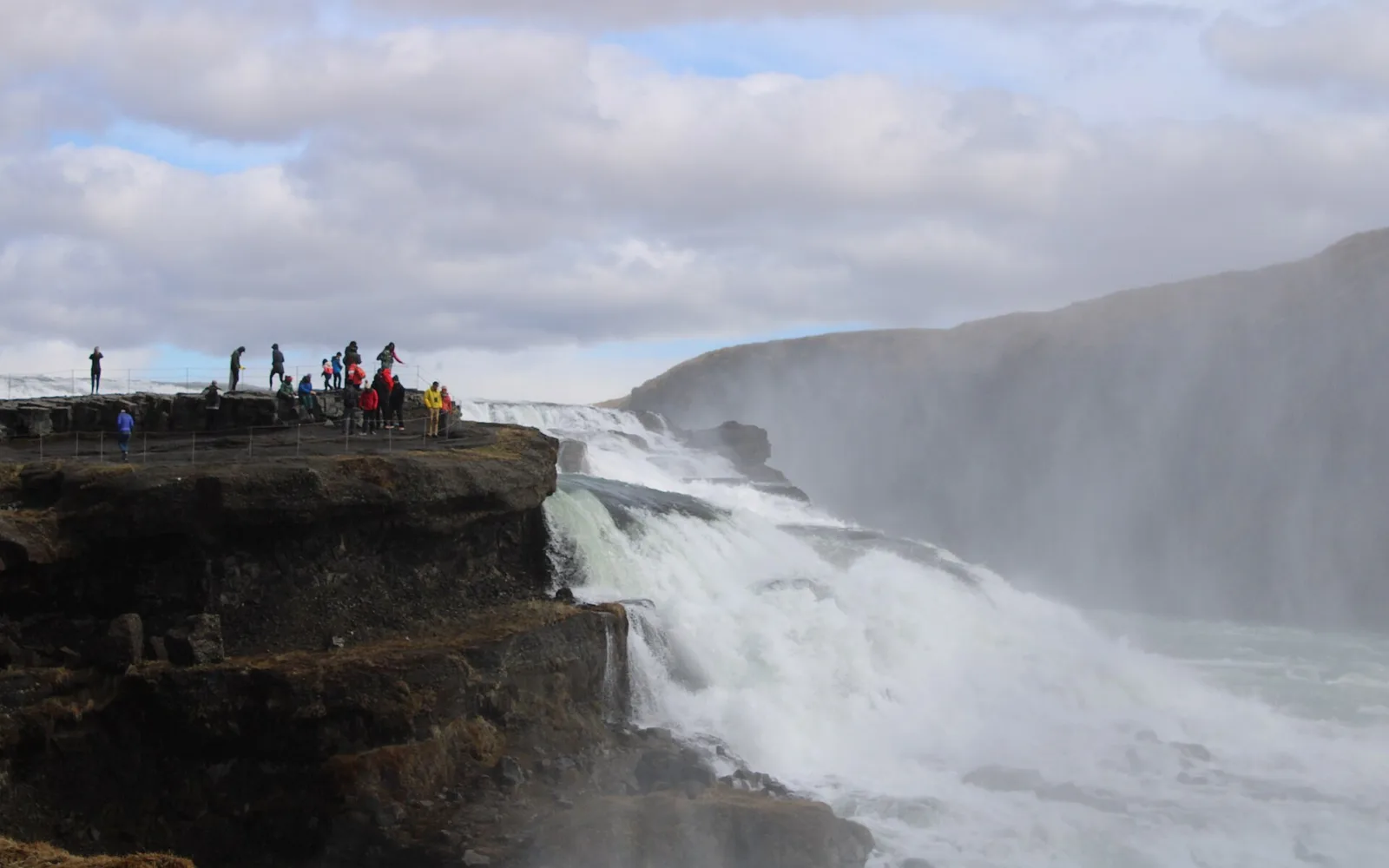
Autumn looks orderly in photographs: golden grass, low-angle light and a clean mountain in the distance. In the car, four in the afternoon can already be dim, a crosswind can make a door feel suddenly heavy, and muddy parking can turn the soles of your shoes into another piece of luggage. Navigation will still give you a beautiful number of minutes; it will not calculate finding the road before sunset, clearing the windows or checking in.
I would split an autumn route into two working versions. The main route is scenery worth driving even without auroras, the Highlands or an extra activity. The backup is an addition when conditions allow. When cloud covers the sky, you have not lost the whole evening; you return to the version that was already sound. Autumn's real freedom is not having to chase one opening to prove the trip was planned correctly.
| Window | Daylight and road work | Plan first | Backup only |
|---|---|---|---|
| Early September | Still longer daylight; check passes and Highlands against same-day notices | South Coast, Golden Circle, Snæfellsnes, city day | Do not treat every F-road as a must |
| Mid to late September | More darkness and aurora chances return; wind and rain begin to affect the finish | Several base nights, main route, cancellable accommodation | Long drive after one night of aurora chasing |
| October | Daylight shortens again; roads and activity windows need more frequent checks | Deeper South Coast, capital day, confirmed group | Highlands, remote spurs, an unbuffered Ring Road |
An aurora is not an itinerary item; it is background noise in the accommodation decision
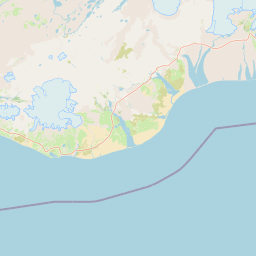
Aurora pages can push people towards “the darkest place tonight”. If you have already driven from Reykjavík to Vík during the day, then take an unfamiliar road after dinner and face a fixed meeting the next morning, the result may simply be exhaustion. The steadier approach is to treat an aurora as a bonus that may appear on several nights: stay somewhere where you can return without driving, or at least close to safe parking, so cloud does not also take away your sleep.
This trade-off is linked to the number of nights. With only four nights, keep the South Coast deeper and do not cross to the North for one aurora photograph; with seven nights or more, there is a case for adding the aurora season's cloud, roads and base to a wider plan. If you are recalculating daylight, nights and accommodation together, Iceland's September self-drive route choice should deal first with the section that is still worth heading east for.
September to October brings a local activity that is not really a viewpoint
Réttir, the sheep roundups, usually run from early September into mid-October. This is not a tourist show: farms and communities bring sheep down from the summer mountains to identify and separate them. Dates are arranged by area, farm and year; there is no nationwide pass that gets you in. If you happen to find a public event, confirm the viewing position, parking, whether permission is needed and where you must not enter the working area.
Its value is that it pulls “autumn” back from a landscape filter into the timetable of land and residents. Do not, however, force a non-refundable hotel and a long drive onto the same day just to reach one pen. If you want to attend, let the event location decide that night's base; if you only see a poster while passing, treat it as a lucky short stop rather than rewriting the Ring Road.
ICENAVI · Autumn activity stop line
If the activity ended a week earlier, would this still be a good place to stay tonight?
If the answer is “yes”, the activity is a bonus. If the answer is “no”, you have made an unconfirmed date the main route. Autumn supply changes quickly, and this question can save you an expensive reversal.
The real cost of an autumn self-drive often appears after sunset
Roads that look manageable in daylight can become a combination of low cloud, wet verges and a hard-to-find entrance in the final hour. Before leaving, write three times in the same plan: the latest departure from the main viewpoint, the latest departure from the last serviced town, and the time to go straight to the hotel if conditions feel wrong. These are stop lines, not targets to challenge.
Iceland's road conditions website can tell you the status in official notices; it cannot decide whether your companion is already tired. When autumn brings a snow or wind warning, remove the furthest spur that does not affect your accommodation first. Do not push the return into darkness because an activity has already been paid for. With one driver, the real daily driving-time guide should come before any thought of “one more stop”.
Choose accommodation for autumn, not for the photograph
After late September, a room near hot food, safe parking at the door and a cancellation deadline no earlier than the road notice can absorb change better than a remote glass cabin. A glass cabin is not a bad choice; it turns “we would like to see the aurora” into an expensive, non-refundable night. If cloud, roads or energy do not cooperate, the loss arrives all at once.
One night or two on the South Coast depends on whether you will head towards the glacier lagoon the next day, whether an ice-cave meeting is already fixed, and whether autumn driving is manageable with a stop in Vík. Read one night or two nights in Vík first, then compare Booking.com, Agoda and Trip.com for the same dates and room type. The hotel's actual booking button is the route out before payment; this guide does not force a weak CTA into the page.
An autumn checklist you can rearrange every day
- Check roads, wind and warnings first, then confirm that today's main route still holds.
- Confirm the meeting point and cancellation notice for any fixed activity, and remove long transfers before and after it.
- Keep only one furthest main viewpoint; place free viewpoints in the same-direction backup.
- Keep aurora watching near the accommodation and wait several nights instead of treating one night as a promise.
- If cloud, wind or fatigue crosses its limit, switch to a base day and protect tomorrow's departure.
For a comparison with the season before and after autumn, three spring timetables address the different rhythm of thaw, roads and activities; if your date falls in August, how to leave one August day for same-day conditions explains why long daylight still needs a buffer.
Autumn's appeal is that it stops pretending everything will stay open for you. Once you accept that one night may have no aurora, one spur may be closed and one activity may move, the remaining route feels more like your own trip than an undeletable wish list. If photography matters most, put low-angle light and safe parking in the same answer; if the activity matters most, make the meeting point and return route explicit. No autumn itinerary suits everyone, but a method can save you one avoidable rescue.
Q&A | How should September Iceland plans absorb autumn changes?
Can you still plan the Ring Road in September?
Yes, conditionally, but do not carry summer daylight, roads and activity supply across unchanged. Shorten each day's driving, keep a weather exit and adjust from the notices available before departure.
Should I chase the aurora by car every night?
No. Do not give the whole night to pursuit. Cloud, wind and road safety matter more than going further; a base where you can wait near your accommodation is usually steadier than a late long drive.
Will September's réttir affect an ordinary trip?
Some communities may have changes to activities, roads or accommodation demand, but dates and participation follow each year's notices. Check the details before making it the theme of the route; do not infer that the whole island is affected from the season name.
Should autumn accommodation be cancellable?
If the route includes long drives or remote accommodation, a cancellation option leaves room for weather and road changes. Still check the deadline, cost and whether payment is required in advance.
References
- Visit Iceland: Sheep and horse roundups in Iceland (background on the réttir season from early September to mid-October; dates and participation vary by community).
- Visit Iceland: Visitor numbers (official entry point for understanding visitor numbers by destination and season).
- SafeTravel Iceland: Driving (autumn roads, weather, fatigue and the limits to check before departure).
- Icelandic Met Office (forecast, wind and warning information).
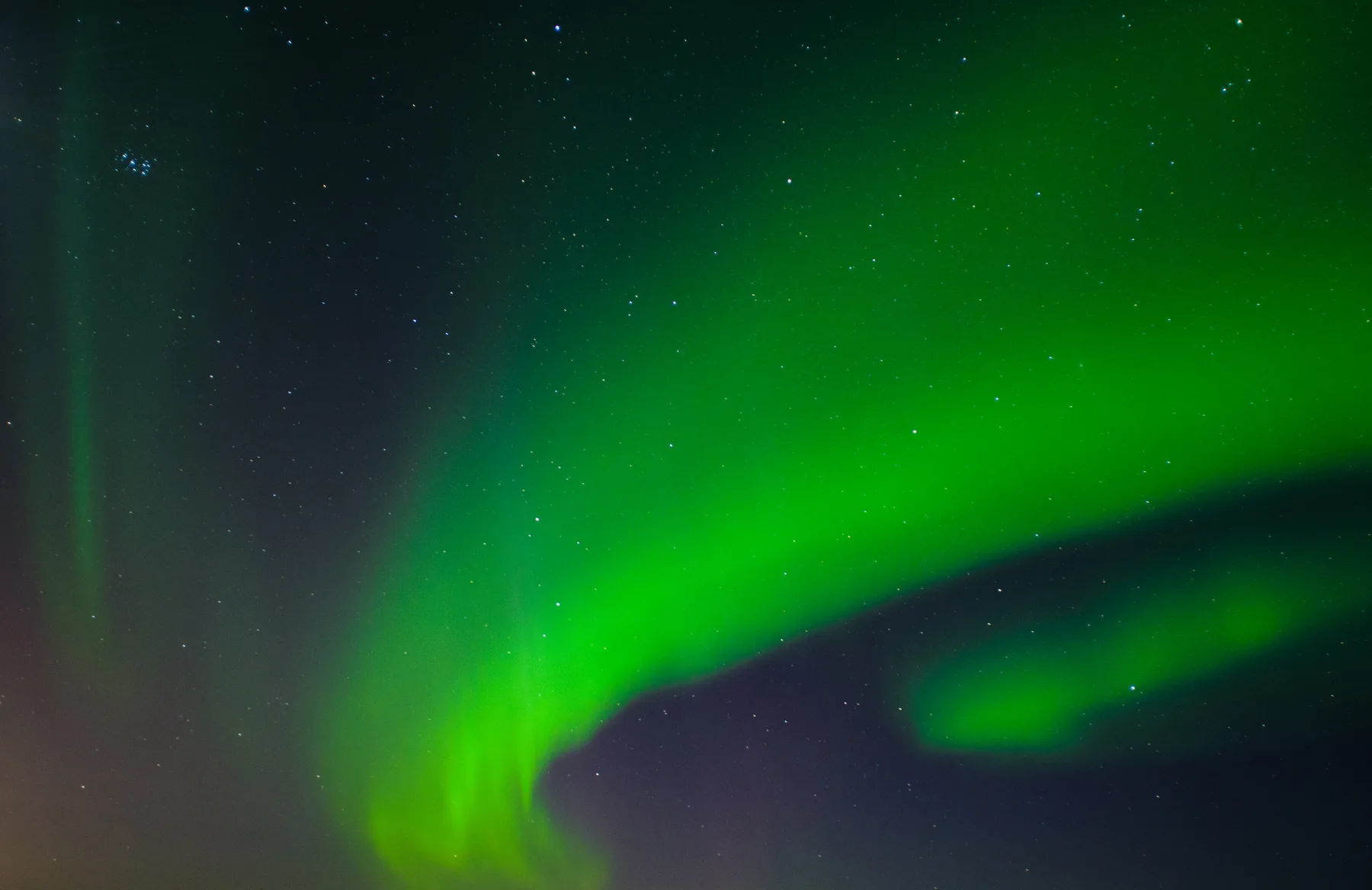
- Hero image by Carl Young via Wikimedia Commons, showing a real aurora over Iceland; CC BY-SA 4.0. The image describes an autumn night-sky viewing context, not a guarantee of your date, cloud, roads or aurora.