
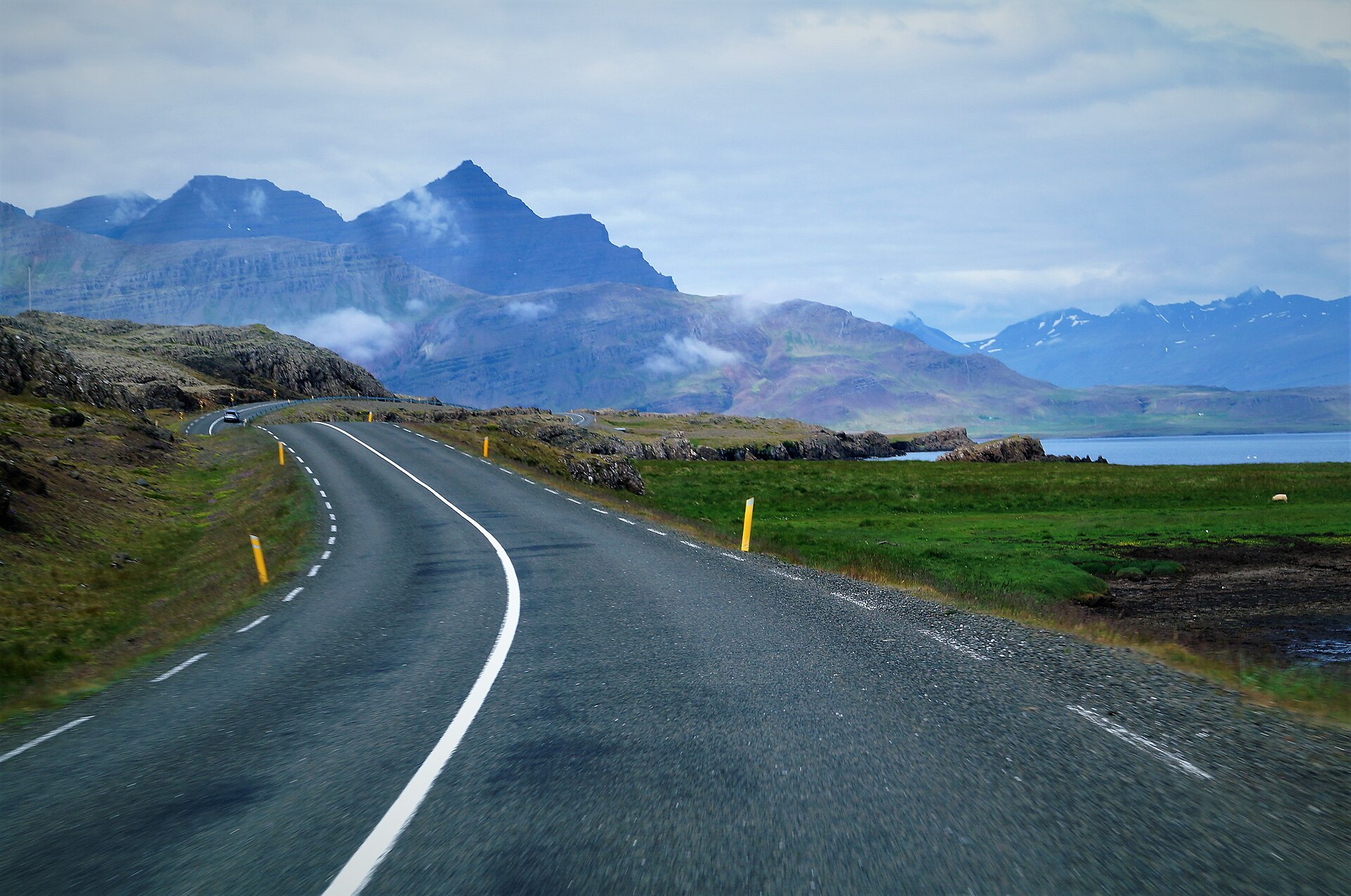

ICENAVI ROUTE FIT · 13 DAYS
Where does an extra day actually save time?
Scores are organised around route recovery, activity flexibility, accommodation moves and seasonal fit.
You can fit in an ice cave, glacier hike and glacier lagoon, shorten the day when weather turns and avoid one long hotel move.
It connects through Borgarnes, and two nights let you take Kirkjufell and the coast slowly; winter road changes can still compress the western end.
The scenery is spread out and the roads are long; the Baldur ferry and southern headlands each have hard departure times. In thirteen days it suits people who already know the main route.
It splits a long transfer and leaves room to retry whale watching, a fjord outing or a geothermal activity after a cancellation.
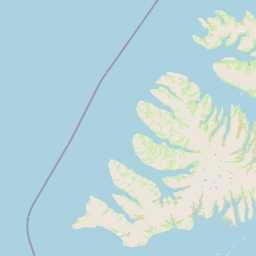
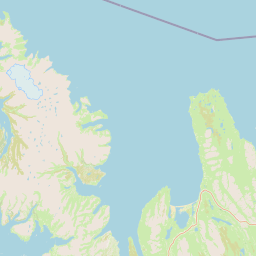
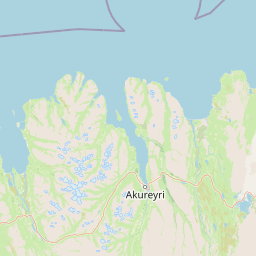
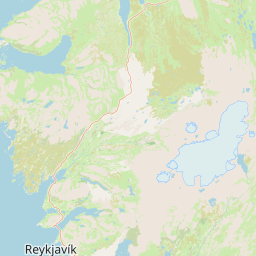
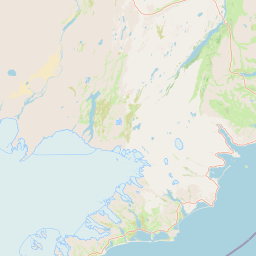
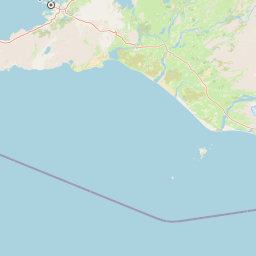
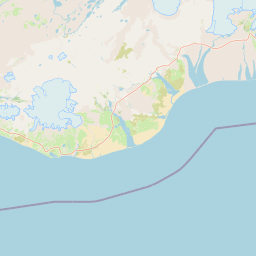
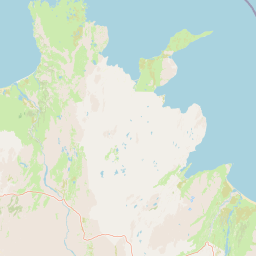 ReykjavíkStart/end baseVíkSouth Coast activitiesMývatnNorth baseWestfjordsNeeds three nights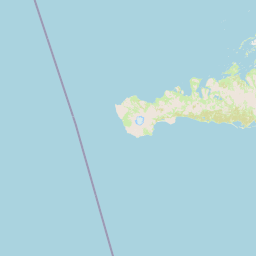
What to remove first: flights, car collection and fixed activities
Thirteen days usually means twelve nights, but the number of complete usable days is smaller. An early arrival still involves luggage, car collection, fuel and finding the first address; if the car must be returned before 08:00 on departure day, the previous evening is no longer a full Ring Road workday. Deduct half a day to a day at each end. What remains is the route budget. If this calculation is wrong, the extra day is only a number on paper.
I would write every fixed activity down first: glacier-lagoon boating, an ice cave, a glacier hike, whale watching in Húsavík and the Westman Islands ferry may all have check-in times. Stay within 30–60 minutes of the meeting point the night before; putting a long regional transfer on the morning of an activity leaves almost no room to recover from wind or snow. Lock the fixed times through the Iceland booking order, then distribute thirteen nights. That is more dependable than booking rooms one square at a time.
Three 13-day frameworks: which morning do you really gain?
| Framework | Where the extra day goes | What it gives you | The cost |
|---|---|---|---|
| Complete Ring Road + deeper South Coast | One more night in Vík/glacier lagoon | Ice-cave rescheduling, shorter drives, one fewer luggage move | Less remote coastline |
| Ring Road + Snæfellsnes | Two nights in Borgarnes or on the peninsula | Kirkjufell, coast and caves without chasing them in one day | An earlier turn back from the East |
| Ring Road + Westfjords | Three to four nights in the Westfjords | Headlands, waterfalls and fjord scenery with proper depth | Ferry or long roads, with a high cost to changing plans |
| Ring Road + Northeast/East | Two nights in Mývatn, Húsavík or the East | A second whale-watching chance, Diamond Circle depth, an earlier finish | No additional region |
How I would place the Ring Road: put the long drive where you have a way out
Keep at least three nights for the South Coast: one in Vík for Reynisfjara and an ice cave, one near the glacier lagoon or Skaftafell for the boat trip, and one in Höfn or the East depending on the next day’s eastbound drive. Vík to the glacier lagoon is about 180 km and takes about two and a half hours without stops; with Kirkjubæjarklaustur, Fjaðrárgljúfur and Skaftafell, the working day becomes six to eight hours. For the middle section, read the Vík-to-glacier-lagoon eastbound timeline before deciding whether to return day thirteen to this stretch.
Do not treat the East as a thin line on a map. Höfn to Egilsstaðir is about 250 km; adding Djúpivogur, the Eastfjords or Seyðisfjörður means your departure time from the glacier lagoon directly determines whether you can eat a hot meal at night. In winter or October weather, I would split this into two nights. Long summer daylight does not mean every fjord deserves one night taken from your rest.
In the North, day thirteen is most useful as a slow morning. If you stayed in Mývatn the night before, you can visit a geothermal area in the morning and go to Húsavík in the afternoon; if you book whale watching, allow about three hours for the sailing, check-in and changing after returning to port. Anyone planning to drive to Mývatn the same day needs the Húsavík-to-Mývatn timing decision after whale watching. If sea conditions are unstable, leaving the extra day in the North preserves a second chance.
Snæfellsnes or the Westfjords: can you absorb one evening that cannot be shortened?
Snæfellsnes connects through Borgarnes and suits a first Ring Road trip better: two nights let you separate Kirkjufell, the Arnarstapi-to-Hellnar coast and the caves at the western end. Borgarnes is about 75 km from the capital, so it can serve as the first night or the final two-night recovery point. Daylight and road conditions differ sharply from March to October. For the full peninsula, read the two-day West Iceland choice between the Silver Circle and Snæfellsnes instead of treating “Iceland in miniature” as a one-day label.
The Westfjords need genuinely continuous time. From the southern entrance towards Látrabjarg, the gravel roads on Routes 62 and 612, sparse supplies, seabird-cliff walks and coastal wind stretch a supposedly convenient night. The Baldur ferry from Stykkishólmur to Brjánslækur also runs to a fixed timetable; missing it is not fixed by driving one extra hour. If you choose the Westfjords in thirteen days, start with the southern or northern Westfjords entry route, leave at least three nights and make either Látrabjarg or Dynjandi your main sight.
The money difference is real too: one more night in remote accommodation may cost about HK$1,000–2,800 (about NT$4,100–11,500), but a last-minute room near the port plus empty-car mileage to recover a ferry can quickly exceed that original night. Prices vary by date and room type. I would spend the money on nights that remove backtracking, rather than forcing a map checkmark for “visited the Westfjords”.
How to place activities in thirteen days: make rescheduling room part of the route
Ice caves and glacier activities have meeting points and equipment time. You need to arrive by the stated time, and changing, vehicle allocation and briefing all belong in your morning. Staying in Vík reduces early parking searches and luggage handling; staying near the glacier lagoon puts a boat trip in a brighter part of the day. Compare the Skaftafell glacier hike and ice-cave options, then use the extra day for rescheduling rather than another attraction.
Whale watching, ferries and highland drives share one problem: when departure fails, you still need somewhere to go. A cancelled whale trip can become a half-day around Húsavík harbour, the whale museum and GeoSea; a cancelled ferry means reconnecting Snæfellsnes, Borgarnes or the South Coast accommodation. The F35, F208 and F225 highland window depends even more on that year’s road opening. Thirteen days does not justify promising a highland day in advance. Check the highland road opening window before deciding whether that day is a self-drive, an organised activity or lowland time.
How to divide the nights without opening the boot every day
Use “two, three, two, two, two, two” as a starting point for thirteen nights: two in Reykjavík, three on the South Coast, two in the East, two in the North and two in the West, with the final two adjusted around the flight and a Snæfellsnes/Westfjords choice. This is not a fixed answer; it is a draft for finding excessive hotel moves. If you stay one night everywhere, check-in, finding the address, sorting wet clothes and charging can take more than an hour each day. The cost is clearer for a family of three or anyone with large luggage.
Choose hotels around the work of the route: an extra South Coast night is about the ice-cave meeting and the next eastbound drive; an extra North night is about whale watching and the Mývatn/Akureyri direction; an extra Westfjords night is about dinner, supplies and the next gravel-road section. The Iceland accommodation night plan can place every night in route context before you review named accommodation pages in Vík, the glacier lagoon, Höfn, Mývatn and Akureyri. The saving is reduced luggage handling and fewer missed activities, not only a lower room rate.
The final 13-day check: write down the stop you can delete
Before departure, I would run the route backwards: if an East Iceland pass slows in a storm, which stop disappears? If the ice cave is rescheduled, which night still allows a second attempt? If the Westfjords ferry has no vehicle space, which entrance remains possible? If the flight is delayed by half a day, can you still check in safely on the first night? If each answer depends on a long night drive, the route has not really absorbed thirteen days.
Divide the route into three layers. The first is fixed activities and the return buffer; the second is sights in the same direction; the third is a remote spur that only happens with good weather, an early start and a smooth drive. Free sights usually belong in the second layer, paid activities in the first, while Westfjords headlands and the highlands need their own weather window. To bring total driving back into a tolerable range, compare the daily driving time and stop costs.
ICENAVI · THIRTEEN-DAY CALL
Give day thirteen to the stretch that can absorb bad weather
First visit: keep one more morning on the South Coast or in the North. Ring Road already complete: two nights in Snæfellsnes are easier to control than the Westfjords. Coming specifically for seabirds, fjords and remote roads: the Westfjords are worth it, but give them three nights and one unhurried morning. The real value of this day is having a next move when an activity is cancelled.
Put flights, activity check-ins, accommodation addresses and the latest daily car-return time in one itinerary table. That is how you see whether day thirteen is depth, a side route or a buffer. If you are still choosing the trip length, begin with how many days to spend in Iceland on a first visit; once the Ring Road is decided, place the 12-day and 14-day versions side by side and use this article’s decision points.
Q&A · 13-day Iceland self-drive
Can I combine the Ring Road and the Westfjords in thirteen days?
Yes, but treat the Westfjords as a separate spur, allow at least three consecutive nights and accept less time in the East or Snæfellsnes. With winter roads or a fixed ice-cave activity, a deeper South Coast plan is usually easier to execute.
Should I add the Snæfellsnes Peninsula to thirteen days?
Connecting through Borgarnes and staying two nights makes the driving easier to control; if the western roads or weather are poor, you can shorten the plan to the eastern side and Kirkjufell.
Where should I put an extra day on the South Coast?
Use Vík or the glacier lagoon area so an ice cave, glacier hike or boat trip has room to move. Do not push the base into another region simply to make the night count look even.
How much weather buffer should a 13-day self-drive include?
Keep at least one morning that can be shortened on the Ring Road; in winter, remote fjords or ferry-dependent routes, retain a full alternative day if possible.
Do I need to change hotels every day on a 13-day self-drive?
No. Two nights in each major area is often more effective than saving a little mileage while repeatedly packing. Consider the hotel’s position with the activity meeting point and the following day’s exit.
References
- Vegagerðin · Road conditions and weather (road conditions and pre-departure checks).
- SafeTravel Iceland (self-drive and weather safety information).
- The Icelandic Road and Coastal Administration (road map and mountain-road conditions).
- Smyril Line (Norröna sailing information).
- OpenStreetMap contributors (base map for this article).