
ICENAVI LAUNDRY FIT - LAUNDRY STOPS
A laundry stop is only useful if tomorrow's plan allows it
Scores reflect consecutive-night potential, drying conditions, supplies and route flexibility; they are not hotel ratings.
Self-service laundry or laundry service is easiest to find here, making it suitable for sorting clothes after arrival.
Outdoor activities create a lot of wet clothing, so even one consecutive night is worth asking about drying arrangements.
Service hours and equipment vary widely; plan to get through the night with wet bags and quick-drying layers.
City supplies, the swimming pool and a short northern outing the next day work well together for a mid-route reset.
Why Icelandic clothes are unusually hard to dry
Rain jackets, wool layers, shoes and socks may all be used repeatedly on the same day in Iceland. Waterfall spray wets outer layers, sea wind at black-sand beaches leaves salt on fabric, and in the short-day seasons it may be nearly evening by the time you return to the hotel. Room heating helps evaporation, but that does not mean clothes can be spread over a radiator; some properties prohibit it, and fabric may cover a sensor or create an overheating risk. Ask the accommodation where clothes may hang, when laundry is available, whether detergent is supplied and how drying works before deciding that you need a full machine load.
A seven-day Ring Road laundry timeline
| Night | Typical location | Clothes to handle | Route reason |
|---|---|---|---|
| Night 1 | Reykjavik/Keflavik | Sort flight clothes and open out wet rainwear | The first day may not leave time for a full wash; keep your energy for collecting the car and buying supplies |
| Night 3 | Vik or a South Coast base for consecutive nights | One 30-45 minute load of base layers, socks and underwear | Wet clothes build up after waterfalls and coastal activities; reduce the load before heading east the next day |
| Night 5 | Hofn/Egilsstadir | Mid-layers and spare trousers; check waterproof layers | Equipment is harder to find during the Eastfjords transfer, so a mid-route reset is safer than leaving it to the final night |
| Night 7 | Akureyri or Reykjavik | Wash only what you will wear tomorrow before the return journey | Do not turn the last night before departure into a full laundry evening; leave a buffer for returning the car and catching the flight |
For two people driving for seven days, three quick-drying base layers, two pairs of socks, two sets of underwear and one pair of travel trousers per person are enough to keep the rotation moving if you wash base layers and socks on the third night. Thick winter wool sweaters are not suited to washing every two days. Air them, brush off surface mud and dry the sweat-soaked layer first. With a young child or daily ice-cave activities, move the full wash forward to the second night at a consecutive-night stay and pack one extra sealed wet bag.
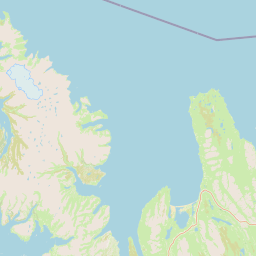
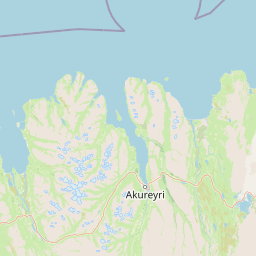
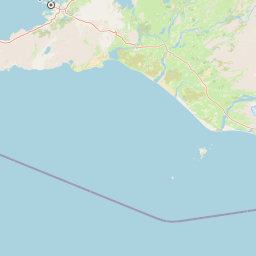
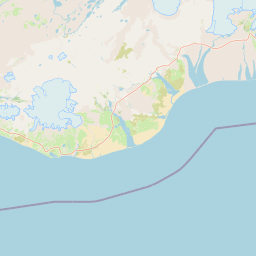
 ReykjavikFirst-night sorting/suppliesVikSouth Coast wet-clothes stopHofn/EgilsstadirMid-route resetAkureyriCity supplies/return leg
Six questions to ask before booking accommodation
- Is there a guest washing machine and dryer? "Laundry service" may mean an attended service, with different prices and collection times.
- What time does the laundry room close? If you expect to return at 6:30 pm, an evening restriction can make a wash impossible.
- Is the dryer charged by the minute, by the machine or included in the room rate? Budget 1,500-3,500 ISK per load and be ready to pay by card.
- Can clothes be hung safely in the room? Ask whether there is a heated rail, bathroom extractor fan and any restrictions.
- Can clothes be handed in early? Remote hotels may have limited staff, and a same-day request may not be ready by the next morning.
- Is the laundry equipment in another building? Carrying luggage and wet clothes across snow is a different workload from washing in the room.
If the hotel's reply is vague, mark it as "no reliable laundry". Do not assume a machine exists because of one photograph on a booking site; record equipment, service and hanging space as separate items in the itinerary. If laundry costs about 8-15 EUR per person but changing the route would add a 120 EUR night, the laundry alone is not worth rerouting for. It makes sense when the consecutive-night stay already works, so the wash fits into time you have already allocated.
How to divide wet clothes into bags so the car does not smell musty
Pack three reusable bags: one for unwashed dry clothes, one for rainwear, shoes and socks that are still wet, and one for washed clothes waiting to dry. Press wet items with a towel first; do not seal sand- and seawater-covered clothes for more than one night. Once parked, open the rain-jacket zips, remove shoe insoles and place everything somewhere with airflow. Paper can absorb water from soaked shoes for a short time, but change into dry socks and shoe covers the next day; do not use high-heat equipment in the car. Secure the wet bag in the rear footwell so it cannot slide into the pedals during hard braking.
Winter roads and weather can push a planned laundry night back. Keep one complete dry outfit per person in an easy-to-reach bag, and add "Can we reach the laundry base safely tonight?" to the morning decision process in the Iceland winter driving guide. If wind or snow shortens the Eastfjords transfer, protect your dry clothes and accommodation first; do not drive at night just to reach a washing machine.
Match washing frequency to the day's activity
| Activity | Parts most likely to get wet | Handle that evening | Next-day back-up |
|---|---|---|---|
| Waterfalls and short coastal stops | Outer-layer cuffs, trouser hems and socks | Separate the layers and air them for 30 minutes | Rewear items without odour and change the base layer |
| Glacier/ice cave | Gloves, socks and long-sleeve base layers | Prioritise dry clothes; do not rush to wash waterproof outer layers | Keep at least one pair of dry socks for the meeting time |
| Whale watching/boat activity | Trousers, shoes and hat | Put saltwater-wet clothes in a separate bag and rinse off salt when you return | Keep a complete change ready so you do not board in wet clothes |
| Hot spring | Swimwear and towel | Use an airy bag; do not seal it with everyday clothes | Return it to the luggage only once dry the next day |
ICENAVI - PACKING DECISION
Laundry is accommodation work, not an extra attraction.
Check the Iceland accommodation budget and packing list, then add laundry stops to the route. For a one-night stay, carry enough quick-drying spare layers; for two consecutive nights, include laundry service in the accommodation decision. If supplies and fuel need to be planned together, see the Ring Road supply stops.
Q&A | Laundry on an Iceland self-drive trip
Do we have to do laundry on a seven-day trip?
With three quick-drying base layers per person, one wash on the third or fourth night is usually enough; do it earlier with a young child, several consecutive glacier activities or a smaller wardrobe.
What should we do if the hotel has no dryer?
Press out water, hang layers separately and use the extractor fan, placing the next day's clothes where air can reach them. Do not seal wet clothes in the suitcase or use high-heat equipment yourself.
Is it worth staying an extra night for laundry?
Usually not. Add laundry to the base decision only when you already need consecutive nights and the wash can happen alongside supplies and rest.
How should we carry wet clothes in winter?
Carry one complete dry outfit and two waterproof divided bags per person. Air wet clothes first, let the road conditions guide the move, and do not hurry the car through difficult conditions for laundry.
References
SafeTravel Iceland: weather and road safety information
Icelandic Road and Coastal Administration: road conditions
Prices are planning ranges; confirm laundry facilities, charges and opening hours directly with the accommodation.
Map: (c) OpenStreetMap contributors.