
Q&A | Questions to settle before departure
When an event or tour is operating, staying overnight can reduce ferry and post-event pressure.
References | Sources and limits
Recheck puffin season, events, ferries and weather for your travel dates.
ICENAVI SEASON FIT · HEIMAEY PUFFIN WINDOW
An overnight buys waiting time, not a puffin guarantee
The score weighs the seasonal window from late April to early September, the Stórhöfði walk and weather, event dates, ferry fallback options and the opportunity cost of a South Coast night. Wildlife sightings, sailing times and programmes should be checked against official information before departure.
It earns a night when puffins are the theme, your dates match a tour or event, and the next day has no fixed early start; a photo-only detour can disrupt the South Coast.
The window begins in late April or May, events are more plentiful in June and July, and fledgling rescue may appear from August to early September; a month is not a sighting promise.
Use about 45 minutes from the town centre to the southern end as a reference; wind, slopes, no toilet and the last-ferry deadline can turn a photo stop into half a day on foot.
Seat availability, weather, check-in and the final sailing decide whether you can return to the South Coast the same day; staying overnight adds a buffer but also a room and luggage transfer.
Puffin Run, Goslokahátíð and Þjóðhátíð can change room prices and ferry availability; only matching dates justify the premium, not the names alone.
Eldheimar, Sagnheimar, the volcano and island life can still support a night; if “must see puffins” is the only acceptable answer, the overnight score falls.
The common mistake is treating “puffin season” as a ticket that works equally from May to August. In reality, the day’s wind, visibility, tour availability, ferry seats and your own legs decide whether Stórhöfði is a comfortable southern walk or a long tail of work when you realise you still have 45 minutes to walk before the ferry. You can skip part of the island; first decide which theme is worth the night.
Break the season into windows you can actually use
| Date window | What you can reasonably expect | How to leave room in the plan | Do not infer from the month |
|---|---|---|---|
| Late April to May | The main window for seabirds and local tours begins; Puffin Run is usually on the first weekend in May | Make Stórhöfði or a tour the only fixed activity, with an indoor fallback after the ferry | Every coastal point will not have the same bird numbers every day |
| June to July | Long daylight and more activities, with island festivals becoming more frequent | Check the event calendar and accommodation first; long daylight is not a reason to treat the last ferry as post-dinner transport | Long daylight does not remove wind, swell or the return-ferry deadline |
| August to early September | You may encounter fledgling departures and local puffling-patrol stories; some tours still run on summer schedules | Keep the rescue centre, museum or volcanic history as half the plan even if birds do not appear | Fledgling rescue is not a show or a fixed nightly activity |
| Mid-September onwards | The focus shifts to volcanoes, coast, museums and town life; seasonal seabirds may remain, but check each product window | Do not give up a South Coast night specifically for puffins unless there is a clear same-day event or photography reason | Visiting Heimaey does not mean you will definitely see puffins |
A distinction that is easy to missOfficial information says that lost fledglings may need residents’ help in August and September. That is community conservation work, not an activity for visitors to catch or chase. Follow local guidance if you encounter rescue information; do not treat a fledgling under a street light as a photo stop.
2026/2027: An event can justify moving one night
If you happen to be on Heimaey at the weekend, the island’s local rhythm may be more worthwhile than “seeing a few”. The 2026 calendar lists Puffin Run on 2 May, Sjómannadagshelgin in June, Goslokahátíð on 2–5 July, and Þjóðhátíð from late July to early August; the 2027 calendar also lists Puffin Run on 8 May, Hljómey in April and Goslokahátíð in early July. If that date is why you are considering staying, the Goslokahátíð 2027 page on volcanic history and accommodation distribution separates exhibitions, harbour events and an ordinary puffin-season plan. Do not change rooms because you saw a festival name. These are local event dates, not puffin-sighting guarantees; recheck dates, transport, accommodation and ferries against notices before departure.
| The date you encounter | How I would judge it | What to secure first | When it is not worth forcing |
|---|---|---|---|
| Puffin Run weekend | The run and atmosphere are the theme; puffins are a bonus | Ferry, accommodation, event calendar and island transport | Your companions only want a relaxed bird sighting but would have to absorb race crowds and higher room prices |
| Goslokahátíð | Treat it as volcanic history and a community festival, not a normal one-day attraction | The official programme, getting back to the hotel after events and the return ferry | You have a fixed South Coast activity the next day and no delay margin |
| Þjóðhátíð weekend | This is a large island festival; accommodation and ferries are the main itinerary | Official event information, accommodation policy, seats and night-time return options | You want a quiet seabird visit but have no intention of joining the festival crowds |
Here is the practical trade-off: you are not simply “staying one more night”; you are moving a night from a South Coast waterfall or a Vík room to an island whose needs change with the local calendar. When the event matches, Iceland starts to feel like local life instead of a list of scenery. When it does not, do not force the route back for the words “largest colony”.
Look at the walk on the map before deciding what to carry besides a camera
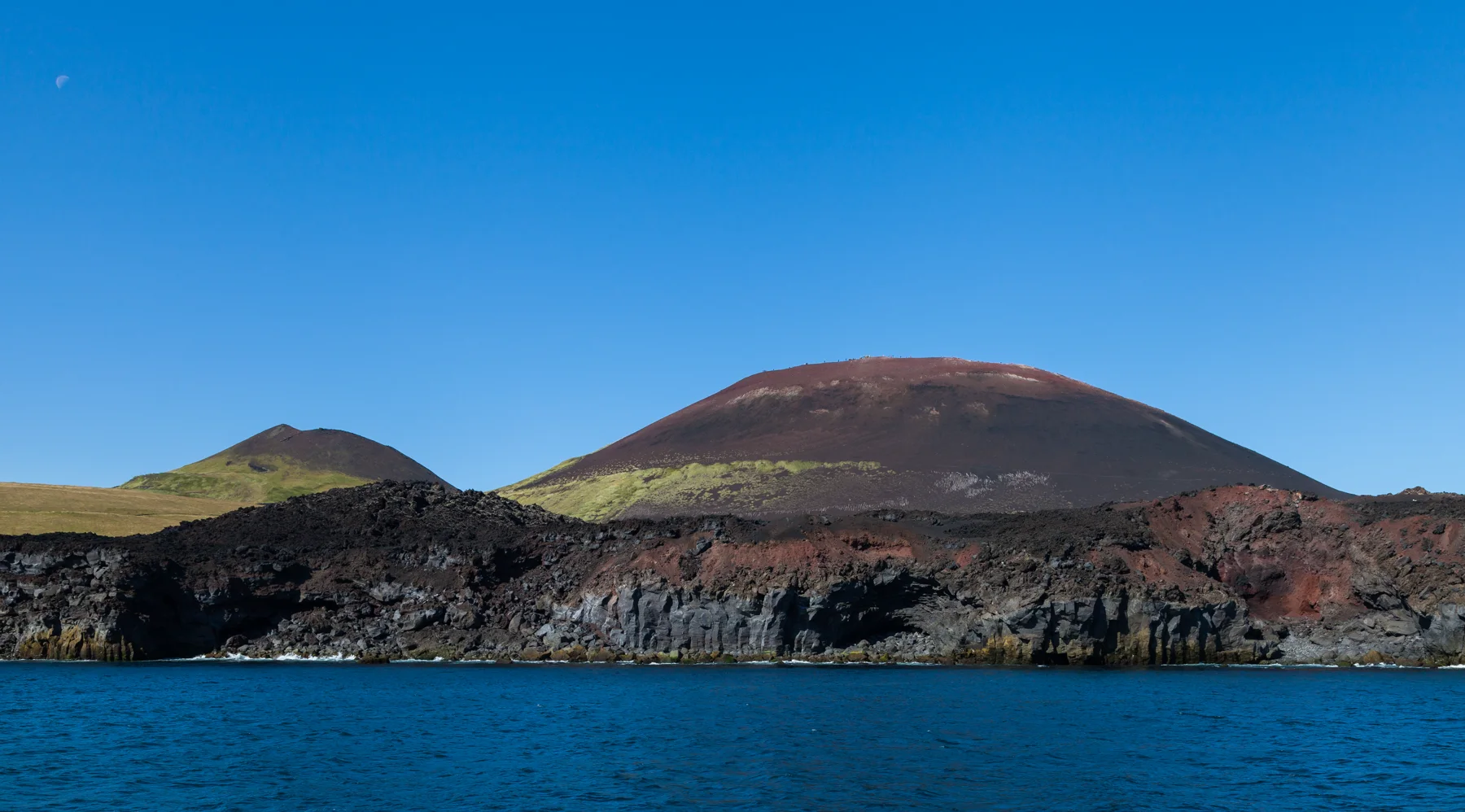
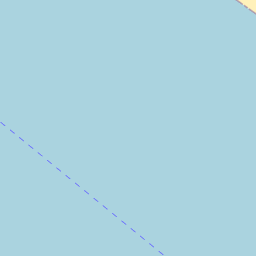
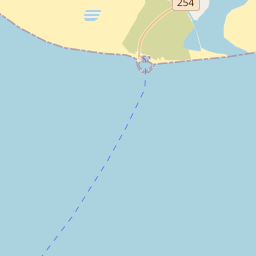
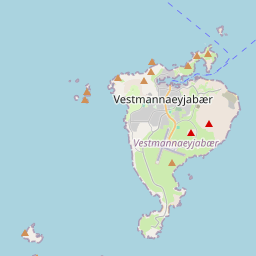
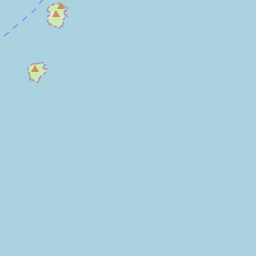
Heimaey harbour is not beside Stórhöfði. Local tour information uses about 45 minutes from the town centre to Stórhöfði as a reference, and the route still involves wind, slopes, parking, no toilet and changing weather. The map below does not draw a fictional route. It marks the mainland end, the landing point, Eldfell (the volcano) and the southern puffin-viewing end so you can decide whether to walk, call a car or let a guide who knows the island handle the movement.
Three ways to see puffins: price is not the first difference
| Approach | What the published information tells you | Best suited to | Limits you must accept |
|---|---|---|---|
| Go to Stórhöfði yourself | About 45 minutes on foot from the town centre as a reference; the bird hide and parking are at the southern end | People with a full afternoon who can change plans for wind and manage the return themselves | No sighting guarantee; you must manage wind, rain, toilets, trails and ferry times yourself |
| Puffin Hike | About 1 hour 20 minutes, a 3 km loop, May to September, maximum 10 people | People who want local interpretation and help finding the bird site, and can accept weather cancellations | The supplier states that wildlife cannot be guaranteed, and the route has no toilet |
| Natural History Bus Tour | About 2 hours, four-person minimum, connecting Stórhöfði, Eldfell, volcanic history and island sights | Day visitors, people with limited walking capacity and anyone wanting the island’s context in one outing | Group size, weather and wildlife can still change; it is not designed only for puffins |
If puffins are the only goal, I would first compare walking yourself with a tour that handles the southern end. If you also want to understand the 1973 eruption, Herjólfsdalur and island life, the two-hour bus tour is more efficient. A photographer who cares most about light should not treat a fixed group as the only answer: the best light may not coincide with the most comfortable sailing.
Puffins are the theme: 3 points; a tour or event is still available on your dates: 2 points; you can accept wildlife not appearing: 2 points; there is no fixed early start the next day: 2 points. At 7–9 points, I would consider staying overnight; at 4–6, keep Heimaey as one day-trip theme; at 0–3, do not break up the South Coast for a photograph—choose nature or an indoor activity already on your route.
Does the island still work if you do not see a bird?
This is the question I would use to eliminate an itinerary. Eldheimar brings the 1973 eruption story indoors. Sagnheimar shows islanders, fishing, festivals and puffin culture, so the day is not reduced to waiting at a cliff for a bird that may never appear. Sea Life Trust’s Puffin Rescue is a conservation entry point, not a close-up feeding experience. If the answer is “I do not want to do anything without puffins”, I would not give the island a dedicated night.
Conversely, if one traveller wants a volcano, another wants a slow coffee and someone else only wants a coastal walk, Heimaey’s value no longer rests on the sighting rate. Treating puffins as a bonus makes it easier to keep the day intact when the wind rises, fog thickens or a tour is cancelled. That is more practical than the phrase “largest colony”.
How I would place one night within a South Coast route
| Your South Coast version | How I would arrange it | What not to do |
|---|---|---|
| An adjustable night before or after Vík | Place Heimaey in the middle of the South Coast, then travel east or back west the next day | Connect a long drive immediately after the ferry and force in evening sights |
| A fixed glacier hike or ice-cave meeting time | Protect the activity; treat puffins as a bonus if you have energy in the same area | Put a non-movable activity after a ferry diversion made for birds |
| A first Iceland trip with very few nights left | Give Heimaey a defined night only if the event dates match and you are willing to stay on the island | Let “must see the largest colony” overrule the rhythm of the main route |
The price of one night is more than a room and a ferry ticket
| Cost area | Same-day return | Stay one night | The decision it really changes |
|---|---|---|---|
| Ferry | Seats, check-in, the return sailing and the next South Coast leg must all work on the same day | You can move the return-ferry pressure to the next day, but still need to book by passenger/car ticket and departure time | Do not treat the ferry like on-demand city transport |
| Accommodation | You save a room night, but a missed sailing or extended event leaves no buffer | You add a room, breakfast and luggage handling in exchange for a weather-waiting window | Check availability early for Puffin Run, Goslokahátíð and Þjóðhátíð weekends |
| South Coast main route | Waterfalls, Vík or a fixed activity are easier to keep on the original schedule | You move one South Coast morning and reconnect eastbound or westbound the next day | Do not trade a glacier hike or departure buffer for an island photograph |
| Island transport | You must arrange the walk, drive or tour from Stórhöfði back to the harbour | You can split tours, museums, volcano and coast across two periods, but transport does not appear automatically | Travellers without a car should check tours, transfers and event dates |
The real cost is not a hotel; it is the South Coast morning you give up. If that morning is a glacier hike, a weather fallback or departure buffer, I would keep it. If it is only one more waterfall car park and Heimaey happens to coincide with Puffin Run or Goslokahátíð, I would put the local event first. Without a rental car, read the Heimaey no-car half-day worksheet first: matching an event date does not make island transport connect automatically. A route is not worth more because it contains more sights; the useful question is whether the night becomes a memory you do not have to rush.
First decide whether the island works
Westman Islands destination guideWestman Islands: day trip or overnight?Taking luggage on the Heimaey ferryMore reading
Then connect the South Coast
Two days and one night on the South CoastVík accommodation and South Coast directionHow to read Iceland’s road-conditions websiteReferences
These sources were checked in September 2026; wildlife, event dates, festival programmes, ferries and tour availability change, so recheck them before departure.
- Herjólfur | About Vestmannaeyjar (puffin season, August/September fledgling rescue, ferry and island activity background).
- Visit Vestmannaeyjar | 2026/2027 events calendar (dates for Puffin Run, Goslokahátíð, Þjóðhátíð and others; not a sailing or sighting guarantee).
- Visit Westman Islands | Puffin Hike (Stórhöfði, about 1 hour 20 minutes, 3 km, May to September, weather and sighting limits).
- Visit Westman Islands | Natural History Bus Tour (Stórhöfði, Eldfell, island history and group/weather conditions).
- Sea Life Trust Beluga Whale Sanctuary | Puffin Rescue, Sagnheimar Folk Museum (conservation and indoor alternatives when puffins do not appear).
- Visit Iceland | Puffins in Iceland (Iceland’s puffin season and respectful wildlife context).
- OpenStreetMap contributors (the Heimaey base map used here).
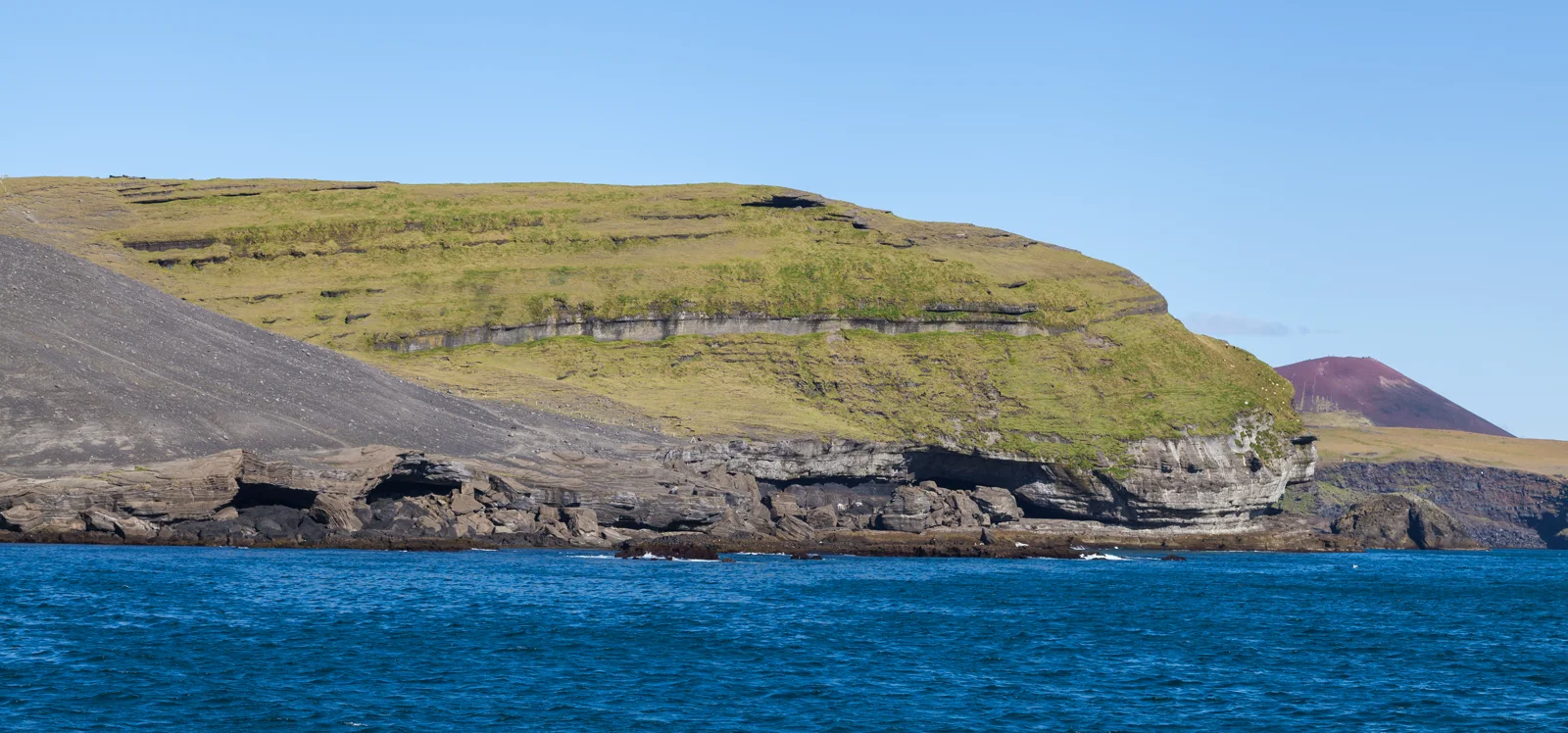
- Hero image: Diego Delso / Wikimedia Commons, CC BY-SA 4.0; it shows coastal landform, not puffin numbers, weather or access on any date.
This page handles the season and route decision first; it does not place unverified Klook, KKday or GetYourGuide affiliate offers. Confirm actual availability, meeting points and day-of terms on the supplier or named product page before adding a transaction CTA.