
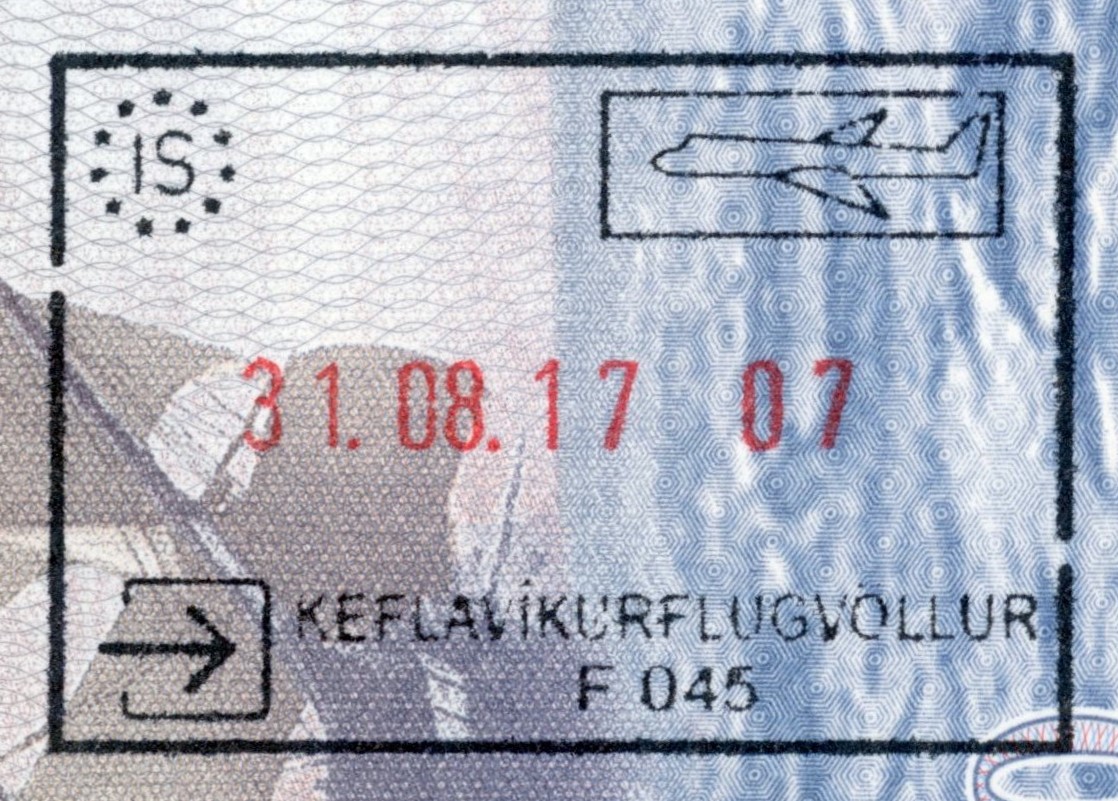
That old 2017 entry-stamp photograph has plenty of travel atmosphere, but it is here to underline a less romantic point: you may not receive a clear ink stamp now. The EU Entry/Exit System (EES) has operated fully at external borders since 10 April 2026, recording eligible short-stay travellers from outside the EU electronically, including entry, exit and biometric data. Do not read “there is no new stamp in my passport” as “there is no record”, and do not use the dates in an old online guide as today's calculation method.
Visa-free travel, length of stay and permission to enter are separate checks
The common mistake is to see “90 days visa-free for Hong Kong” and stop checking. A visa waiver answers whether you would normally need to apply for a short-stay visa; it does not confirm that this trip meets every entry condition, nor does it erase days already spent in France, Germany or another Schengen country. Iceland is part of Schengen. If you spend 20 days in Paris before flying to KEF, those days still belong in the same rolling 180-day window.
| Check this level | What it answers | What it does not prove | Evidence to keep |
|---|---|---|---|
| Visa exemption | Whether your passport category is normally eligible for short-stay visa-free travel | That entry is guaranteed or that you may stay 90 days | Passport nationality/category and the official visa-waiver list link |
| Days of stay | Whether this and previous Schengen stays remain within 90/180 | That only Iceland counts and other Schengen countries do not | Entry date, exit date and travel history for the previous 180 days |
| Entry conditions | Whether your passport, purpose, funds, departure plan and security checks can be explained | That a hotel confirmation is itself a guarantee of entry | Reasonable proof of return/onward travel, accommodation, itinerary and available funds |
| Visa documents | Whether an applicant who needs a visa has supplied the required materials | That an approved visa can be changed into work or long-term residence | Visa sticker validity, permitted days and number of entries |
How can Hong Kong SAR passport holders avoid losing track of 90/180?
The Hong Kong Immigration Department's HKSAR Passport visa-free/visa-on-arrival list places Iceland at 90 days; read the notes and use the latest version. For the calculation, both the entry and exit dates count. The same rolling 180-day window looks back at your time in the Schengen Area. Someone flying directly from Hong Kong and spending 8 days only in Iceland usually needs to record those 8 days carefully. Anyone combining the trip with the UK, France or the Nordic countries should not add the days from memory at the airport.
| Travel scenario | How to count it | Action before departure |
|---|---|---|
| Hong Kong → Iceland → Hong Kong, 8 days | The 8 calendar days in and out of Schengen on this trip | Keep flight and accommodation records; check passport validity |
| Hong Kong → Paris 5 days → Iceland 7 days | 5 days in France plus 7 in Iceland, together within 90/180 | Record the France entry date, not only the ticket to KEF |
| Schengen visa with fewer than 90 permitted days | Use the visa sticker's authorised stay and validity period as the limit | Check single/multiple entry and the last date you may enter |
| Another Schengen residence permit/long-stay visa | The rules differ from those for short-stay visa-free visitors | Carry the valid residence card/long-stay visa and confirm with the issuing country |
How much passport validity is enough, rather than merely “probably enough”?
Iceland's entry requirements for travellers from outside the EEA/EFTA state that the travel document must remain valid for at least three months after the planned departure date and must have been issued within the previous ten years. That is the official minimum framework, not necessarily every requirement applied by an airline, transit country or your passport authority. Visa supporting documents also require at least two blank passport pages. Visa-free travellers should still confirm document format and transit arrangements with the carrier before departure, especially when a route leaves Schengen and returns.
Write passport validity as a date, rather than simply “expires in 2027”. If you plan to leave Schengen on 18 November 2026, ask whether the passport remains valid beyond 18 February 2027; allow more margin if a connection, rebooking or delay is possible. An extra month does not repair every issue, but it is better to do that subtraction before reaching the counter.
What an officer may ask is whether your itinerary adds up
Official entry requirements allow border officers to ask about your purpose, the conditions of your stay, and funds sufficient for the trip and your return to your home country. Most travellers are not questioned line by line. The practical problem is that documents sit in different apps, only the first night is saved, or the return ticket is in another traveller's email, making a simple answer slow. Put the records in an offline folder on your phone and keep a copy that a companion can open. When the airport queue has no signal, “I should be able to log in” is not a document.
| Information | Minimum usable version | A more comfortable way to organise it |
|---|---|---|
| Identity and passport | Valid original passport; each accompanying child has their own documents | Offline PDF of the passport data page; do not keep the original only as a photograph |
| Purpose of entry | Explain tourism, visiting family or another purpose in one clear sentence | Keep the first night, main areas and activity confirmations on one page |
| Accommodation | At least a verifiable property name, address and dates | List the continuous stay separately from first/last nights; do not show only one booking |
| Departure plan | Return or onward flight/ferry ticket and date | Mark the flight number, transit country and Schengen exit date in the itinerary |
| Ability to fund the trip | A reasonable explanation of how the trip will be paid for | Cards, available limit, cash and who is paying what, without exposing full account details |
The map shows the entry sequence, not an airport turned into a sight
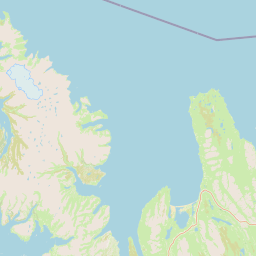
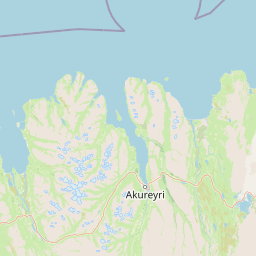
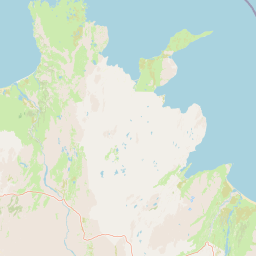
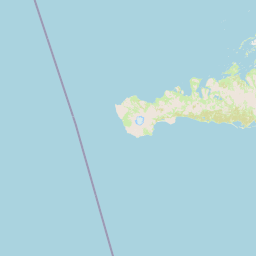
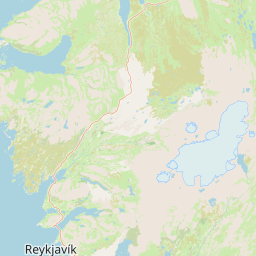
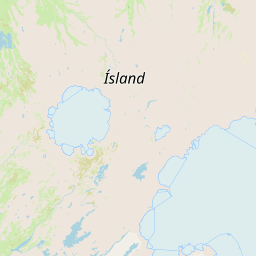
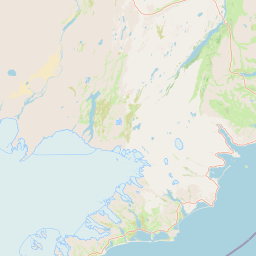
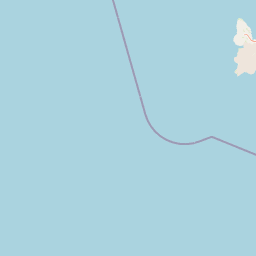
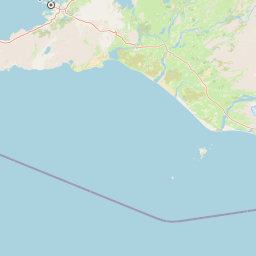
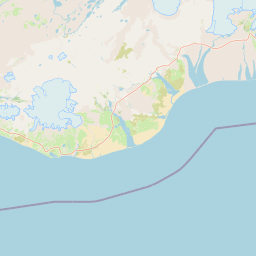
KEF is on the Reykjanes Peninsula, not in central Reykjavík. Whether you collect a car, take a transfer, stay in Keflavík town or go straight into the city changes both your first-night base and your eSIM setup. This real map marks only “land first, then head into the city; the South Coast is the next direction”. It does not provide terminal directions, same-day transport or road conditions. For the first-night base, see Keflavík and Reykjanes first/last-night options; for connectivity, see self-drive eSIM coverage and offline backup.


EES has changed what to expect on arrival
EES applies to non-EU travellers making short stays in the Schengen Area. It records travel-document details, entry/exit dates and locations, facial images and fingerprints, and has operated fully since 10 April 2026. The first crossing at an applicable border may take longer for registration; later crossings involve checks against the record. Do not panic, but do not use “I was quick in Europe last time” as the schedule for the next flight.
Travel Europe still lists ETIAS as intended to begin in the fourth quarter of 2026 and says that travellers do not currently need to take action. Confirm the date, transition arrangements and passport categories against the latest notice. If a payment page appears in a social post or search advert, do not assume it is a required application. Visa-free travellers should remember that an authorisation and a visa are different: ETIAS is not a residence permit and cannot extend 90/180.
Visa applicants most often go wrong when choosing which country to apply to
If your passport is not visa-exempt, Iceland's stated principle is to apply to the Schengen country that is your main destination. If time is divided equally, you would normally apply to the first Schengen country you enter. Application materials generally include travel documents, proof of funds, proof of departure, accommodation/itinerary and travel medical insurance valid across Schengen with minimum cover of EUR 30,000. That insurance threshold is a visa-document requirement; it should not automatically be treated as one identical policy requirement for every visa-free traveller.
After approval, check the sticker's validity dates, permitted stay and number of entries. The earliest and latest entry dates do not mean “one day earlier should be fine”. Single-entry travel and multiple-entry travel can differ greatly on a multi-country itinerary. Keep a photograph of the visa sticker as a backup, but carry the original with the passport.
ICENAVI DECISION CARD · ENTRY
Which part of the entry pack is easiest to miss?
This does not predict a border decision. It scores whether the evidence in this article lets you explain your identity, days, purpose and departure plan clearly at KEF.
Hong Kong SAR passport eligibility still has to be combined with days spent across the Schengen Area.
Three months after departure and issue within ten years are conditions to turn into dates before check-in.
The first-night address, full accommodation record, onward travel and ability to pay should agree.
EES is operational; ETIAS timing can change, so an old guide cannot replace a fresh check.
KEF is on the Reykjanes Peninsula, so car collection, transfers and the first-night base shape the arrival-day pace.
Turn the records into one offline pack, then choose the first-night base; that is more reassuring than memorising “90 days visa-free”.
The same documents can carry different risks depending on how you organise them
| Organisation method | Practical benefit | Risk left behind | Best suited to |
|---|---|---|---|
| One-page offline pack | Passport, accommodation, return and insurance records are quick to show without signal | You must update dates yourself; an old version can confuse | First entry, late arrival, or a group with several people sharing tasks |
| Phone apps/email only | No separate preparation; booking updates arrive promptly | No signal, low battery or failed login stops the answer at the gate | Few documents, reliable connectivity backup and companions who know the setup |
| Return ticket only | Simple and proves the departure date | Does not explain accommodation, funds or the complete Schengen route | Departure evidence only; it should not replace a complete pack |
| Treating EES/ETIAS as one thing | Low memory load | Confuses a border record with pre-travel authorisation and may miss official updates | Not recommended; check the two procedures separately |
Ten questions before reaching KEF
- Which passport category do I hold, and does the official visa-waiver page still list it correctly?
- Will my passport remain valid for at least three months after planned departure, and was it issued within the last ten years?
- Have I listed this trip and all Schengen days in the previous 180 days, date by date?
- If I need a visa, is the application country my main destination, and do the visa days and entry count match?
- Can I explain accommodation, return/onward travel and the main itinerary on one page, without making an officer wait while I search?
- Does each accompanying child have valid travel documents and any required authorisation?
- Does my pack include the first-night address, booking number and contact telephone number?
- Can I open flight, accommodation, insurance where applicable and return records when my phone has no signal?
- Do I know that EES registration may involve biometric data, and have I allowed sensible airport time?
- Have I checked ETIAS/visa rules again before departure through Travel Europe, the Icelandic authorities or the relevant consular office?
Once those ten questions are answered, return to the itinerary. For a late arrival, see how to plan your first night in Iceland and separate entry, baggage, car collection and the first drive. If you will drive immediately after entry, five-minute pre-departure safety information covers same-day road and weather decisions. When the documents agree, the sights have a better chance of appearing at the pace you planned.
Q&A | Checking Iceland entry documents
Do days spent travelling in France count towards my Iceland stay?
Yes. Iceland and France are both in Schengen. List each Schengen day in the relevant 180-day window; do not look only at the Iceland flight.
Which documents are most useful to save first?
Save offline versions of your passport, first-night address, return or onward travel, insurance where applicable and the main itinerary. Keep the booking numbers too, so you are not searching from an unstable airport connection.
References
References
The following sources were checked on 9 September 2026. Visa, border-system, airline-document and passport requirements change; revisit the official pages before departure.
- Ísland.is | Entry requirements to Iceland: passport validity, 90/180 days, purpose of entry, funds and departure conditions for non-EEA/EFTA travellers.
- Ísland.is | Apply for a visa to Iceland: Schengen visa principles, main destination and relevant procedures.
- Ísland.is | Supporting documents: passport, funds, medical insurance and itinerary documents for visa applications.
- Hong Kong Immigration Department | HKSAR Passport visa-free/visa-on-arrival list: the list places Iceland at 90 days; use the latest PDF and the correct passport category.
- European Commission | EES fully operational from 10 April 2026: electronic entry/exit and biometric registration for short-stay non-EU travellers, including listed exemptions.
- Travel Europe | ETIAS: launch timing, application information and the notice that no action is currently required; recheck before departure.
- European Commission | Short-stay calculator: official tool for the 90/180-day rule.
- Matthew Bellemare/Bonus bon | Wikimedia Commons: US Passport - Iceland entry stamp 2017, CC BY-SA 2.0; old 2017 Keflavík entry-stamp photograph used only to explain why an old stamp should not stand in for today's process, and not to represent current EES or an entry result.
- OpenStreetMap contributors: base map for the KEF, Reykjavík and Vík locations in this article; markers show geographic scale only and do not guarantee navigation or same-day transport.

This is travel-document organisation, not immigration, legal or personal visa advice. Passport issue country, nationality/status, residence permit, transit route and purpose of entry can change the result; follow the latest instructions from the relevant government, consular office, border authority and airline.