
ICENAVI · CITY MOBILITY FIT
Which of four approaches wastes the least of your day?
This score covers costs that change your city plans; fares use public prices for 2026.
The main sights are close together, so you spend less time waiting and transferring in wet wind.
One or two rides a day keep plans flexible; use a bus for one wet or uphill stretch.
It needs at least three rides a day to justify the price, and you still follow the timetable.
It only works when you use several included services on the same day; buying it for two bus rides is the wrong calculation.
The sights are close; wind and rain change what “close” means
Hallgrímskirkja and Rainbow Street (Skólavörðustígur) sit in the same central walking area. Continue east along Laugavegur to Harpa Concert Hall and the Old Harbour and you have a natural sequence on foot, with no need to find a bus for every stop. Local transport becomes useful after two hours of walking, wet shoes and food in your hands, when the next place is uphill. A 15-minute map estimate feels very different in a headwind on a slope than it does first thing in the morning.
That is why I treat a transport ticket as a second-stage decision. Check the door of your accommodation, the first fixed admission time and the last activity of the evening, then decide which leg is worth shortening by bus. From Laugavegur, you can walk from the church to the harbour on day one; from southeast Reykjavík or near BSÍ, put a bus into the schedule for Perlan or the return to your room. You are reserving a choice for one or two useful legs, rather than paying for an all-day ticket just because it is available.
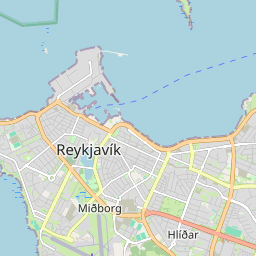
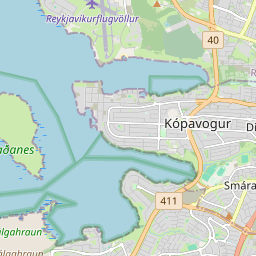 HallgrímskirkjaCentral walking startHarpa / Old HarbourEnd of the harbour walkPerlanUphill / easier by busNauthólsvíkOuter beach / pool direction
690 ISK per ride, with transfers within 75 minutes
In 2026, the Strætó adult single fare and contactless fare are both 690 ISK, about HK$39 / NT$160. Ages 12–17 and 67+ pay 345 ISK; children aged 11 and under travel free. A single fare is not limited to the next stop: transferring within 75 minutes using the same card or payment method normally does not trigger another charge. Use one physical card, one phone or one Klapp ticket account for the whole journey; mixing methods separates the transfer record.
Three adult rides in a day total 2,070 ISK, still below the 2,750 ISK 24-hour ticket; from the fourth ride, the day ticket has a clearer price advantage. The 72-hour ticket costs 6,000 ISK. Two rides per day for three days total about 4,140 ISK as singles, so the pass has not paid for itself; four rides per day is the more credible threshold. HKD and TWD conversions help with planning, but the current ISK price is what you pay.
| Use case | Adult ISK | Approx. HKD / TWD | When I would use it |
|---|---|---|---|
| Single ride | 690 | HK$39 / NT$160 | One to three rides in a day, only for outer stops |
| 24-hour ticket | 2,750 | HK$155 / NT$635 | Four or more rides in one day, or two outer directions |
| 72-hour ticket | 6,000 | HK$338 / NT$1,385 | Four rides or more per day for three days |
| 10 adult tickets | 6,900 | HK$389 / NT$1,590 | Rides spread over several days when you do not want a day pass |
The table counts fares only, not waiting or walking to the stop. If your hotel is 700 metres from the nearest stop and you have luggage, a cheap bus ride may not beat walking straight there; if rain means changing into dry socks, the 690 ISK saved can quickly become a short taxi ride or extra time. Before leaving, write each day’s journey as “hotel door → boarding stop → final 500 metres after alighting”. That shows both the fare and the physical cost.
The City Card covers admission, not every transport need
In 2026, the Reykjavík Card has moved to a mix-and-match set of city services. Municipal information lists options including swimming pools, museums, Nauthólsvík, a family park and a zoo; its structure differs from a tourist pass built around a fixed bundle of sights. Decide which city services you will use, then check the current price instead of calculating payback from an old screenshot. The Culture Card is a separate annual museum product and should not be treated as the same thing as a short-term transport ticket.
If you want one museum, a walk around the harbour and one bus ride to Perlan, paying item by item is clearer. On a full day of rain, a museum in the morning, a city pool at midday and another gallery in the afternoon—followed by a bus back to an outer hotel—can give the City Card a genuine chance to combine several small decisions. Check the current municipal page for what each venue includes, whether activation is needed at a service desk and whether digital and physical cards can be used together. Those details affect the day more than a vague promise of a long attractions list.
ICENAVI · COST CHECK
My payback line
Central walking day: do not buy a transport pass in advance. One return trip to an outer sight: use singles or the 75-minute transfer window. Four or more rides in a day: compare the 24-hour ticket. Four rides per day for three days: consider the 72-hour ticket. Only calculate the City Card when you will use at least two museums or pools within the same city stay; it cannot solve a missed service or accommodation far from a stop.
Three real schedules and where the ticket fits
Two central days: Link the church, Rainbow Street, Laugavegur, Harpa and the Old Harbour on foot on day one; choose Perlan or a pool according to the weather on day two. Use one or two rides only if you need to return to the hotel after Perlan. When reading the two-day Reykjavík city plan, put this fare threshold back against your actual accommodation.
Rainy city day: Walk a section when the rain is light, then use the bus to reach an indoor venue. In heavy rain or a difficult wind, shorten the walk and use fares for “hotel—first venue” and “last venue—dinner”. Do not detour to unrelated stops just to use a day pass; a transport ticket should not become a second attractions list.
Final half-day: If your luggage is stored at the hotel, account separately for the bus schedule, boarding and alighting, and the airport connection after shopping in the centre. For an independent last-night plan, see where to stay and how to reach the airport on your last night in Iceland; this article covers local movement and does not put an airport bus fare into the City Card calculation.
With luggage, the part after the bus stop is easiest to miss
City buses handle the distance between districts, but they do not deliver luggage to your hotel door. Check the stop direction before boarding, especially where names on opposite sides of one street look similar; after alighting, account for slopes, exposed wind and uneven paving. Eight minutes from the stop with two 20-kilogram suitcases is not the same as eight minutes without luggage. If you arrive late after an overnight flight, a first night within walking distance is often more effective than researching the cheapest transfer.
Do not use bus timetables to cut admission times too tightly. Leave time to wait and walk to Perlan, a pool or a restaurant; night buses still use the adult 690 ISK single fare, but their intervals and routes cannot be inferred from daytime experience. For a day tour with a fixed meeting time, the hotel location and pickup point matter more than a city day ticket. The trade-off connects with choosing accommodation near an activity meeting point.
Where I would keep the money
For a two-day trip, I would keep the bus budget for one comfortable ride back to the hotel and walk the other central sights. For a family of four, four adult singles cost 2,760 ISK in a day, only about 10 ISK more than a 24-hour ticket; convenience at the point of purchase is the real difference. If two children are 11 or under, the family total changes, so do not calculate only four adult fares. Travellers aged 12–17, seniors and disabled passengers need to activate the discounted fare correctly in Klapp; it may not be applied automatically when boarding.
If all your activities are central, a transport ticket adds no value to the plan. Put that money towards a thermal-bathing session you actually want or a dinner without a rushed return across town. If you stay outside the city and need two outer-area return trips every day, compare the 24- or 72-hour ticket with the accommodation difference; a hotel near a stop may save more morning and evening time than several days of fares.
Have you worked out the local transport?
Check Reykjavík activities and transfers by date
Confirm that the meeting point is walkable, then fit a thermal bath, viewpoint or city experience into the transport plan.
Related reading
Plan the city days first
Reykjavík destination guide
Two days in Reykjavík
How to fit Perlan into half a day
More reading
Then connect stays and activities
When a museum pass pays off
Where to stay in Reykjavík
Blue Lagoon or Sky Lagoon
Q&A | Reykjavík local transport and the City Card
Do I need a bus ticket in central Reykjavík?
Hallgrímskirkja, Rainbow Street, Laugavegur, Harpa and the Old Harbour connect well on foot. Buy rides according to your actual number of trips when you go to Perlan, Nauthólsvík or accommodation farther out.
How many rides make a 24-hour ticket worthwhile?
An adult single is 690 ISK and a 24-hour ticket is 2,750 ISK, so on fare alone you need four or more rides. If transfer convenience matters, include waiting and rainy-weather costs too.
Does the City Card include all local Reykjavík buses?
Do not use the transport fares in this article as a substitute for the City Card terms. The 2026 card uses mix-and-match services; confirm its included services and price on the current municipal page.
Can I tap a credit card directly on the bus?
You can use contactless payment to buy one adult single fare. To receive the 75-minute transfer and fare-cap treatment, use the same payment method for the whole journey.
Is a bus-based outer stay cheaper than a central hotel with luggage?
Include the last stretch from the stop to the door, night services and moving luggage in the morning. The difference between a few fares may not offset the extra walking and waiting every day.
References
- Strætó Pricing: single, 24-hour and 72-hour fares, plus age discounts.
- Strætó Terms and Conditions: 75-minute transfers, contactless payment and fare caps.
- Reykjavík Card: mix-and-match services and arrangements for 2026.
- Reykjavík swimming pools fees: current city-pool prices.
- OpenStreetMap contributors: base map for the real-location diagram.