
ICENAVI ENTRY FIT
Your entrance direction decides how much of the first night remains
These scores are for typical self-drive planning from June to September; winter passes and limited daylight can sharply reduce the southern entrance long coastal transfer.
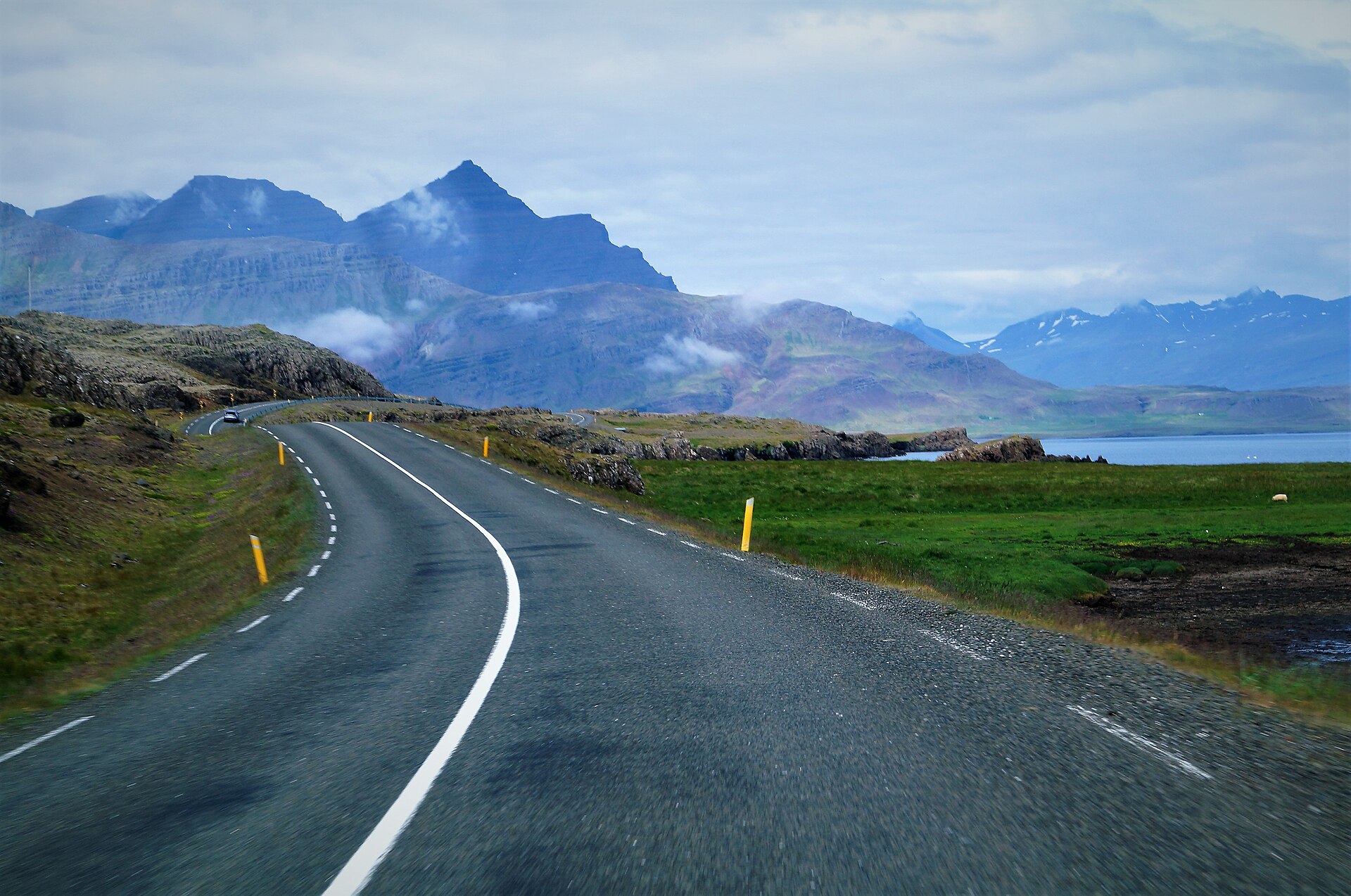
From Jökulsárlón and Höfn to Djúpivogur, Route 1 keeps the sights moving in one direction, so you do not need an inland detour first.
Egilsstaðir has a more concentrated choice of fuel stations, supermarkets, pharmacies and accommodation, while poor weather still leaves you near the main route.
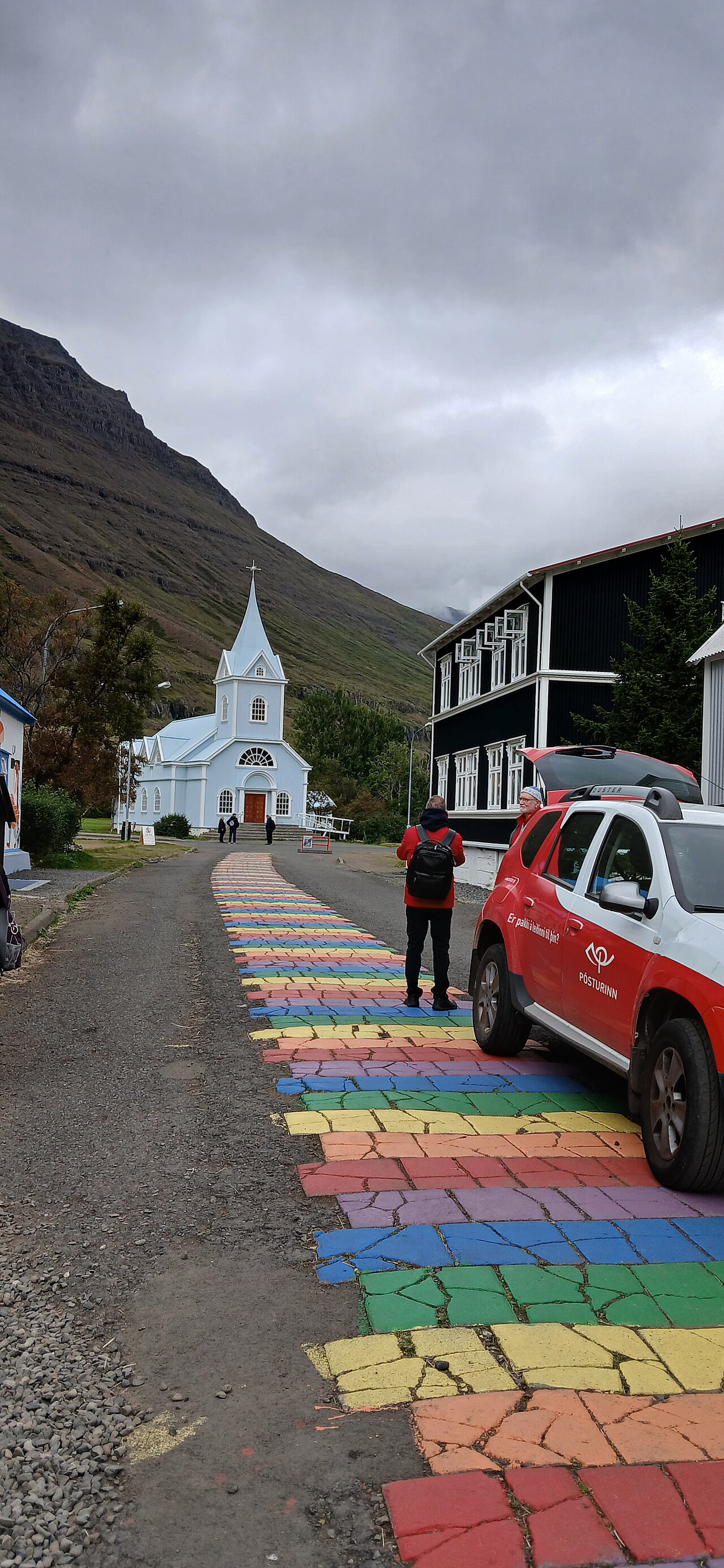
Seyðisfjörður requires the Fjarðarheiði pass; fog, wind or snow can turn a short distance into an unpredictable time commitment.
For a one-night stop, matching the southern or inland end to your departure direction protects the next-day route better than booking first and trying to add a fjord afterwards.
Enter from the south: let the coast open up one stretch at a time
Heading east from Jökulsárlón, you reach Höfn and then follow Route 1 towards the coastal Djúpivogur, the useful southern approach to the Eastfjords. Jökulsárlón to Höfn is about 80 km, and Höfn to Djúpivogur about 105 km; depending on wind, parking and roadworks on Route 1, allow two to three hours of pure driving time in ordinary planning. This is a good afternoon for fitting in Vestrahorn or a short coastal stop if you have spare capacity. Do not make every bay a compulsory stop.
The southern entrance has a simple rhythm: after your Jökulsárlón activity, stay in Höfn; when you have a full day, add Djúpivogur, Breiðdalsvík or one Eastfjords village the following morning. With only half a day, one harbour lunch and a short walk are enough. Trying to reach Seyðisfjörður the same day trades the coastal views for a rushed mountain crossing.
This entrance works particularly well when you are carrying a South Coast activity into the Eastfjords. A boat trip on Jökulsárlón or a glacier hike may finish in the afternoon, while Höfn offers clearer late-arrival accommodation and supplies. If you have already decided to enter the fjords the next day, use the post-Jökulsárlón accommodation-base guide to separate Höfn, Djúpivogur and Egilsstaðir. For one night focused on a coastal village, you do not need to commit to two full days in the Eastfjords.
Enter inland: deal with the unpredictable pieces first
Coming east from Mývatn or the north, Egilsstaðir is usually the first genuinely useful place to resupply. Once there, refuel, buy water and breakfast, confirm the next night accommodation, then decide whether to descend to Seyðisfjörður, take Route 94 to Borgarfjörður eystri, or continue south on Route 1. This order turns the wish to see a fjord into an afternoon you can change around the weather, rather than a remote, non-refundable room you have already paid for.
Egilsstaðir to Seyðisfjörður is about 27 km, but Fjarðarheiði lies between them. The navigation distance is short; your time plan still needs to allow for wind, fog, snow, slower traffic and parking for the return. In summer, set aside half a day to a full day; in autumn and winter, check the road updates first. If only two hours remain, the forest, lakeside or pool around Egilsstaðir is a more sensible choice than crossing the pass in the dark.
The inland entrance does not mean giving up the coast. On the second morning you can descend into a fjord, return to Egilsstaðir in the afternoon, and head towards Mývatn on the third morning; or stay two nights, giving one day to Seyðisfjörður and one to Route 94. For the full three-day structure, continue to the three-day Eastfjords summer itinerary. With two days, remove one remote branch rather than putting both into the navigation plan.
| Your previous stop | Smoother entrance | First-night task | Most likely waste |
|---|---|---|---|
| Jökulsárlón / Höfn | Southern Route 1 approach | Finish the activity, sleep early, and see the coast the next day | Rushing to a remote fjord after the activity ends |
| Mývatn / Húsavík | Egilsstaðir | Resupply, check the roads and choose one side trip | Crossing the pass the same day just because the distance is short |
| Seyðisfjörður ferry | Stay at the port first, then consider inland | Disembark, handle luggage, check in and eat | Adding a long drive after leaving the ferry |
| Only one Eastfjords night left | Do not enter from the end opposite your next exit | Keep the main route north or south intact for the morning | Changing rooms to make a single sea view work |
Let the activity decide the entrance
For puffin watching, the usual destination is Hafnarhólmi in Borgarfjörður eystri, near the end of Route 94. Treat it as the theme of a day rather than squeezing it into the same afternoon as Seyðisfjörður town and the southern coast. For a boat trip or harbour visit, the meeting time in Seyðisfjörður makes the accommodation location more important than being a few kilometres from the sight. Read the Borgarfjörður eystri destination page first, then decide whether to descend from inland or make it your final Eastfjords stop from the south.
Keep free sights flexible and place paid activities in fixed time slots. If a boat is cancelled, a harbour, museum, pool or short trail can still hold the day together. When a remote activity is used as the accommodation anchor from the start, cancellation can leave you with only a room far from everything. To compare activity and accommodation combinations, continue to the Eastfjords summer activity base guide, then choose a hotel around the actual meeting time.
Season is not a four-box choice
June to August brings long daylight. You can push coastal stops closer to dinner, and Route 94 plus most activity services are more complete; July rooms and activities fill earlier, so secure cancellable accommodation and boat places first. From September, sea fog, rain and stronger winds over the passes more often change the order of the day, increasing the value of an inland base that can absorb a change of plan. From October through the following spring, short daylight, ice and temporary pass closures become more likely. Use the southern entrance only when the roads are clear and you are willing to remove a side trip.
If you are driving the Ring Road in winter, do not treat the summer sequence Höfn -> Djúpivogur -> Seyðisfjörður as a one-day route. Check the Eastfjords winter self-drive guide and same-day road updates, then keep your accommodation near the main route. The exit north or south from Egilsstaðir is often more important than one night by the sea.
Put these costs in the table, not just the drive time
The real cost of an entrance includes parking, fuel, food-service hours, luggage handling, a mountain-pass buffer and the empty time left after a cancellation. An extra night on the southern approach buys coastal morning light and avoids a return detour; a slightly higher room rate inland buys supplies, route flexibility and less remote driving. Write those tasks on the same row when you compare options. The answer will be clearer than a room-price comparison alone.
Use one rule to close the decision: write down the first fixed time tomorrow morning: boat, activity meeting, ferry check-in or airport departure - then work backwards from it to the accommodation. If the plan depends on a mountain pass being probably open at dawn, the entrance is wrong. Protect the fixed time first; the fjord scenery can then have the attention it deserves.
Q&A | Choosing an Eastfjords entrance
Where should you stay when driving east from Höfn?
With one night left, stay in Höfn or Djúpivogur and choose according to the next day direction. Push farther north or inland only when you genuinely plan to explore the fjords.
Is Egilsstaðir only a pass-through stop?
No. Its supplies, fuel stations, accommodation and route flexibility make it a practical base when the weather is unsettled.
Is Seyðisfjörður close to Egilsstaðir?
The kilometres are few, but Fjarðarheiði is in between. Wind, fog, snow and road updates can change the actual timing.
Can you see Djúpivogur and Seyðisfjörður on the same day from the southern entrance?
Only just, in long summer daylight with clear roads and no fixed activity. In ordinary planning, choose one main theme and leave the other for another trip.
Which side should you use in winter?
Follow the same-day road conditions and the next morning's exit. Usually, staying in Egilsstaðir or near Route 1 is the steadier choice; never promise that a mountain pass will be open.
References
- Visit Austurland: Egilsstaðir (inland services and East Iceland transfer context).
- Visit Austurland: Seyðisfjörður (fjord town and access routes).
- Visit Austurland: Borgarfjörður eystri (Route 94, Hafnarhólmi and coastal activities).
- Umferðin (same-day road and pass conditions).
- SafeTravel Iceland (self-drive and weather safety information).
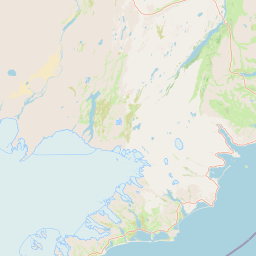
- OpenStreetMap contributors (the base map for the location figure).