
ICENAVI · EASTFJORDS STAY FIT
Eastfjords Campervan or Hotel? How to Choose by Campsites, Activities and Weather Costs
From June to August, a campervan can link Egilsstaðir and Seyðisfjörður over two nights if two adults are comfortable with roughly 2–3 hours of driving a day. A hotel costs roughly 10,000–25,000 ISK more per night, but it gives you a fixed bathroom, somewhere to dry clothes and a shorter end-of-day routine after a boat trip or hike. After September, campsite services contract, which makes a hotel the easier base when the route may need to move.
Match the bed to the next move: If you are staying one night and covering a long stretch of Route 1 the next day, a hotel saves the most work. With two or more nights, a campervan earns its flexibility by letting you take your bed to different fjords. Campsite fees, showers, dinner, putting the bed away and packing up in strong wind can absorb part of the accommodation saving. Set your daily packing-up time before choosing the vehicle type.
Which night is this decision really solving?
Your Eastfjords accommodation choice has to follow the roads. Egilsstaðir, beside Lake Lagarfljót, is the base for supermarkets, fuel, the East Iceland airport and an inland fallback. Seyðisfjörður sits below Route 93, with its harbour, colourful wooden houses and boat activities concentrated in town. Djúpivogur is close to the southbound exit, making it suitable for sleeping early after finishing coastal stops. The distances look modest, but mountain-pass fog, crosswinds and parking can turn moving your bed into a full work period.
A campervan keeps your luggage, bed and cooking setup with you, and lets you move to the next confirmed campsite if one is full. A hotel lets you shower, charge devices, hang wet clothes and reset as soon as you arrive, leaving one less preparation cycle before the next day’s activity. For a group with children, older travellers or one driver, that can matter more than the nightly price difference.
 Egilsstaðir
Egilsstaðirsupplies / drying clothes / fallbackSeyðisfjörður
Seyðisfjörðurharbour / activitiesDjúpivogur
Djúpivogursouthbound exit
Nightly cost: the room rate is only the first line
For two adults planning around July and August, an Eastfjords campsite pitch commonly costs about 4,000–7,500 ISK. Campervan rental, insurance and fuel are separate, and a larger vehicle adds pressure when entrances are narrow. A double hotel room commonly costs about 25,000–55,000 ISK, with fewer rooms in peak-season villages. Once you add two paid showers, laundry, meals out and a powered pitch, the real nightly difference for a campervan may narrow to 5,000–15,000 ISK.
| Cost / task | Campervan + campsite | Hotel | What can change the answer |
|---|---|---|---|
| Baseline accommodation for two, per night | About 4,000–7,500 ISK for a pitch; vehicle rental extra | About 25,000–55,000 ISK | July weekends and event festivals push rates up |
| Showers and drying clothes | Campsite showers cost a few hundred ISK; wet clothes need a time slot | Private bathroom; clothes can usually be hung up immediately | Several rainy days, kayaking or a hike make the gap more noticeable |
| Cooking and breakfast | Can be done in the vehicle; shopping needs to be planned ahead | Breakfast may cost extra, and restaurant hours are limited | Late arrival or travellers who need a hot meal |
| Electricity and warmth | Pay for a powered pitch; heating uses fuel at night | Power, heating and bedding are already provided | Lower temperatures and strong-wind days after August |
| Cancellation and route changes | Vehicle contract and campsite rules are handled separately | Flexible rooms are often easier to adjust by night | Unsettled conditions on Route 93 or the coastal roads |
This comparison does not estimate live prices for individual rooms. Before paying, place the same dates, guest count and cancellation deadline side by side, then add fuel, a powered pitch, showers and the final meal to the campervan column. If the gap is only a few thousand króna, the hotel’s dry clothes and saved morning time often carry more weight.
Three bases, three different accommodation roles
Egilsstaðir: the easiest place to finish the practical work in a campervan
After arriving on Route 1, complete your shopping, fuel stop and water top-up in town before checking into a campsite or hotel, then head into the fjords the next day. The town still gives you a supermarket, cafés and indoor options if fog cancels a mountain-pass detour. Vök Baths is about 6 km from the centre, so a shower and downtime can become a planned stop. If you are leaving early in a campervan, organise food, rain gear and batteries together the night before.
Seyðisfjörður: a hotel pays back more on an activity day
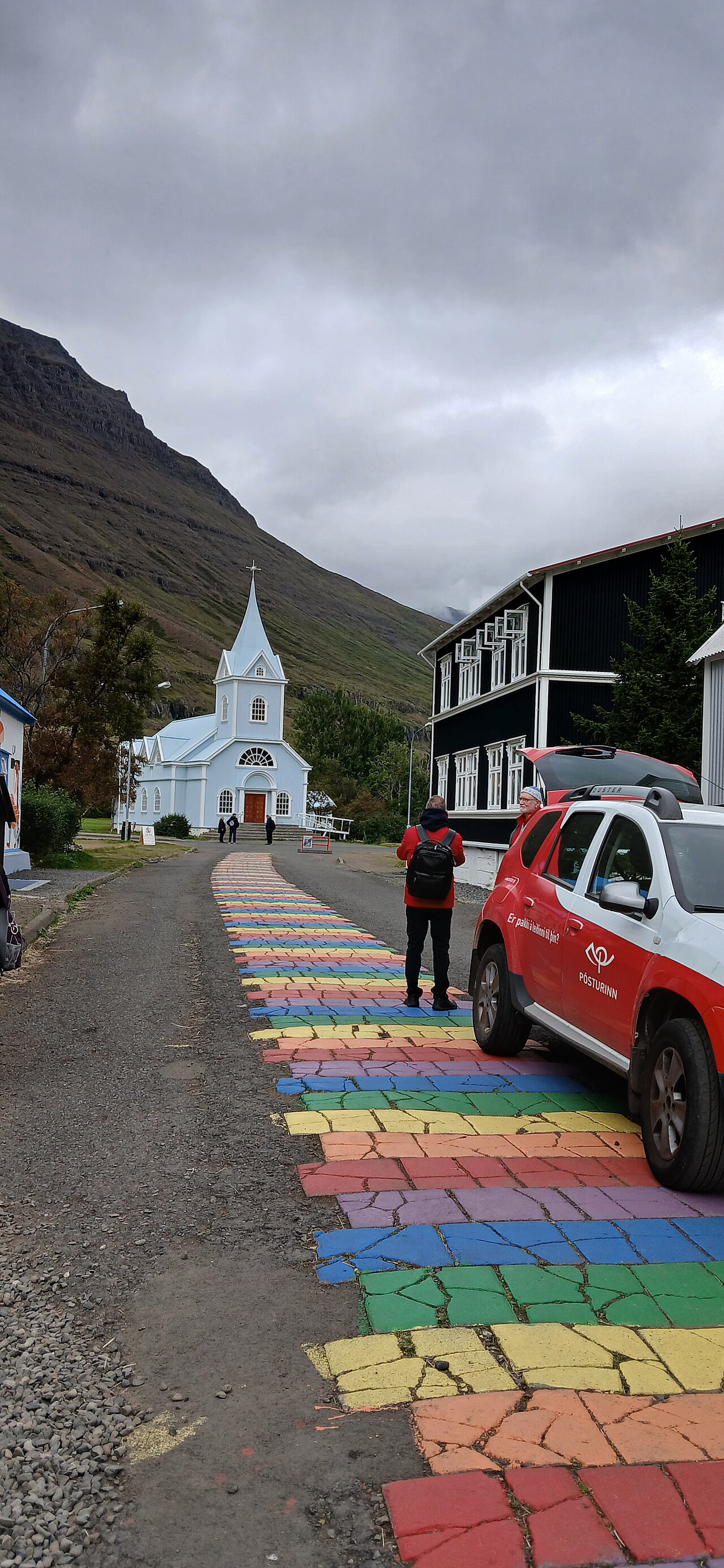
The town is about 27 km from Egilsstaðir, a 35–45-minute drive via Fjarðarheiði. It suits a harbour walk, Fossastígur or an RIB boat trip. After an activity, finding a campsite, a level parking place, a hookup and a way to deal with wet clothes can turn a two-hour outing into the whole evening’s practical work. If you choose a campervan, confirm that the campsite accepts larger vehicles and check its showers and latest arrival time; “there is a campsite nearby” does not guarantee a pitch.
Djúpivogur: an early night before the southbound drive
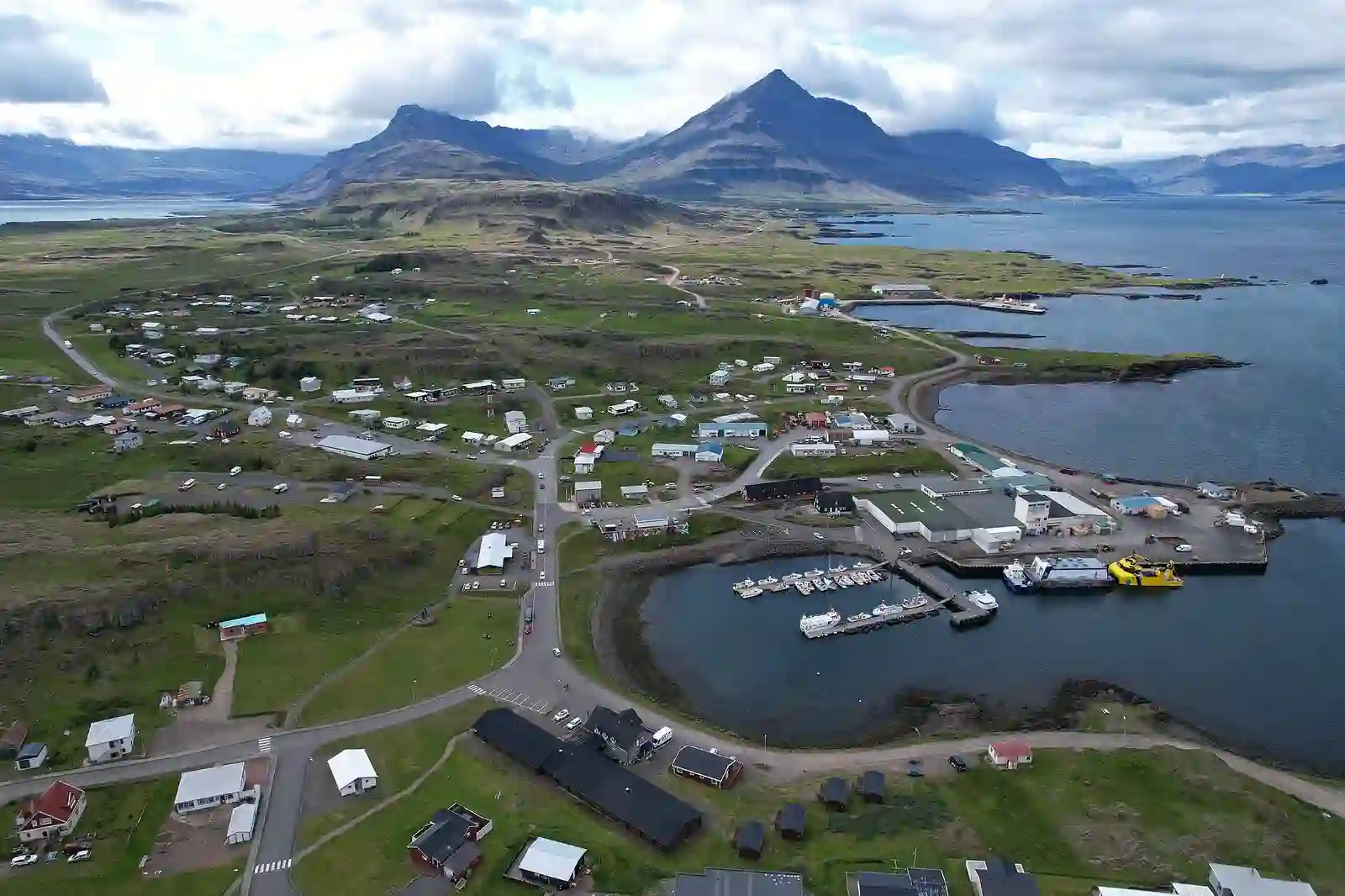
Heading south on Routes 1, 92 and 96, Djúpivogur places your final Eastfjords night by the coast. Langabúð, Búlandsnes and boat trips to Papey run to different timetables, so match the stay to the next day’s direction. In summer, a campervan lets you keep dinner simple inside; a hotel suits a group continuing early towards Höfn or Jökulsárlón. If you have already driven for more than three hours, do not take an unlit side road just to reach a cheaper pitch.
The activity meeting point may decide whether you bring your bed
Eastfjords activities do not run on one shared timetable. RIB trips in Seyðisfjörður often require early check-in, the Skálanes trail can be affected by tides, rivers and the season, and Hengifoss has a 4.5 km return trail that can be muddy. Before booking, note the meeting address, how early you must arrive, equipment storage, the finish time and the cancellation terms. Then check the actual walk or drive from the accommodation entrance to the meeting point. A hotel minimises changing and drying after an activity; a campervan suits a looser schedule or a stay of several nights at one campsite.
For a two-day Eastfjords plan, see the two-day Eastfjords itinerary and its Egilsstaðir base split. If a Seyðisfjörður boat trip is the priority, read the two-hour RIB boat guide for physical requirements, drying clothes and sea conditions before choosing town or an inland base.
Season and weather: a campervan’s flexibility has a limited window
From June to August, campsites, restaurants and activities are most widely available, and long daylight hours leave room to wait out a shower or a gust in the afternoon. In July, confirm pitches and activities early. In May and September, some campsites shorten their opening days, so check showers, restaurants and reception hours one by one. From October to April, short daylight, ice, crosswinds and mountain-pass conditions make an improvised change of base harder. Heating, power and a safe place to park at night also need a larger budget. At this time, a hotel’s fixed entrance, indoor drying space and flexible cancellation terms become more valuable.
Before setting out each day, check Iceland road conditions and SafeTravel. If Route 93 has a low-visibility warning, waiting in Egilsstaðir is more reliable than crossing the pass to protect a campsite booking. On a strong-wind day, do not park a large campervan in an exposed coastal position or risk a night drive simply because the pitch is paid for. Get the rental company’s restrictions on vehicle size, gravel roads and camping rules in writing before payment.
ICENAVI · EAST STAY FIT
Set your packing-up time before choosing your bed
Need to be packed by 18:30, want a hot shower and have a fixed activity the next day" Choose a hotel. Comfortable packing up by 20:30, already used to cooking, staying two nights and keeping a weather buffer" Choose a campsite. A mixed plan can work well: use a campsite in Egilsstaðir to finish supplies, switch to a hotel for the activity night in Seyðisfjörður, then choose the final southbound night according to your Route 1 distance.
Four checks before booking a room or rental vehicle
- Does the campsite accept your vehicle length by reservation? What does it charge for power, showers, the kitchen, laundry and quiet hours?
- Does the hotel offer parking, late arrival, self check-in, a breakfast start time and somewhere to hang wet clothes? Do not judge it only by the bed in the photos.
- How many kilometres is the activity meeting point from the accommodation? Does the earliest check-in require leaving before daylight? Can you change the date after cancellation?
- If Routes 93, 92 or 96 are affected by wind or snow, where is the next cancellable bed? Can the campsite and vehicle contract be changed together?
Only after these four checks should you put the room rate and vehicle rental into the total. The Eastfjords often reveal their best moments in a spare pocket of time: an empty stretch of coast, evening light on a harbour or a waterfall after the rain stops. A well-matched stay leaves that pocket for the landscape; a tight plan spends it dealing with the bed, power and wet clothes.
Check Eastfjords activities and accommodation availability
Compare the same dates, guest count, meeting area, room type and cancellation deadline. Campsite capacity, operating days, ticket prices and weather arrangements are governed by the booking pages available before payment.
More reading
Q&A | Campervan or hotel in the Eastfjords
Do I have to stay in a campervan in the Eastfjords in summer?
No. If you have only one night, a long transfer the next day or a booked activity, the hotel’s saved packing and drying time often offsets the difference in room price.
Where is the best campervan base?
Egilsstaðir makes shopping, fuelling, topping up water and waiting out bad weather easier. Check Route 93 and the campsite terms before continuing into Seyðisfjörður.
Can I still camp in September?
It depends on the named campsite’s opening days, powered pitches, showers and wind. Do not assume July services continue; keep a cancellable hotel as a fallback.
Can a large campervan use every Eastfjords side road?
Do not treat Routes 1, 92, 93 and 96, or gravel side roads, as the same kind of surface. Follow the rental company’s restrictions and the road notices for your travel date, and change route when warnings apply.
References
- Icelandic Road and Coastal Administration (same-day road and mountain-pass conditions).
- SafeTravel Iceland (travel safety and weather risks).
- Icelandic Meteorological Office (wind, snowfall and visibility forecasts).
- OpenStreetMap contributors (base map for the location figure).