
ICENAVI · HIGHLANDS FIT
Protect your decision-making room before choosing a vehicle or a seat
The price difference in the Highlands often comes from the rental car, fuel, extra cover, accommodation and the cost of cancelling. A Super Jeep fare includes someone familiar with the area handling the access roads, rivers and return journey. The useful comparison is the work you will personally take on over the whole day.
An open F-road is only the starting point
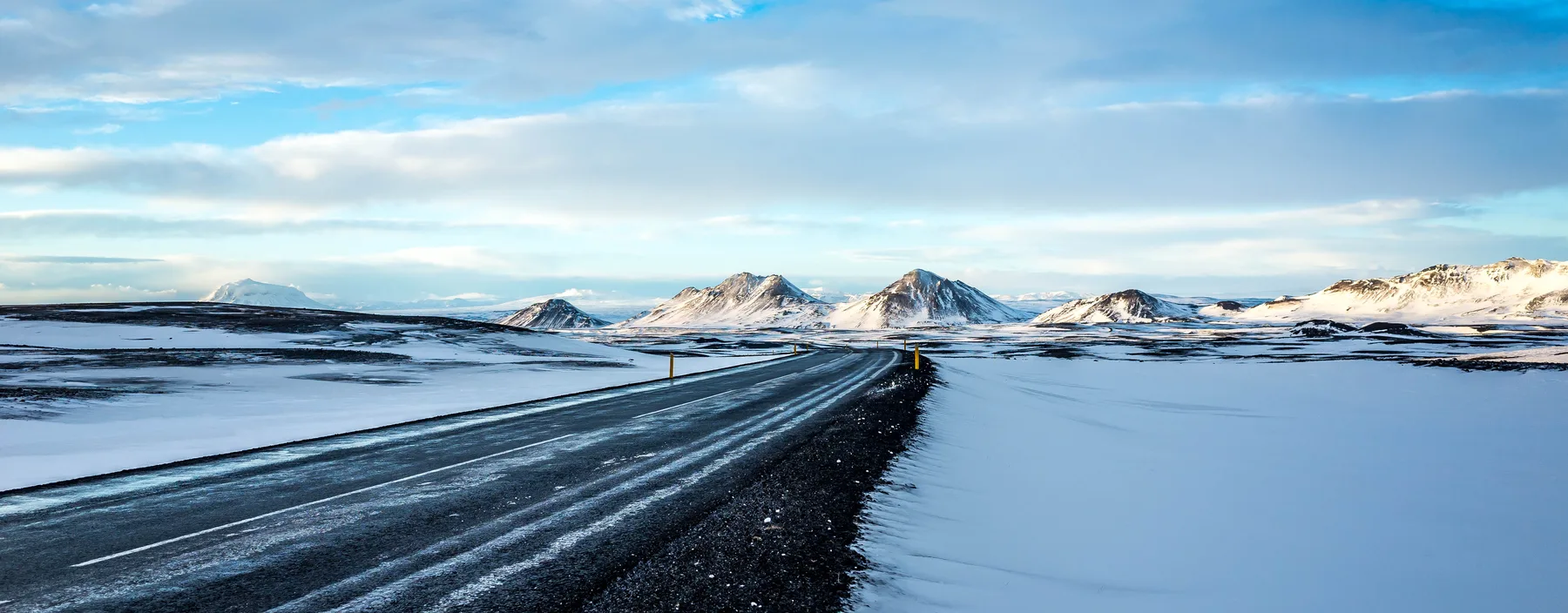
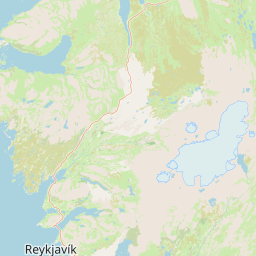
Between June and September, some Highland roads open gradually, and the dates vary from year to year. If the snow retreats early, F208 may offer a usable window first. Rain can raise river levels, so a crossing that was possible yesterday may still require you to stop today. On a map viewed from Reykjavík, F208, F225, F35, F88 and F905 can look like simple lines. In the Highlands, their surfaces, side roads, rivers and turning areas are entirely different.
For a 4WD self-drive, the first question is whether the road is genuinely connected and passable; the vehicle comes second. Save a screenshot of the road status for your intended date, then check side roads, crossings and expected arrival times section by section. An official road page showing an opening still needs to be read alongside the day’s river levels and visibility. Super Jeep operators generally have room to adjust the route on the day, and that local judgement is one of the hardest things for a first-time visitor to replicate.
What a 4WD self-drive actually demands
An approved 4WD solves only one part of the problem. You still need to confirm that the rental company allows the vehicle on the specific F-road, and whether the insurance treats river crossings, underbody damage, tyres and recovery separately. Some vehicles have four-wheel-drive systems but remain restricted by the rental agreement. Greater ground clearance and larger tyres will not suddenly make a driver familiar with a riverbed.
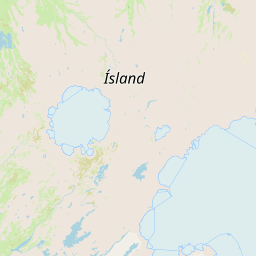
An Askja self-drive is particularly easy to underestimate. After entering from the area near the Ring Road in the northeast, F905 / F910 or F88 can turn the drive into a very long day, followed by a volcanic crater walk after parking. Fuel, lunch, tyre checks and photography all use up your margin. If you leave Mývatn early and plan to stay in Egilsstaðir that night or return to Mývatn, calculate the following day’s route at the same time. When you have only one usable Highland day, a single decision to stop can remove the only available alternative.
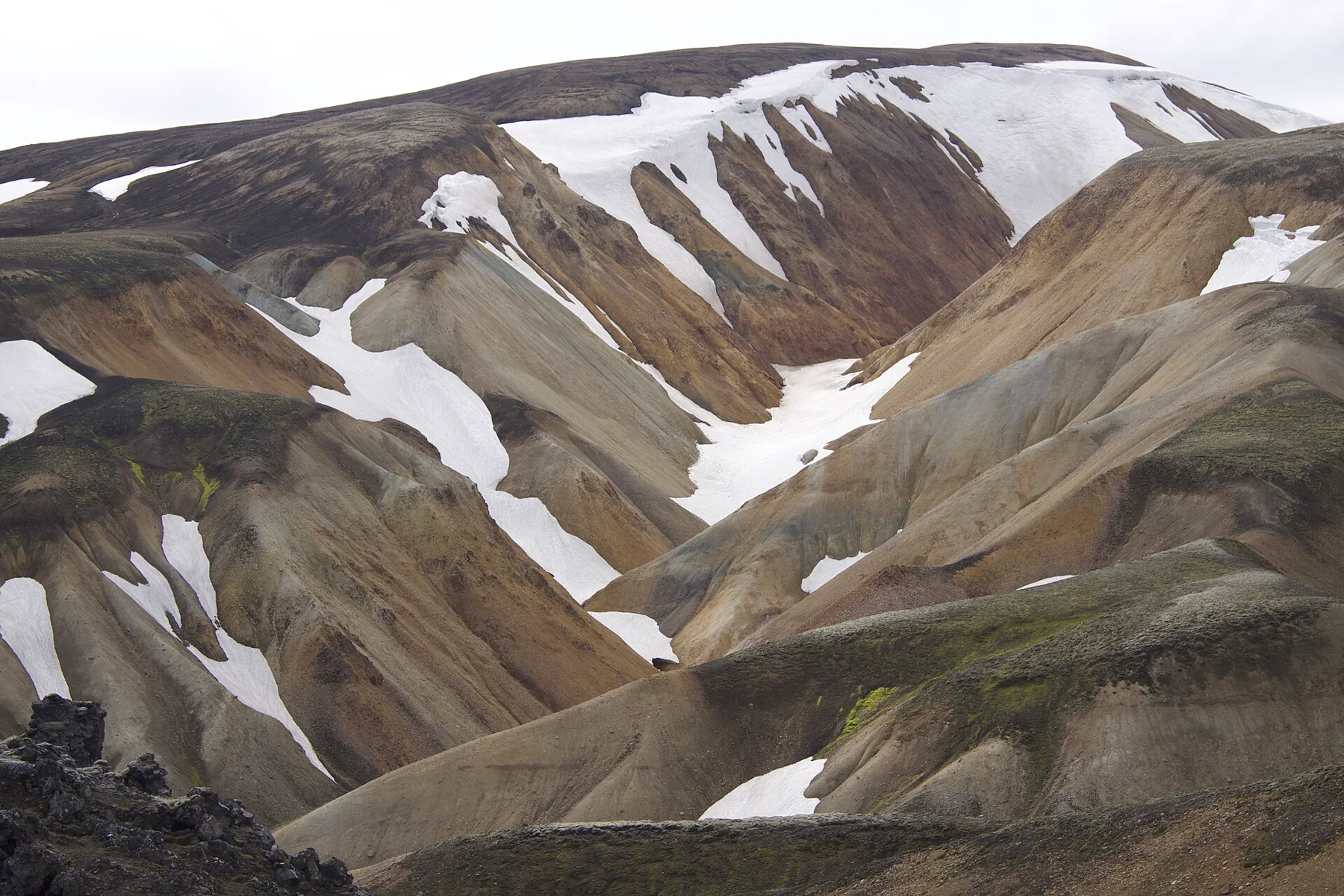
Landmannalaugar presents a different pattern. Using Hella or Hvolsvöllur as a lowland staging base makes the drive easier to shape into a day trip, but the conditions, rivers and seasonal window on the southern section of F208 and on F225 still need separate assessment. Self-driving lets you shorten a hike when the weather turns. The trade-off is that the driver cannot fully enjoy the scenery while watching every change in the road. If your companions want to take photographs, navigate or monitor water levels, agree on those roles in advance; otherwise one person carries every decision at every junction.
Which burden does a Super Jeep remove?
A Super Jeep is not simply a sightseeing bus built for the Highlands. Its most practical benefit is handing the crossing points, tyre choices, turning areas and alternative routes to people who know the region, leaving you to focus on the trail and the landscape. That matters especially if this is your first visit, you have only one day, or you want to add the Highlands to a South Coast route. You still need to check the meeting point, driving time, actual stop lengths and whether transfers are included. A one-day activity meeting in Reykjavík creates a different accommodation plan from one meeting in Hella.
If an activity is cancelled because of the road or weather, check postponement, refunds and alternative routes first, then see whether the accommodation can be changed. With a tour, you may only need to replace one activity day with lowland waterfalls, a hot spring or a museum. With a self-drive, the cancellation may affect the Highland vehicle, a non-refundable room and the long drive planned for the following night. That is the cancellation cost beyond the headline price.
| What you are really deciding | 4WD self-drive | Super Jeep | Details that may change the choice |
|---|---|---|---|
| Roads and rivers | The driver observes conditions, stops and changes course on the day | A crew familiar with the route handles them | Water levels, wind, visibility and turning areas |
| Vehicle agreement | Confirm the specific F-roads, river crossings and recovery terms | The activity vehicle is generally configured for the route | Do not use the word SUV as a substitute for the contract |
| Control of the day | You can stop as you wish, but you carry the pressure of the return | Meeting times, stops and the return are more fixed | Whether you must reach accommodation or a flight |
| What happens after cancellation | The car, room and route may all need to be rearranged | Start with changing or refunding the activity | Keep one lowland alternative day available |
Let the accommodation base follow the approach
For Landmannalaugar, Hella is a practical lowland base. It offers supplies, fuel and a clear approach towards the southern entrance, while a cancelled activity can be replaced with a South Coast or lowland day. Staying in Hvolsvöllur makes it easier to continue towards southwestern attractions on the first evening, but the early drive to the Highlands becomes longer. See Hella accommodation and Highland staging, and make the activity meeting point part of the same decision as the room for the previous night.
For Askja, Mývatn is usually more logical than the southern lowlands because the long F-road day can sit within a North Iceland itinerary. If you continue east the following day, Egilsstaðir becomes a more natural exit point. If you want to connect the crater, geothermal areas and the lake district, read Askja self-drive versus Super Jeep before deciding whether one Highland day justifies changing bases. Saving a few minutes on the approach matters more to someone who needs to refuel before opening hours than an extra room amenity.
If you can move only one night, check the tour’s meeting point before comparing room prices. A Reykjavík departure may make a city stay the previous night worthwhile by removing an early cross-country transfer. A Hella departure lets you reserve your sleep for the actual Highland day. The same logic applies to self-driving: dinner, fuel, equipment and the morning departure point should be close together. Otherwise, the first thing consumed by the 4WD plan is sleep.
When the day fails, the alternative must still connect
A Highland plan needs a usable second route. If Landmannalaugar cannot go ahead, Seljalandsfoss, Skógafoss or a lowland hot spring can take its place. If Askja is not possible, the geothermal areas around Mývatn, the west side of Dettifoss and boat activities in Húsavík are easier to rebuild around your accommodation. The point of a backup is to keep the room, driving plan and evening meal useful.
Before paying, write down three times: the cancellation deadline, the latest departure time from your accommodation, and the next non-negotiable check-in or meeting time. If a 4WD self-drive turns around at the Highland entrance, you still need enough fuel and daylight to return to the lowlands. If a Super Jeep returns late, you need to know whether the following day includes a long drive. Those concrete limits determine whether the route works more reliably than a general statement that the weather looks good.
For a first-time visitor, my dividing line is simple. If scenery is the priority, you have one day and no river-crossing experience, choose a Super Jeep. Choose a 4WD self-drive when you want control over stops, have Highland driving experience, and have checked both the route and the rental agreement. If the price difference makes you want to attempt an unfamiliar road, calculate it against the risk of one cancellation or recovery call; the choice often becomes much clearer.
Equipment and time in the vehicle belong in the comparison
Highland days often begin early. Cabin heating, offline maps, plenty of drinking water and a lunch that can be eaten in the vehicle directly affect how the day feels. Self-drivers need to pack warm layers, a waterproof jacket, charging cables and spare batteries, while also allowing time to reorganise bags after every stop. Super Jeep passengers avoid the driving workload, but they still need to follow the operator’s meeting instructions and arrive on time. When the meeting point is outside the city, staying nearby the night before is usually preferable to crossing town at dawn.
The vehicle also needs to match the number of people and their luggage. Four passengers with four large suitcases may run out of usable cabin space before the four-wheel-drive specification becomes relevant. Highland roads have few convenient supply stops, and once the boot is packed, water, jackets and maps are harder to reach. A Super Jeep removes the need to collect and return a rental car, but the activity may have limited seating and luggage capacity, so ask about those rules before booking. Clarifying them early can prevent a last-minute vehicle change, luggage storage problem or seat reshuffle at the meeting point.
The date has to be part of the decision
In June, the Highlands are often still waiting for roads to open gradually. August usually offers more daylight and a broader choice of activities, while September brings shorter days, colder conditions and the possibility of roads closing again. The month provides only a rough direction: the same F-road can open on different dates in different years, and operators may change a route because of river levels. Before booking accommodation or prepaying for an activity, confirm whether the Highland day can be moved and whether you have a lowland version ready.
If the trip lasts only five to seven days, I would not place the only buffer day on a Highland self-drive. Put the Highlands in the middle of the itinerary with cancellable accommodation, and keep a lowland route on either side so that you can continue along the Ring Road if the activity fails. With ten days or more, there is more room to separate a long day such as Askja from Landmannalaugar, so cancelling one day does not undermine the whole circuit.
Start with the Highland entrances
Iceland Highlands guide: F-roads and transfers
How to visit Landmannalaugar without driving
How to assess F-roads and 4WD vehicles
More reading
Then connect the route and accommodation
Hella: a Southern Highlands staging base
Hvolsvöllur as a supply base
Compare Askja route options
Frequently asked questions
Do first-time visitors to the Iceland Highlands have to take a Super Jeep?
No. Start by checking the specific route, vehicle agreement, road opening and driving experience. If you have no river-crossing or long-distance Highland experience and only one day available, a Super Jeep usually makes it easier to preserve time at the destination.
Can any four-wheel-drive vehicle use every F-road?
No. The road must be open, the vehicle must be approved, and the rental agreement, insurance and same-day river conditions must all allow the journey. Check the F-road section by section.
Where is easiest to stay if a Highland activity is cancelled?
In the south, Hella or Hvolsvöllur can serve as lowland bases for replacing the day with South Coast sights. In the north, Mývatn or Egilsstaðir can connect more easily with lake, waterfall and eastbound routes. Flexible accommodation leaves more room to adapt.
References
- Umferðin (same-day road conditions).
- SafeTravel Iceland (Highland driving and safety information).
- Icelandic Road and Coastal Administration (road opening information).
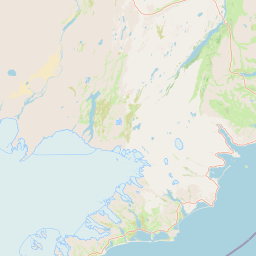
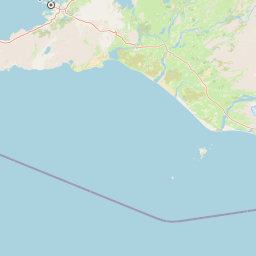
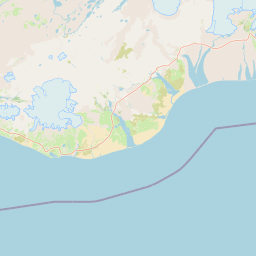
- OpenStreetMap contributors (base map for the location figure).