
ASKJA F-ROAD · ÖSKJUVATN · VÍTI · DREKAGIL
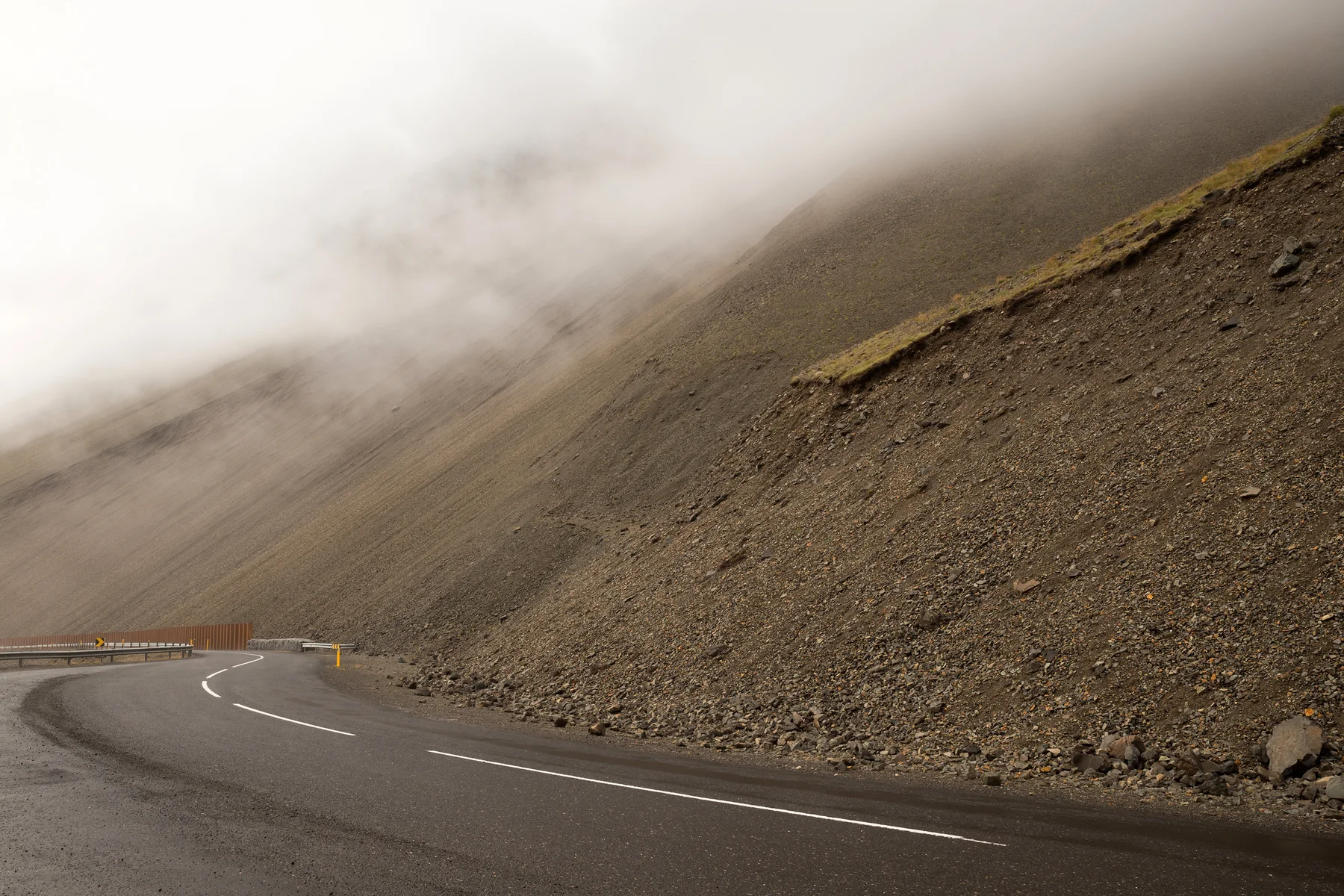
Askja starts with the approach, not the crater walk. F88 and F905/F910 each bring a different mix of vehicle rules, fuel planning, road surface, water crossings and return direction; only after those are clear does it make sense to ask how long you will spend at Öskjuvatn.
ICENAVI · ASKJA FIT
A remarkable highland day, with a demanding road decision
These editorial scores describe the shape of the day rather than a personal review. Conditions, vehicle rules and weather can change the practical answer.
The crater, volcanic colours, open interior and sense of distance make Askja one of the strongest highland experiences in the region.
F-road surfaces, isolation and water crossings make this a poor fit for an unprepared vehicle or an uneasy driver.
The approaches are long, services are scarce and the route deserves a full day rather than a rushed add-on.
You need to track road openings, fuel, weather, daylight, route permissions and the condition of the approach.
Askja's crater country, wide horizons and stark volcanic terrain repay the effort, especially when visibility is good.
Askja is a highland day, not a crater stop
Askja sits deep in Iceland's interior, beyond the easy sightseeing loop. Reaching it means committing to F-road travel, deciding whether F905/F910 or F88 fits the day's conditions and allowing time for the walk from the parking area. From Route 1, the approach can take about three hours each way before rough surfaces and the visit itself are counted. Öskjuvatn, Víti and the volcanic ground around the caldera repay that effort when visibility holds.
The route is a chain of decisions rather than one clean line on a map. Weather can change the surface, rivers can affect access and the same road feels different in a suitable 4x4 with an experienced driver. Pair the plan with the Iceland Highlands destination guide and keep a lowland alternative available.
F88, F905 and F910 each change the driver's job
F88 is the more exposed choice for drivers who are not used to Iceland's interior, with the Lindaá crossing near Herðubreiðarlindir and the approach towards Drekagil. F905/F910 may offer a more practical eastern approach, but they remain F-roads: the vehicle must be permitted, the pace must stay conservative and current conditions still decide whether the plan is sensible.
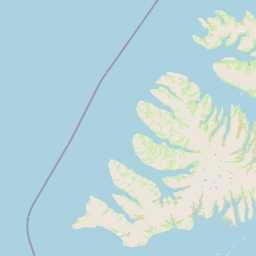
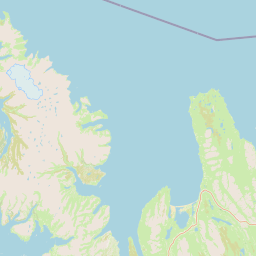
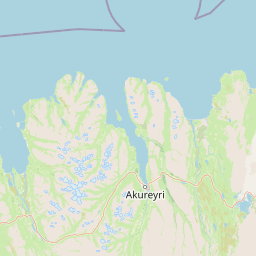
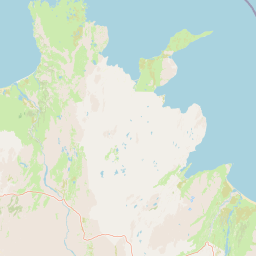
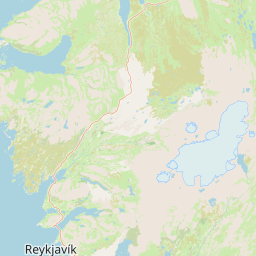
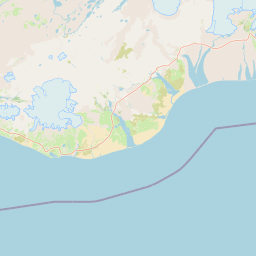
For self-drive, compare the approach with your starting point, fuel range and return time. For a guided trip, ask which route is open and why it fits the vehicle and weather that day. The highland map below helps with direction; it cannot replace official road information.
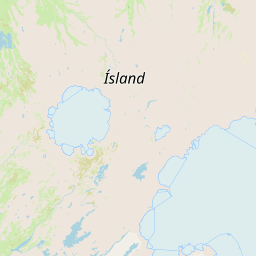
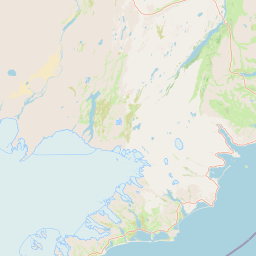
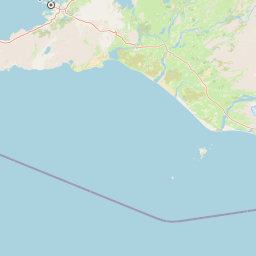
Build the full day around the base you can leave from
Mývatn is the natural western base. Refuel and buy food before continuing via Road 901 and F905/F910, then plan to leave the highlands before dark. If the previous day was already a full Diamond Circle drive, adding Askja immediately creates two demanding days in a row; leave a recovery night. The Mývatn and Húsavík destination guide separates geothermal sights, Dettifoss and supplies before you decide whether the highland day still fits.
A day tour meeting around Mývatn suits travellers who do not want to handle the F-roads themselves. The trade-off is an early meeting and a late return. Check the time at the crater, whether Drekagil is included, the lunch arrangement and cancellation terms, because products sold as an Askja day tour can differ substantially.
The eastern approach still needs a turn-around plan
F905/F910 suits a prepared driver whose vehicle is permitted for the route and who can monitor openings, weather and water levels. Drivers without highland experience, travellers on a fixed timetable and anyone in a vehicle not approved for the road should choose a guided option or a different day.
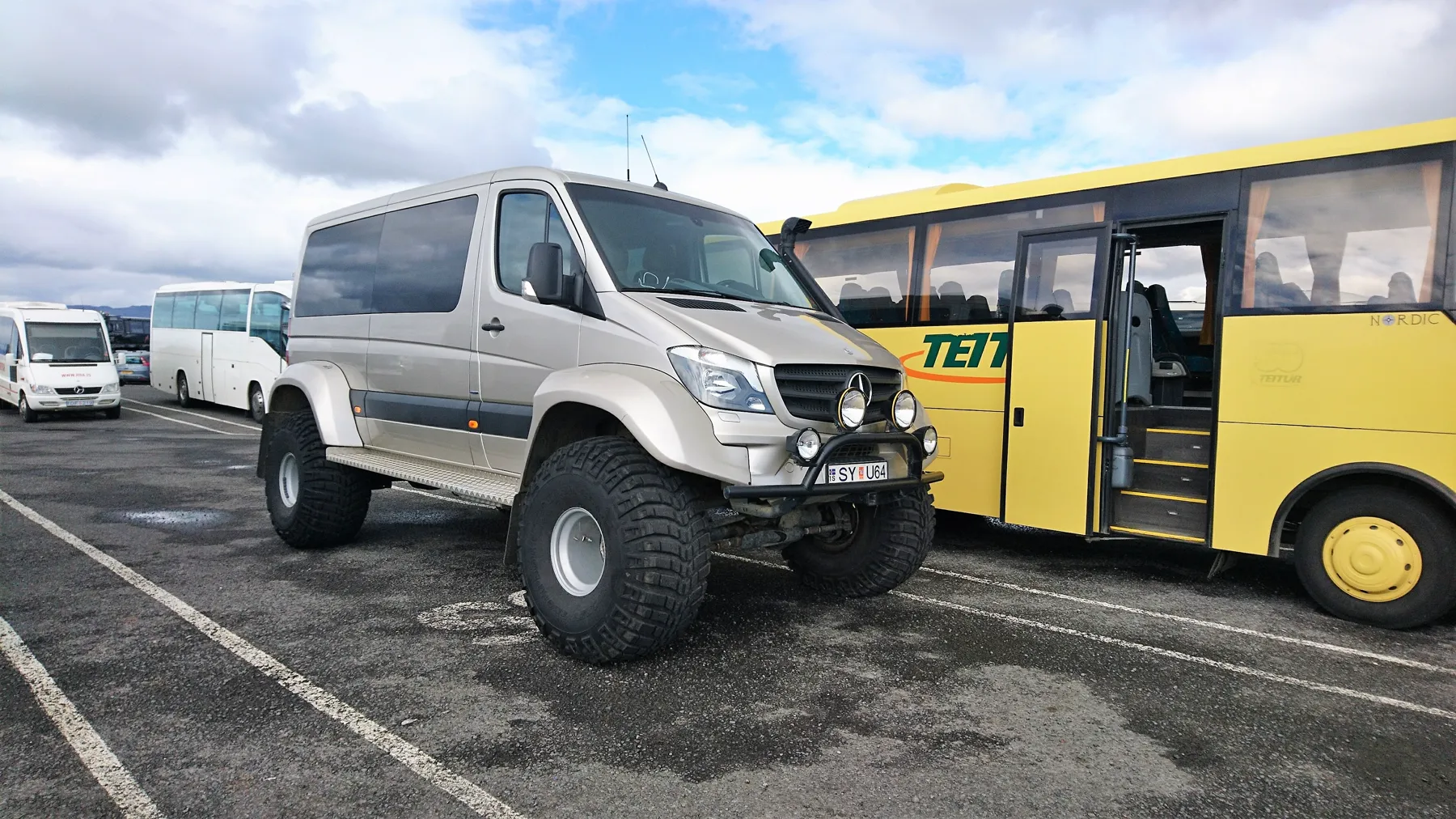
If Askja is the reason for the trip, the superjeep option buys a clearer margin for the crater walk and the landscape. If the road itself is part of your purpose, self-drive can work only when the vehicle, conditions and schedule leave room to turn back.
| Decision factor | Self-drive reality | What you need | Practical implication |
|---|---|---|---|
| A suitable 4x4 on F-roads | Self-drive | A vehicle permitted for F88, F905 or F910 | Confirm the rental terms and road conditions before leaving. |
| Crater walk and volcanic landscape | Either option | Time for the walk and weather-appropriate clothing | Do not plan the return journey so tightly that the main visit becomes rushed. |
| Difficult crossings and changing surfaces | Experienced driver | Current information and willingness to turn back | A guide can take over the route decision when conditions are uncertain. |
| Long approach from Mývatn or Egilsstaðir | Full-day commitment | Fuel, food, water and a reliable return plan | Keep an alternative day available if access changes. |
Check the road before you commit the day
Askja rewards preparation because casual improvisation becomes expensive once you are inside the highlands. Check that the road is open, confirm the rental vehicle's permissions, fill the tank and carry enough food and water for a long day. Download the route information you need; mobile coverage cannot be assumed throughout the interior. Allow for slow ground and the walk beyond the parking area.
Weather and road conditions can change after you set out. If the latest information no longer supports the plan, keep the safer alternative. A superjeep tour is still a highland journey, not a promise that every road or viewpoint will be available; ask what happens if the route changes.
ICENAVI · ASKJA CALL
Choose the route that leaves room for the conditions
For a prepared 4x4 driver, the eastern F905/F910 approach may be the cleaner self-drive decision, provided the road is open and the vehicle is approved. For anyone who wants Öskjuvatn, Víti and the highlands without making each crossing a personal driving decision, choose a superjeep. Either plan needs a full day, current information and a realistic return margin.
Plan the setting
If the highlands are central to your route, start with the Iceland Highlands guide. When the interior is not workable, keep Mývatn and Húsavík as a lower-risk regional alternative.
Compare nearby decisions
Compare East or west of Stuðlagil, review Iceland road conditions and consider two days in the Eastfjords before fixing the route.
Askja self-drive and superjeep questions
Can I drive to Askja in an ordinary rental car?
No. The route uses F-roads, and the vehicle must be permitted and suitable for the road. Check the rental agreement and current conditions before travelling; an ordinary two-wheel-drive car is not an appropriate assumption for this trip.
Which route is more difficult: F88 or F905?
F88 is often the more intimidating choice because of its remote character and the Lindaá crossing near Herðubreiðarlindir. F905/F910 can be a more practical eastern approach, but neither route should be treated as easy or guaranteed. Conditions determine the decision on the day.
Is Askja suitable for a short day trip?
Only if your starting point, road conditions and return margin genuinely allow it. The approaches are long, services are limited and the crater area adds a walk. If the timetable is tight, choose a guided plan or a different experience.
What should I expect at Askja?
Expect a remote volcanic landscape, a walk towards the crater area and changing weather. Öskjuvatn and Víti are the principal highlights, while the road, Drekagil and the surrounding highlands shape the wider experience.
What happens if the road or weather changes?
Do not force the plan. Turn around when conditions no longer support safe travel, and ask a tour operator about its alternative route policy before booking. Keep a flexible day around Mývatn or another regional base.
References
- Visit North Iceland: Askja — information on Askja, F88 and F905 access.
- Vegagerðin: mountain roads — official information for highland road access and conditions.
- Visit Egilsstaðir: Askja crater — eastern Iceland context and the crater area.
- OpenStreetMap contributors — map data and attribution.