
DESTINATION HUB · SNÆFELLSNES
Snæfellsnes is driveable in a day, but the stops set the pace. A village, a shore walk and one good viewpoint can each run beyond the neat time in your notes. Choose the overnight from the time you want on foot and the direction you need to take afterwards, not simply from whether a day trip can be done.
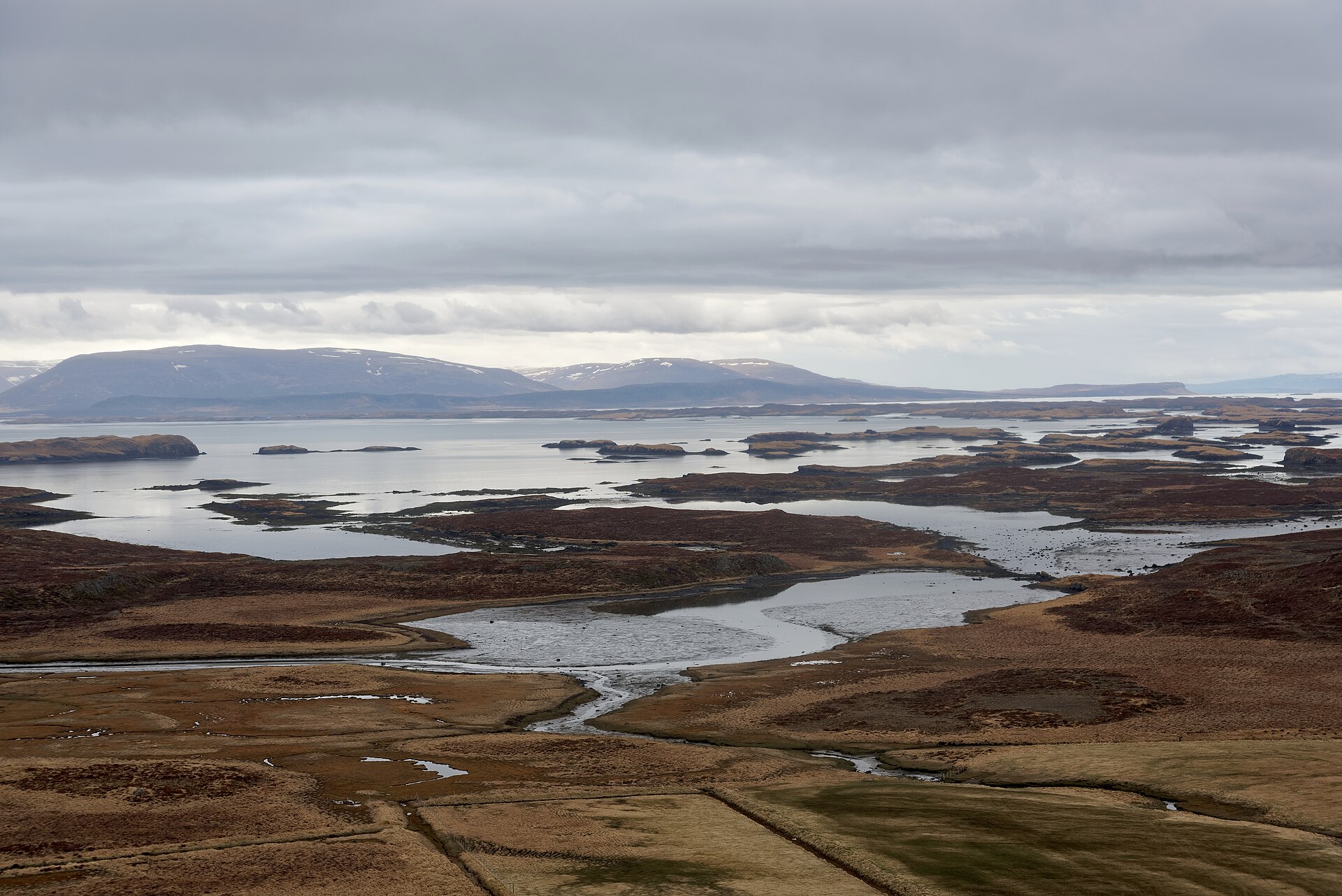
If you're trying to fit Kirkjufell, Arnarstapi, and the Black Church into the same day, start with the Snæfellsnes day trip vs. overnight worksheet; it puts parking, walking, weather, and next-day exit options on one sheet. This page then dives into accommodation and route details within the peninsula.
If you don't want to handle parking, long drives, and return buffers yourself, Is a Snæfellsnes day tour worth it? breaks down departure points, stops, and flexibility from Reykjavík. Read that first, then decide between the day trip or overnight version on this destination page.
Plan Snæfellsnes as a region, not a Reykjavík add-on
A day trip from the capital is logistically feasible, but the peninsula is not small. Much of the day disappears into stops along the way: coastal walks, villages, rocky shores, Kirkjufell, volcanoes, and distant views. Each might require only a short walk, but together they divide the day into many small segments. The most common overrun comes from staying 15 to 30 minutes longer at each stop.
Before planning, choose a theme: first-time iconic sights, photography, slow coastal walking, or using the peninsula as a transit point to the northwest. Changing the theme changes the stops and accommodation. Cramming all popular names into one day often means even the places you most wanted to see end up rushed.
When a day trip is the cleaner choice
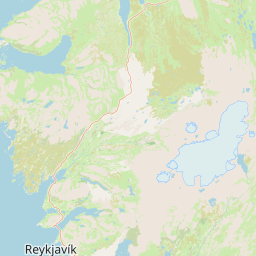
If your trip is short, you're already staying in Reykjavík, and you don't plan to travel farther into the west, a day trip is the simplest option. You don't have to move luggage, and you can cancel the entire outing more easily in bad weather. The trade-off is the unavoidable return drive: every extra remote stop eats into your evening buffer for getting back to the city.
For a day trip, decide in advance when you must start the return drive and which stop you will cut first. If the plan only works when every stop runs to time and weather, crowds, and meals cause no delays, it is too fragile. This is especially true with only one driver.
An overnight spreads the stops; it does not create extra hours
The benefit of staying overnight is splitting the peninsula into two more comfortable viewing windows. You can put the south and west sides on day one, handle the north side, Kirkjufell, or other priority stops on day two, then move to the next destination. This means you don't have to keep checking the clock at each spot; it doesn't mean adding five more points to your list.
If you're just arriving late at the hotel and leaving early the next morning, an overnight stay might not offer much more than a day trip. Use Accommodation night allocation to ask: does this night reduce the next day's drive, give you more usable daylight, or prevent backtracking? If not, don't move your luggage simply to say you stayed on the peninsula.
Kirkjufell belongs in the route, not on a promise of one photograph
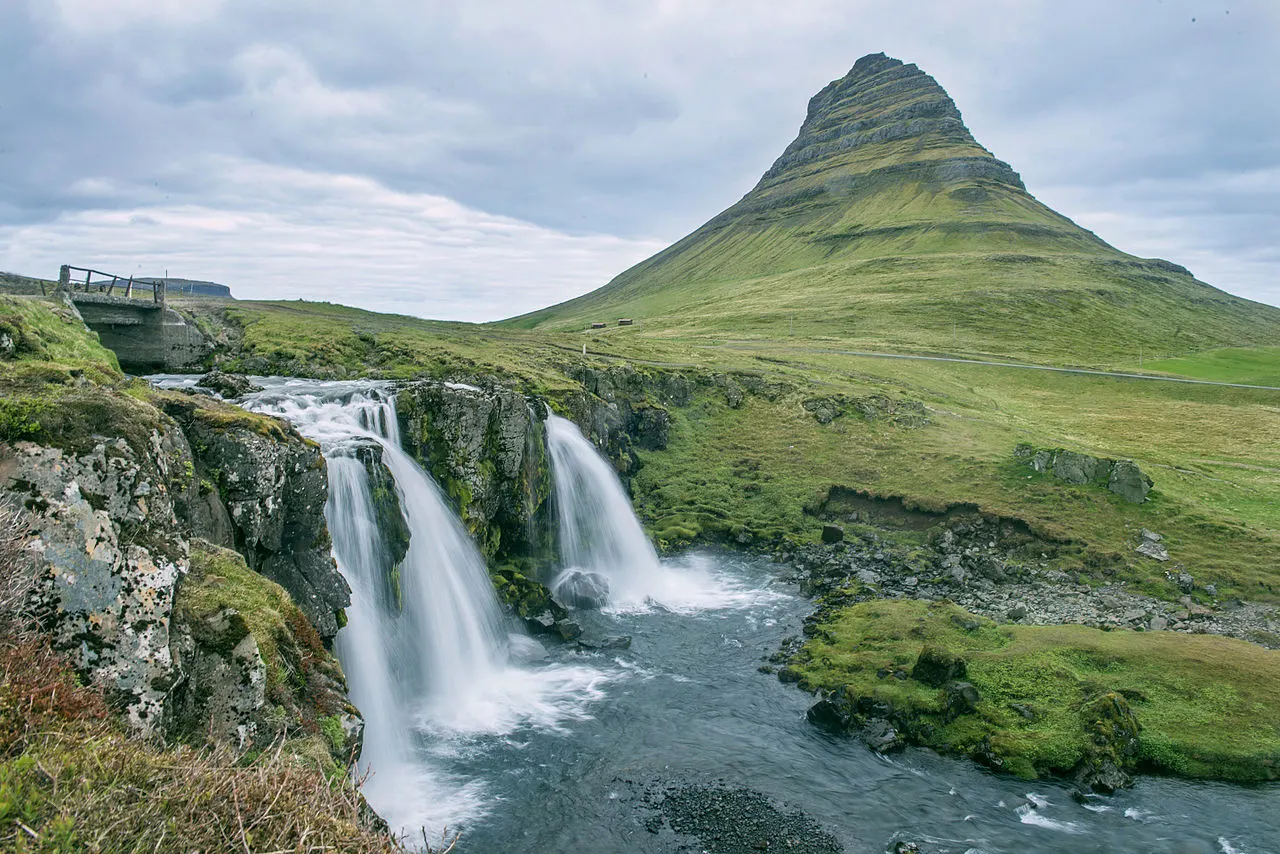
Kirkjufell easily becomes the sole anchor of a Snæfellsnes itinerary, but weather, cloud cover, light, and season won't guarantee you see the same image as online. If all other stops are compressed just to wait for a certain composition, the route loses flexibility. For photographers who care about shooting in different light, an overnight stay is a better fit than a day trip.
Most travelers should treat it as an important north-side stop and plan it around the surrounding villages and roads. Let the actual weather determine how long you stay instead of waiting indefinitely simply because you've made it there.
Self-drive is most useful when it lets you cut a stop
Snæfellsnes sights are scattered, and the biggest practical advantage of self-driving is being able to change stop lengths based on weather and interest, or even just do half the route. On a tour, the operator handles the driving, parking, and road decisions, which can be less stressful in winter, for solo travelers, or for anyone who wants to avoid long hours behind the wheel. Neither option is inherently better.
When comparing, don't just look at tour fees vs. rental car fees. Factor in whether you need to move hotels, number of drivers, winter driving confidence, desired shooting times, and the next destination. If the only reason for self-driving is "can go to more sights," it easily leads to a more rushed itinerary.
The south, west and north sides need different stop lengths
Different areas of the peninsula don't offer the same "get out and take a photo" experience. Some suit a brief viewpoint stop, some require a walk, and in some places the journey itself is part of the appeal. Allowing exactly 30 minutes for every stop usually causes delays where more walking is needed and creates needless pressure elsewhere.
A more practical method is to categorize stops into "must-do," "optional," and "add if weather is good." When wind, rain, or time worsens, cut the third category first; don't shrink every place to 10 minutes, ending up with constant getting in and out of the car.
Winter’s biggest mistake is forcing the full loop
In winter, completing the entire circle offers no extra reward when a section has strong winds, snow, reduced visibility, or poor road conditions. Start with the side that matters most, then decide whether to turn back based on official road and safety information. If conditions only allow you to reach a certain point before turning around, that is sensible route management, not an itinerary failure.
Don't use yesterday's road conditions as a proxy for today, and don't assume navigation providing a route means it's safe. Re-check official road info and SafeTravel before departure and during the trip.
Long summer daylight still has a fatigue cost
In summer, it's easy to keep extending stops because it's still light. Driver stamina, dinner, check-in, and attention don't extend with daylight. If you're still on the other side of the peninsula in the evening and need to return to Reykjavík, the last two or three hours are usually the most stressful.
Treat extra light as a buffer, not as extra sightseeing quota. If you specifically want to use evening light, staying overnight or reducing daytime stops is more reasonable than completing a normal day itinerary and adding another round of shooting.
Snæfellsnes to the Westfjords takes several extra nights, not one spare day
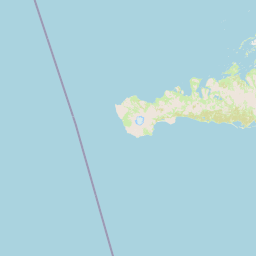
On a map, the peninsula and the Westfjords can look like a natural combination, but the Westfjords need several nights of their own. If your total trip is only six to eight days, fitting in both regions usually takes away valuable overnight flexibility on the south coast or in the north.
If your itinerary is long enough, Snæfellsnes can lead into the northwest. Check the ferry for your travel date, vehicle availability, and the operator's timetable instead of assuming that a line on the map means it will run when you need it. Confirm the sailing before booking hotels around it.
Going from the peninsula to Akureyri is a proper transit day
Staying overnight on the peninsula and heading north the next day is viable, but it is not an easy, short transfer day. You still need to leave the peninsula before completing a long drive; adding several morning sights and setting off north in the afternoon splits the day between sightseeing and transit.
A more reliable approach is to set a firm departure time after the last peninsula stop, then focus on the drive north. If you are unwilling to cut sights this way, add an overnight stop along the route instead of asking the driver to make up time at night.
Without a car, check what the tour actually covers
Not having a car doesn't mean you can't go to Snæfellsnes, but you should first check the actual tour product's departure city, stops, and season, rather than piecing together public transport on the map yourself. If your most important sights aren't in the product route, you have to accept trade-offs or switch to an accommodation-based plan.
For car-free travelers, staying in Reykjavík as a base is usually more practical because it avoids moving luggage between regions. If a reliable multi-day tour is available, base your plans on its actual meeting points and accommodation arrangements.
Families, older travellers and photographers need different day limits
With children or older travelers, getting in and out of the car, restroom breaks, weather gear, and walking all add time; photographers naturally stay longer when the light is good. That extra time is part of the trip, not a planning failure. Don't use online claims of "10 stops in a day" as your benchmark.
The simplest stress test is to assume each major stop takes 20 minutes longer. If you can still return to your accommodation comfortably, the route has enough leeway; if one delayed stop means driving at night, cut a stop or stay overnight.
When it is sensible to skip Snæfellsnes
If your trip is short, road conditions are poor, the south coast and glaciers are your priorities, or adding the peninsula would remove your pre-departure buffer, skipping it is reasonable. Snæfellsnes is worth visiting, but it is not essential to every first trip to Iceland. If cutting it allows a full day on the south coast or a safer final night, the itinerary may be better without it.
Ask not only whether Snæfellsnes is worth visiting, but whether it deserves one of your limited nights more than another full section of the trip. That is the comparison that matters.
If you're considering using the only overnight stay in a nine-day ring-road itinerary for Snæfellsnes, read the Nine-day Snæfellsnes trade-off table first; it shows how the west fits into the main route, and you can then return here for day-trip or overnight details.
If you've already decided to stay one night instead of making a day trip, the Snæfellsnes two-day, one-night route sets out which side to see on day one and which way to leave on day two, avoiding both ends of the peninsula in the same afternoon. If you are considering adding an underground stop at the western end, fit the 45-minute Vatnshellir lava cave slot around your accommodation and coastal route.
If you've already decided to stay one night, the next question is: Borgarnes, Stykkishólmur, or Grundarfjörður—which base avoids backtracking the next morning? The answer changes depending on whether your priority is photographing Kirkjufell, checking in for the ferry, or restocking and finding dinner. If your plans favour the port, the Baldur ferry, or a walkable finish to a north-coast evening, go straight to the Stykkishólmur destination guide; it covers the town itself without repeating the peninsula-wide accommodation advice. If you're still choosing between the capital region and a first night in the west, the Borgarnes destination guide covers town services, short bay stops, and routes west, then links to the Guide to reducing pressure on your first night in the west, which compares car pickup, resupply, the next day's drive north, and the cost of another hotel move. If you're considering the western lava waterfalls before the peninsula, the Hraunfossar and Barnafoss time-planning guide compares a city day, an overnight stay in Borgarnes, and skipping the detour.
If Kirkjufell matters enough to justify an early start, first read the Grundarfjörður destination guide to see whether the town, pool, resupply options, and north-coast light suit your plans. Then use the Grundarfjörður accommodation guide to compare room type, dinner, resupply, and the next day's exit. It will help you decide whether pushing on to the north coast for the night is worthwhile. Once you've chosen to self-drive, the Snæfellsnes clockwise or counterclockwise route guide compares starting on the north coast, starting on the south coast, and finishing at the port.
Five answers before you pay
First answer five questions: Am I taking a day trip or staying overnight? What is the latest time I can start the return drive or onward journey? Which side will I cut first if the weather turns? Am I returning to Reykjavík the next day, heading north, or continuing to the Westfjords? Does the accommodation actually make the next day easier? Once those answers are clear, you can choose a hotel that fits the route instead of choosing one for its looks and trying to make the route work around it.
On departure day, use Visit Iceland · Snæfellsnes, Road conditions and SafeTravel to verify current status.
If you have one extra day, see the Slow three-day Snæfellsnes itinerary, which separates Kirkjufell, the western end, and the port. For a winter departure, start with the Winter Snæfellsnes Peninsula route and factor daylight, conditions on Routes 54 and 574, and cave meeting times into your accommodation choice.
Related Reading
After deciding to stay overnight on the peninsula, how to connect the next stop?
- Iceland accommodation nights: First confirm if this night really reduces pressure for the next day.
- Westfjords: Don't treat the Westfjords as an add-on day to the peninsula.
More Reading
If weather requires you to narrow the route
- How to keep the itinerary in rain: Cut sights rather than forcing the next hotel.
- Winter self-drive: The full loop is not the goal of road judgment.
Q&A | Should Snæfellsnes be a day trip?
Is Snæfellsnes worth a day trip from Reykjavík?
It can be, if you have one open day, a firm return time and a short list of representative stops. Staying overnight makes more sense for a slower coast walk, photography in changing light or a northwest departure the next morning.
Is an overnight stay always better than a day tour?
No. An overnight spreads the stops and improves the next exit, but it does not automatically add more sights. If you would rather avoid wind, parking and a long drive, a day tour’s meeting point and fixed rhythm may be the better compromise.
Can I copy the full summer loop in winter?
Do not copy it without checking current conditions. Closures, wind and visibility may limit the route; take one side of the peninsula or turn back instead of completing a circle for its own sake.
References
Data re-verified on August 22, 2026; road conditions, wind, and seasonal arrangements still need to be checked on departure day.
- Visit Iceland | Snæfellsnes Peninsula: Destination data.
- Umferðin: Road status.
- SafeTravel: Road and weather safety tips.