
ICENAVI ROUTE FIT · SNÆFELLSNES
Let the morning you cannot miss decide the direction
These scores consider the connection from your starting point, landscape light, accommodation changes, activity meeting times and the departure route. They assess route practicality only.
Entering the peninsula from Borgarnes, the north coast makes it easier to keep Kirkjufell for the morning before continuing towards the western tip and south coast.
Starting early at Arnarstapi and Búðakirkja works well if you leave from the north coast the following day; reaching Kirkjufell in the afternoon gives you less flexibility with light.
If you take the Baldur ferry the next day, staying by the harbour removes much of the morning’s check-in and vehicle-queue pressure.
Stay two nights in Grundarfjörður, then use the third day to fill in the western tip or south coast according to the cloud cover and activity schedule.
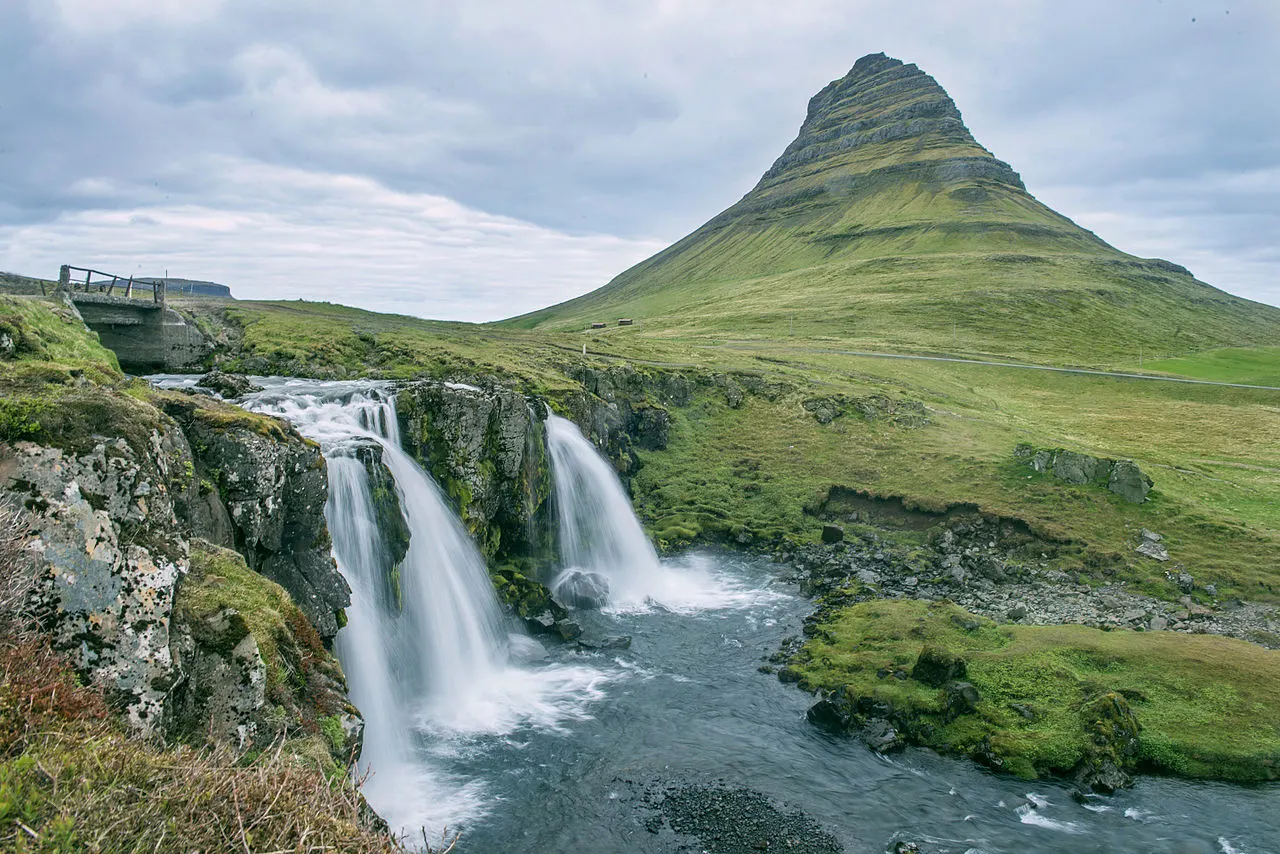
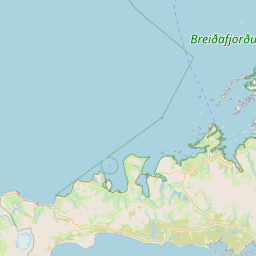
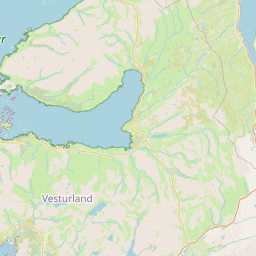
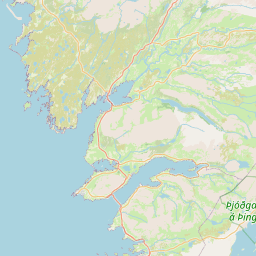 StykkishólmurNorth-side accommodation and ferry connectionGrundarfjörðurKirkjufell timing and north-coast stopSnæfellsjökullWestern weather and daylight decisionArnarstapiSouth-coast walk and activity areaBorgarnesGateway for the Reykjavík approach and exit
Translate “clockwise” into a route you can actually drive
Tour operators often say clockwise or counterclockwise, but travellers do not necessarily enter from the same road. From Borgarnes, following the north coast to Grundarfjörður before continuing around the western tip and south coast is effectively a north-first route. Entering from Stykkishólmur or the Westfjords ferry can make the same circuit sound like the opposite direction. Instead of memorising an arrow, mark your first and final overnight stops on the map; the order will usually become obvious.
The existing Snæfellsnes destination guide covers a day trip and an overnight stay. This article focuses on the next decision: once you have chosen to drive the peninsula, how do you arrange the stops with less backtracking? Reading both pages together keeps the question of whether Snæfellsnes is worth visiting separate from the question of where to begin.
North first: see Kirkjufell while you still have the morning
Driving north from Reykjavík or Borgarnes brings you to the Grundarfjörður area early, with Kirkjufell and Kirkjufellsfoss among the first major stops. You do not need half a day here, but parking, walking to the viewpoint and waiting for a break in the clouds all take time. Leave it until the end of a long driving day and you may have little more than a quick photograph from the car window.
The other advantage of going north first is the option to stay put. Grundarfjörður has a harbour, places to eat and basic supplies, so you can head directly towards Ólafsvík and the western tip the next morning. The short distance back to your room also makes a second visit possible if the weather suddenly clears. To understand what this base solves, start with the Grundarfjörður destination guide, then use the Snæfellsnes accommodation guide to compare food, parking and the next day’s departure options.
Only then continue towards Snæfellsjökull, Djúpalónssandur or Vatnshellir Cave. The day naturally becomes one fixed stop plus one optional stop. If a cave tour has a set meeting time, put the meeting point in your calendar before deciding how much western coastline to keep. The Vatnshellir Cave experience guide covers that trade-off.
South first: make the coastal walk your first priority
If you arrive from the Golden Circle or elsewhere in western Iceland during the morning, head first to Arnarstapi, Hellnar and Búðakirkja, then move towards the north coast in the afternoon. Wind, footwear and the location of your parking space all affect the coastal walk’s timing. Doing it early leaves room to shorten the visit if conditions change; leaving it until the final hour can turn the walk back to the car for a jacket into a small expedition.
South first suits a one-night stay in Arnarstapi, followed by the western caves or headlands early the next day. The trade-off is fewer restaurants and supplies than around Borgarnes, so late arrivals need to deal with check-in first. The Arnarstapi and Hellnar destination guide separates the two ends of the walk, parking and the next departure route, which makes it easier to decide whether changing bases for one night is worthwhile.
Continuing from the south coast to Grundarfjörður still allows good photographs of Kirkjufell in the afternoon if the clouds and sunset timing cooperate. This direction is less suitable if Kirkjufell is the one image you have built the trip around; starting on the north coast gives you more room for error.
Two days or three: the best order changes
| Available time | Suggested order | Accommodation | Keep and skip |
|---|---|---|---|
| Two days, one night · entering from Borgarnes | North first → Kirkjufell → one or two western-tip stops → south coast | Stay in Grundarfjörður | Keep Kirkjufell and one coastal section; let the cave meeting time replace other stops |
| Two days, one night · returning to Reykjavík the next day | South first → western tip → north coast → eastern exit | Grundarfjörður or Arnarstapi | Do not chase the harbour town; reserve the final stretch for the return direction |
| Three days, two nights · travelling slowly | North coast, north coast/western tip, south coast | Two nights in Grundarfjörður | Use the third day for the cave, Búðakirkja or coastal walk that best suits the weather |
| Connecting to the Westfjords ferry | South coast → north coast → Stykkishólmur | Final night in Stykkishólmur | Do not combine a cave meeting and ferry check-in in the same morning |
Accommodation is a better guide than the direction label
Grundarfjörður works well for a two-night stay centred on Kirkjufell and the north coast. You can keep the morning for photography and decide later whether to continue towards the western tip. Arnarstapi suits the coastal walk and southern sunset, but dinner and supplies need earlier planning. Stykkishólmur’s value lies in its harbour and town services, especially when you are taking the Baldur ferry to Brjánslækur the next day. It is not necessarily the most efficient base for seeing Kirkjufell.
Borgarnes is more of an arrival base. If you land early, need food or want to check the road conditions before entering the peninsula, you can handle those tasks there. If you arrive late, stay the night and choose the north or south coast according to the wind the next morning. The Borgarnes destination guide covers arrival logistics and supplies, making it easier to judge whether staying outside the peninsula for one night is sensible.
An activity meeting time can rewrite the whole circuit
Lava-cave tours, sea excursions and some guided visits have fixed meeting times. If the meeting point is at the western tip, stay nearby the night before. If it is at the harbour, leave Stykkishólmur until the end. Without a fixed activity, let light and your next departure decide the order. Once a fixed time enters the plan, schedule the activity first and fit the free coastal, waterfall and town stops around it.
That is why it helps to read the two-day Snæfellsnes itinerary and the three-day slow itinerary after this page. The first gives you a workable plan with the fewest stops; the second explains how to use the extra day. If you are still deciding between a day trip and an overnight stay, the Snæfellsnes day trip or overnight planning worksheet addresses the time cost before you spend energy debating direction.
What to remove first when the weather turns
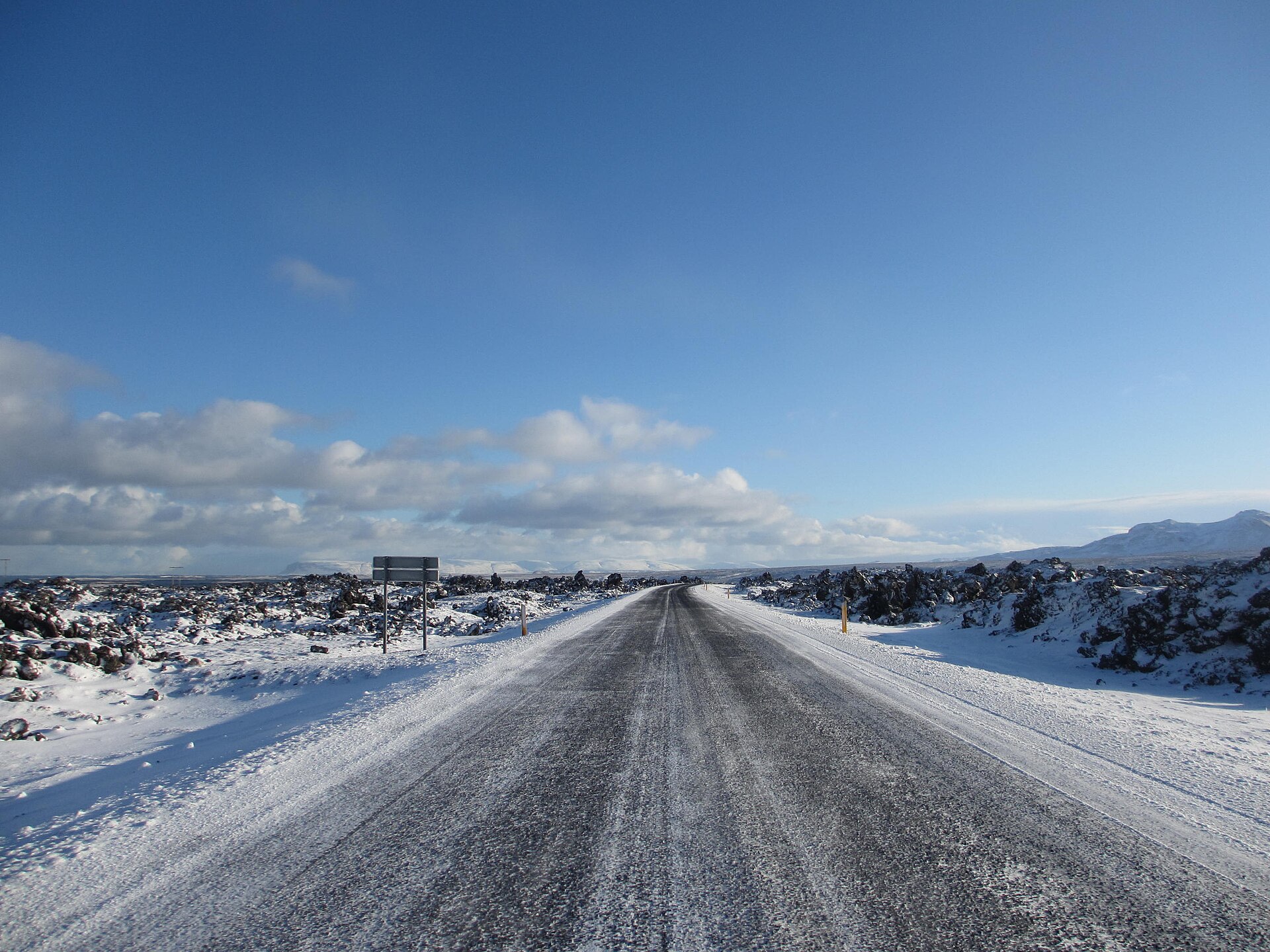
Check the road and wind conditions first, then visibility. Kirkjufell needs a clear mountain shape and reflective water; the western headlands need reliable visibility; the Arnarstapi walk needs manageable wind. You do not have to protect all three. With a north-first route, you can complete Kirkjufell early and drop the western tip if the afternoon deteriorates. With a south-first route, start with a shorter coastal section and keep the higher viewpoints as a backup.
The greatest waste usually comes from reaching the opposite end of the peninsula before discovering that parking, wind or a meeting time does not work. Set a latest-turnaround time each day. If you leave Grundarfjörður and still have not reached the western tip by the afternoon, save the furthest headland for the next day. If you leave Arnarstapi and the cloud thickens over the north coast, make Kirkjufell a short stop instead of spending the final hour chasing one photograph that has to succeed. Check the Iceland road-condition information on the day of departure; the direction table is only there to help you set priorities in advance.
ICENAVI · SNÆFELLSNES DIRECTION CHECK
Circle the first morning you cannot miss, and the direction follows
Kirkjufell is the focus: start on the north coast and stay in Grundarfjörður. The coastal walk is the focus: start in the south and spend a night near Arnarstapi. Taking the ferry the next day: finish in Stykkishólmur. No fixed time: stay two nights in one base and adjust the western tip to the cloud cover.
Q&A | Driving direction around Snæfellsnes
Is clockwise or counterclockwise always better?
There is no fixed answer without knowing your starting point. Entering from Borgarnes, north first usually makes it easier to keep Kirkjufell for the morning. Entering by ferry or from the western tip means working backwards from the harbour check-in and your accommodation.
Can I drive the whole peninsula in two days and one night?
You can drive around the circuit, but you will need to cut the number of stops sharply. Kirkjufell, Arnarstapi and a western cave should not all be scheduled into the same afternoon.
Do I need to change hotels twice on a three-day trip?
No. Staying two nights in Grundarfjörður and choosing the final night according to your return or ferry is usually more useful than moving your luggage every day.
Should I visit Kirkjufell in the morning or at sunset?
Either can work. The difference is whether you can remain nearby and wait for the light. Keeping Kirkjufell close to your accommodation gives you more flexibility than chasing a particular hour.
What should I cut first in the rain?
Drop the furthest headland or a stop that needs a clear mountain outline first. Keep the harbour, towns, Búðakirkja and coastal locations that can be visited briefly.
References
- Visit Iceland | Snæfellsnes Peninsula (landscape and geographic background).
- Visit Iceland Map (cross-checking public map locations).
- Umferðin | Road conditions (departure-day road conditions).
- OpenStreetMap contributors (the real map base used in this article).