
ICENAVI · SENIOR TRAVEL DECISION
When you travel with parents, older relatives or three generations, “the drive is only two hours” can sound reassuring. Those two hours are followed by parking, wind, slopes, finding a toilet, eating and checking in; move rooms that evening and everyone will give their verdict with their body the next morning. This guide does not label older travellers by mobility. It lays out the practical costs that change a route.
ICENAVI ITINERARY FIT · SENIOR TRAVEL
For older travellers, assess recovery space before counting sights
Only trade-offs supported by specific route, accommodation or older-traveller fatigue evidence are scored here; meeting-point clarity and luggage-handling scores without product-specific evidence have been removed. These scores measure itinerary fit, not physical ability.
The article compares consecutive nights in Reykjavík with two days and one night on the south coast: one stay leaves room for a midday rest, toilets and weather changes, while directly reducing daily repacking.
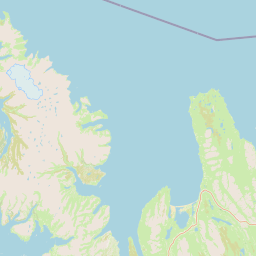
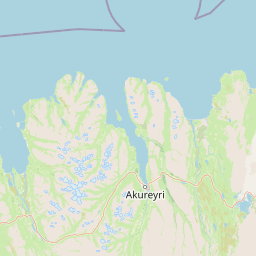
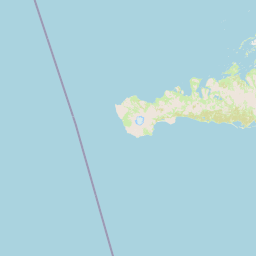
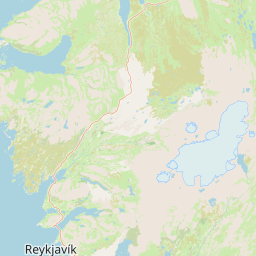
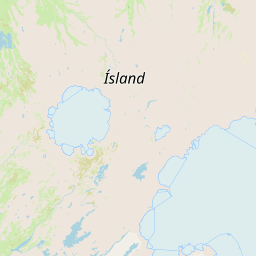
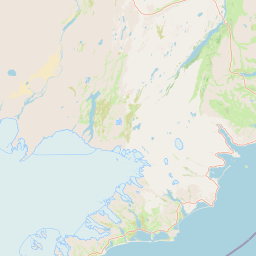
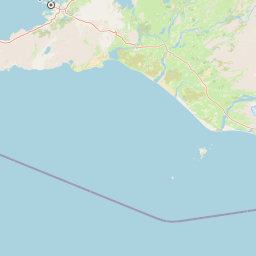
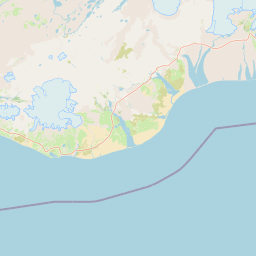
The real map separates KEF, Reykjavík, Vík and Jökulsárlón into four accommodation points; the article notes that every step east costs more time for parking, dressing, resting and checking in for the next night.
SafeTravel notes that fatigue after a long flight may last for several days. The article also keeps one afternoon stop optional and makes sure there is somewhere to sit; both choices directly affect the first night and the daily rhythm.
The three retained scores average about 7.3. Short transfers, consecutive nights and a cuttable afternoon give older travellers a better chance to keep their energy for the sights themselves.
The first table for an older-traveller itinerary: the moving checklist
I would record four things first: how far it is from the car door to the entrance, whether there are stairs, how many times luggage must be moved in and out today, and where the next place to sit will be. These answers decide whether an older traveller can enjoy a place earlier than “how impressive is the waterfall?”. Official SafeTravel also warns that jet lag and fatigue after a long flight may last for several days, so rest before driving; “we will all walk slowly” does not cancel these risks.
| The situation you are actually facing | The cleaner arrangement | Do not promise this yet |
|---|---|---|
| Arriving on a night flight; the older traveller sleeps poorly | Stay one night near KEF / Reykjanes, then choose the direction the next day | Driving straight to Vík after collecting the car |
| Only want the south-coast highlights | Consecutive nights in Reykjavík or two days and one night on the south coast, with a midday rest | Fitting the south coast, Jökulsárlón and the return to Reykjavík into one day |
| Drivers can take turns; a full summer arrival and departure | Drive the Ring Road in sections, with one main transfer per night | Treating the midnight sun as unlimited energy |
| Need predictable boarding, alighting and toilet access | Choose a day tour or fixed base with clear meeting points, rest stops and accommodation | Judging comfort by navigation minutes alone |
This table does not reduce an older-traveller itinerary to a city stroll; it identifies who carries the cost of each move. To compare the trade-offs first, read Self-drive or day tour. If travellers cannot share the driving, that difference matters more than the name of the vehicle.
Map the route by transfer cost, not distance alone
The map below places KEF, Reykjavík, Vík and Jökulsárlón on one real OpenStreetMap base map. It does not calculate today’s driving time or replace road notices. Its purpose is simple: to show that “going straight to the eastern end of the south coast after landing” puts the airport, city, long transfer and check-in on the same day. If every section still looks manageable, add time for dressing, parking and rest to each one.



The value of a day tour: remove the driving responsibility
With older travellers, the value of a day tour is not simply that someone else drives. The operator also takes responsibility for the meeting point, stop sequence and return journey. The trade-off is less freedom to pause whenever one person needs a break, so check the total driving time, toilet stops, boarding and alighting points, hotel pickup, and cancellation or rescheduling terms. If the product does not state these clearly, do not substitute a high review score for the missing details. Start with how to choose a South Coast day tour, compare the stops and return time, then decide whether the price is worthwhile.
If you want to remove the driving responsibility first, check the south-coast day-tour details
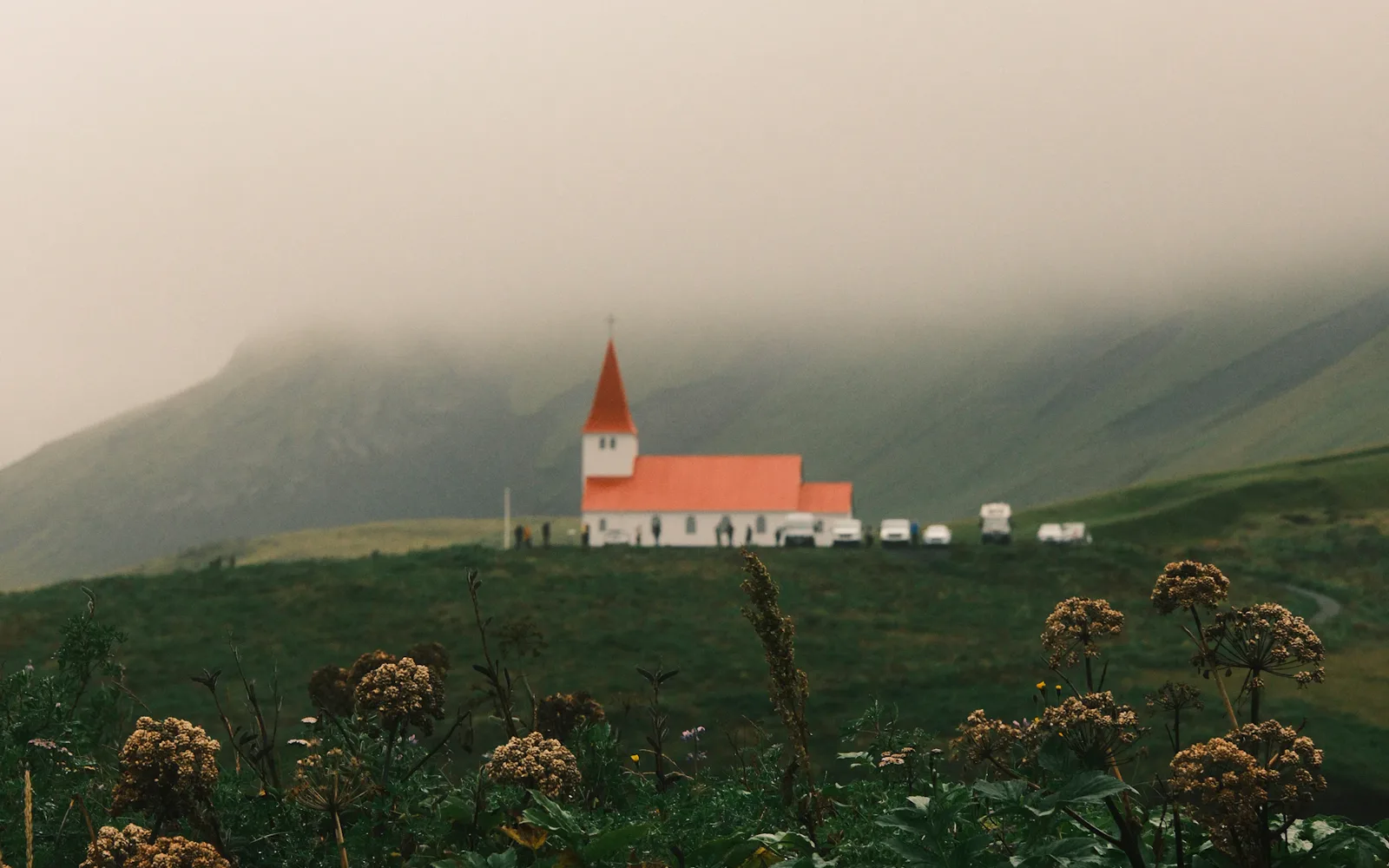
These are the two south-coast product links cited in this article, and each tour lasts roughly a full day. Check the stops, boarding and alighting, toilets, pickup area, language and cancellation terms one by one; do not look only at the number of sights.
Self-drive keeps the decisions in your hands, but it also makes “should we stop today?” the driver’s responsibility. SafeTravel advises stopping in a safe place when fatigue sets in and warns that tiredness after a long flight can persist. Having two drivers does not justify extending every day; both people need genuine rest between turns. For the time that navigation does not show, read Iceland daily driving time and count parking, meals, check-in and detours together.
Use accommodation to remove one more round of packing
First ask whether the room entrance, parking, breakfast and dinner let an older traveller walk less; then consider the view, bath or pool. A common three-generation mistake is moving rooms every day just to “stay in two places”, until everyone is searching the car for a coat. If you are staying on the South Coast, read Vík: one night or two and choose the stay around the next day’s direction. If the itinerary needs a city base, Reykjavík city centre or harbour answers the meeting-point, dinner and walking questions before hotel star ratings do.
ICENAVI · The cut-a-stop line for older travellers
Accommodation should buy back one round of packing and unpacking
If tomorrow loses an hour, do you cut a sight or rest first?
If the answer is rest, the route is already too full. Keep one main sight for the day and reserve time to sit down; an older traveller may see more by staying longer. The aim is to avoid reducing everyone’s energy to “get back to the car quickly”.
Real comfort means not changing the rules at the last minute
The hardest part of travelling with older people is that everyone may assume they should match someone else’s pace. Write rest into the itinerary so the group does not have to debate who stays and who goes at the car park. Check check-in times and dinner options in advance so bad weather does not trigger another round of decisions. That preparation gives the driver one less judgement to make, tells older travellers where the next place to sit will be, and lets anyone who wants one more photograph do so without spending the whole group’s energy.
Final pre-departure check: five questions more useful than a polished itinerary
- Is the first night close enough to the airport or confirmed meeting point that the older traveller does not make a long move while exhausted?
- Is someone responsible for each accommodation move, so the older traveller does not drag luggage, use stairs or wait in the wind?
- Does parking, walking and toilet information for the main sights come from an official or operator source rather than one traveller’s photo?
- If wind and rain cancel a stop, does that night’s accommodation still make sense, or must you rush on to “complete” the route?
- Does everyone agree that the most tired person decides when to cut a stop, rather than the keenest photographer deciding to add one?
If you have not decided the number of days, return to How many days to spend in Iceland and separate usable nights from arrival and departure travel. Do not mistake “an older traveller can walk” for “an older traveller should change base every day”.
Related reading
Connect travel needs back to the route
- Self-drive or day tour: compare driving responsibility with fixed meeting-point constraints.
- Daily driving time: beyond navigation minutes, there is parking, food and check-in.
- Vík: one night or two: use the next day’s direction to remove an unnecessary hotel move.
More to read
If the route needs narrowing
References
- SafeTravel | Fatigue and drowsiness: Fatigue after a night flight and jet lag, with rest and parking guidance; checked 2026-09-04.
- SafeTravel | Driving in Iceland: Adjust before and during the trip according to weather, roads and your own condition.
- OpenStreetMap contributors: Real base map for the four geographic locations in this article.
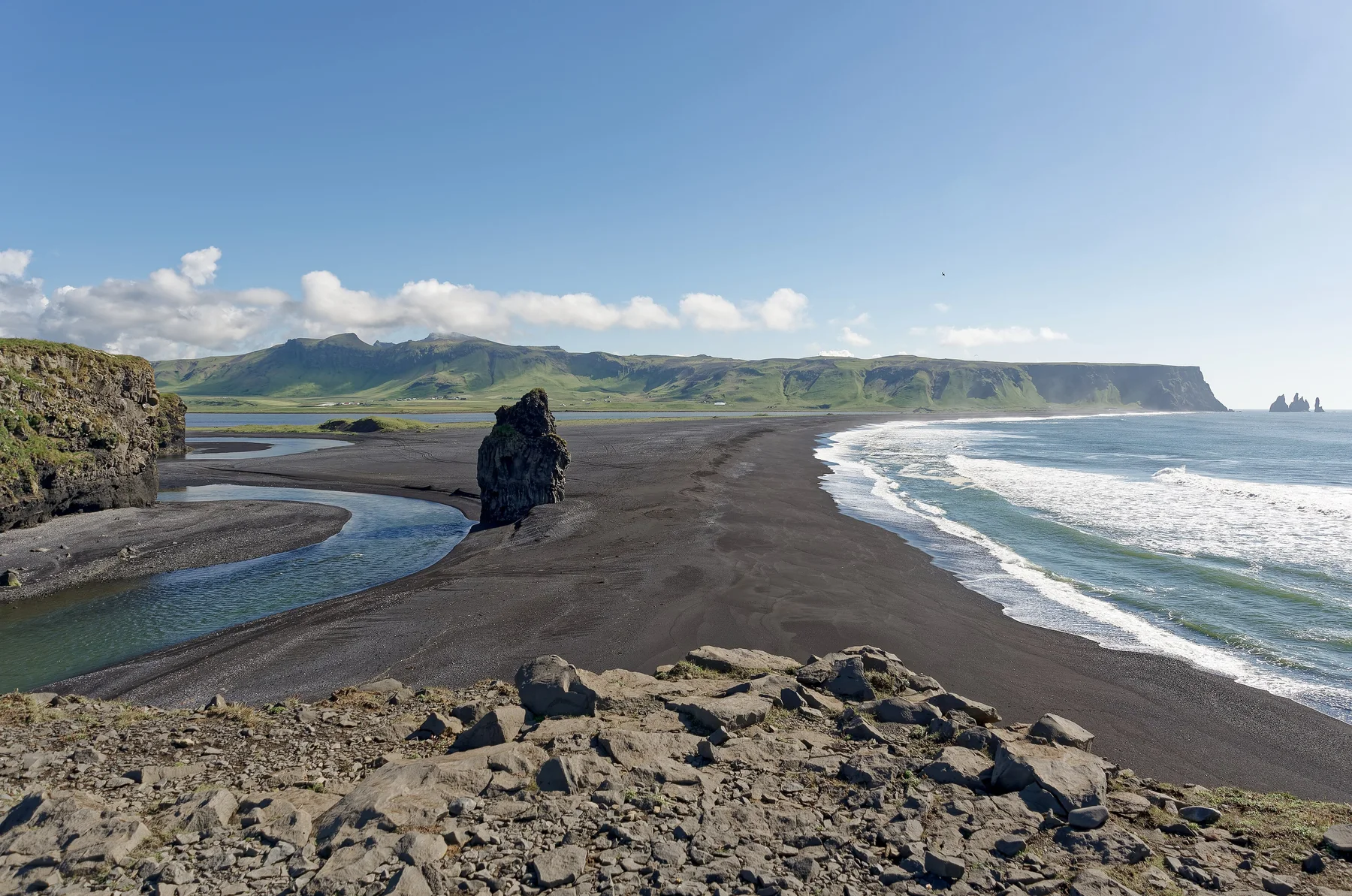
- South-coast photo in this article: Jakub Hałun / Wikimedia Commons, CC BY-SA 4.0; shown only to explain coastal terrain and not to represent conditions for waves, paths or parking on the day.

Q&A | Questions to settle before departure
What should you protect first when plans change?
Protect accommodation, fixed meeting arrangements and flights first, then cut optional sights.
How should you adjust when roads or activities are uncertain?
Rebuild the plan using official road and weather information for the departure date, and keep one cancellable backup.
Do you need a buffer?
Yes. Put short daylight, the group’s energy and long drives into the daily allowance.
References
Roads, activity times, ticketing and opening arrangements can change; check each item against the sources at the end of this article before departure.