
ICENAVI ROUTE CHECK
Will this western-coast half-day fit the rest of the trip?
Only factors that change the route are scored.
One western road links geothermal scenery, the lighthouse and the rift landscape.
The coast is exposed, so wind direction affects both how it feels and how long photography takes.
The stops are free, but the return drive and car-drop timing cannot be compressed.
Decide whether the western tip earns the drive
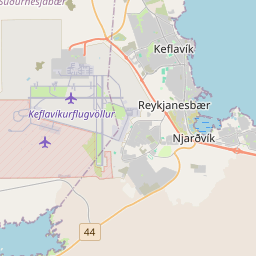
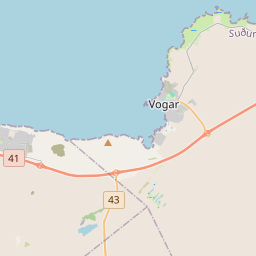
The Reykjanes Peninsula looks close to Keflavík, yet the coastal points can divide a half-day into several separate blocks. If you have just landed, collecting the car, buying water and sorting luggage may already take an hour; if you are catching a flight, car return and check-in are the hard boundaries. The western tip suits a substantial clear window, and it cannot be added casually to every arrival day.
The scenery changes quickly: Gunnuhver brings steam and mud, Reykjanesviti brings a windswept lighthouse and black-rock shore, while the Bridge Between Continents is a short walk and a clear geological marker. Twenty to 40 minutes at each stop is enough, but allow extra time between drives to find entrances, put on a coat and get back to the car. Free does not mean cost-free in time, especially when wind keeps you beside the car for another half-hour.
Choose the three stops by the time you actually have
| Stop | Suggested time | Why it changes the plan |
|---|---|---|
| Gunnuhver | 20–30 minutes | A concentrated geothermal landscape, useful as a short stop on arrival or before departure; sulphur smell and steam direction affect how long you stay. |
| Reykjanesviti lighthouse | 30–45 minutes | The coastal outlook is open and exposed; strong wind shortens time outside and for photography. Stay longer only if the surf is part of your aim. |
| Bridge Between Continents | 25–40 minutes | A short, easy-to-understand walk for one more geological sight; when time is tight, keep the western coast first. |
I would put Gunnuhver first. You have the most energy and battery when you have just reached the peninsula, and if the smell is intense or the wind is uncomfortable, you can shorten the stop immediately instead of discovering at the final stop that the schedule has slipped. Put the lighthouse in the middle so the coast becomes the main scene of the drive; leave the bridge until last because it is easiest to use as a short closing stop.
If you want all three, allow at least 4 hours 30 minutes from Keflavík; from Reykjavík, add the city return drive separately. In winter, short daylight and icy roads can arrive together, so a summer half-day schedule cannot be applied unchanged.
Arrival day and departure day need different clocks
An arrival day has no airport check-in pressure, but a delayed car collection can steadily eat into daylight. If your flight lands in the morning, leave larger luggage at accommodation in Keflavík before driving west; taking it to the coast is not sensible. If you also want the Blue Lagoon that day, treat the entry slot as a fixed constraint and choose only one or two western stops.
Departure days are where travellers most often underestimate the clock. Driving back from the lighthouse to Keflavík, refuelling, returning the car, taking the shuttle to the airport, then handling luggage and security should leave at least 3 hours for the airport process; follow your airline's required arrival time for an international flight. With an afternoon departure, three stops can work in the morning, but set a latest-departure time for the lighthouse and turn back when it arrives.
With only two hours, choose Gunnuhver plus a quick meal or harbour walk in Keflavík. Do not turn car return and check-in into a race over the final ten kilometres just to collect all three map pins. For a fuller airport and Blue Lagoon sequence, continue with this Keflavík layover and Reykjanes plan; if the day is already a full peninsula drive, use this article as the western section and avoid repeating the loop.
Let wind, road conditions and clothing set the route
Most roads at the western tip are open stretches with no shelter from the sea wind. In summer, longer daylight lets you extend all three stops, though fog and crosswinds still matter; from autumn onwards, shorter daylight makes wet parking areas and short paths more slippery; winter brings ice, snow and reduced visibility, so the schedule should include a clear order for dropping stops. During the spring thaw, roadside standing water and mud can leave you soaked soon after getting out.
Wear waterproof shoes with good grip and a windproof outer layer; a hat with a securing strap is useful. The wind near the lighthouse can feel stronger than it does in the car park, so do not walk backwards while watching your phone during photography. Steam at Gunnuhver can fog the lens; keep a lens cloth and spare battery in an inside pocket, and wipe everything dry before storing it in the car.
Check the weather forecast and road information again before departure. If conditions are unsuitable, remove the most distant coastal stop; if it is simply windy, shorten the lighthouse visit and keep Gunnuhver and the bridge. That order of cuts is more practical than writing an unchangeable route from the start.
Your base can add an hour to the same drive
Keflavík or an airport-area base makes this western half-day easiest to fit. You do not have to drive back to Reykjavík the night before an early flight, and a departure day has more buffer; the trade-off is a smaller choice of evening restaurants and city activities. Reykjavík works better when the western tip has a full daylight window of its own, rather than being squeezed between city sightseeing and the airport.
If you are driving south the next day, put this western outing on arrival day or the day before departure, so you are not driving a long way east after the coast. For a comparison of Keflavík accommodation and central Reykjavík, see this Keflavík accommodation comparison; if you are staying one night near the airport, choose accommodation with parking and a clearly explained morning check-out process. The time saved is in packing and finding the road.
Count the small costs around the free stops
The three sights generally have no admission charge, so the practical budget is concentrated in the rental car, fuel, food and accommodation. For two people sharing a car, estimate the added fuel for this half-day route at about 1,500–3,000 Icelandic króna (about HK$85–170, or approximately NT$340–680), depending on the vehicle, detours and fuel prices; splitting it four ways makes the per-person cost lighter. A guided tour or geothermal experience is separate and should be priced by its duration and meeting point, rather than folded into the free coastal stops.
On a departure day, also include fuel before returning the car, airport food and possible luggage storage. The most common waste is not an admission fee but an expensive last-minute airport meal, a missed exit or an extra loop taken while rushing back. Save the petrol station, accommodation and airport entrance in an offline map before leaving; that small preparation has more practical value than adding another stop.
A half-day sequence with a clear cut-off
| Time | Plan | Leave when |
|---|---|---|
| 08:30 | Leave Keflavík; check wind and roads | Fuel is sufficient and the phone has an offline map |
| 09:00–09:30 | Gunnuhver | Return to the car early if the steam direction is uncomfortable |
| 09:45–10:30 | Reykjanesviti lighthouse | In strong wind, stay at the viewpoint rather than walking farther |
| 10:50–11:25 | Bridge Between Continents | If the path is slippery, go only as far as the entrance |
| Before 12:00 | Return to Keflavík to refuel / eat | On a departure day, work back from the latest car-return time |
This table is not a challenge to chase every minute. It gives you a stopping order: Gunnuhver keeps the geothermal theme, the lighthouse keeps the coastal character, and the bridge is the easiest extra stop to shorten. Extend the visits only with good weather and enough daylight; as soon as snow or wind slows parking and walking, cut the final stop first.
Each western stop stands on its own, so you can finish the outing at any point. That makes the area useful for adding nature near the airport or for travellers who do not want a packed day. If geothermal scenery is your only aim, Seltún is in a different direction; read the Seltún and Gunnuhver geothermal comparison before deciding whether the drive west earns its place.
Does the western route fit?
Set the half-day around the flight and the base
Put accommodation, the rental car and the available window on one sheet before deciding whether to do three stops, two, or one short visit.
Related reading
If you are starting at the airport, begin with the Keflavík and Reykjanes destination guide, then place the western tip on your arrival or departure day.
More to read
Continue planning with the Reykjanes Peninsula one-day drive, volcano hike and tour options and accommodation near the Blue Lagoon.
Q&A | Reykjanes western coast half-day drive
Can I do this without a rental car?
The three stops are spread out, and public transport is unlikely to link them smoothly in half a day. Choose a peninsula tour with transfers instead, and make sure its meeting time works with your flight.
How should I choose with only two hours?
Choose Gunnuhver, then decide whether to add the Bridge Between Continents based on your return direction. Do not promise yourself a long photography stop at the lighthouse as well.
Can I do all three stops on a departure day?
Yes, but write down the latest time you will leave the western tip and keep at least three hours for car return, the shuttle and security. In strong wind, drop the bridge first.
Is it worth visiting in winter?
Yes, but snow, wind and daylight will affect both the scenery and how far you can get. Treat the western tip as a short-daylight route and check road conditions again before setting out.