
ICENAVI GEOTHERMAL FIT
Do you have time for a boardwalk, or only a geothermal pause?
Scores are organised around landscape density, time and airport connections.
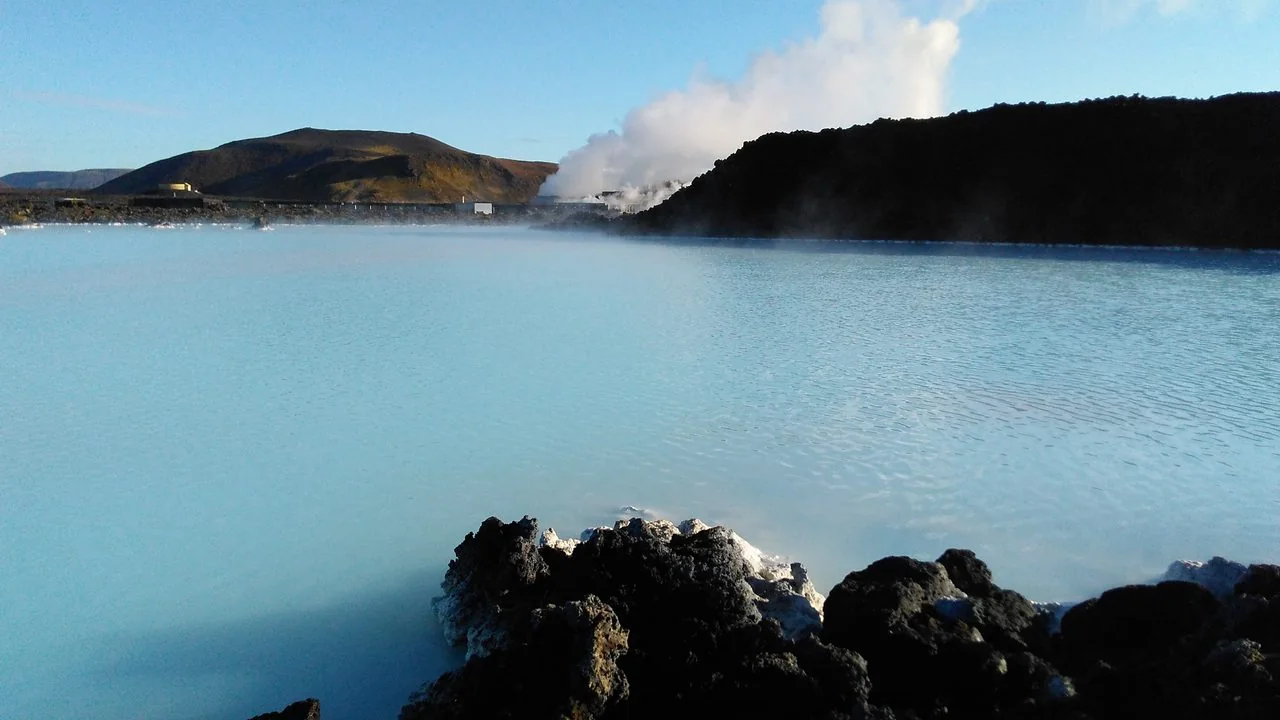
Seltún concentrates mud pools, yellow sulphur and red-brown slopes.
Gunnuhver works as a short stop before the airport without easily disrupting check-in time.
Sulphur smell and steam direction change the experience, so check the wind before moving closer.
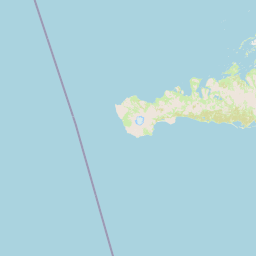
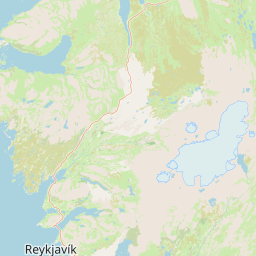
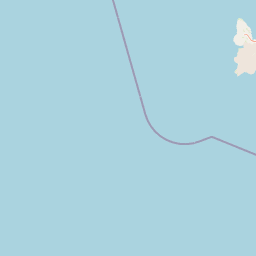
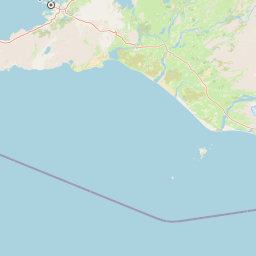 Keflavík
Airport direction
Seltún
Kleifarvatn area
Gunnuhver
Southwest tip
Keflavík
Airport direction
Seltún
Kleifarvatn area
Gunnuhver
Southwest tip
Start with the landscape you actually want to see
Seltún is a geothermal hillside with noticeable changes in elevation. Its boardwalk passes mud pools, steam vents and layers of colour, and the higher section gives you a view across the whole area. You will keep stopping to look at the ground, so 45 minutes is a basic visit; allow 60 to 75 minutes if you want to take photographs and understand the terrain.
Gunnuhver feels more like a concentrated display of force. Steam columns, mud pools and the geothermal plain sit close to the parking area, so the main scene comes into view quickly. When wind pushes steam towards the wooden railings, the smell can intensify suddenly; you can step back a few paces and still see the landscape, with no need to approach the hottest ground.
Each site stands on its own. If you want Reykjanes volcanic colour in a half-day, Seltún gives you more to work with; with very little time, Gunnuhver lets you see geothermal features without giving up your airport buffer.
Seltún needs a little room in the timetable
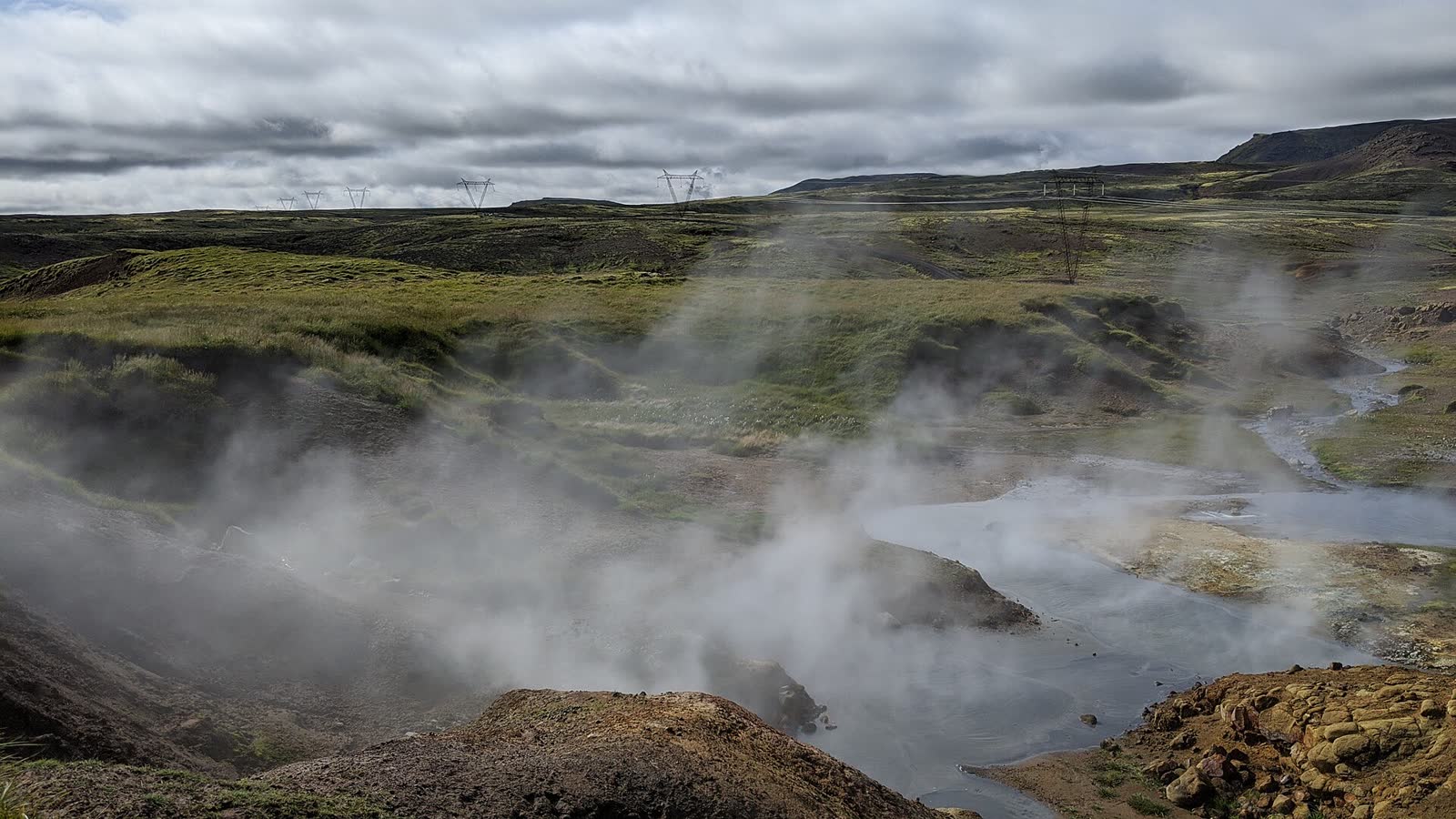
After arriving, look at the boardwalk entrance and wind direction before deciding whether to walk the full loop. The colours beside the mud pools are compelling, but steam can make the ground slippery; reliable grip matters more than the camera angle. Stay inside the railings: you cannot judge the thickness or temperature of geothermal ground by looking at it.
If someone in your group wants only a short stop, visit the two lower viewpoints first and let them wait by the car; those who want more time can continue uphill, with a meeting time agreed in advance. This split approach makes Seltún workable for different fitness levels without requiring everyone to finish the same loop.
Seltún can join Lake Kleifarvatn, Grindavík or the Blue Lagoon in a half-day. From Reykjavík, the return drive plus the boardwalk will take up most of the day; before a departure, it is better to put Seltún in the morning and leave the afternoon for returning the car, fuelling and check-in.
Gunnuhver works as a defined short stop
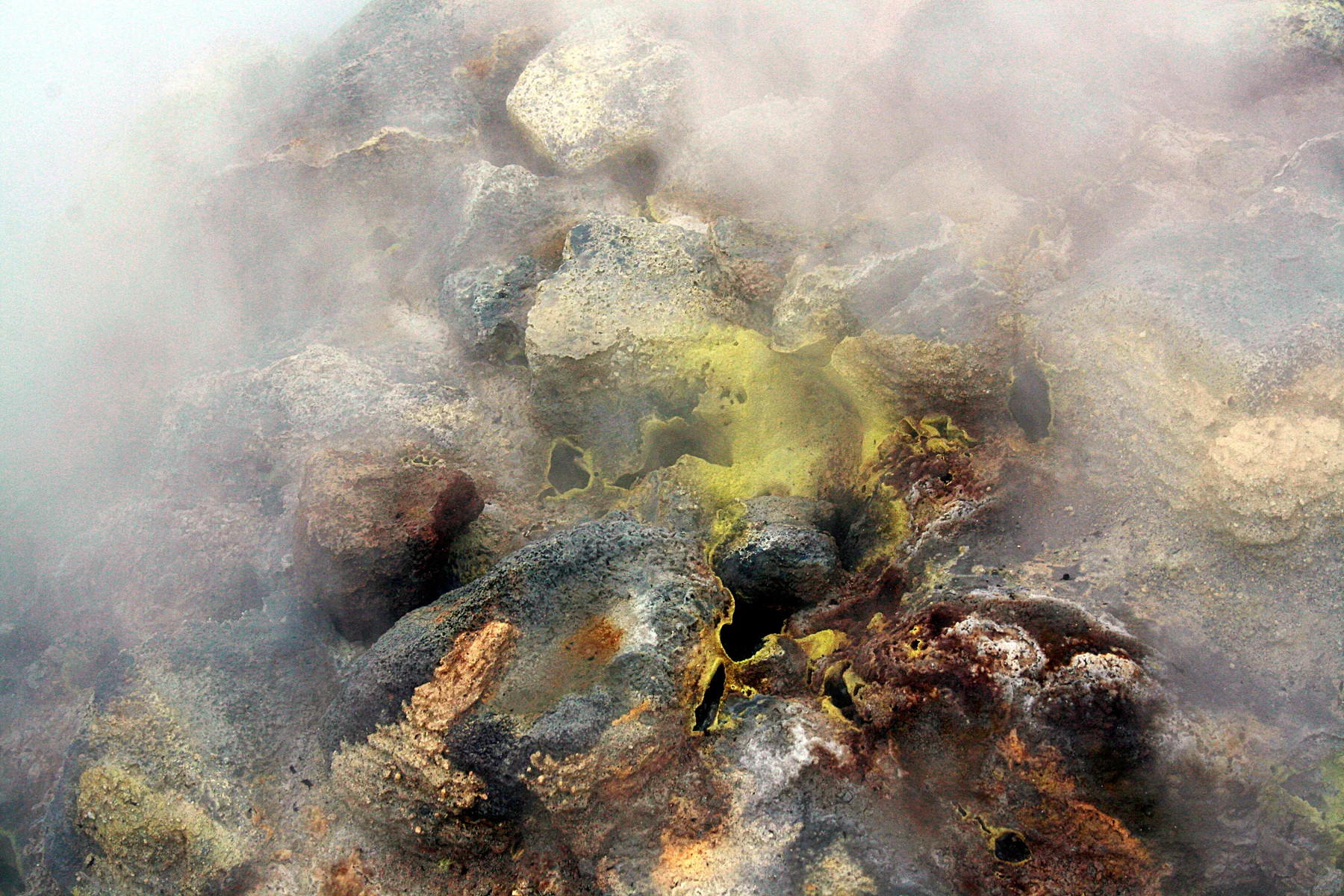
Gunnuhver suits a clear stop within a route. After parking, check the steam direction, follow the wooden rail to the main viewpoint and return to the car to organise your gear; 20 to 30 minutes is enough. If the wind is steady, stay a little longer: moving steam gives the scene more texture than a still mud pool.
On a departure day, you can travel from the Blue Lagoon towards Keflavík and place Gunnuhver before returning the car, but write fuel, luggage and airport transport into the same timetable. If your flight is in the evening, keep more than two hours of airport buffer even for a short stop; free entry does not mean you can arrive late for a flight.
For the order of airport accommodation and the Blue Lagoon, see the Keflavík and Reykjanes destination guide, then decide whether Gunnuhver belongs on your arrival day or as the final stop before departure.
Wind and sulphur change the experience quickly
Not everyone enjoys the smell of sulphur. When wind carries it from the hot area towards the path, it can last longer than expected; if a companion develops a headache or breathing discomfort, return to the entrance instead of pushing on. A mask may reduce the irritation, but it cannot replace distance and caution.
Steam can fog a camera lens. Keep a lens cloth in your coat pocket and let equipment adjust to the temperature change when moving from the car outdoors; for phone photography, use gloves thin enough to operate the screen. Do not seal a damp lens immediately after shooting: wipe it dry in the car first, then pack it away.
In winter, the boardwalk can ice over, so shorten your stride. Summer's long daylight gives you different colours in the early and late hours; during spring and autumn thaw, the ground is softer, and waterproof shoes make a short stop much more comfortable. In poor weather, Gunnuhver's shorter route is easier to complete than Seltún's longer loop.
Put the geothermal stop around the hard airport times
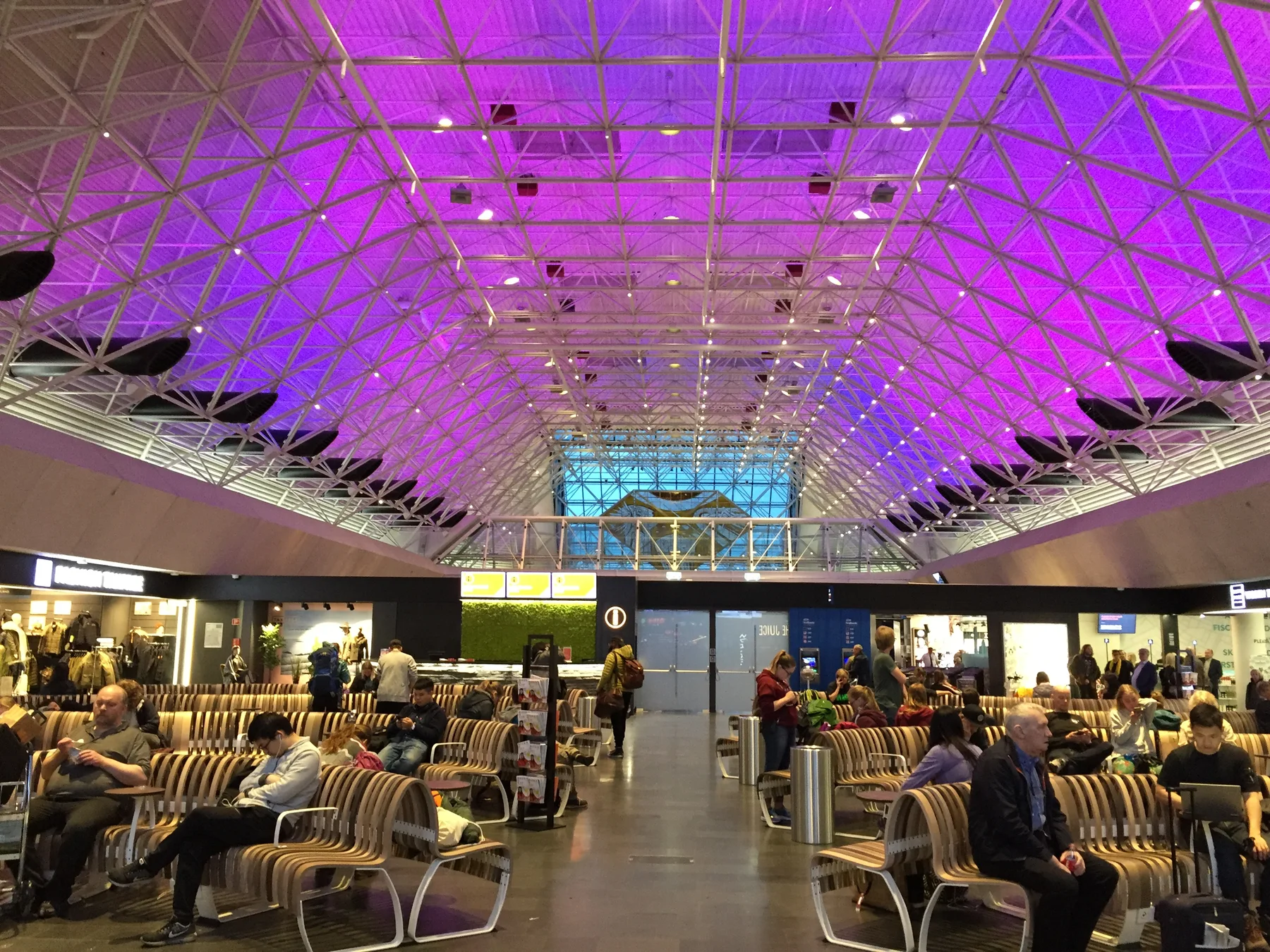
On arrival, you can leave your luggage at your accommodation after driving from the airport, then decide between Seltún and Gunnuhver. Geothermal ground is awkward with bags, and valuables should not be left on car seats. If you are staying in Keflavík that night, Gunnuhver can be a south-western short stop; if you are staying on the Reykjanes Peninsula, Seltún gives you time for the full walk.
The Blue Lagoon has a fixed booking time, while a geothermal stop can expand or contract. Lock in the Blue Lagoon or car return first, then put Seltún before it; Gunnuhver can be the final natural stop. If an activity runs late, removing Gunnuhver still leaves the main route intact, whereas removing the Blue Lagoon changes the day's structure.
If both geothermal areas are on the same day, allow at least half a day and include the roads and parking in your calculation. The two stops share steam and mud pools, but their terrain and time return differ; after the first, choose the second according to the wind and your energy rather than rushing to collect both names.
Photography and family pacing are separate questions
Seltún's layers of colour reward slower photography, while Gunnuhver's steam is easier to capture quickly. Children should stay with the railings throughout the visit; do not let them chase steam or cross the boundary. The platform can be windy, so secure hats and scarves first. After a short stop, leave a few minutes to wash your hands and brush mud from your shoes; the car will stay much cleaner.
Families can have one person remain near the entrance while others take turns reaching the platform. If an older traveller has knee trouble, the lower viewpoints at Seltún are enough; Gunnuhver involves less walking, but steam and slippery ground still need attention. The point is not to complete the most steps, but to give everyone a comfortable stretch of time to look.
The route decides the final choice
With 60 to 90 minutes and an interest in colour and terrain, choose Seltún; with only 20 to 30 minutes on a route linking the airport or Blue Lagoon, choose Gunnuhver. You can skip both if the day already contains fixed activities and a long drive; protect your airport and accommodation times first.
I would treat Seltún as a half-day experience and Gunnuhver as the short-stop fallback. Weather, wind and how your companions feel change each day, so deciding how far to walk in the final five minutes is perfectly reasonable. Reykjanes geothermal scenery will not lose its value because you missed one name; a well-paced day leaves room to notice the heat in the ground.
Before leaving, look at the map, car-return time and flight check-in together; the answer is usually clear. Seltún offers the stronger landscape return, while Gunnuhver offers the stronger time efficiency, and each serves a different kind of day.
The two geothermal areas also have different driving rhythms. Seltún is near a mountain pass, where you should watch for wet roads and standing water in the parking area; Gunnuhver is near the south-western tip and is easier to combine with the lighthouse, coast and airport direction. If you schedule a stop before returning the car, check that navigation is not sending you into a closed or roadwork section; an offline map can reduce an unexpected detour.
To put the geothermal area and other free sights on one day, set a fixed departure time first. If Seltún grows to an hour, remove the same amount of time from the next stop; an extra ten minutes at Gunnuhver usually affects only the next short stop. This comparison keeps a free attraction from making the timetable too tight.
If someone in your group is sensitive to the smell, agree in the car that turning back is always an option. Sulphur odour can strengthen suddenly with the wind, and brief discomfort is not a reason to finish the whole boardwalk. Divide the visit into the entrance, main platform and return to the car; any of those points can be the end.
When photographing, do not chase only the tallest steam column. Sunlight can outline steam in white, while overcast weather brings out the mud-pool colours; five minutes is enough to see the scene change. Keep both phone and camera charged, as cold drains batteries faster; before a departure, do not spend all your power at the first platform.
After leaving the Blue Lagoon, Gunnuhver can be a brief walk before returning the car in Keflavík; from the capital, Seltún can pair with the lake area and the southern coast. Look at where you are going next and the geothermal choice becomes much simpler.
Before leaving, put the flight, car-return time and next stop in one note. If Seltún has grown to an hour, remove the same time from the following stop; if the wind turns at Gunnuhver, the car is a safe place to end the visit. The route works when you can leave without chasing one more photograph.
Does the Reykjanes route fit?
Lock in the Blue Lagoon and flight, then choose the geothermal stop
Use your arrival day, departure day, wind and available time to plan Seltún or Gunnuhver.
Related reading
Start with the Keflavík and Reykjanes guide to understand the airport and Blue Lagoon locations, then choose your geothermal stop.
More reading
Seltún geothermal area, Blue Lagoon and Sky Lagoon and Blue Lagoon on a layover day can follow.
Q&A | Seltún and Gunnuhver
Which one is better with only half an hour?
Gunnuhver is compact and suits a short stop before the airport or Blue Lagoon.
Which has the more complete walk?
Seltún's boardwalk has more changes in elevation and layers of colour; allow 45 to 75 minutes.
Can I visit on a departure day?
Yes. Lock in your car-return and check-in buffer first, then place Gunnuhver as the final short stop.
References
- Visit Reykjanes: Seltún
- OpenStreetMap (map base layer)