
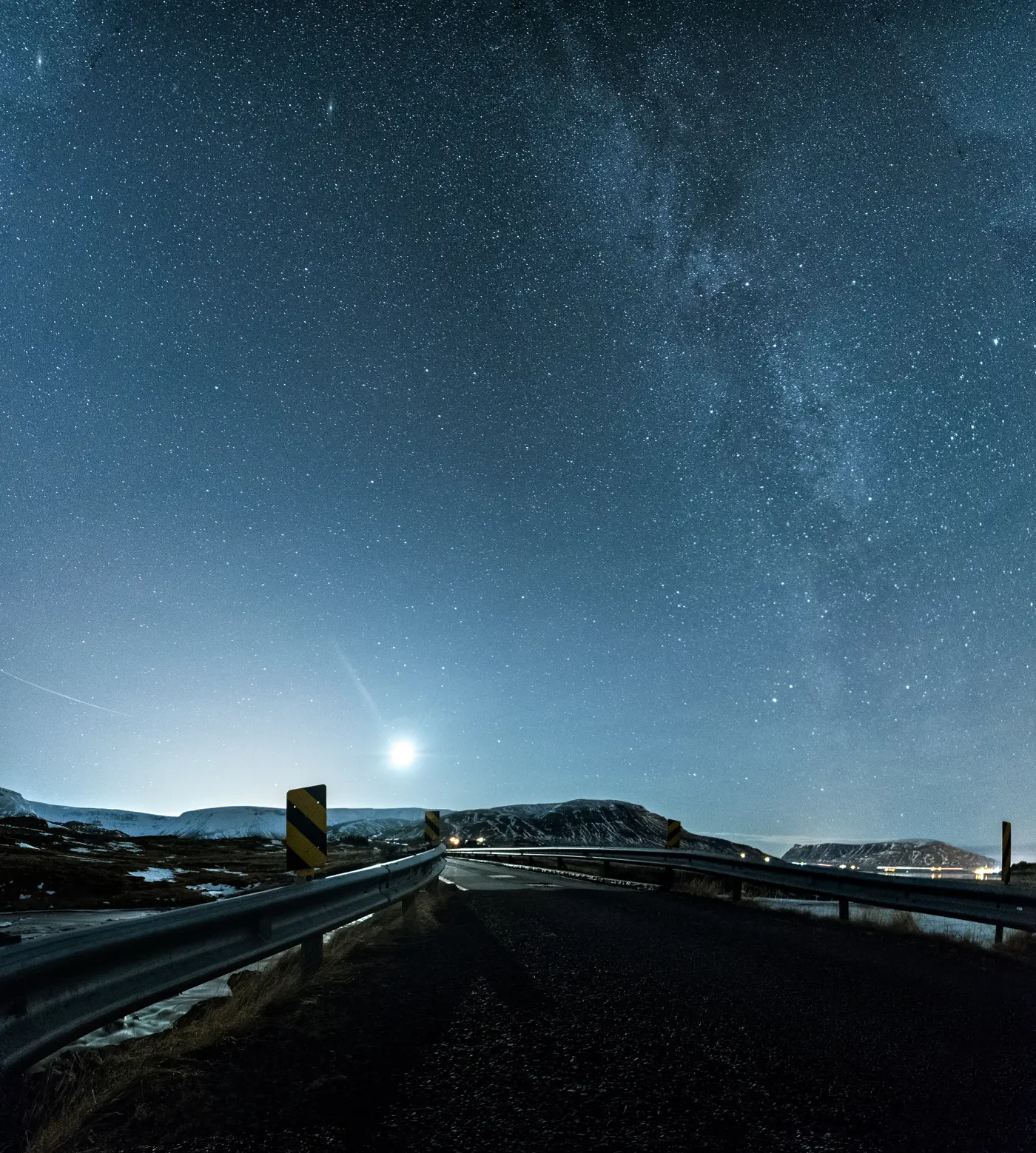
“A woman driving around Iceland on her own?” It may sound like praise, but it skips every practical preparation that matters. When the wind rises suddenly, the question is whether you can stop at the next safe place; when you reach a hotel late, it is whether the entrance, parking and self-check-in are already clear. Confidence comes from reducing avoidable last-minute tasks, not from passing a personality test.
Break “remote” into four separate burdens
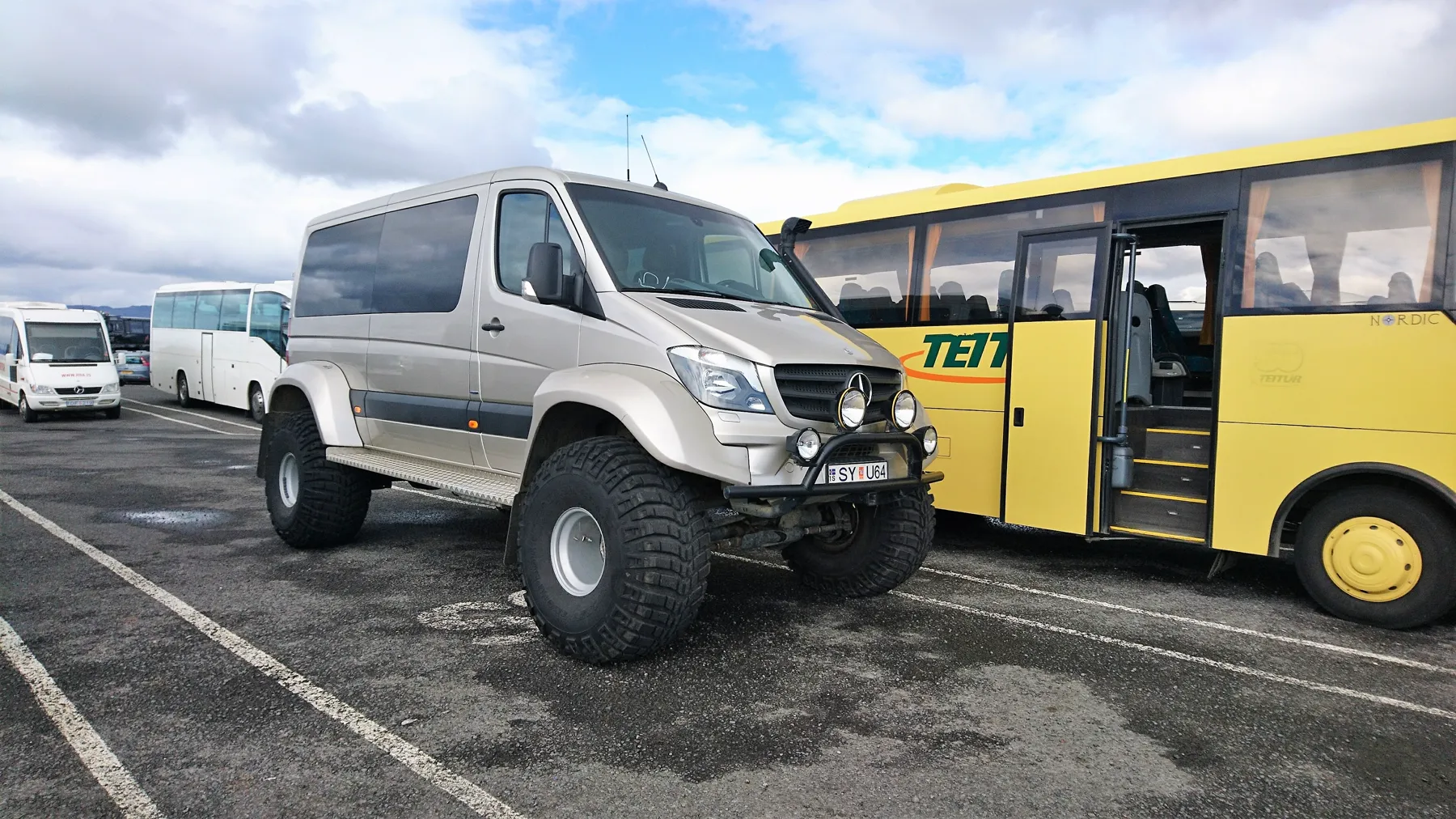
Remote on a map does not only mean distance. It can mean an unlit final kilometre, a valley with no coverage, no supplies after missing dinner, or a night-driving decision that still falls to you after an activity. Each burden needs its own response; “I have a four-wheel drive” does not settle the question.
| The remote situation | Check before leaving | Recoverable approach | Do not do first |
|---|---|---|---|
| Final kilometre at night | Entrance, lighting, parking, self-check-in and emergency contact | Arrive before sunset and save dinner and key details offline | Find a farm entrance for the first time after dark |
| Road with no coverage | Route, accommodation address, 112 and contact details | Share the plan before departure and check in at fixed coverage points | Treat live navigation as your only backup |
| Limited supplies | Fuel, charging, food, water and the nearest safe stopping place | Write the next fuel station and a simple dinner into the day plan | Keep driving to find a shop that has already closed |
| Long drive after an activity | Meeting/end time, energy and the next day’s base | Stay nearby for one night before or after the activity, or use a transfer | Assume you will feel refreshed once you get back to the car |
A useful practical boundaryIf finding the entrance, carrying luggage or dealing with a vehicle problem alone after dark already feels like too much, change the plan. Change the night to a town stay, arrive earlier, or have a companion get out first to check the entrance. That is sound route design.
ICENAVI REMOTE DRIVING · MARGIN FIT
How much room for manoeuvre remains at a remote stay?
This is a route-margin score, not an assessment of gender, personal security or a rental company. It combines finishing time, coverage and information, the accommodation entrance, a weather fallback and the cost of supplies; if any one item reaches zero, change the plan first.
Keep the furthest section in daylight and allow time for photographs, supplies and road changes; recalculate this item if you still have a night drive after the activity.
The address, entrance, road information, accommodation contact and 112 must be readable offline so you know what to do when coverage disappears; live navigation is not a complete backup.
Use a remote view for its quiet only after parking, the door, lighting, self-check-in and latest arrival time have been confirmed in writing.
A base near the main road, a consecutive-night option or an activity cancellation plan lets you finish early when wind or snow worsens; another remote sight is not a fallback.
Keep fuel, food, water, parking, luggage and vehicle photos in fixed places so one last-minute detour does not cancel out the room-rate difference of a remote stay.
Freedom does not mean completing every section yourself. It means still having an option that does not require you to push on when weather, coverage or energy changes.
Put the accommodation entrance back on the real map
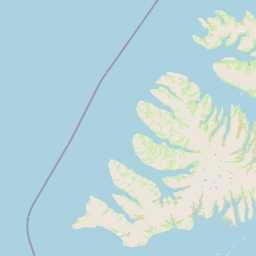
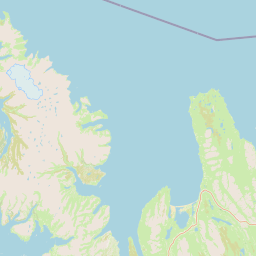
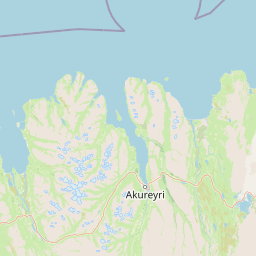
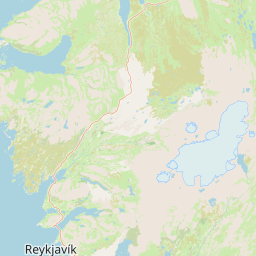
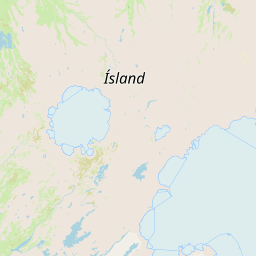
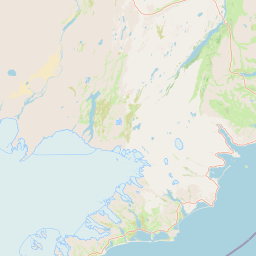
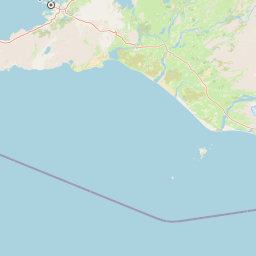
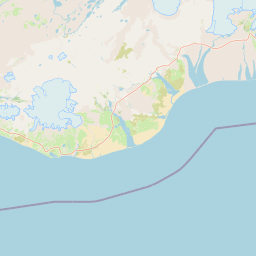
The map below uses public coordinates on a real OpenStreetMap base and marks Keflavík, Reykjavík, Vík, Akureyri and Húsavík. It is not a ranking of where women should stay; it is a reminder that first and last flights, the South Coast, northern activities and cross-region night driving each create different workloads. Decide which night needs town lights, restaurants and help nearby before trading that convenience for a remote view.
| Base | Problem it helps solve | Do not mistake it for | Fallback when weather worsens |
|---|---|---|---|
| Keflavík / Reykjanes | Late flight, early flight, returning the car, organising first-night information | Being near the airport means you can walk to every rental desk | Stay on the peninsula and cancel a long night drive and remote stay |
| Reykjavík | Supplies, restaurants, lighting, tour meeting points and online information | City parking is always easy or every meeting point is outside the hotel | Turn an outdoor day into a city day without moving rooms |
| Vík | Finish early after a South Coast transfer and continue east the next day | One night is enough to complete every sight between the South Coast and Jökulsárlón | Drop remote sights and keep town supplies and consecutive nights |
| Akureyri / Húsavík | Northern city supplies and sleep before and after a sea activity | Having enough energy to drive across regions at night after the activity | Reschedule the sea activity or stay in town instead of chasing another distant point |
Choose accommodation by the moment you reach the door
Hotel photos rarely tell you where the car goes, how you collect the key, whether the entrance is in another building or whether food is still available at night. Write these questions to the property before booking; an unclear answer means the plan is unfinished. A remote cabin, self-check-in or shared bathroom can look appealing in daylight and become a very different task when you are carrying luggage through wind to find the door.
| Accommodation location | Convenience you buy back | Responsibility you keep | Best for which night |
|---|---|---|---|
| City-centre hotel | Lights, restaurants, supermarkets and walking-distance help are closer together | Parking, noise and the distance from the car to the entrance with luggage | Late arrival, rest day or organising information |
| Town on the main road | Easier arrival, supplies and departure the next day | Fewer rooms and limited supply; dinner hours may be short | South Coast or northern transfer, the night before an activity |
| Remote cabin / farm | Quiet, low light pollution and scenery | The final kilometre, night lighting, food and coverage backup | Daylight arrival, food already bought and a willingness to stay consecutive nights |
The price gap at a remote stay often sits outside the room
A cheaper remote stay may move the cost into the tasks you must handle yourself. Those costs may not fit neatly into one number, but they directly change whether the room is worth it. If you need to collect a key in the dark, carry two bags alone and drive again for dinner, compare the view and quiet with that work.
| Hidden cost | How it appears | What the remote stay buys | Acceptable alternative |
|---|---|---|---|
| Final kilometre | Gravel road, no lighting, or an entrance different from the platform address | Scenery and low light pollution, with more work at the door | Stay on a town’s main road and make the scenery a daytime stop |
| Food and fuel | Dinner has closed and fuel is low, but you do not want another detour | Quiet and privacy, at the cost of shopping ahead | Stay in a town with supplies, where dinner is walkable or a short drive away |
| Coverage and contact | Only after arrival do you discover that the phone, map or self-check-in instructions will not load | Fewer interruptions, but a need for offline information and written contact | Choose a property with a staffed desk or details confirmed in advance |
| Luggage and parking | The car park is not by the door, or you must use a slope or another building | A larger room or a view, which may not make the arrival easier | Choose a room where the entrance and parking face the same way and luggage can roll to the door |
If you want to close the door and rest, start with solo travel safety in Iceland for offline information and finishing at night; if you need the room, parking and next drive on one map, hotel maps and daily routes address the question better than an average rating. The goal is to remove stays that create a fresh problem at the point when you are most tired.
Share the work; do not divide it only by who drives
With two people, work can include driving, navigation, vehicle photos, accommodation contact and offline information. When you travel alone, turn some of those jobs into fixed actions completed before departure. SafeTravel’s Travel Plan can tell a trusted person your route, vehicle and accommodation, but it only provides trip information; it does not replace a tracker or help at the scene. Stopping at a coverage point is the right moment to confirm the next section.
For F-roads, fording, winter wind and snow, or a long drive after an activity, put official road and weather pages on your phone and in an offline backup. Winter roads: Go / Hold / Stop turns “do not leave today” into an actionable answer; if you do not want to carry a remote activity alone, self-drive or a day tour lets you compare who handles driving, meeting points and the return. Letting someone else drive still leaves room for adventure; your attention can stay on what you came to see.
ICENAVI Remote Margin Score: how much choice remains?
I use five checks worth 0–2 points each. If any one is 0, change the plan or add the missing information; do not fill the gap with “it should be fine”. The score measures choices that can be recovered, not whether you are brave.
| Dimension | 2 points: ready | 1 point: still check | 0 points: stop and replan |
|---|---|---|---|
| Finishing time | Arrive before sunset or have clear lighting and entrance details | Only checked the navigation arrival time | A long night drive remains after the activity |
| Information | Address, contact, road details and 112 readable offline | Some screenshots but no version confirmed | Relying entirely on live coverage |
| Accommodation entrance | Parking, key, lighting and dinner confirmed in writing | Only saw room photographs | You would have to guess the entrance in the dark |
| Fallback | A town, consecutive nights or activity cancellation alternative exists | There is only another remote sight | One change would leave you with no option but to drive on |
| Responsibility | A companion or contact knows when and how you will report back | You only said “I’ll get in touch if needed” | No one knows your accommodation and route |
Do not look for a remote door at night, keep driving through wind and snow to complete a list, or treat declining an F-road as failure. Iceland will not deduct points because you skip a section; your energy and judgement are the equipment for the whole trip.
Final checks before departure: save the rental agreement, insurance, accommodation address, activity meeting point, road and weather pages offline; ask the property to confirm the entrance and parking; write down the latest point at which you will finish each day; then tell a trusted person your route and check-in time. If you want to prepare your phone, eSIM and no-coverage backup together, complete Iceland driving: coverage and offline backup before leaving, instead of trying to buy data on the road.
Related reading
Set the roads and accommodation entrance first
Solo travel safety and finishing at night in IcelandIceland hotel maps and daily routesWinter roads: Go / Hold / StopMore reading
Choose which sections you are comfortable driving alone
Iceland driving: coverage and offline backupSelf-drive or a day tourSafety decisions before leaving IcelandReferences
References
Roads, weather, accommodation, activities, coverage and availability change. The following sources were checked on 5 September 2026; check the latest official and supplier pages again before departure.
- SafeTravel Iceland: Travel Plan, road, weather and 112 safety information; the map on this page does not replace same-day judgement.
- Icelandic Road and Coastal Administration | umferdin.is: road conditions and closures; check the status for your departure date.
- Visit Iceland | The Ring Road: context for the scale of the roads; this article does not treat the Ring Road or F-roads as must-do routes.
- OpenStreetMap contributors: real base map and attribution for the five locations; the map compares geographic roles only.
- Hero image: Fernando Garcia / Wikimedia Commons, CC BY 3.0; this site only resizes, crops and converts it to WebP. The photograph illustrates night roads, reflective posts and headlight scale; it does not represent current road, visibility, wind or safety conditions.
This is an L1 solo-driving decision entry with no unverified transaction CTA. Protect finishing time, the accommodation entrance, offline information and a fallback before moving into rental-car, accommodation or activity pages.
Q&A | Ask before you leave
Should I avoid remote accommodation entirely when driving alone?
No, but write down the final arrival, parking, coverage, fuel and backup accommodation plan. A property whose entrance or late-arrival arrangements cannot be confirmed is not worth choosing just because it is cheaper.
If there is still light at night, can I keep driving?
Bright summer nights do not remove limits set by roads or your mental state. Set a daily finish time first, then adjust it for weather, road conditions and the next safe stopping place.