
ICENAVI SOLO FIT · SAFETY MARGIN
Before travelling alone, keep five ways out available
This is a planning score for solo itineraries, not a rating of public safety, roads or any supplier. Timetables, signal coverage, reception hours, weather, cancellations and road conditions change by date; recheck official and confirmed information before departure.
When the entrance, reception hours, transfer drop-off, luggage route and self-check-in instructions are clear, the final eight minutes after a late flight do not become a guessing game.
A hire car, bus and day tour each exchange freedom for fixed commitments. A real backup means knowing what you will do after a missed departure, fatigue or changing road conditions.
Keep the accommodation address, meeting point, phone numbers, 112, insurance information and one trusted contact in more than one place. An eSIM helps only where coverage exists; it cannot replace offline records.
Northern lights, dinner and night photography should not push you into longer driving on reflective roads when tired. A firm latest return point matters more than proving you had to see the sky that night.
Activities in Húsavík, Mývatn and Jökulsárlón may be affected by boat schedules, weather or meeting arrangements. You have a fallback when cancellation still leaves accommodation, supplies and a clear direction for the next day.
Solo travel stays flexible when the accommodation entrance and offline information are ready. Remote days, late finishes and fixed activity dates need one version you can remove.
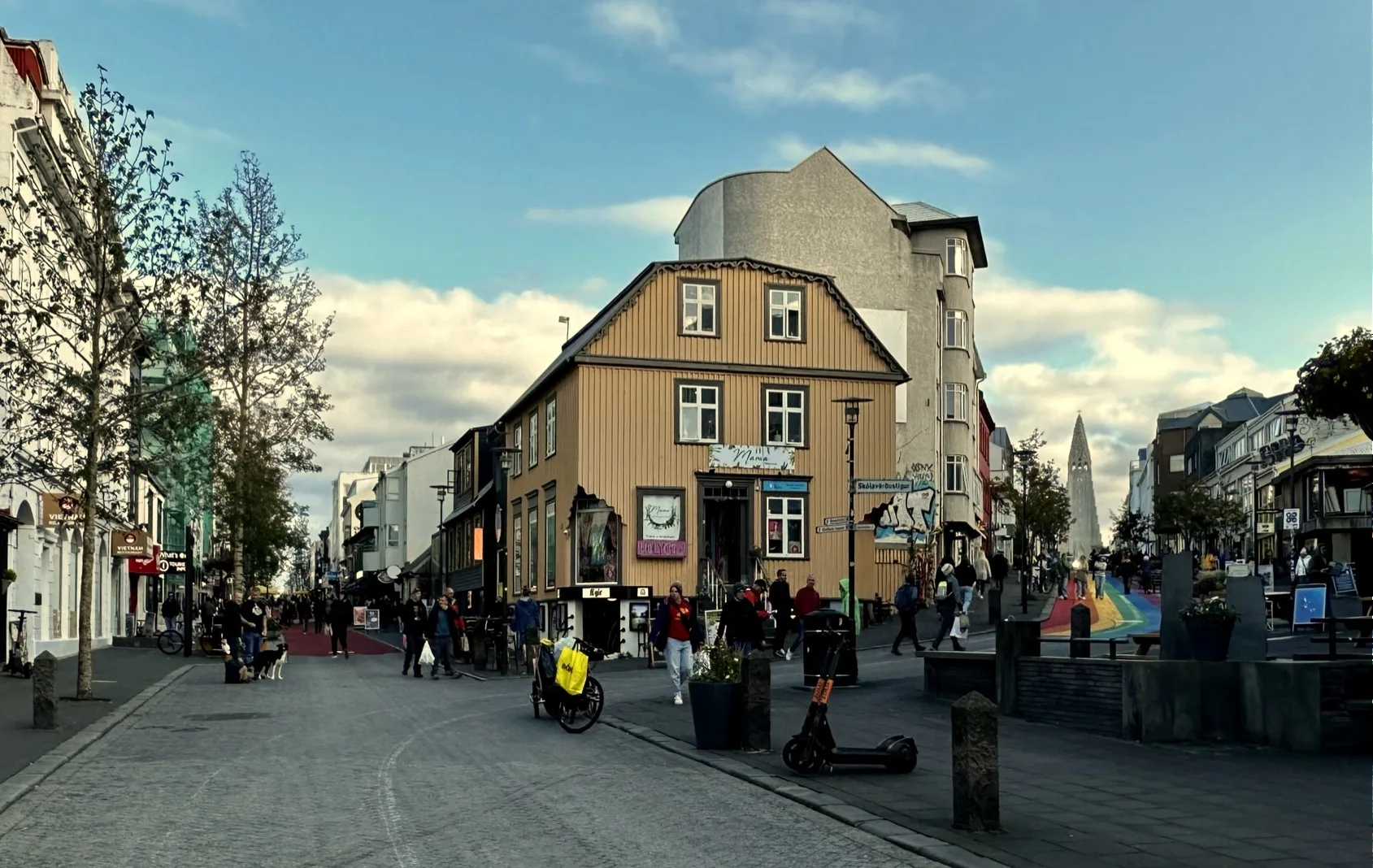
When you are pulling a suitcase through an unfamiliar street, the difficult part is often not the distance but not knowing whether the right door is around the next corner. A map may say eight minutes, yet a wrong exit, wet paving and a bag of supplies can make those eight minutes feel substantial. The first safety decision of a solo trip is not which anti-theft bag to buy. It is whether the final stretch after getting off your transport belongs in your accommodation choice.
Do not choose accommodation by its rating alone: inspect the final steps back to your room
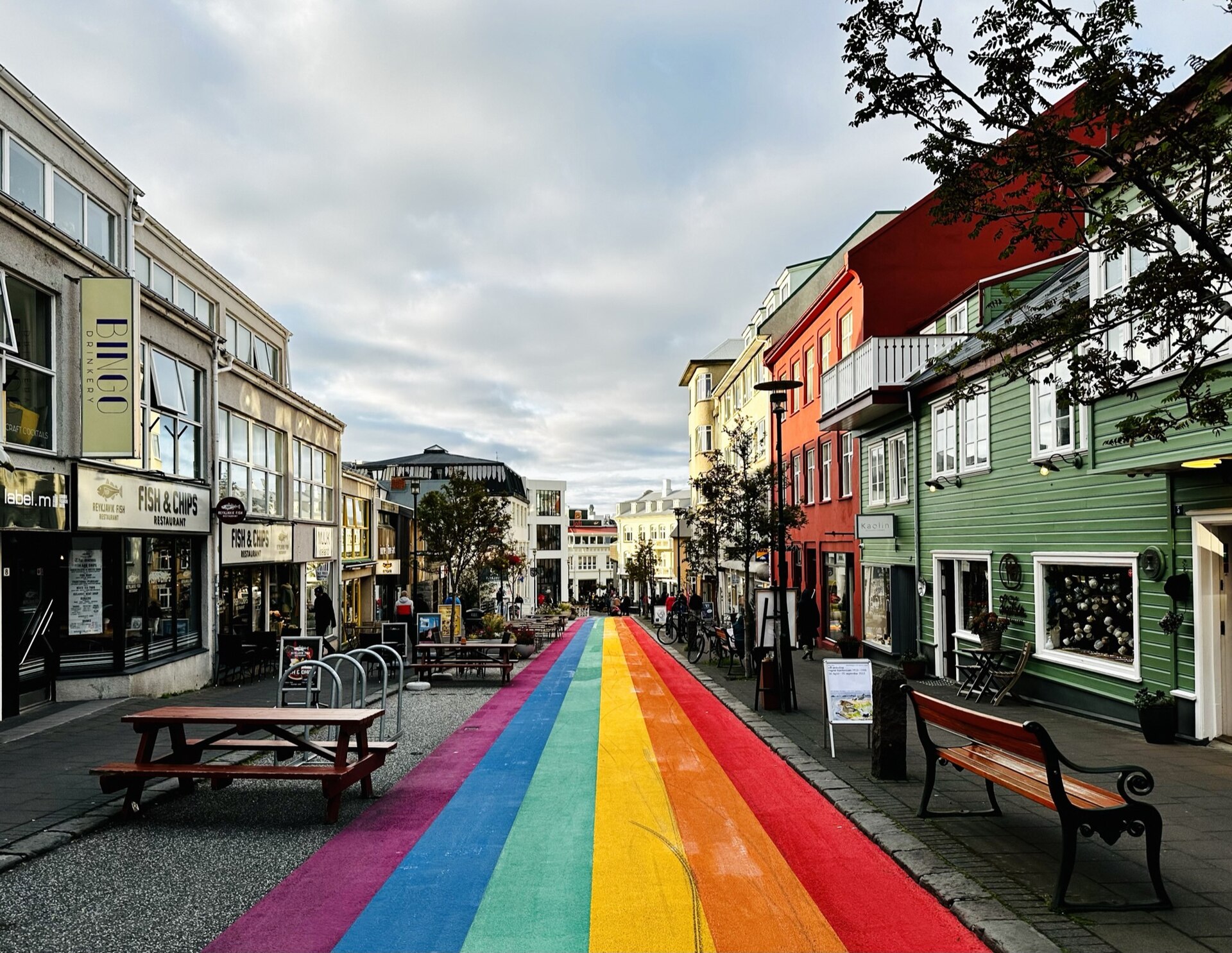
Look at a hotel, guesthouse or apartment at street level. Check the entrance, lighting, reception hours, lift or stairs, and how late arrivals work. Central Reykjavík makes it easy to connect dinner, bus stops and indoor activities on foot, but central accommodation may involve trade-offs around parking and noise. KEF or Keflavík can suit the first or final night, yet you cannot assume every property offers the same late-night transfer. The useful question is not whether a city is automatically safe or a rural area automatically risky. It is whether you know which stretch you will walk after getting off at 11 p.m.
| Accommodation situation | Information to verify first | What you must not assume | Backup I would keep |
|---|---|---|---|
| Late arrival at KEF | Transfer or bus drop-off point, latest check-in and luggage route | “Near the airport” means walkable or staffed around the clock | Write down how to report a delayed flight and one alternative check-in time |
| Walking back alone after dinner downtown | Entrance location, street lighting, door security and reception arrangements | Straight-line distance feels the same as the actual walk | Use one short route from the restaurant and return earlier if needed |
| One night at a remote base | Nearest supplies, signal coverage, parking, check-out and the first stop tomorrow | Having a car means you can always get back to a city | Offline maps, the accommodation phone number and a half-day that avoids a long drive |
| Self-check-in apartment | When the access code arrives, entrance instructions and a contact if you lose connection | An automated email means someone will be there in person | Save the messages offline and confirm the response deadline before arrival |
The core of solo transport planning: do not make the only option happen when you are most tired
Driving gives you freedom, but it also puts judgement, navigation, parking and incident handling on one person. A bus or day tour removes the driving responsibility, yet brings fixed meeting points and waiting if you miss the departure. Neither is automatically safer. The real question is whether you can complete the next step when you are tired, facing wind and rain, or using a phone with no battery. If you plan to hire a car, read offline maps and contact backups when there is no signal before deciding on your driving days. Signal should not be treated as a permanent co-driver.
When taking a coach or tour bus, save the exact stop name, walking directions and latest check-in time; “central pickup” is not enough. Some accommodation requires a walk to the assigned stop, and pickup times can change with the day’s route. If you are unsure about a meeting point, the activity meeting-point guide separates the practical responsibilities at Reykjavík, BSÍ, Silfra, Jökulsárlón and Húsavík. Asking once is far easier than pulling luggage with one hand while enlarging a map at night.
Five bases on the map, five different kinds of solo-travel work
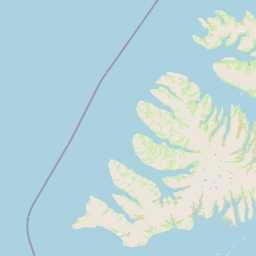
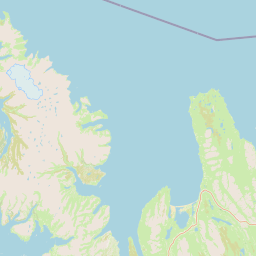
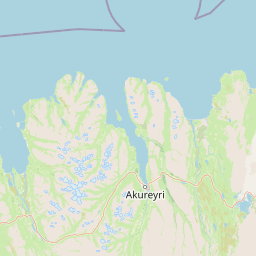
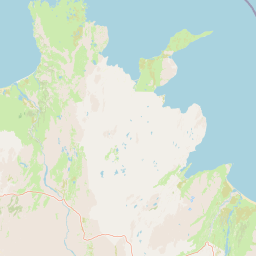
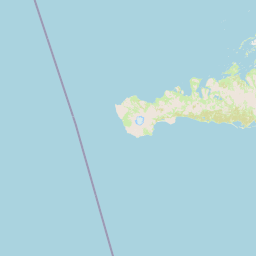
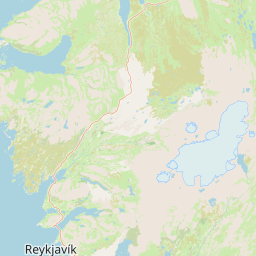
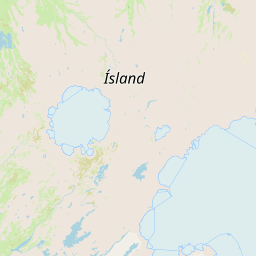
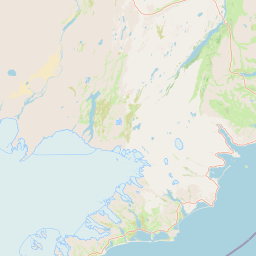
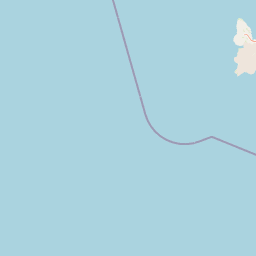
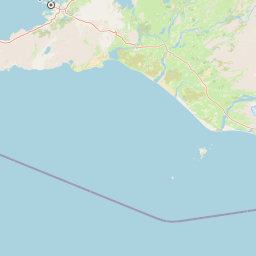
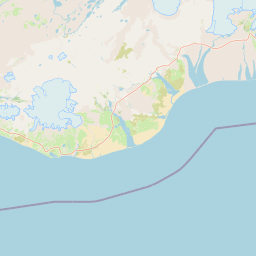
Reykjavík works well for concentrating city days, indoor alternatives and transport information. KEF and Keflavík are arrival and departure points, not automatically a restful overnight. Vík links South Coast sights with the next day east, but offers fewer evening choices than the capital. Húsavík and Mývatn are bases for northern activities; when boat schedules or roads change, distance becomes a direct responsibility for your time. The real OpenStreetMap figure below marks these working locations only. It does not provide navigation, current road conditions or a safety guarantee.
Plan the evening by separating “I want to see the northern lights” from “I must get back to my room”
Northern lights, night photography and dinner can all tempt you to finish later than planned. When driving alone, do not use daytime confidence to estimate a night road; wind, snow, reflective surfaces and fatigue can arrive together. If you book a northern lights tour, check the meeting point and return arrangement first. If you chase the lights by car, write down your latest return point and the base you will drive straight back to when the clouds close in. The difference between a northern lights tour and self-driving is not which feels more romantic. It is who carries responsibility for that stretch of road at night.
Night-time does not mean staying inside the accommodation. In the city, choose a short walk, a public pool or an earlier dinner. At a remote base, treat “we did not see them” as a normal outcome and keep a hot drink, charged devices and tomorrow’s clothing ready. You do not have to prove that travelling alone means filling every evening.
SafeTravel, an eSIM and someone you trust: three tools with three separate jobs
SafeTravel’s Travel Plan uses your route, vehicle, next accommodation and contact information so someone you trust can understand where you expect to be. It is not automatic tracking and does not replace emergency services. An eSIM helps you obtain road and supplier updates where coverage exists; it cannot guarantee signal in the Highlands, a canyon or along the coast. The third tool is a fixed check-in rule: for example, send one message when leaving a remote base, one on reaching the next accommodation and one after cancelling an activity. Say who should contact the accommodation or official services if you miss the agreed time.
ICENAVI Solo Margin Score: it measures your room to adapt, not your bravery
I use five dimensions, each scored from 0 to 2, to assess solo-travel margin. A high total means you still have choices when one person has to handle a change. A low score does not mean you cannot leave; it means that day should not take on another fixed commitment. If either communication or the end-of-day return point scores 0, I change the plan first rather than filling the gap with confidence.
| Dimension | 2 points: enough margin | 1 point: leave room | 0 points: rearrange first |
|---|---|---|---|
| Accommodation entrance | Arrival method, entrance and reception have been checked | One item is still awaiting confirmation | Late arrival with no usable contact method |
| Transport version | The trade-offs between driving, bus and tour are clear | Missing it means waiting for the next departure | The trip cannot be completed if the only option fails |
| Communication | A trusted person knows the base and check-in time | You saved only the accommodation phone number | Everyone knows only the approximate city |
| Energy | A full rest period follows the longest stretch | A night activity is joined to a long transfer | The itinerary depends on you already being exhausted |
| Offline capability | Maps, addresses, documents and battery are usable offline | Some information still depends on the network | A dead phone or lost signal leaves no next step |
Ask yourself these five questions before departure and before finishing each day
- After getting off tonight, can I reach my room without searching again?
- If the activity is cancelled, do I still have an afternoon that does not require a long drive?
- Does the next person who knows my location have a specific accommodation and date, or only a city name?
- Have I put the final stretch and tomorrow morning’s first fixed point into the same itinerary?
- If my phone, car or body stops cooperating, which option can I give up first?
If Reykjavík is your base, start with the Reykjavík destination guide before deciding how far your accommodation should be from the centre and harbour. If your first night is near KEF or you have an early flight, continue with Keflavík and Reykjanes. Travelling alone does not mean solving every part of the evening without help. A well-built route has the next phone number, map and bed ready when you need them.
ICENAVI · SOLO MARGIN
Safety is not about shrinking the world; it is about being able to do one less thing when you need to.
Set up the accommodation entrance, transport backup, offline information and check-in rule before adding night views, remote sights and activities. A mature solo itinerary leaves room for you to stop trying to prove you can manage everything alone.
RELATED READING
Your next decision: which stretch should become easier to complete?
Reykjavík: a city base with indoor alternativesKeflavík and Reykjanes: separating first and final nightsActivity meeting points: where to stay so you do not miss the departureMORE READING
Connect solo travel with roads and activities
Iceland safety information: a five-minute pre-departure checkDriving with phone coverage gaps: your offline backupNorthern lights tour or self-drive?Driving eSIMs and offline backupsQ&A | What should I write down first when travelling alone in Iceland?
Is Iceland unsuitable for solo driving?
You can drive alone, but write down the latest return point, accommodation entrance, road fallback and check-in plan for each day. When fatigue or weather changes, you should be able to remove the furthest stretch.
What matters most when there is no signal?
Offline maps, the accommodation address, supplier phone numbers, emergency information and one person who knows your dates and bases. An eSIM can improve connectivity but cannot replace offline files.
Should I drive a long distance immediately after a late flight?
That depends on the car-pickup process, your alertness, the roads and the accommodation entrance. If the only option is tired driving in the dark, staying near the airport or in Keflavík usually preserves more choices for the next day.
References
The following sources were checked on 5 September 2026. Roads, transfers, accommodation, activities, signal and safety information change; revisit the original pages before departure.
- SafeTravel Iceland: Travel plan (the purpose and limits of route, vehicle, contact and next-accommodation information).
- SafeTravel Iceland (entry point for road, weather and current safety information).
- Visit Reykjavík: Medical assistance (medical-help background, notes for non-EEA travellers and the 112 emergency number).
- Strætó (Icelandic public bus routes and timetable entry point; check actual stops and times by date).
- OpenStreetMap contributors (the basemap and public location data for the five-point solo base map in this article).
- Wikimedia Commons: Laugavegur and Skólavörðustígur; this site uses the image only with resizing and cropping to show the walking scale around Reykjavík streets and accommodation entrances. It does not represent current crowds, lighting or safety conditions.

This article is a framework for solo itinerary planning and information backups, not a guarantee of personal safety, medical care, roads or security. In an emergency, follow local official instructions. Accommodation, transfers, activities, roads and signal conditions must be confirmed through official information and supplier notices for your departure date.