
ICENAVI VALUE PROTECTION · TRIP BUDGET
Does the saving preserve your options?
The scores consider time and distance, accommodation location, vehicle fit, weather fallback, activity cancellation and payment or contract risk. They do not rate hotel, car-hire or activity prices. Recalculate actual costs for your dates, terms, vehicle group and departure-day information.
The lowest room rate or daily hire price is only a starting point. What you are protecting is the ability to change route, rest and keep the next night when weather shifts.
Only when you count detours, parking searches, luggage handling and late arrival risk can you tell whether a free attraction really saves money.
City-centre parking or a cancellable room may preserve the room to handle a late arrival, rain or a rescheduled activity without a long detour.
Compare the smallest car, a full-trip hire and driving yourself to the meeting point alongside luggage, season, insurance, fuel and driver energy.
Choose one paid experience that genuinely matters, then leave room for a free base day or a changeable activity. A supplier refund does not automatically replace accommodation or a full day.
Save screenshots of non-refundable terms, minimum cover, excesses and supplier conditions. A small saving is not worth locking in the largest possible loss.
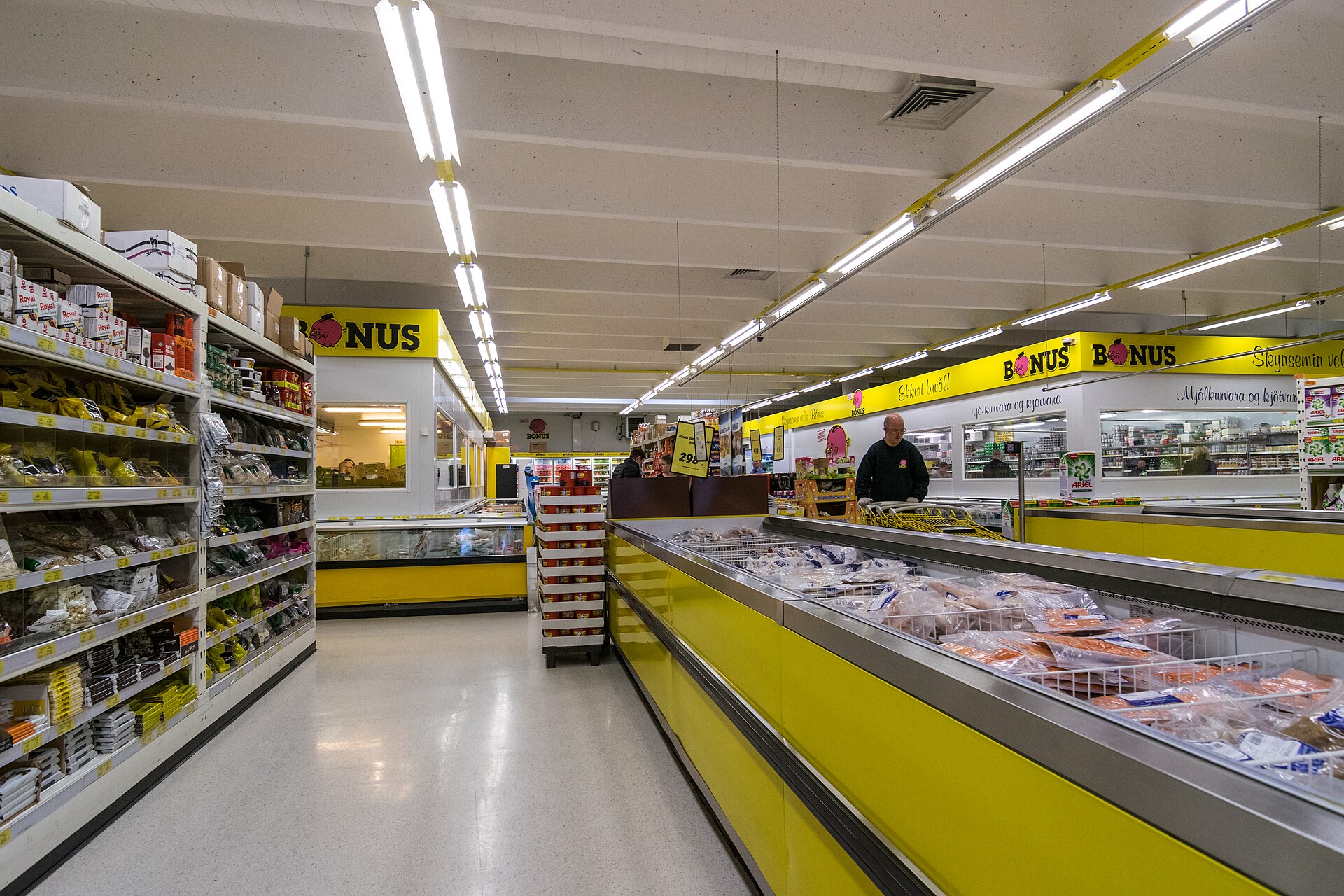
A yellow supermarket sign can make “we will cook for ourselves” sound like an easy saving. At nine in the evening, the car is outside the accommodation, the bags hold bread, cheese and uncooked pasta, and everyone wants a shower; the kitchen is in another building, so you buy hot food anyway. Saving money is not about rejecting restaurants or deleting every paid activity. It is about knowing which payment saves time and which one merely hands the work to tomorrow.
Separate the account first: did you spend money, or preserve choice?
Sorting trip costs by whether they can be recovered is more useful than simply listing accommodation, transport and activities. A remote non-refundable stay is a high lock-in cost; a cancellable room costs more cash but buys route flexibility. City-centre parking is an obvious expense, yet it may save a parking search, luggage carrying and a night detour. Write down what each payment is solving for you.
| Cost layer | Typical examples | What cutting it may cost | My call |
|---|---|---|---|
| Safety baseline | Contract-compliant vehicle, suitable tyres, required equipment, emergency transport | You may take on personal, vehicle-damage or breach-of-contract liability | Do not replace official limits with a discount; keep it |
| Fixed lock-in | Non-refundable room, timed activity, non-changeable transfer | The right to change route when weather or roads change | Use only for a true anchor you cannot miss |
| Friction cost | Long detours, parking, extra fuel, luggage moves, waiting | Usable time each day and the group's energy | Count total time before comparing headline prices |
| Recoverable flexibility | Cancellable room, changeable activity, a half-day kept at base | An alternative exit when plans change | It may not be cheapest, but it reduces regret |
| Pure want | A second similar spa, a photo detour, a duplicate scenic room | A pleasant idea that does not change the route | Cut this first, not safety or rest |
The easiest cost to miss is the blank distance on the map
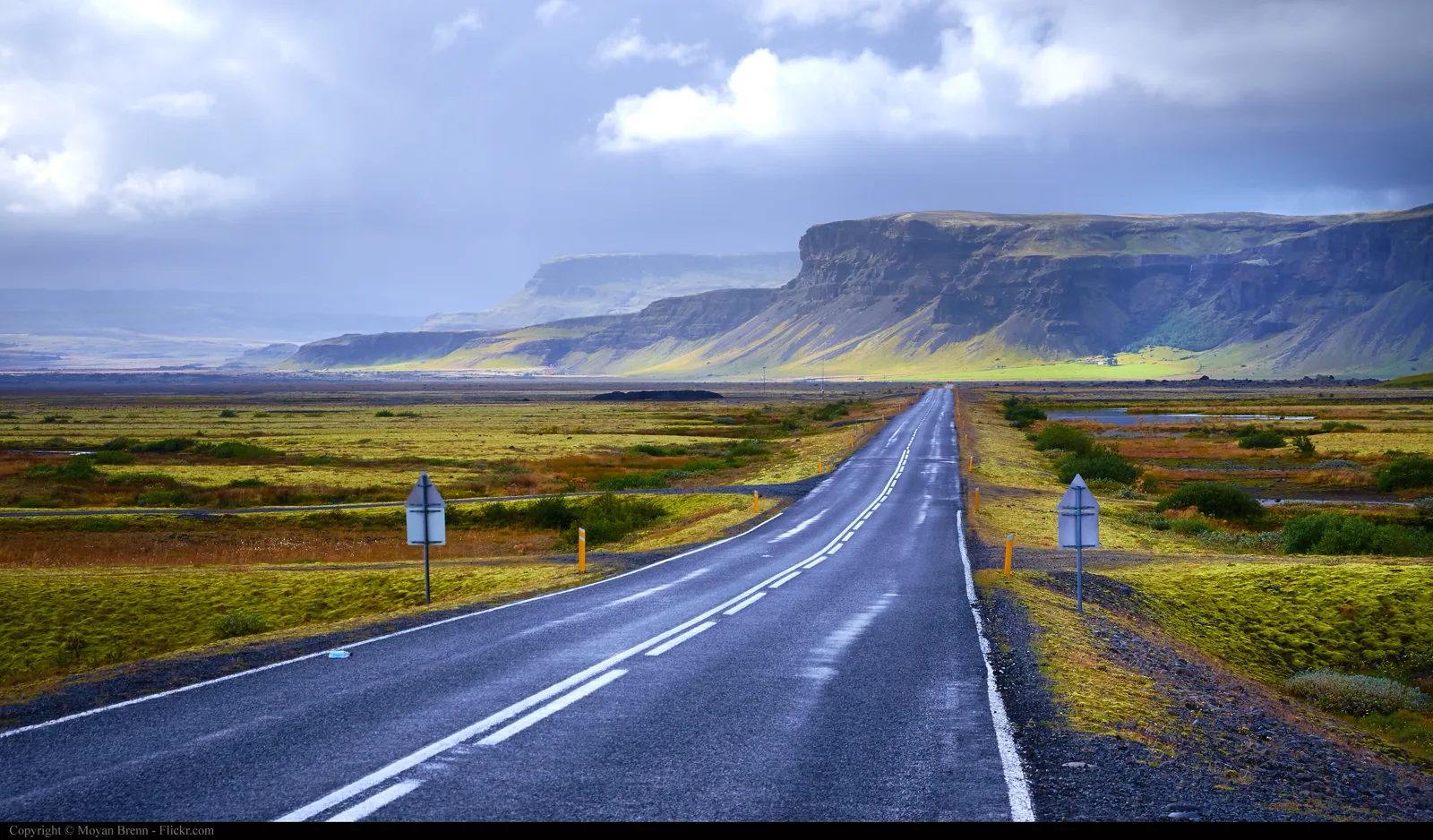
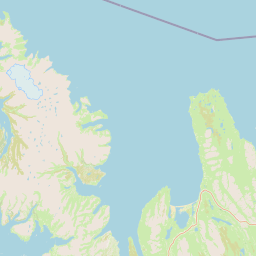
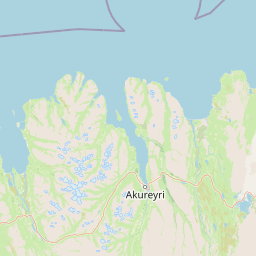
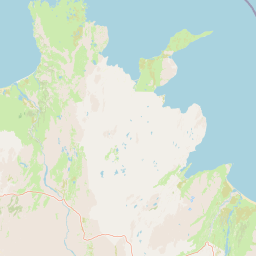
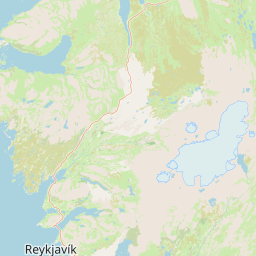
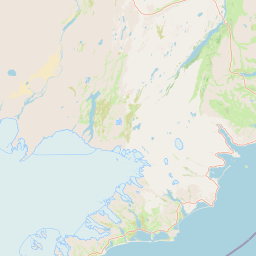
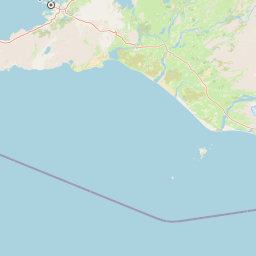
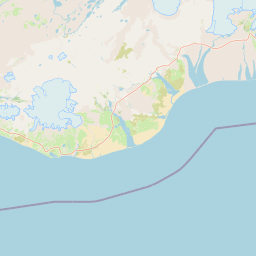
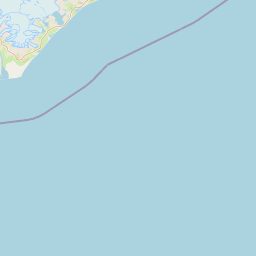
Saving decisions are deeply geographical. Buying supplies and collecting the car at KEF are one arrival task; Reykjavík parking and walking shape a city stay; the hot river at Hveragerði is free, but it still has walking and weather costs; remote accommodation in Vík or Mývatn can turn “free” into fuel and time once you drive back for one attraction. This map uses a real OpenStreetMap base to show the roles of supplies, parking, free nature and remote bases. It does not draw a fictional route or promise that any shop is open today.

Accommodation: change “cheaper per night” into “what does this night complete?”
A more distant stay may have a lower room rate but add driving every day. A city-centre room may charge for parking but save the search, luggage carrying and mental effort of driving again after dinner. When I compare accommodation, I put four extra columns beside the rate: time to the next fixed point, parking and transport, late-arrival risk, and cancellation deadline. A low rate is genuinely low cost only when all four work.
For a two-night stay, I would not pay much extra for a pool. If the more expensive room lets the group stay put in wind and rain, or avoid moving after a cancellation, it buys flexibility rather than just a facility. Conversely, if you leave early and return late, a scenic room and spa may exist only on the booking page. Start with Iceland hotel mapping: putting location back into each day, then use peak-season non-refundable versus cancellable rates to see what freedom you are paying for. If you plan to wait until departure to book, the low-season last-minute flexibility score includes driving, meals and the check-in window alongside the lower room rate.
Self-drive: the cheapest car is not always the cheapest day
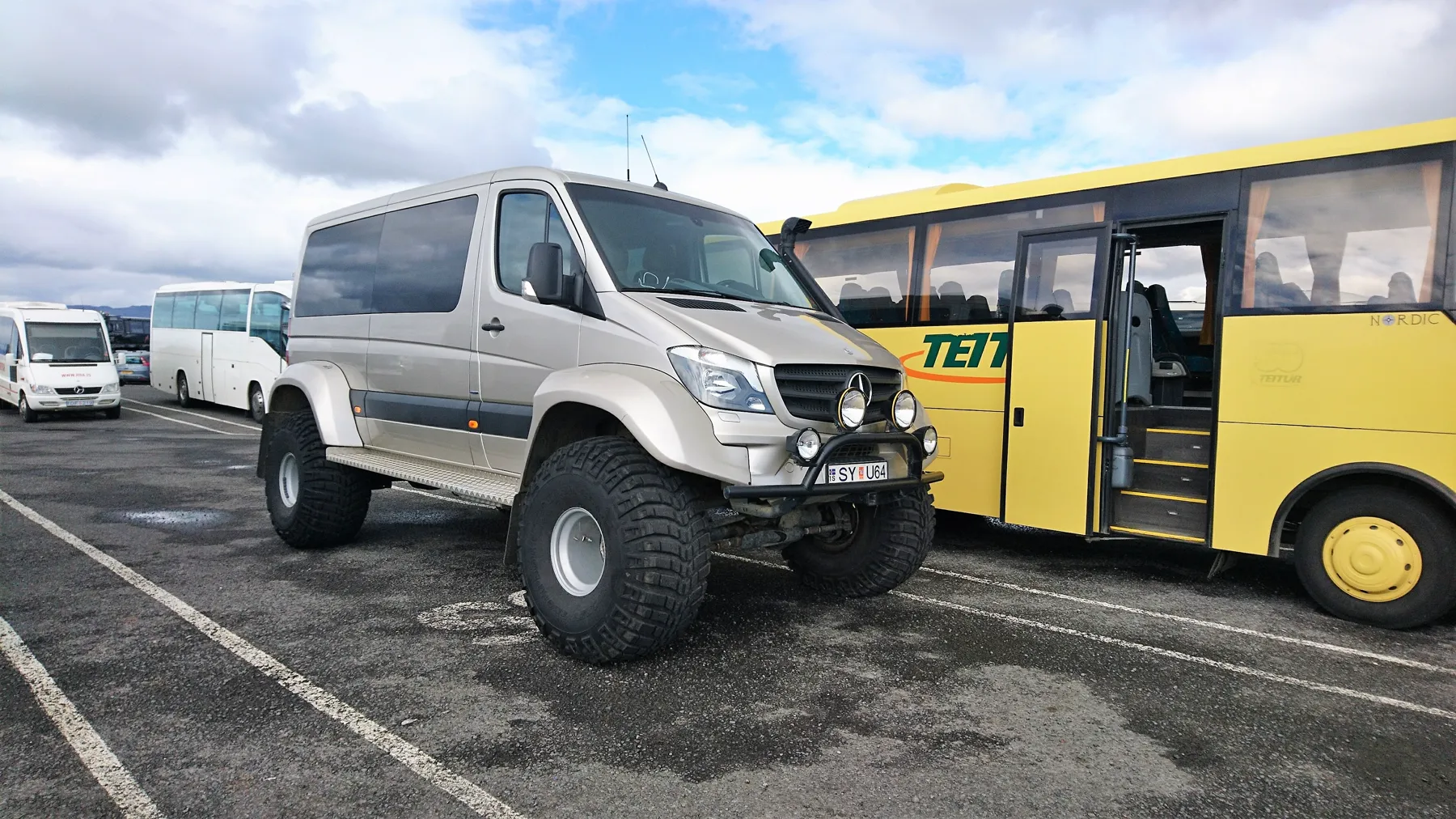
Add insurance, excess, fuel, mileage fees (where the contract lists them), parking, an additional driver and “one extra night to avoid driving after dark” to the hire quote. If you will stay in Reykjavík, a full-trip hire may not pay off. If you are heading to the South Coast, compare the day tour's transfer arrangements, tour price and accommodation direction in one cost view. The point is not to tell everyone to hire a car or everyone to join a tour; it is to stop one daily rate deciding the whole trip.
| What you want to save | Headline approach | Cost that may return | Ask yourself first |
|---|---|---|---|
| Daily car-hire rate | Hire the smallest car for the whole trip | Luggage, winter vehicle, contract limits and an extra day | Does the vehicle really fit the route, season and luggage? |
| Parking | Stay farther out or avoid a car park | Searching, walking, a post-dinner detour and luggage hauling | Am I saving a fee or handing the work to my companions? |
| Activity transfer | Drive yourself to the meeting point | Getting lost, early parking, lateness and a long return after cancellation | Are the meeting point and next night's stay in the same direction? |
| Insurance / cover | Choose only the lowest add-on | High excess, road exclusions and cash pressure after an incident | Have I read the limits and exclusions for each incident? |
If you are still comparing vehicles, the complete Iceland self-drive budget breakdown puts hire, fuel, mileage, parking and insurance in one cost account. If the contract small print worries you, the four-box travel insurance decision page separates personal medical cover, cancellation/interruption, rental damage and activity refunds. They fill different gaps; do not add them up into an imaginary “all-in” promise.
Food and activities: protect one evening that is worth paying for
Supermarket supplies help when you have a kitchen, enough time and companions willing to prepare food. If you will spend the day in the car or your accommodation has no kitchen, buying too much creates waste. Split food into “eat in the car”, “simple breakfast at the stay” and “one meal we genuinely want to sit down for”. Do not save one meal by making everyone search for food at the most exhausted point of the day. Shops, petrol stations and accommodation are not always in the same place; checking their positions before departure is often cheaper than a dinner-time detour.
The same applies to activities. I would choose one paid experience that genuinely changes the trip, then use free nature, a city walk or a public pool for the rest. Two similar spas may be less valuable than an afternoon at base. A paid attraction aligned with the existing route can cost less overall than a free attraction that needs a dedicated return drive. When a reader has not chosen a theme yet, an activity CTA should lead to the order for booking Iceland activities, not an immediate payment prompted by urgency wording.
ICENAVI Value Protection Score: did the saving push the risk back onto you?
I use five categories, each scored from 0 to 2, to test how well a money-saving plan protects you. A higher score means the plan keeps safety, time and route-changing room after the saving. A low score does not automatically make it wrong; it tells you what you are exchanging for the discount. Any plan that scores 0 on the safety baseline should not be disguised by high scores elsewhere.
| Dimension | 2: strong protection | 1: leave room | 0: stop first |
|---|---|---|---|
| Safety | Vehicle, road, equipment and same-day information agree | One point still needs supplier confirmation | A discount is being used to justify an official or contract restriction |
| Time | Fewer room moves, fewer detours and a buffer at the meeting | One daily wait or parking task is uncounted | The saving removes tomorrow morning's fallback |
| Flexibility | Cancellable, changeable or based at one place | Only one part of the plan can change | All accommodation, activities and transport are non-refundable |
| Group load | Someone owns cooking, luggage and driving duties | The saving work sits with one person | The cheapest version depends on fatigue and silence |
| Evidence | Price, terms, parking and road sources are saved | Half the plan relies on an old article or hearsay | There is no document to challenge after payment |
24 hours before departure: find three places where money is leaking
- Write down every fixed time tomorrow: flight, activity meeting, car return and check-in. Add parking, walking and luggage time beside each one.
- Add four columns beside every night: cancellation deadline, breakfast, parking and next-day direction. Do not sort by room rate alone.
- Question the three things you want to cut: will they add driving, break a contract, make companions do more work or remove an exit if the weather worsens?
- Keep one experience you most want to pay for; mark the rest as free or changeable versions for now.
- Save the card pre-authorisation, fuel, mileage fees and activity refund rules in an offline file every companion can open.
For a final check, start with the sample seven-day Iceland self-drive budget for two and replace it with your dates, vehicle and stays. If roads or weather change, use the five-minute pre-departure safety check to decide which money to let go. Saving money does not mean preserving every line; it means the worst day does not take the direction out of the whole trip.
ICENAVI · VALUE CHECK
The cheapest choice is the one you can still manage when something goes wrong.
Protect safety, sleep and the next fixed time first. Then use accommodation location, supplies, parking and activity order to find the real savings. When a payment buys the right to change route, it is more than an expense.
Related reading
Your next decision: which line should you calculate first?
Iceland trip budget: a complete seven-day self-drive breakdown for twoIceland self-drive budget: hire, insurance, fuel and parkingIceland hotel map: putting location back into each dayMore reading
After saving, keep the fallback that matters
Iceland travel insurance: weather cancellation, car hire and medical coverThe order for booking Iceland activitiesThe five-minute pre-departure safety checkReykjavík: city base and parkingReferences
References
These sources were checked on 5 September 2026. Prices, parking, opening hours, roads, activities and accommodation terms change; check the original pages again for your dates.
- Visit Iceland: Planning a trip to Iceland (planning background and official information gateway).
- Reykjavík Parking Service: Obligation to pay (P1–P4 parking areas, charging periods and the priority of signs on site).
- SafeTravel Iceland: Highland driving (F-roads, water crossings, vehicles and the boundaries of safe travel).
- SafeTravel Iceland (road, weather and same-day safety information gateway).
- OpenStreetMap contributors (base map and public location data for the five-point cost-friction map in this article).
- Ralf Roletschek / Wikimedia Commons: Bónus Keflavík, used under GFDL 1.2; photographed in 2017. The site only resizes and crops the image to explain a supply scenario; it does not represent current prices, stock or opening hours.

This is a travel-cost and itinerary decision framework, not a price promise or a rental, insurance or safety guarantee. For same-day roads, parking, opening hours, product availability and terms, follow official information and the documents shown at payment.
Q&A: ask these questions before departure
Which Iceland cost should you not cut?
Do not cut a cost that would force you onward when roads are closed, the driver is tired or there is no fallback, such as safe accommodation, enough fuel and changeable transport.
Are supermarket supplies always cheaper than a restaurant?
Count the drive, cooking equipment, shopping time and food waste together. If buying cheaper ingredients requires a detour, the saving may not exist.