
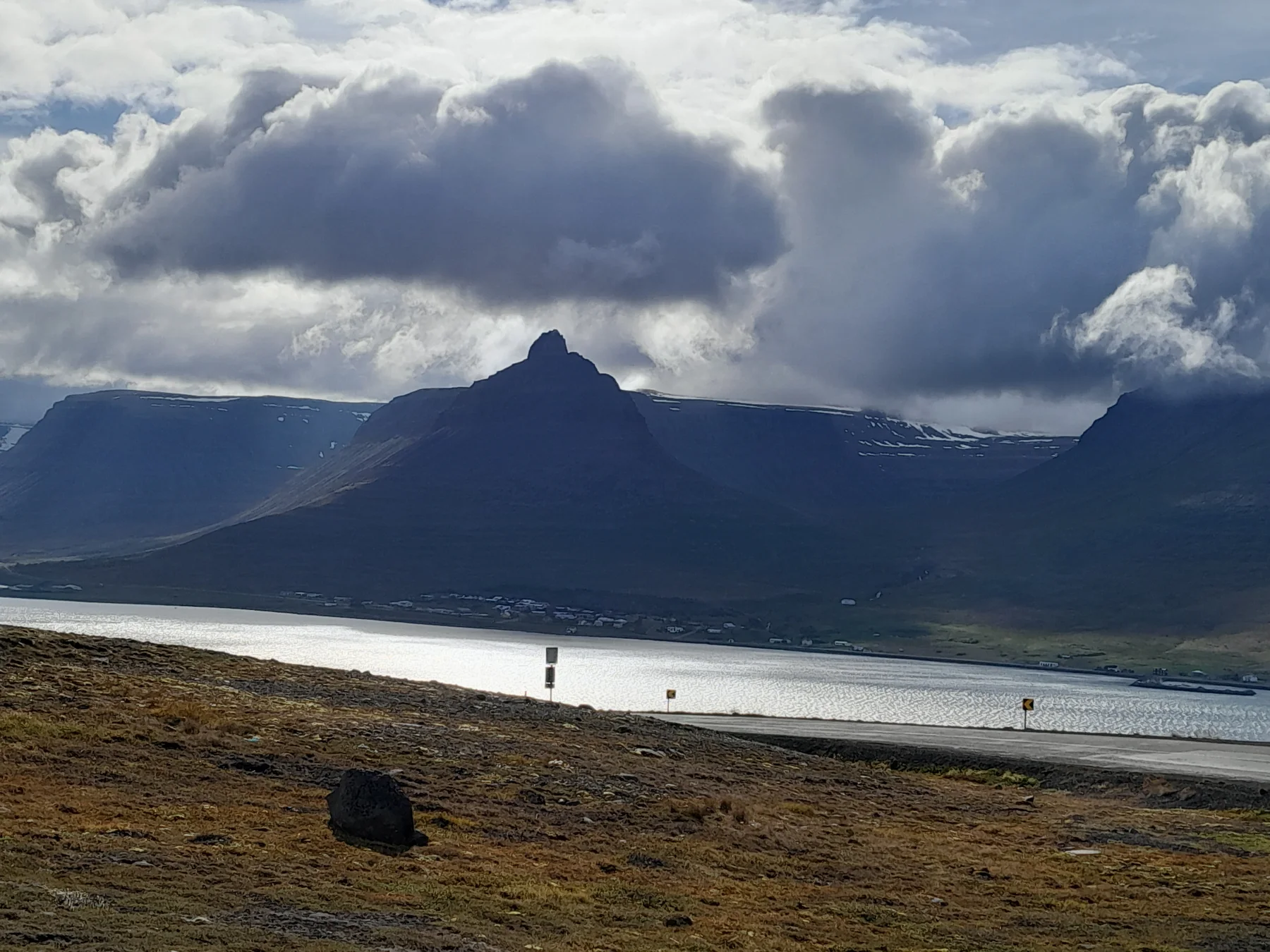
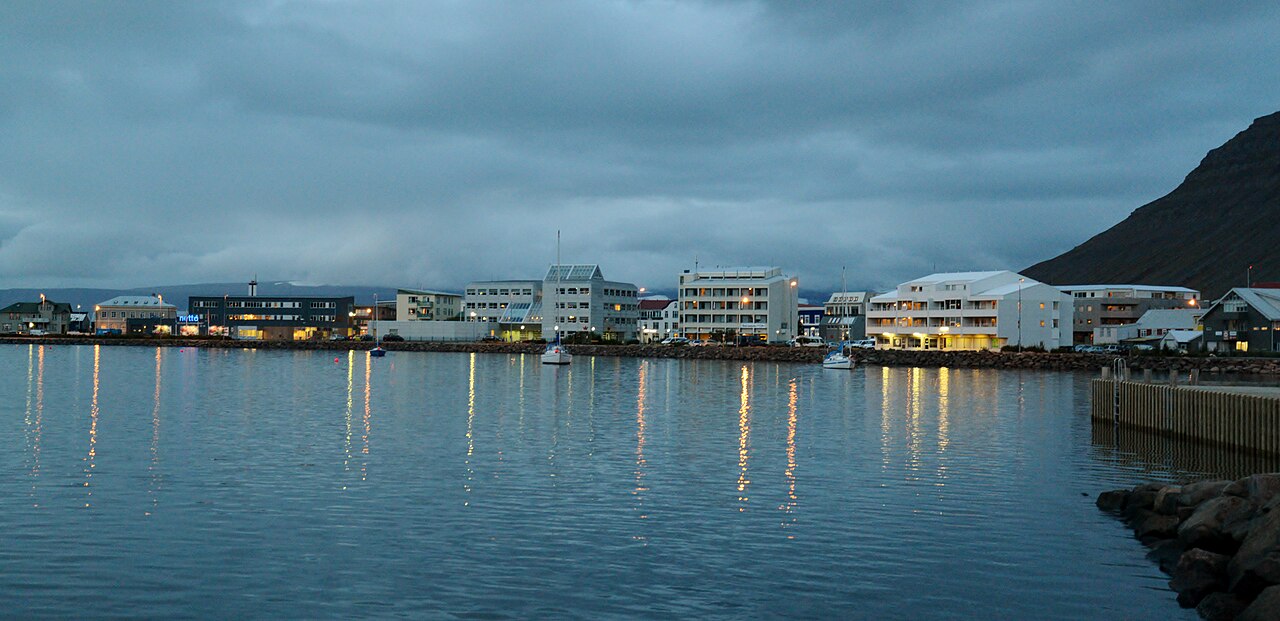
The real winter cost of the Westfjords is daylight broken into fragments
In mid-December, Reykjavík sees sunrise at about 10:45 and sunset at about 15:45, while useful light in Westfjords valleys is shorter still. Daylight gradually returns in February, but fog, snow and crosswinds at the passes on Route 60 can still reduce average speed. Navigation may show roughly four to five hours from Borgarnes to Ísafjörður, but that is a theoretical time with no stops, ice or waiting; in winter I would add one to two hours and include fuelling, toilets, checking the lights and finding the accommodation entrance.
Luggage magnifies delays as well. With two large cases in the boot, you may have to open the tailgate to retrieve snow boots; every transfer in wind and snow brings more damp into the car. If the room is uphill from a gravel car park, the first priority on a late arrival is not a scenic photograph but carrying documents, medication, chargers and dry bags inside. When choosing accommodation, confirm the night entrance, whether the parking area is cleared, the latest check-in time and how to make contact without a signal.
Southern or northern entry: do not treat the two approaches as one road
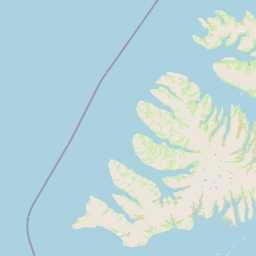
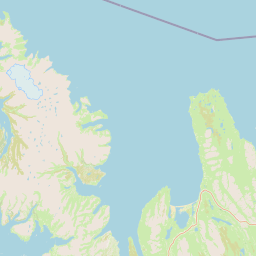
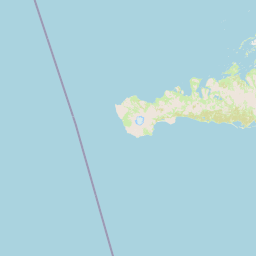
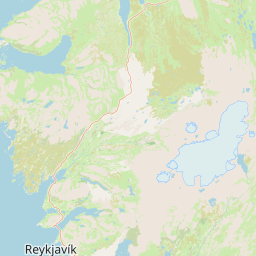 Brjánslækur
Baldur / southern entry
Dynjandi
Route 60 / Route 622 spur
Ísafjörður
Northern base / Route 61
Patreksfjörður
Southern accommodation
Brjánslækur
Baldur / southern entry
Dynjandi
Route 60 / Route 622 spur
Ísafjörður
Northern base / Route 61
Patreksfjörður
Southern accommodation
The southern approach usually runs from Stykkishólmur on the Baldur ferry to Brjánslækur. Allow at least one hour for vehicle check-in, queuing and reorganising luggage after disembarking; when the sailing changes, staying near the ferry entrance the night before is safer than turning back after watching the sunset in Patreksfjörður. From the north, Route 1 leads to Route 61 via Hólmavík and into the fjords. The benefit is avoiding a fixed sailing, but the trade-off is a long mountain-road section and having to wait on the eastern side if it closes. For either approach, book the first night with cancellation flexibility; a map that appears to form a loop is not proof that you can complete it clockwise.
Three winter versions: choose by nights, not by the number of sights
| Nights available | Suggested structure | What stays | What you clearly drop |
|---|---|---|---|
| 2–3 nights | Skip the Westfjords and do Snæfellsnes or the South Coast instead | More supplies and alternative accommodation | Do not gamble on a mountain pass for one waterfall |
| 4–5 nights | Stay two nights in Ísafjörður and go south only in good weather | City, fjords and a fixed activity | Látrabjarg and the red beach on the same day |
| 6–8 nights | Two nights entering from the south, one day for Dynjandi and two nights in the north | Ferry, waterfall and city supplies | Chasing every headland spur |
The key to the four-to-five-night version is staying put. With two nights in Ísafjörður, you can shorten the first day if Route 61 is slow; the following day can then be assigned to Bolungarvík or Súðavík after checking the weather. Put activities in the middle of the trip, not on the evening of a long arrival drive. If an activity has a fixed meeting time, such as check-in at the harbour at 08:30, test the walk or drive from the accommodation to the meeting point, and include breakfast opening time in the itinerary.
Six to eight nights is the point at which southern spurs become realistic. The drive from Patreksfjörður to Látrabjarg requires a long period of slow driving, and winter services on Routes 612 and 614 are limited; outside the seabird season, the value of a viewpoint drops quickly if wind and snow hide the cliffs. Put Dynjandi on a flexible day. The walk from the car park to the base of the waterfall takes about 15–30 minutes, and wet snow calls for shoes with good grip. If Ísafjörður is the destination that night, allow a practical driving window of more than three hours; if the weather worsens, stop early in Þingeyri or nearby.
Road-condition decisions: four signals mean you should not set out
I reduce the road decision to four checks: is the road status permissive, could the wind make the car door unsafe, is visibility good enough to read the bends, and will there still be daylight before you reach the accommodation? If any one check fails, delay; if two fail, move to a safer base. On winter pass sections of Route 60 especially, recalculating navigation will not find a safe place to stop or turn around. Before leaving, screenshot the nearest fuel station, supermarket, medical point and next cancellable room, then save them offline.
The rental agreement matters just as much. Four-wheel drive improves traction when starting and climbing, but it cannot cancel ice, crosswinds or a wrong route; F-road restrictions do not disappear because the vehicle sits higher. Read the car-rental insurance and roadside assistance page, then use the Iceland road-condition checking process to verify the day’s information. If the forecast shows evening ice, leave the car at accommodation with lighting and check again in the morning before continuing.
Accommodation, activities and money: keep options you can recover
The higher price of remote winter accommodation often buys distance from the main road, an earlier check-in and someone who answers the phone. If only a non-refundable room remains, ask: if the road closes, can I move to Hólmavík or Ísafjörður? If not, that room rate has locked in the weather risk. Start with the Westfjords accommodation-base comparison, then compare the total cost of Patreksfjörður, Ísafjörður and the ferry entrance; the full budget includes the vehicle space on the ferry, fuel, meals and a possible extra night as well as the room.
Activity payments need an exit route too. Winter seas and roads can cancel boat trips, whale watching or cave activities, so confirm the rescheduling window, refund method, meeting address and latest check-in time. A short stop at Dynjandi is free, and there is no reason to force the walk because you have already driven nearby. For checked Westfjords activities, continue with the Dynjandi stop decision and the Flatey ferry plan.
Winter routes should break each section into hours rather than saying only “head north in the morning”. From Reykjavík, allow 45 minutes to leave the city and refuel, then schedule breaks in two-hour sections; each section should have at least one legal stopping place for changing drivers, getting water and hanging up wet gloves. Once you enter the Westfjords, the bends in the fjords make actual time more important than mileage. If snow is forecast between Hólmavík and Ísafjörður, I would turn the map’s original three-hour estimate into a five-hour working window and finish the longest section before 15:00. Arrange dinner, laundry and charging near the room so you do not have to drive a mountain road at night for one bag of food.
The southern headlands have a different rhythm. Even when Látrabjarg looks close to Patreksfjörður, snow on Route 612, sea wind or passing traffic can stretch the drive. After parking, a 30-to-60-minute walk along the cliffs calls for wind trousers, a headlamp, spare batteries and a hot drink kept by the car door; do not leave every bag in the vehicle, because remote places do not offer quick replacement shopping. Rauðasandur depends on the tide and wind. Low winter sun changes the colour of the beach, but it cannot guarantee a full view of the coast on every visit. If the weather turns, returning to Patreksfjörður for food and a room is a complete day, not a failed substitute.
On a ferry day, time the vehicle and the people separately. A Baldur ticket covers only the sea crossing; after arriving at Brjánslækur, you still need to disembark, rearrange luggage, confirm phone reception and find a toilet before starting Route 60. If someone in the group is a child, an older traveller or prone to seasickness, keep breakfast and motion-sickness medicine beside the seat rather than at the bottom of the boot. If the sailing is delayed, check the next cancellable accommodation and the road status first, then decide whether to continue towards Dynjandi or stay near the entrance; a paid ferry ticket is not a reason to force the original sightseeing plan.
The choice between a city base and a remote base also changes activity costs. Ísafjörður has restaurants, supermarkets, a swimming pool and more indoor alternatives, so it suits a fixed whale-watching, museum or skiing activity in the middle of the trip; Patreksfjörður is closer to the southern headlands, but opening days and supply hours need checking first. If an activity meets at 08:00, confirm parking, the walking entrance, equipment collection and late-arrival rules the night before; “city-centre meeting point” does not prove that a vehicle can collect you outside the hotel. Break the activity cost into the ticket, return fuel, parking, warm clothing and an accommodation night after a cancellation to see whether one experience is worth using the Westfjords’ only good-weather window.
I would keep two versions for every night: the planned room and the recoverable room. The planned room is near the next sight; the recoverable room is in a town with a supermarket, fuel, medical care and signal. When Route 60 closes, reorder the trip using Route 61’s status and the nights available; when the wind rises, replace a trail with a pool, museum or early check-in. This may cost a little more in cancellation-flexible rates, but it avoids paying for a non-refundable room after a reroute and an activity you can no longer use. In a winter budget, one spare night is a road tool, not accidental waste.
Before parking for the day, complete a small check: is there enough fuel to reach the next station, has the screen wash frozen, are the phone and camera charged, and are all coats dry? Write down the first safe stopping place for tomorrow and tell everyone that a change in road colour means turning around immediately. These steps can save time otherwise lost at night to a wrong entrance, a tailgate opened in the wind or an argument over direction at a pass without signal. The Westfjords are worth visiting only when everyone knows when to stop, when to turn back and which night can still be rebooked.
If you are carrying camera equipment, keep batteries and memory cards in an insulated bag inside the car, and take out the tripod only at a safe stopping place; in strong coastal wind, do not set equipment up beside the road. These details directly affect how long you can stay and whether you make the accommodation’s check-in window.
Put the timing, road and equipment information in one itinerary so everyone can agree quickly on turning back when the weather changes.
Do the road direction and number of nights now fit?
Using the same dates, number of guests and room type, compare cancellation terms, breakfast, parking and total price at three Westfjords bases. These links open accommodation searches; they do not guarantee road access or activities.
Checklist for the 48 hours before departure
- Screenshot the road status for Routes 60, 61, 62, 612 and 614, and note the update time.
- Check winter sunrise and sunset, and place the final mountain-road section while there is still daylight.
- Confirm the accommodation entrance, parking, latest check-in, breakfast and cancellation deadline.
- Confirm the meeting address, cancellation/rescheduling, equipment and date-change options with the activity operator.
- Check the tyres, heating, screen wash, charging cables, offline maps and the location of a full tank.
- Keep passports, medication, dry clothes, food, water and warm layers where they can be reached inside the car.
The final decision is simple: can you accept completing only one sight today and still regard the trip as successful? If not, a winter Westfjords route will turn every change of plan into a sense of failure. If you can split coast, waterfall and city across different days, accept one extra night and skip one spur, the route has enough room for Iceland’s actual weather.
Q&A | What to settle before driving the Westfjords in winter
Are three nights in December enough to make the Westfjords worthwhile?
I would not recommend it. Short daylight and mountain-pass conditions leave almost no recovery time over three nights; Snæfellsnes or the South Coast offers more accommodation and road alternatives.
Can four-wheel drive solve winter roads in the Westfjords?
No. Four-wheel drive changes traction, but it cannot guarantee an open road, visibility, braking distance or that the rental agreement permits a particular road.
What should I do if the Baldur ferry is cancelled?
Contact the ferry company first, then use cancellable accommodation to switch the entry to Hólmavík and Route 61; do not continue towards the southern spurs until the alternative road status is confirmed.
References | Sources and limitations
- Umferðin / road.is: road status, closures and update times; recheck for the departure date.
- Icelandic Met Office: wind, snowfall, warnings and visibility.
- SafeTravel Iceland: travel-safety advice and trip registration.
- Sæferðir: Baldur ferry timetable and vehicle rules; recheck when dates change.
- OpenStreetMap contributors: base map for the location graphic, not navigation.
This article was compiled from publicly available information in September 2026; roads, sailings, activities, prices and opening hours change, so follow the operator’s notices when paying and before departure.