
ICENAVI STOP FIT · SOUTH COAST
Waterfall scores for a one-day route
These scores measure how useful each stop is within a South Coast road trip; they are not a ranking of scenery.
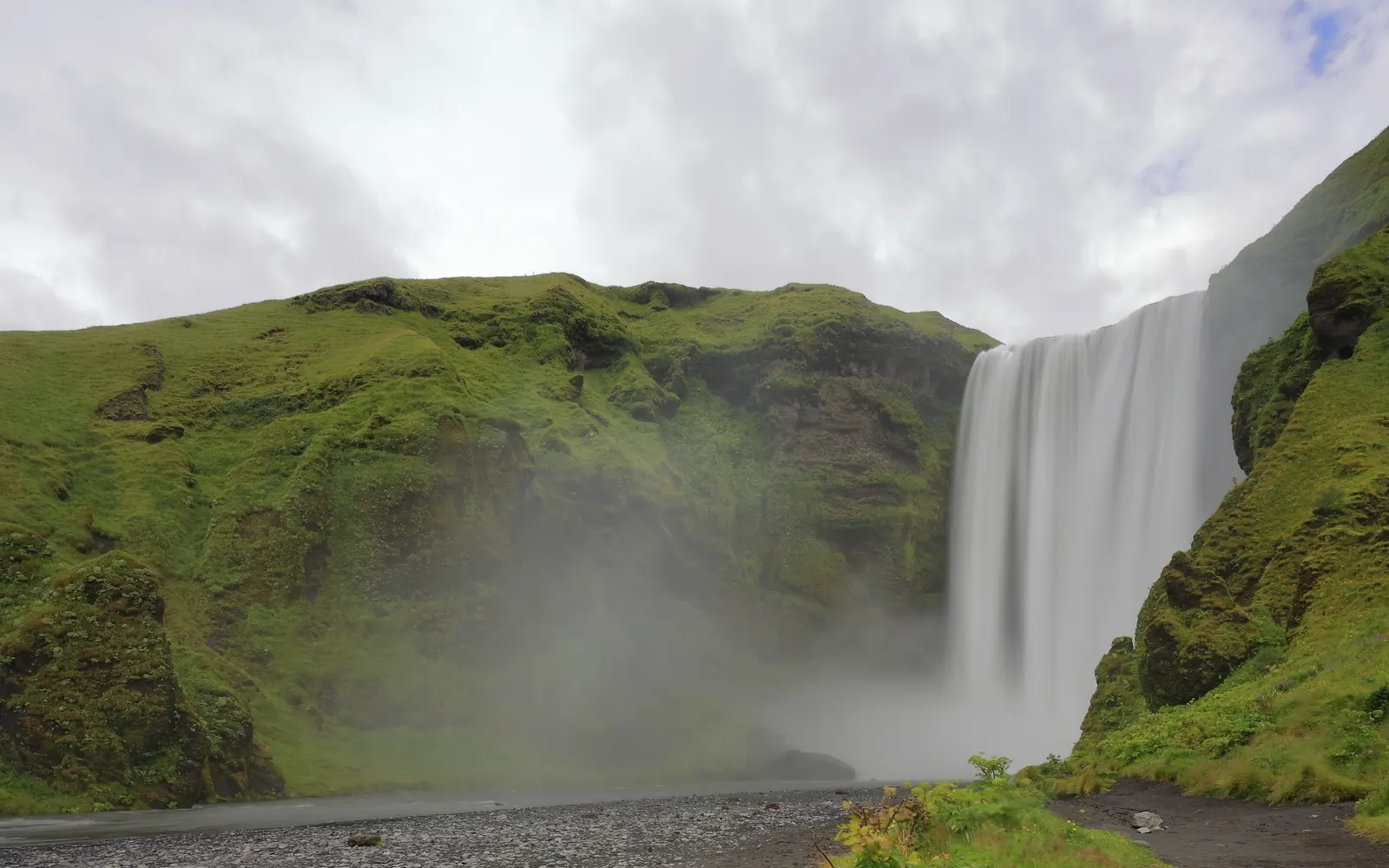
The first clear stop when driving east; you can see only the main waterfall if time is tight.
The path is short but wetter, and parking is shared with the main waterfall; it is the first stop to remove when you are behind schedule.
The waterfall is close to Route 1, with flexible visit length; its position near Vík makes it a strong final waterfall stop.
Skógafoss is easier to visit briefly; when coastal wind and snow worsen, Gljúfrabúi’s muddy path is rarely worth forcing into the day.
They are on the same road, but they do not take the same kind of stop
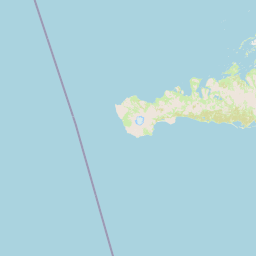
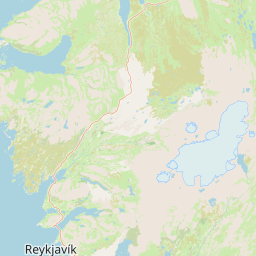
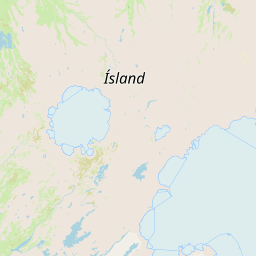
Driving east from Reykjavík, Route 1 reaches Seljalandsfoss before Skógafoss, with Gljúfrabúi available as a nearby addition. The map distance is modest, but real time is split between parking, putting on waterproof layers and moving through crowds. If you describe all three as places to “have a quick look,” the afternoon can disappear before you notice.
 ReykjavíkDrive east
SeljalandsfossFirst stop
GljúfrabúiAdd if time allows
SkógafossFinal waterfall
VíkDinner / overnight
ReykjavíkDrive east
SeljalandsfossFirst stop
GljúfrabúiAdd if time allows
SkógafossFinal waterfall
VíkDinner / overnight
First stop: Seljalandsfoss, while you can still deal with getting wet
Seljalandsfoss works best in the morning because you still have time to deal with wet shoes and rain gear. The path beside the main waterfall takes you behind the falling water, creating a distinctive view in calm weather; in rain or strong wind, mist can turn “beautiful” into a situation where both your camera and glasses lose focus. After parking, do not budget only a few minutes for photographs. Allow 45–60 minutes for putting on waterproof clothing, walking to the viewing area and returning to the car.
If this is the fixed meeting point for a group, include the cost of late arrivals in the schedule. Wet ground slows anyone travelling with children, older companions or large camera equipment. If you have only three hours before Vík, see the main waterfall and leave; do not use the next stop’s daylight trying to collect every possible angle here.
Should you add Gljúfrabúi?
Gljúfrabúi is close to the main waterfall, but the experience is completely different: the ravine is narrow, the ground is wet, and footwear grip matters more than the fact that it is “only a few more minutes.” In dry weather, with shoes that grip and enough time in hand, I would allow another 30–45 minutes. In winter, with ice underfoot, luggage in tow or a delayed afternoon, skip it. This is the most useful stop to keep flexible.
The middle stretch: do not insert another major attraction by default
Between Seljalandsfoss and Skógafoss, you could add Reynisfjara, the plane wreck or a glacier activity, but none of them belongs in the category of something you can casually finish in the same morning. A glacier hike includes several hours for meeting, equipment and changing; in that case, treat Gljúfrabúi as a backup rather than forcing it before or after the activity. For the time cost of South Coast glacier activities, see how to choose between glacier hikes, ice caves and boat trips, which places the activity alongside accommodation and driving time.
Without a paid activity, lunch can be handled in Skógar or Vík; keeping drinks in the car means you do not have to change the waterfall order simply to find a restaurant. This stretch looks straightforward, but parking demand and wind can add ten minutes to each stop. Ten extra minutes at three places is the half-hour you thought you had available.
Final stop: Skógafoss is well suited to closing the route
Skógafoss is convenient because the walk from the parking area to the waterfall is relatively direct. When time is tight, 20–30 minutes is enough for the main view; with more time, you can take the nearby stairs. The volume of water is substantial, and a change in wind can leave you soaked quickly. Do not schedule dry clothes and dinner at a time with no margin. If you are staying in Vík, continuing east on Route 1 afterwards gives the day a more manageable finish.
If you would like a quieter alternative, compare Skógafoss with Kvernufoss. Both are near Skógar, so they work well as a choice between two stops, not as a checklist when you are already late. You still have to drive to Vík that evening; the number of waterfalls should not take priority over the remaining daylight.
| Situation | Keep | Cut | Why |
|---|---|---|---|
| Summer, morning departure, staying in Vík | All three waterfalls | — | Longer daylight allows roughly 4–5 hours for paths and lunch. |
| Winter, leaving Reykjavík in the afternoon | One of Seljalandsfoss or Skógafoss | Gljúfrabúi | A slippery path and darkness magnify the time required. |
| A Sólheimajökull glacier activity is already booked | The waterfall closest to the activity before or after it | The more distant additional stop | Meeting times are fixed and the cost of being late is high. |
| Driving to Vík the following day | Seljalandsfoss + Gljúfrabúi | Skógafoss | You can leave the eastern waterfall for the next day and reorder around the weather. |
Lock the accommodation plan together with the waterfall order
If you stay in Hella or Hvolsvöllur, you can split the three waterfalls between the first evening and the following morning. If you stay in Vík, Skógafoss fits naturally as the final eastern stop. If you have already booked one or two nights in Vík, work backwards from the last attraction you can remove; do not replace an entire accommodation plan simply to fit one waterfall.
If you are only setting out after collecting a car at KEF on your first evening, read how to plan the first hour after collecting your car at the airport. A late flight, winter conditions or strong wind can make Seljalandsfoss an unrealistic target for that night. Paying a little more for a hotel with late check-in, parking and breakfast is usually more practical than chasing an attraction in the dark.
If an activity or admission ticket is already fixed, confirm the meeting address, return time and cancellation terms before fitting in the waterfalls. For a coach tour, compare pickup arrangements and stop lengths in how to choose a South Coast day tour; for a self-drive day, include fuel and refundable accommodation in the calculation. No section of road deserves one extra stop if it removes your ability to turn back, pause or adapt.
Turn the South Coast day into a schedule you can actually follow
Take an 8 a.m. departure from Reykjavík as an example. Allow about an hour for the first drive to the Seljalandsfoss area, including traffic leaving the city and a short parking delay. Visiting the main waterfall and Gljúfrabúi between 8 and 9:30 a.m. is already a brisk plan; companions who need to change shoes, take photographs or look after children may need another 15–30 minutes. The point is not to turn the stops into a race. It is to leave Skógafoss with usable daylight.
Leave the western waterfalls around 10 a.m. and follow Route 1 east. A scenic pull-off is not automatically a reason to stop every time. Two additional ten-minute pauses can delay both lunch and a booked activity. Reach Skógar around midday, see the waterfall first, then decide whether your energy and schedule justify the stairs. If you have a glacier-hike meeting that day, keep Skógafoss to the main viewpoint and do not treat the staircase as compulsory.
If you do not reach Skógafoss until after 2 p.m., the day is no longer suited to adding Gljúfrabúi. Use the remaining time for Vík’s supermarket, fuel and check-in, or take a quick look at Reynisfjara before sunset. When the coastal wind is unstable, going straight to the hotel is a sensible choice. The purpose of ordering the stops is to place the important waterfall while you still have options, not to fill every parking area.
On a day driving back from Vík to the capital, you can reverse the order: see Skógafoss in the morning and keep Seljalandsfoss for a shorter afternoon stop. This only works if you are not rushing to the airport, do not have a fixed car-return time and still have one or two hours of buffer. If you are returning to KEF the following day, add your final-night and airport transport plan early; a waterfall is always the easiest item to remove.
Coach tours usually package the three waterfalls with Vík within a fixed timetable. You cannot freely swap Gljúfrabúi for another stop, so check the actual visit length and meeting points first. Travellers without a rental car can read how to plan the South Coast without a car and change the question from “How can I see all three waterfalls?” to “Which one deserves the limited stop time?”
Have the route order in place?
Plan South Coast experiences and stays around the drive
Confirm the activity date and meeting point first, then fit the waterfall stops into the same day; add Gljúfrabúi only when the driving schedule has room.
Related reading
If you are still deciding whether to add a glacier activity alongside the waterfalls, read how to choose a South Coast glacier activity before cutting or extending your stops.
More from ICENAVI
Vík destination guide, how many nights to stay in Vík and rain-day route changes can follow from here.
Q&A | South Coast waterfall order
Can you see all three waterfalls in one day?
Usually, if you leave in the morning during summer. Allow about 4–5 hours for parking, walking and changing clothes; in winter or with an afternoon departure, remove Gljúfrabúi.
Should Seljalandsfoss and Gljúfrabúi be visited together?
They are close to each other, but the Gljúfrabúi path is wetter and more slippery. Footwear, wind and remaining daylight matter more than the fact that you are already in the area.
If you are staying in Vík, should you visit Skógafoss or Seljalandsfoss first?
When driving east from Reykjavík, visit Seljalandsfoss first and continue to Skógafoss. Adjust only when you are starting from a different point on the South Coast after staying there the previous night.
Which waterfall is easiest to keep in rainy weather?
Skógafoss is generally better for a short stop. Seljalandsfoss can remain in the plan if the wind and rain are manageable, while Gljúfrabúi is usually the first to remove.
References
- Visit South Iceland (background on South Coast attractions).
- SafeTravel Iceland (road and weather information).
- OpenStreetMap contributors (map base layer used in this article).