
ICENAVI · GLACIER FIT
Which glacier experience fits your route best?
These scores cover only the factors that change the decision. Confirm the actual meeting point and schedule for your departure date.
Using an activity near Jökulsárlón as the middle base reduces the amount of driving and meeting-time overlap.
Departure slots are fixed; keeping a half-day open for a change is more useful than filling every sightseeing hour.
A Jökulsárlón boat uses less total time; a hike or ice cave spends more time for a more specialised experience.
Decide which night should carry the activity
The South Coast runs east from Reykjavík, with one attraction following another. The route looks straightforward, but an activity runs on its own clock. Vík to Skaftafell takes about two hours, and Skaftafell to Jökulsárlón about one hour; parking, snow and a viewpoint stop can quickly expand those estimates. If the activity is near Jökulsárlón, staying in Vík or around Skaftafell the night before means reaching the meeting point early becomes the first stop of the day. It is not a casual roadside addition.
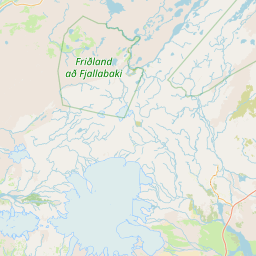
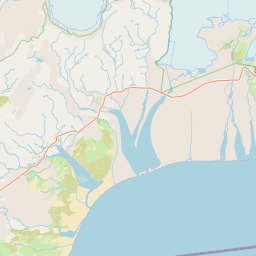
I would draw three circles on the map first: the Vík and Katla area, the Skaftafell glacier tongue, and the Jökulsárlón and Fjallsárlón area. Put the previous night's accommodation where the drive to that activity can be recovered. If the activity runs late, the usual loss is one waterfall; choose the wrong base and you may lose two hours to a return drive.
Glacier hikes: time on the ice comes with a fixed rhythm
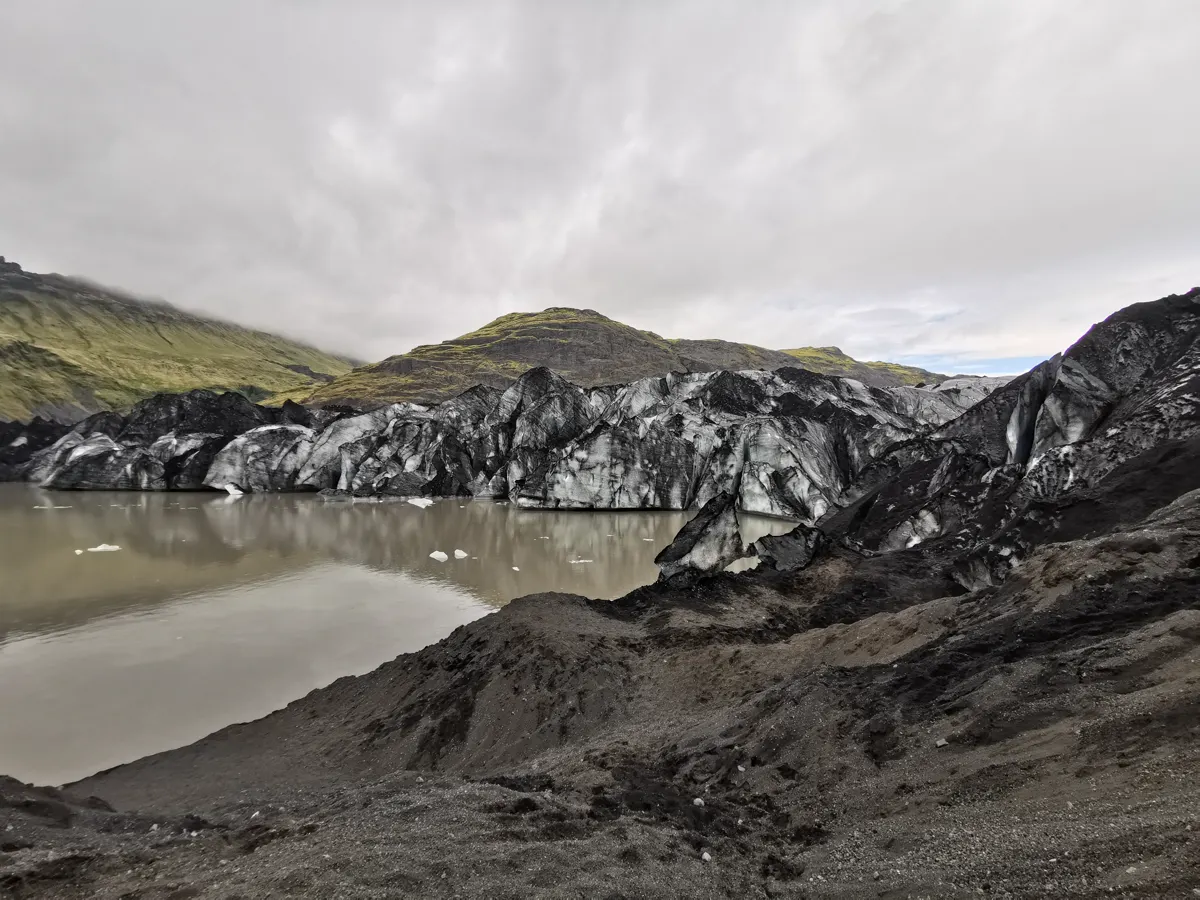
Glacier hikes usually meet around Skaftafell or Sólheimajökull. The advertised duration leaves out check-in, crampons, the safety briefing and the time it takes to regroup afterwards. A longer tour can decide whether the next drive still feels sensible. If Höfn is tomorrow’s direction, a night near Skaftafell is usually cleaner than a dawn run from Vík.
This is the right choice if you want to understand the glacier's uneven surface, crevasses and blue ice rather than view it from a lookout. Leave room for footwear, an outer layer and warm layers. Ordinary city trainers are not a sensible 'make do' option on wet, slippery ice. Operators commonly provide crampons, helmets or other essential equipment, but check the product description for clothing, gloves and footwear requirements.
The route risk with a hike is its ability to affect the rest of the day. A delayed start can mean dropping a waterfall or black-sand beach. If someone in the group does not want to hike, splitting up is not cost-free: transfers, check-in and return times still tie both groups to the same hours. A lagoon boat or short walk may keep everyone on one route instead.
Natural ice caves: the strongest visual payoff, with the narrowest seasonal window
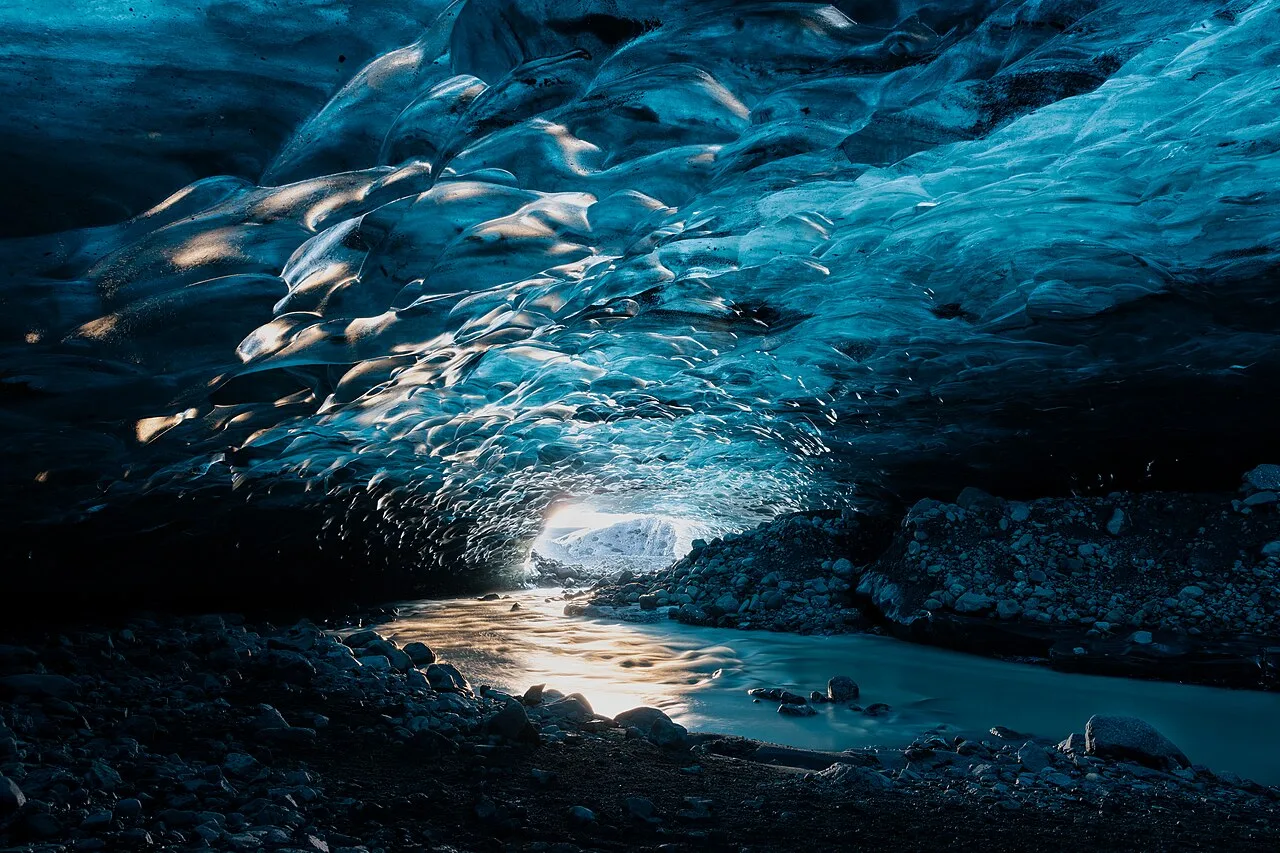
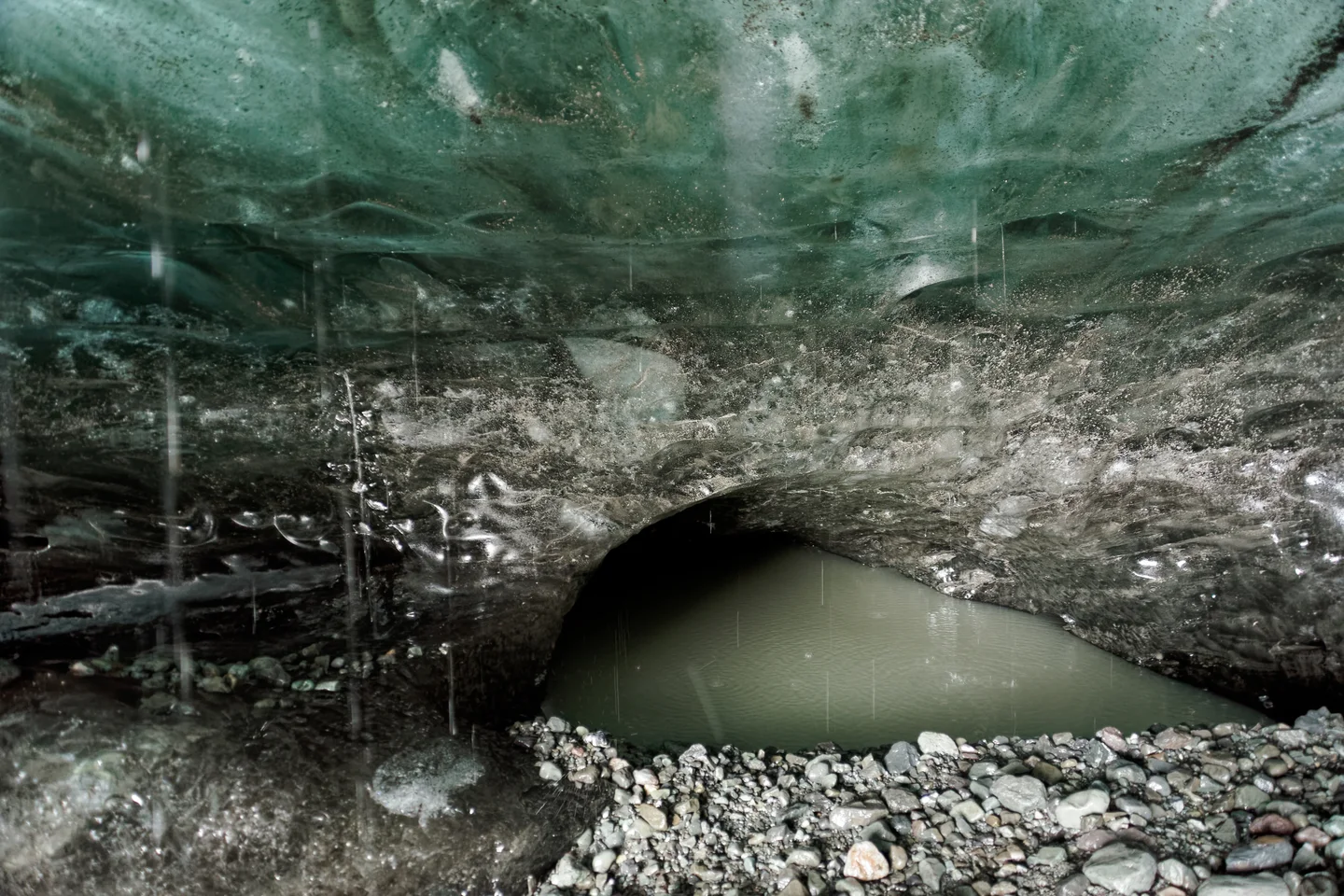
An ice cave is not a glacier hike with a different name. A winter natural ice-cave tour usually uses a four-wheel-drive transfer to the glacier edge, followed by a walk; the activity may take two to four hours before the surrounding driving is counted. Cave entrances change with glacier movement, meltwater and safety decisions. The cleanest plan is to stay near Jökulsárlón, Skaftafell or the named meeting point the night before, then move towards Höfn or the Eastfjords the following night.
If you want a blue-ice arch for your photos, an ice cave can deliver a great return. With only two nights on the South Coast, however, you are giving it a full weather window. Do not put it on the day before your flight, and do not leave Reykjavík that morning, join the tour in the afternoon and drive back to the city at night. The plan may appear to save a hotel night, but it stacks road time, check-in and cancellation risk.
A natural ice-cave booking needs an exit plan. Keep a Skaftafell short walk, Diamond Beach and the Jökulsárlón shore in the same backup basket so you can reorder them around the light if the activity is cancelled. If the booking is non-refundable, avoid adding another transfer that depends on arriving at a precise time; otherwise a cancellation can take the replacement sights with it.
Lagoon boats at Jökulsárlón: easier to slot in, but not weather-proof
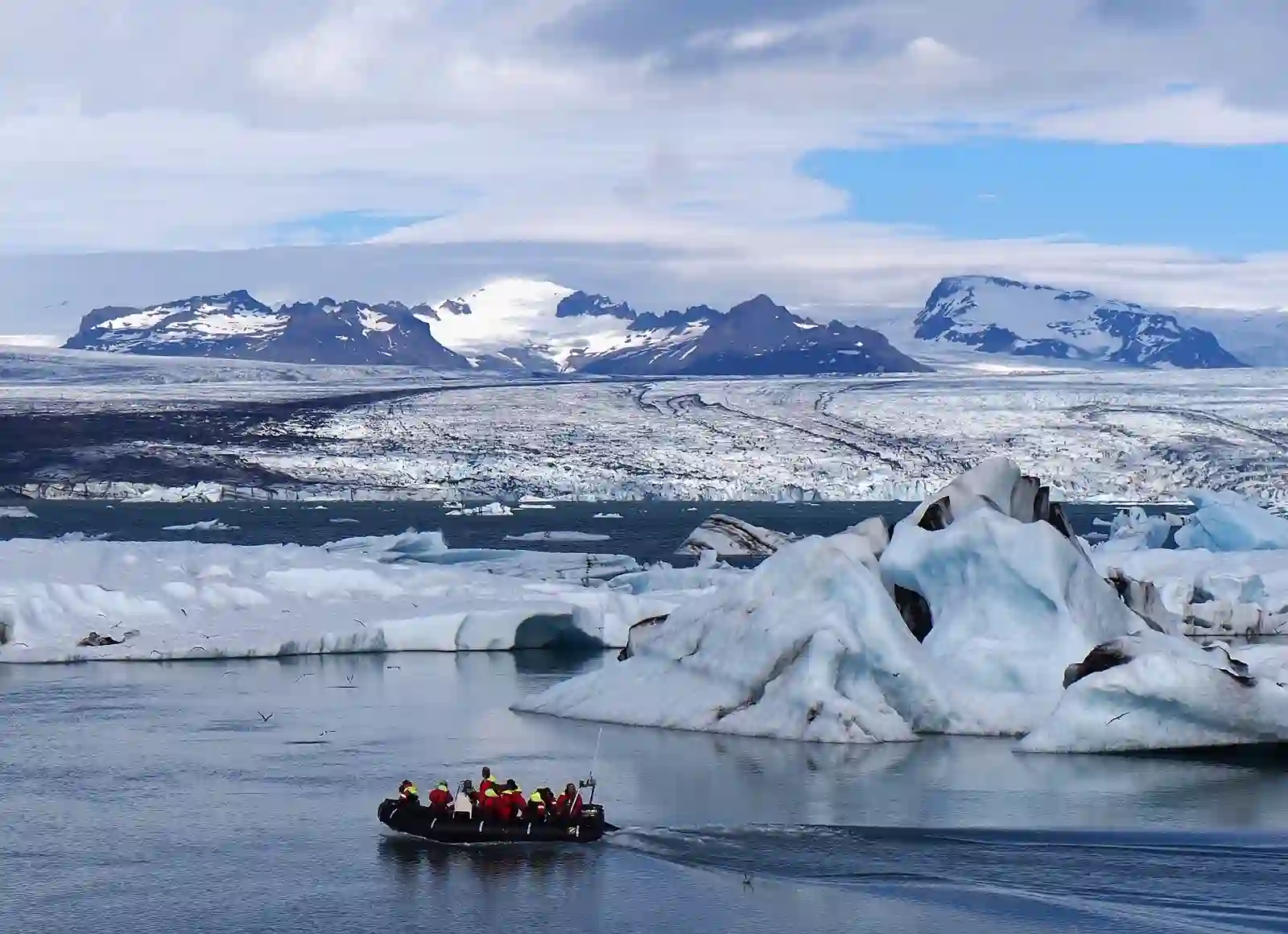
The advantage of a Jökulsárlón boat activity is a more contained time commitment, with clearer parking and meeting arrangements. An amphibious boat suits travellers who want to see icebergs at close range without walking in crampons. Zodiac boats and kayaks demand more from fitness, age, height and weather, while offering a different distance and level of quiet on the water. After the activity, you can walk to Diamond Beach, making it easy to keep both stops in the same daylight window.
Even so, the lagoon depends on wind, waves, visibility and ice conditions. If the boat is cancelled, Jökulsárlón is still there, but the water experience has not happened. If this is the only paid activity on your trip, decide before booking whether you can accept a lake-view day without boarding. To reduce regret, place the boat on your first full morning at Jökulsárlón, leave the afternoon for Diamond Beach and the lagoon shore, and avoid having to drive east immediately after the departure.
| Activity | What you are really buying | Time to hand over | Best-fitting base |
|---|---|---|---|
| Glacier hike | Walking on ice, crampon skills and stronger physical participation | About half a day to most of a day, including gear and check-in | Between Vík and Skaftafell |
| Natural ice cave | Blue-ice cave interiors and a seasonal image | About half a day, with less flexibility around transfers and check-in | Skaftafell / Jökulsárlón |
| Lagoon boat | Close-up icebergs and a water-level perspective | About one to two hours, easier to combine with nearby sights | Jökulsárlón / west of Höfn |
Use one day plan to test for collisions
A five-day South Coast route could look like this: night one in Reykjavík or Keflavík, night two in Vík, and night three around Skaftafell or Jökulsárlón. Put the activity on the morning of day three, visit Jökulsárlón and Diamond Beach in the afternoon, and continue towards Höfn or the east on day four. For a glacier hike, do not sleep too far west on night two. For a Jökulsárlón boat, you can sleep in Höfn on night three and shorten the drive after the activity.
With only four nights, remove the sights that create the longest crossing before you remove the buffer around the activity. Seljalandsfoss, Skógafoss and the black-sand beach can be chosen according to the light and road conditions; the meeting time cannot be moved so casually. You may see one waterfall less, but keep the activity that mattered most.
Travellers without a car need a separate transfer calculation. South Coast buses do not work like a city metro that reaches every glacier meeting point. Some activities include a transfer from Vík, Reykjavík or the Höfn direction; others meet only at a named location. Check the exact address, transfer area and return time before choosing accommodation. A cheaper activity can become more expensive once transport has to fill the gap.
Approximate cost: the ticket is only the first line
As an adult budgeting frame, a short glacier hike is about ISK 18,000–35,000 (approximately HK$1,050–2,050 / NT$6,900–13,500), a natural ice cave about ISK 25,000–45,000 (approximately HK$1,450–2,600 / NT$9,600–17,300), and a Jökulsárlón boat about ISK 8,000–14,000 (approximately HK$460–810 / NT$3,100–5,400). Exchange rates and departure dates move the figures. Add parking, fuel, the extra night near the base, transfers and the cost of changing plans after a cancellation.
For two people driving, the higher price of an ice cave may buy a seasonal experience, or it may buy a whole day with a fixed schedule. A boat ticket is lower, but its departure slot still claims a morning. Multiply the per-person price by the group size, then add the difference in accommodation cost before deciding whether the 'cheaper activity' is actually cheaper. If this is the one thing you most want to do, I would spend the extra on a changeable booking, a nearby meeting point and cancellable accommodation.
ICENAVI · ACTIVITY FIT
If one activity fits, make the trade-off explicit
Choose a glacier hike for time on the ice, a natural ice cave for a seasonal blue-ice window, or a lagoon boat when you need the rest of the South Coast to stay flexible. Put the meeting point into the accommodation table first, then leave an exit route for roads and weather.
ICENAVI’s route call: Choose the morning you can protect, remove the stretch of driving that creates backtracking, and keep enough South Coast daylight for the cancellation version. The picture is only one part of that decision.
Does the activity location fit your route?
Check glacier hikes, ice caves and lagoon boats by date
Confirm the meeting point, duration and cancellation terms before fitting the booking around your accommodation and next day's drive.
Related reading
Understand the activity itself
Skaftafell glacier hike or ice cave
Fjallsárlón boat or glacier hike
How to choose an ice-cave tour by season
More reading
Then connect accommodation and route
Five-day Iceland South Coast itinerary
How to plan Iceland accommodation nights
Jökulsárlón and Skaftafell destinations
Q&A | How to choose a South Coast glacier activity
Can you do a glacier hike and an ice cave on the same day?
Yes, but only when the meeting points are close, the two schedules do not overlap, and you are willing to remove other sights from the day. I would not force both into a standard five-day South Coast route.
What can you do if the ice cave is cancelled?
Make a backup day from the Skaftafell short walk, the Jökulsárlón shore and Diamond Beach, then decide whether to continue towards Höfn according to the road conditions.
Can you join a South Coast glacier activity without driving?
Yes, but check first whether the activity offers a transfer from Reykjavík, Vík or the Höfn direction. When the meeting point is outside a town centre, calculate accommodation and connections together.
Which option suits older travellers or people who do not want to hike?
Check the walking distance, ice steps, boarding arrangements and minimum age. A shorter lagoon boat usually carries less physical cost than a glacier hike.
Where is best to stay the night before?
Work backwards from the confirmed meeting point. Skaftafell activities generally suit a base east of Vík; for lagoon activities, Skaftafell, Jökulsárlón or the west side of Höfn leave more room for delays.
References
- SafeTravel Iceland: glacier-activity and road-safety information.
- Road.is: road conditions and winter route planning.
- Icelandic Meteorological Office: wind, snowfall and activity-day weather data.
- OpenStreetMap contributors: basemap for the location figure.
- Visit Iceland: South Coast and glacier-activity background.