
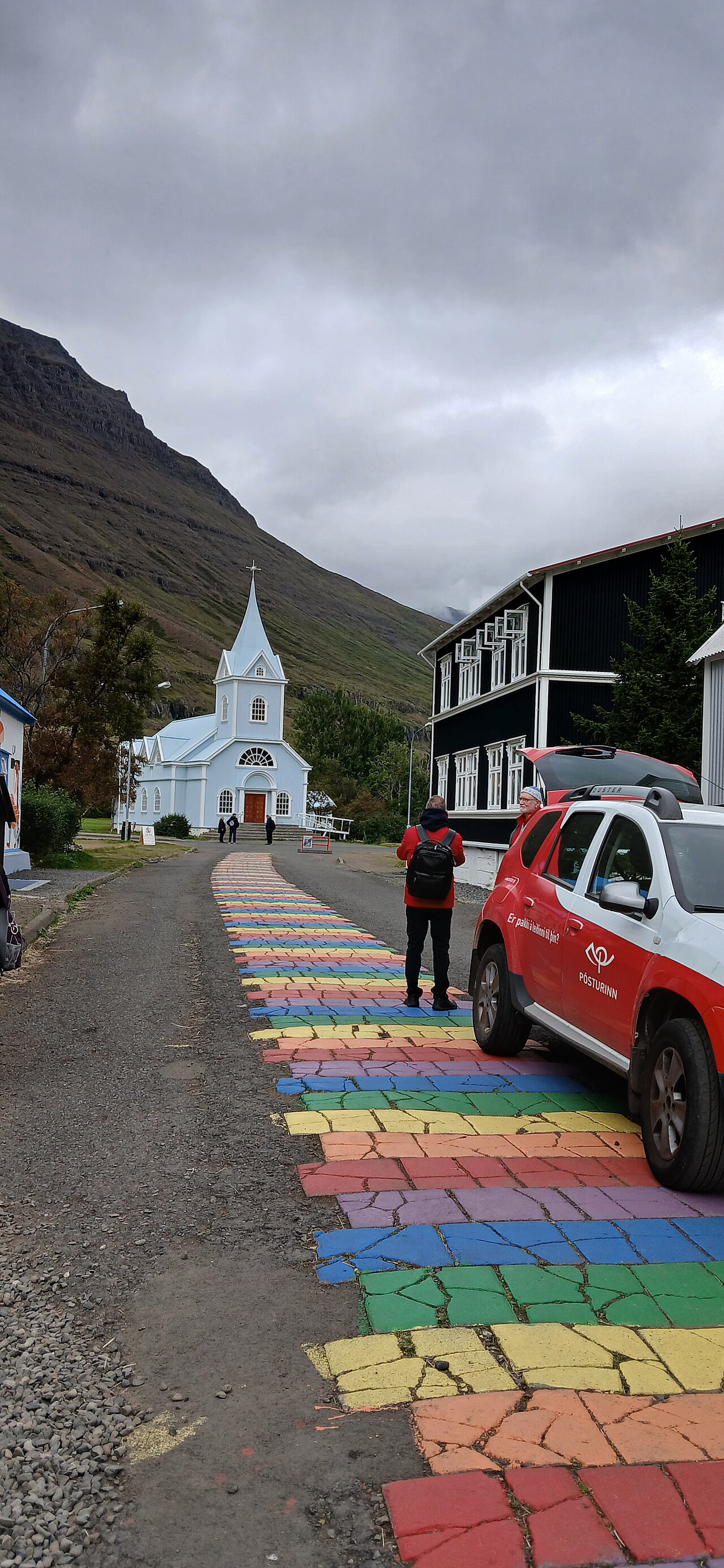
ICENAVI ROAD FILE · VOPNAFJÖRÐUR → ÞÓRSHÖFN
This route suits travellers who want a remote coast in the itinerary. Vopnafjörður handles supplies and an early stop, while Þórshöfn supports the northbound extension; in winter, road conditions, daylight and opening hours decide where you should turn back sooner than the number of sights does.
The key question is where you finish the day
After turning off Route 1 towards Vopnafjörður, the town itself becomes a Northeast Iceland staging point. Fuel up, buy breakfast and water, and check that Þórshöfn has a room and somewhere to eat that evening. A map may make the two towns look like one coastal stretch, but there are no continuous shops in between to rescue a late afternoon.
Þórshöfn works as a northbound base, especially if you will continue on Route 85 or towards Raufarhöfn the next day. If you only want to travel from the east to Lake Mývatn, this route adds a detour; if you already want the northeast coast, lighthouse or pool, it earns its own night. Start with the Vopnafjörður destination page and Þórshöfn destination page to decide which base you actually need.
| Travel purpose | Best overnight base | How to plan it | Main trade-off |
|---|---|---|---|
| Supplies, then coast only | Vopnafjörður | Short town stop, then return to the main route next day | Less time on the northern coast |
| Þórshöfn and Digranes | Þórshöfn | At least one night, arriving before afternoon | Fewer places to eat and fewer rooms |
| Selárdalur Pool | Set by pool opening hours | Check the session first, then build the drive around it | No daily fallback |
| Winter Northeast transfer | The town you can reach safely | Keep daylight and a return option | You may skip Route 85 |
Vopnafjörður: sort out the small things before leaving
Buying food in Vopnafjörður is more reliable than looking for dinner after arriving in Þórshöfn. Keep enough fuel for a return or a changed plan, download an offline map, and put wet clothes, water and snacks somewhere easy to reach in the car. These preparations do not make a memorable photograph, but they can save a turn-back when sea fog or an early sunset arrives.
If you are starting in Egilsstaðir that day, calculate the transfer to Vopnafjörður first, then add Route 85; do not treat the drive from the eastern port to the northeastern port as a small afternoon hop. If you still have time in town, add a museum, coast or valley stop. When it is already close to evening, staying in Vopnafjörður is often the most useful choice.
How to fit the pool, lighthouse and free coast together
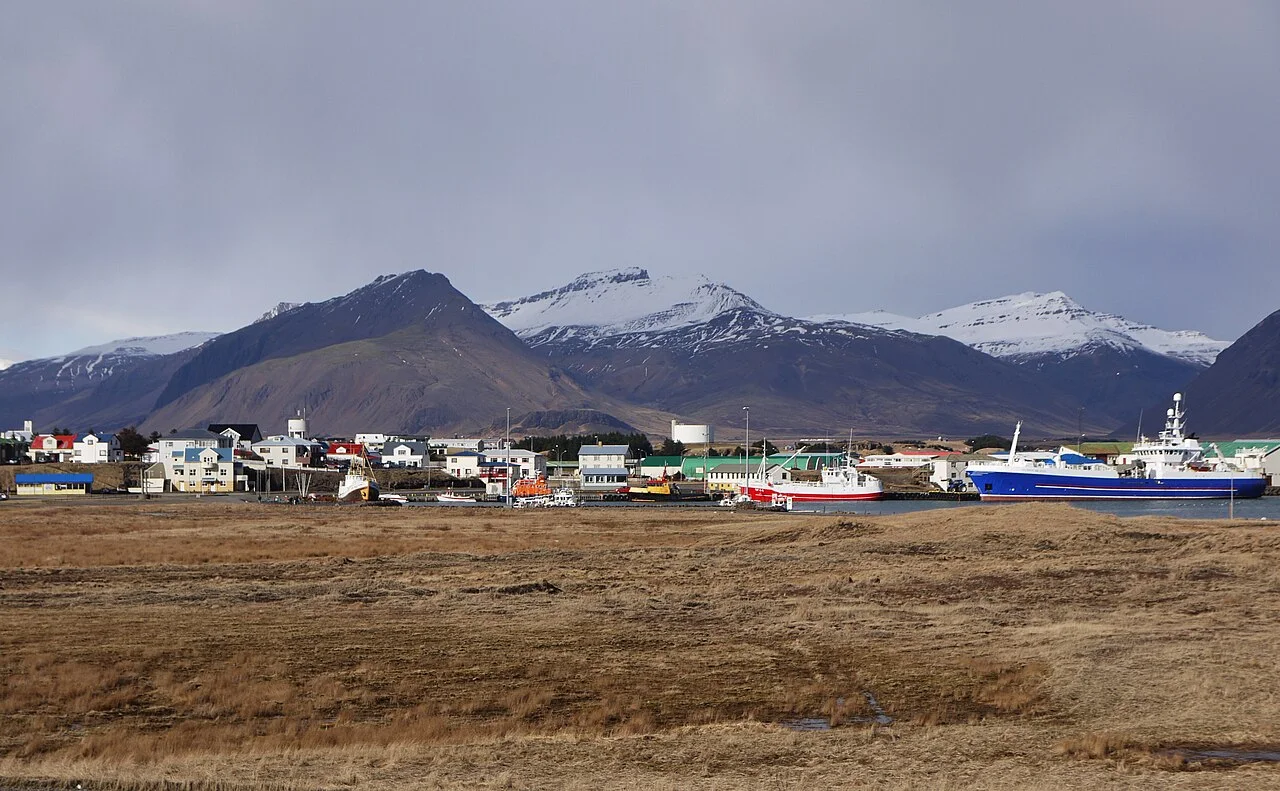
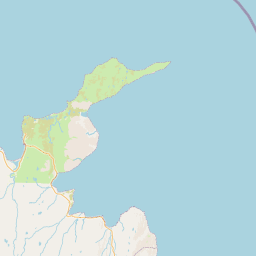
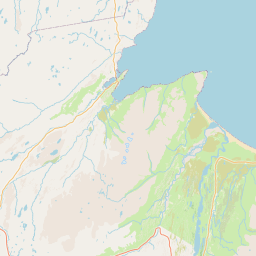
Selárdalur Pool is an affordable local experience, but check its opening arrangements and season first. The water may take only an hour; the side road and changing time can split the afternoon. It fits best on a day without a fixed boat departure. If someone in your party does not want to swim, use the time for supplies in Vopnafjörður or leave it for Þórshöfn.
Digranes Lighthouse fits when the weather is stable and you have already chosen that night’s base. It is not a city sight you can add in “five minutes”; wind, loose gravel and parking along the coast all take time. In clear weather, place the lighthouse in the afternoon before Þórshöfn. In low cloud or strong wind, a harbour walk is enough. Free sights still use fuel and daylight, which is why Route 85 should not be budgeted by entrance fees alone.
Driving distance, fuel and the cost of a day
The kilometres for a full day on Route 85 vary with your starting point, whether you visit the lighthouse and whether you turn back. For planning, use roughly 7–9 litres per 100 km for a mid-size car; at around 250–350 km for the day, fuel is about 2,000–4,000 ISK (approximately HK$110–220 / NT$460–920), before the rental day rate, food and accommodation. This is a planning range, not a supplier quote, but it is enough to show why a free coast is not cost-free.
A one-day drive from Vopnafjörður to Þórshöfn is possible if you choose one main activity. Add the pool, lighthouse and several short stops and lunch time and the return buffer disappear first. A two-day version can put the first night in Vopnafjörður or midway and the second in Þórshöfn, giving you time for the coast; when rooms are scarce, book the stay before deciding on stops.
ICENAVI ROUTE DECISION
Route 85: where does the day still have room?
This comparison weighs driving difficulty against room to adjust; winter is less forgiving because roads, daylight and accommodation supply tighten together.
The season can change your endpoint
With long summer daylight, Route 85 can split the harbour and coast between two afternoons. In the shoulder season, treat the lighthouse and pool as optional, protecting the stay and the return drive first. In winter, do not apply summer map times; check Iceland road conditions, wind and visibility. An open road is not automatically a suitable road for your drive, especially when the next supply point is far away.
In snow or strong wind, Vopnafjörður is a sensible turn-back point; you can still buy supplies, eat and stay overnight in town. If you have reached Þórshöfn, read up on Melrakkaslétta the next day rather than adding its northernmost side road when daylight is short. See the Húsavík and Þórshöfn winter comparison to place the northern main route and northeast coast in the same accommodation plan.
Two plans you can actually run
One-day plan: Leave Vopnafjörður in the morning, take the coast and one short stop, reach Þórshöfn around midday, then choose either Digranes or the pool for the afternoon before returning to your accommodation. Do not assume dinner will be available at any hour; check opening arrangements first. If you return to the main route the next day, keep a proper road buffer.
Two-day plan: Use Vopnafjörður as the supply and overnight base on day one, then head north on day two; or reach Þórshöfn on day one and choose Melrakkaslétta by weather on day two. To connect east and north, see the Northeast winter route and Vopnafjörður rather than letting one long transfer consume the coast.
Chosen your endpoint?
Compare Vopnafjörður and Þórshöfn stays first
Put supplies, pool hours and the next day’s road beside the available rooms before deciding whether to drive more of Route 85.
Start with what each destination does
Vopnafjörður handles supplies and the southern overnight stop; Þórshöfn handles northern activities and accommodation.
More reading
Then make the Northeast winter call
Húsavík and Þórshöfn helps compare the northern main route; for a remote coast, check weather and road decisions first.
Q&A | Driving the Route 85 northeast coast
Can you drive from Vopnafjörður to Þórshöfn in one day?
You can plan it, but choose one main activity and leave time for the return and dinner; in winter, decide again after checking road conditions.
Where is better for an overnight stay?
Stay in Vopnafjörður for supplies and more flexibility; stay in Þórshöfn if you are heading north to Melrakkaslétta or Digranes.
Can you do the pool and lighthouse on the same day?
In stable summer weather, yes, but each can take half an afternoon once the driving is included. If you have a fixed arrival time, choose one.
How much fuel should you allow?
Using 250–350 km and 7–9 litres per 100 km as an initial estimate, allow about 2,000–4,000 ISK; fill up in Vopnafjörður before leaving.
References
- Visit North Iceland (background on northeast coast towns and activities).
- Icelandic Road and Coastal Administration (road conditions).
- SafeTravel Iceland (driving safety and weather guidance).
- OpenStreetMap contributors (base map for the location figure).
This road has another logistical issue that is easy to miss: after reaching Þórshöfn, you may still have wet outerwear and unfinished food in the car for the next northbound day. Separate ready-to-eat food, keep chargers in the front seats, and deal with rubbish and fuel in Vopnafjörður; a remote coastal night then has fewer small interruptions. When accommodation does not provide dinner, this preparation becomes part of whether the plan works. If the weather turns, return directly to Vopnafjörður and keep the option of heading east or to Lake Mývatn the next day; writing the retreat into the plan stops one small town’s sea view from dictating the whole ring-road direction.
Write down the latest check-in time before leaving. No sight along Route 85 guarantees you dinner, and finding a room and restaurant after arriving late can add an hour beyond the estimate. If you have a fixed activity time, treat it as the route's first firm commitment; the pool and lighthouse can fill only the remaining space. It sounds cautious, but it turns a remote coastal day from “hope to do everything” into a plan you can actually complete.
If you are driving from the east, treat Vopnafjörður as a reset point rather than a place-name on a sign. Consider the fatigue from the previous leg, the next check-in and the wind that day before deciding whether to continue north. That decision protects the value of Route 85 better than adding one more minor sight.