
ICENAVI · NORTHEAST WINTER FIT
Choose the base that leaves one morning to change course
These scores assess how useful each base is for a real winter route in the northeast; recheck roads and opening hours for your departure date.
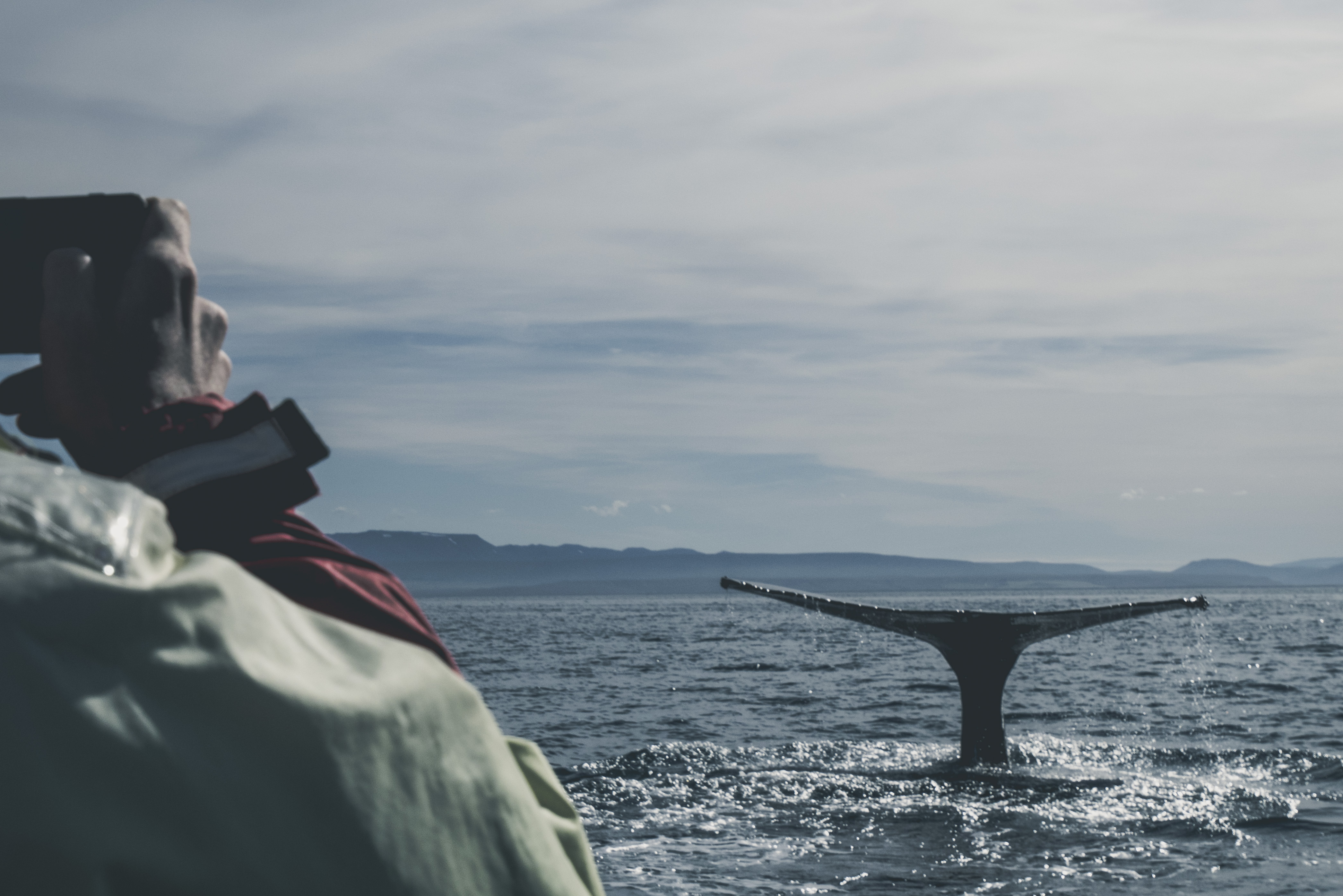
The harbour, thermal baths, restaurants and the route towards Mývatn are close at hand, so a cancelled whale-watching trip is easier to replace with an indoor day.
There are few services and little daylight in winter; the farther east you stay, the more it costs to turn back to the main route after a cancellation.
Northern sights are spread out; winter road conditions decide whether you can reach them, and a comfortable base cannot make a closed road passable.
Húsavík and Akureyri are better for supplies; a lower room rate in a small northeastern town may not offset the extra driving distance.
Split the northeast map into two separate jobs
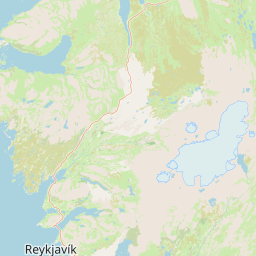
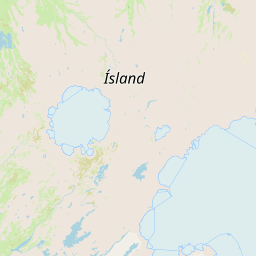
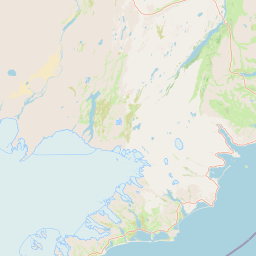
East of Húsavík, Route 85 links Kópasker, Ásbyrgi canyon, Raufarhöfn and Þórshöfn; south takes you back towards Mývatn, Goðafoss and Route 1. Ásbyrgi looks like a midpoint geographically, but in winter it cannot serve as the average of two bases. The useful question is where the road, wind and snow allow you to turn around that day.
Stay in Húsavík: keep winter’s options close
Húsavík is practical because it combines a harbour, geothermal bathing, restaurants and a road south. Winter whale-watching boats cannot sail every day. If sea conditions cancel the trip, you can put GeoSea, a harbour walk or indoor time back into the same day; the benefit is avoiding a drive of more than 100 kilometres simply to fill an empty schedule.
If you are travelling from Akureyri and staying one night in Húsavík, use the arrival day for the town and decide the next day whether to head towards Mývatn or Route 85. The drive from Húsavík to Mývatn takes a little over an hour, but add a margin for road conditions. Towards Ásbyrgi and the northeastern coast, treat every stop as removable. For harbour and room locations, see Húsavík whale-watching accommodation base; for connecting whale watching with Mývatn, the same-day transfer page is the closer fit for the actual timing.
Húsavík’s limitation is that the northeastern route is not an easy add-on. If the real aim is the Arctic coast, Arctic Henge or Þórshöfn, driving out and back from Húsavík every day will pile up the kilometres. In that case Húsavík is not the problem; the trip has become a Route 85 itinerary.
Stay in a northeastern town only when the route itself earns the move
Kópasker can be a nearer base for the Ásbyrgi area, while Þórshöfn is a coastal stopping point on the eastern section of Route 85. In winter, first check whether the accommodation is operating, whether late arrival is possible, and whether breakfast and dinner are available. A room that exists on a map does not mean services will still be open when you arrive at night. Raufarhöfn has its Arctic memorial landmark and small-town sights, but treating it as a mid-route supply stop overstates what is available.
Moving east for one night costs more than the room rate. From Húsavík, it may add roughly 150–250 kilometres of return driving; using a rough winter rental-car fuel estimate of HK$0.8–1.3 per kilometre (about NT$3.2–5.2), fuel comes to about HK$120–325 (NT$480–1,300), before adding driving time and weather risk. If the room is only HK$300 cheaper, the saving can quickly disappear into the extra distance. The night earns its place only when you already intend to go deeper into the northeast.
A winter day trip from Húsavík to Þórshöfn and back to Mývatn or Akureyri can hide fatigue behind a neat line on the map. The coastal section of Route 85 has too few sights to break up a long drive; snow, crosswinds and an early sunset can turn “40 minutes left” into a moment when you need to stop and reassess. Split the eastern section over two days and return to Route 1 on the second day; that is usually more dependable than adding three more stops.
Connect winter sights without turning the base into a trap
| What you want to do | Suggested base | Planning priority | Do not assume |
|---|---|---|---|
| Whale watching, GeoSea, Mývatn | Húsavík | Keep the activity in a changeable slot, then head south the next day | Sea conditions will allow a boat trip every day |
| Short Ásbyrgi walk | Húsavík or Kópasker | Check Route 85 and the short daylight first | Every winter access road will be open |
| Arctic coast and Route 85 | One night in Þórshöfn/Raufarhöfn | Make the eastern section the theme and keep a turnaround day | A small town will have a last-minute dinner and fuel |
| Dettifoss and Goðafoss | Mývatn or Akureyri | Use the winter-accessible entrance to allocate daylight | The east and west banks can both be chosen on the same day |
Dettifoss needs especially careful wording. You may leave from Mývatn, while a map places both the east and west sides in the same search result. Check the actually open road first in winter, then decide whether it belongs in the main itinerary. To compare accommodation rather than force in a sight, see how to divide two nights between Mývatn and Húsavík; if you want Route 85, a two-day northeastern coast plan is the closer next decision.
December to February: a nearer base does not guarantee a shorter day
From December to February, daylight is short, and northern roads and wind have the greatest effect on the daily plan. Daylight gradually increases in March and April, but that does not turn the route into a summer itinerary; thawing snow, crosswinds and side-road conditions can make the distances on paper expand. From May, longer days on the northeastern coast become easier to plan, but opening dates and accommodation supply still need separate checks. June to August is more suitable for making Route 85 a two-day theme; after September, narrow the daylight and weather window again.
With only two nights, use Húsavík as the main base and leave the northeastern coast for another trip or add it for one night only when conditions are excellent. Three nights or more give you room for one night in Akureyri/Húsavík, one in Kópasker or Þórshöfn, then a road-based decision to return to Mývatn or continue north. If the eastern leg is cancelled, the main accommodation remains secure instead of forcing you to find rooms across the whole north.
Have the northern winter route taking shape?
Compare bases by date, then connect the activities
Compare available stays in Húsavík, Mývatn and the northeastern coast first, then check activity meeting points and winter roads so the room supports the route.
Related reading
If you are still choosing between Húsavík and Mývatn, start with this comparison of northern two-night bases, then treat the northeastern coast as a separate addition.
More reading
Route 85 connects with the Þórshöfn destination page, the Raufarhöfn destination page and the Kópasker destination page.
Q&A: Winter accommodation and Route 85 in northeast Iceland
Can you make a winter day trip from Húsavík to Þórshöfn?
The distance may look manageable on paper, but the decision depends on daylight, wind, snow, road conditions and the return that day. If you want to see the northeastern coast properly, splitting it over two days and keeping one night there makes the fallback easier to protect.
Should you stay in Kópasker for Ásbyrgi in winter?
Only when the accommodation is operating, the road is feasible and the next day’s direction all work together. Húsavík has more services, so a cancellation is easier to turn into another northern plan.
Should you approach Dettifoss from the east or west bank?
Decide from the actually open road on your departure date. Do not infer that both sides are possible from a map or the vehicle type alone.
How should you choose with only two nights in the north?
Use Húsavík or Mývatn as the main base, then allocate days around whale watching, geothermal bathing, Dettifoss and the next day’s Ring Road direction. Leave the eastern section of Route 85 for a version with three nights or more.