
ICENAVI ROAD FILE · AKUREYRI → DALVÍK → SIGLUFJÖRÐUR
This is a northern day route best planned around harbours, tunnels and the point where you turn back. In summer, leave Akureyri, reach Dalvík in the morning and continue to Siglufjörður in the afternoon; in winter, check the mountain roads and tunnels first, and be ready to stop at Dalvík.
Decide whether Siglufjörður is the main event
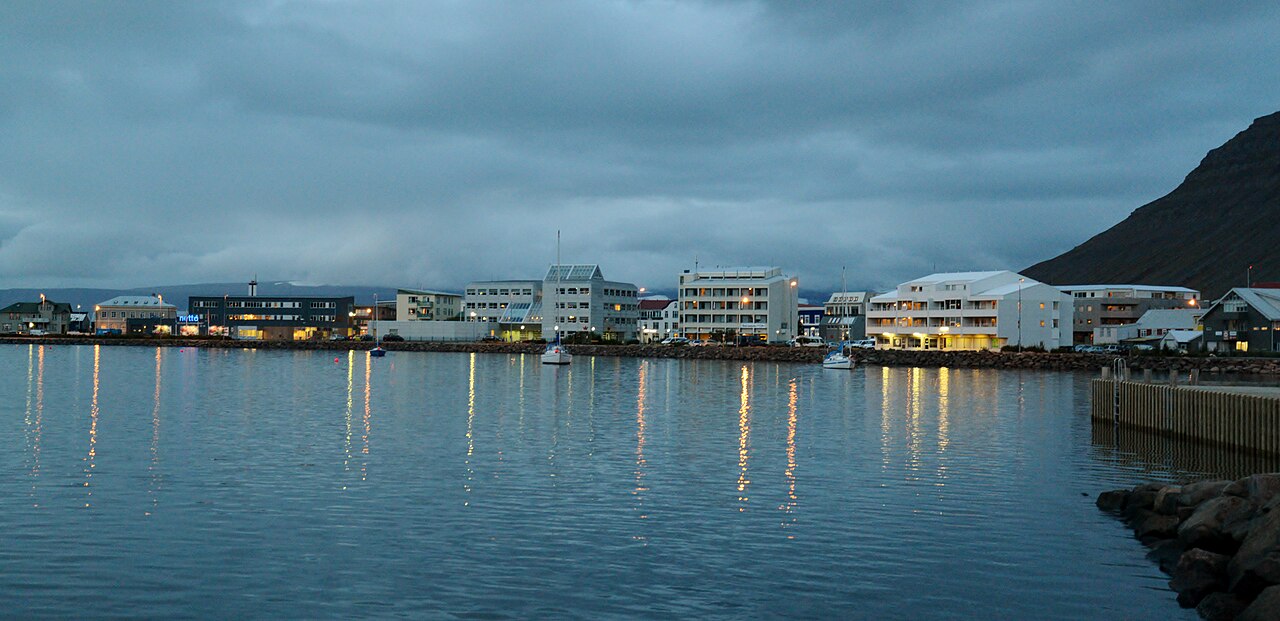
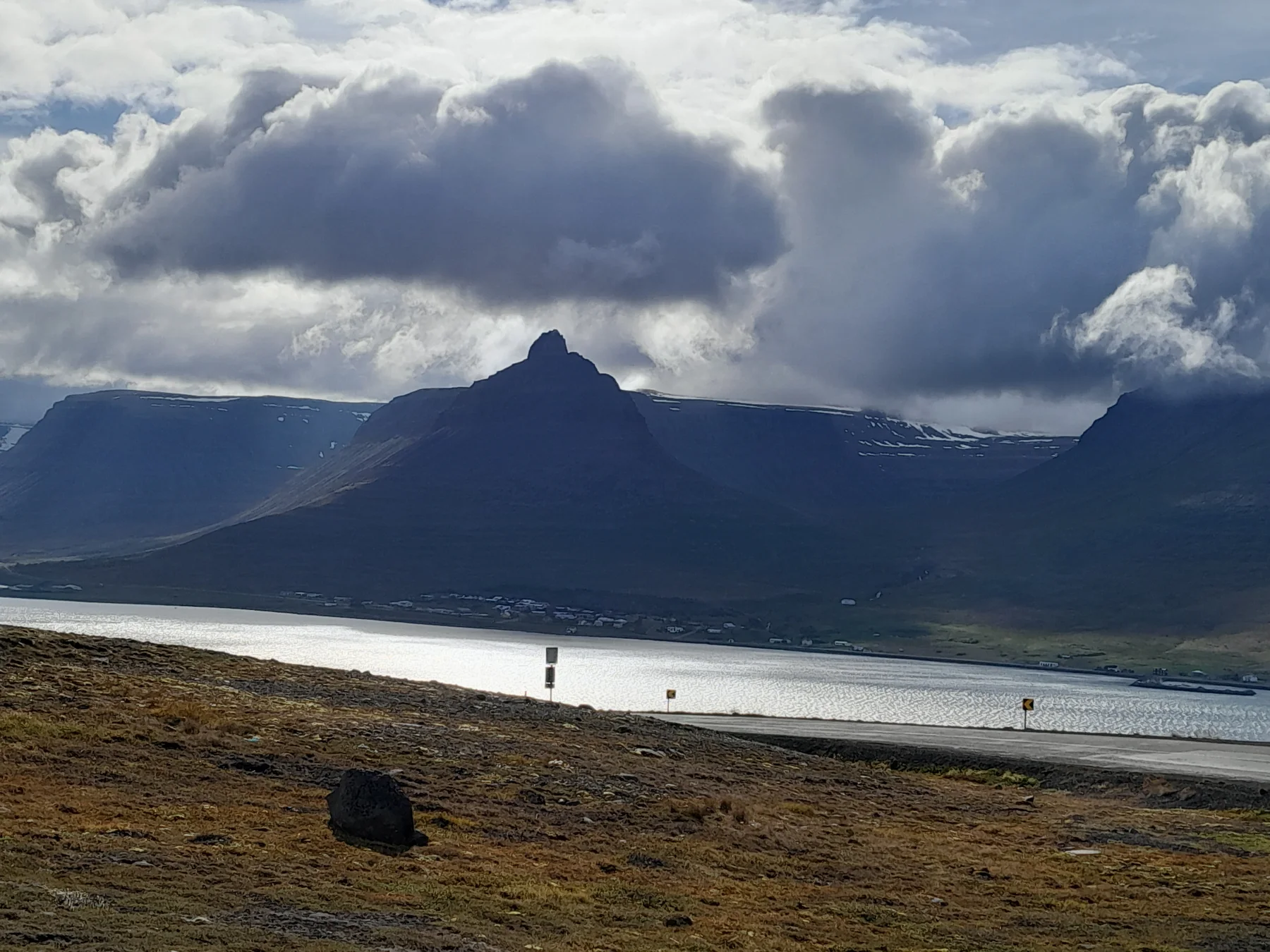
From Akureyri, take Route 1 north before turning onto Route 82; the coast itself already gives you plenty to see. Dalvík is the natural first stop: a useful place for fuel, coffee and a harbour walk, as well as the meeting point for whale-watching and sea-fishing trips. Once you continue north through the tunnel towards Ólafsfjörður, the route becomes more dependent on weather and traffic. By the time you reach Siglufjörður, if only half an hour remains, the Herring Era Museum becomes little more than a photo outside the door.
So ask yourself first: are you trying to complete a northern fjord drive, or do you specifically want to understand Siglufjörður's herring-industry history? For the former, make brief stops in Dalvík and Ólafsfjörður. For the latter, drop one or two roadside photo stops and keep the time for the museum, harbour and lunch. That choice directly determines whether an overnight stay makes sense.
| Main purpose | Route plan | Time to allow | Best base |
|---|---|---|---|
| Herring Era Museum | Akureyri → Siglufjörður, with only brief stops en route | 90–120 minutes for the museum | Siglufjörður |
| Coastal scenery and harbours | Akureyri → Dalvík → Ólafsfjörður | 30–45 minutes at each stop | Akureyri or Dalvík |
| Whale watching / sea fishing | Confirm the activity meeting point first, then decide how far north to go | An extra 60-minute buffer around the activity | Dalvík |
| Short winter daylight | Go only as far as the northernmost stop with stable road conditions | Complete the return before sunset | Akureyri |
Dalvík: do not treat the first stop as a roadside break
Dalvík is not empty space before Siglufjörður. Its harbour, whale-watching trips and sea-fishing excursions run to their own timetable. If your boat departs around midday, the morning drive from Akureyri already needs a traffic buffer; heading north after the activity can push Siglufjörður into the evening. If you want to fit in both a sea excursion and the museum, staying in Dalvík is more practical than travelling back and forth from Akureyri.
Without a boat trip, Dalvík works well as a 30–45-minute coastal stop. That is enough time to stretch your legs, check the weather and decide whether to continue, but not enough for a full activity. If you have read the Dalvík destination guide, put the harbour, pool and next-day activity on one timetable before you leave; otherwise you may arrive to find that only one workable departure remains.
Tunnels and towns: stops break up the real driving time
The road to Siglufjörður passes through fjords and tunnels. Single-lane tunnel etiquette, waiting at the entrance and wind around the mountain passes can all make the navigation estimate longer. If someone in the car gets travel-sick, or you want to stop at a viewpoint, calculate each short section separately. Do not promise ten photo locations in one morning and then treat the museum as something to visit only if there is time.
Ólafsfjörður is the right place for a proper mid-route stop: there is a harbour, coffee and a chance to reassess the road. If the light, rain or wind has changed, this is a sensible point to shorten the day. The reason to continue north should be a booked activity or accommodation in Siglufjörður, not simply the fact that you have already reached the tunnel entrance.
How much time should you leave for Siglufjörður?
The Herring Era Museum rewards reading and a slow visit; it is not a ten-minute attraction. Allow 90–120 minutes for a standard visit, plus a harbour walk and lunch. If northern fishing history is not a particular interest, shorten the museum visit and give the coast more time. Opening hours change with the season, so check them first in winter; with a small-town population, there may not be another indoor venue if plans change.
Siglufjörður's distinctiveness is that the arrival itself is part of the story: the valley encloses the harbour, and the road ends at a town that once prospered on herring rather than at a large headline attraction. A 20-minute stop shows you the shell; half a day gives you a chance to understand why this place merits the detour through the tunnels. That is why staying one night makes sense: the journey does not have to compress every story before the return drive.
Calculate the car and activities separately
For a round trip from Akureyri to Siglufjörður, budget for the rental-car day rate, fuel, parking and food together. As a planning estimate, a medium-sized car uses about 7–9 litres per 100 kilometres. For a full day of roughly 260–330 kilometres, fuel may come to 2,000–4,000 ISK (approximately HK$110–220 / NT$460–920); the actual amount changes with fuel prices, vehicle type and detours. This is not a quotation. It is a reminder that even a free harbour view still costs time and kilometres.
Whale-watching or sea-fishing trips cost extra, and it is best to leave an hour around the meeting time. If the activity is cancelled, do not force the empty slot back into Siglufjörður; switch to Dalvík's pool or return to Akureyri earlier. Compare the Dalvík sea activities with the Siglufjörður destination guide and identify which part of the day genuinely needs a fixed time.
ICENAVI ROAD FIT
Tröllaskagi day-trip fit
These scores measure route timing and how easily the plan can be adjusted. Siglufjörður itself does not become less worthwhile in winter; the lower score reflects the smaller margin on the road to the northern end.
How to choose between one day and two
Same-day return: Best in summer, without a fixed boat departure, and for travellers choosing Siglufjörður or a few short stops along the way. Leave in the morning, reach the northern end around midday, start back at about 4pm and have dinner in Akureyri. If you leave Akureyri in the afternoon, make Dalvík the endpoint.
Split over two days: Stay the first night in Dalvík or Siglufjörður, then plan the museum, harbour and tunnel coast on day two. This suits anyone adding whale watching or sea fishing, or anyone who does not want to spend the whole day driving. Accommodation adds cost, but it leaves you with an itinerary that still works after a cancellation.
In winter or the shoulder seasons, check the Tröllaskagi seasonal window and road conditions first. If the surface, visibility or daylight does not support reaching the northern end, Dalvík is not a consolation prize for failing to get further; it is the endpoint that fits the conditions that day. Write down the decision point, and everyone in the car has one less last-minute argument.
Have you chosen the route?
Compare places to stay in Dalvík and Siglufjörður
Put the activity meeting point, museum opening hours and next-day departure beside the accommodation before deciding between a day trip and two nights on the road.
Choose the northern harbour first
If you want to anchor an activity in Dalvík, start with the Dalvík destination guide; if you are deciding whether the northern town deserves a night, read about Siglufjörður.
More reading
Then plan the northern season and stay
For winter, read about self-driving in northern Iceland; with two days, add the two-day Tröllaskagi route to take pressure off the return.
Q&A | Akureyri to Siglufjörður
Is a same-day return too rushed?
It is workable when summer roads and weather are suitable, but Siglufjörður needs to be the main purpose. In winter, or when whale watching is added, an overnight stay is the steadier choice.
Should I stay in Dalvík or Siglufjörður?
Stay in Dalvík when the activity meeting point is there; stay in Siglufjörður when the Herring Era Museum and northern harbour are the priority. If you are only making a short coastal stop, remain in Akureyri.
How much fuel should I allow?
As a first estimate, use 260–330 kilometres and 7–9 litres per 100 kilometres for a medium-sized car, or around 2,000–4,000 ISK. Filling up in Akureyri before departure is the simplest option.
Can I follow the summer route in winter?
Do not copy it without checking. Tunnels, mountain roads, snow and limited daylight can change whether the northern end is reachable. Check the road information first, then decide whether to go beyond Dalvík.
References
- Visit Tröllaskagi (background on northern fjord towns and activities).
- Herring Era Museum official website (exhibitions and seasonal information).
- Icelandic Road and Coastal Administration (road conditions).
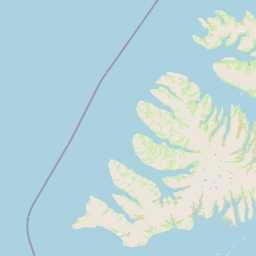
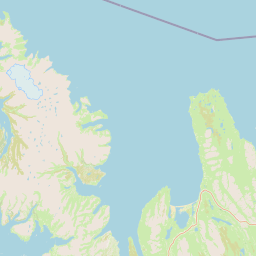
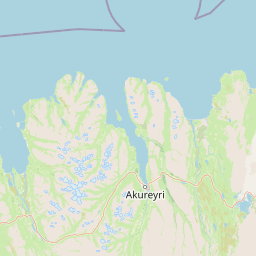
- OpenStreetMap contributors (base map for the location map in this article).
If you need to be back in Akureyri for the evening, decide on parking, fuel and dinner before leaving; you will not have to search again at every harbour on the way back. Even in summer, leave a little space for sea fog. When the mountain line disappears, returning by the same road is more sensible than chasing a viewpoint that may not be open.
In practical terms, leaving fifteen minutes earlier is not a magic solution. What helps is writing down a firm turn-back time at the northern end. If you have not reached Siglufjörður by the planned time, switch to dinner in Dalvík; that alternative protects the accommodation, fuel budget and next-day activity instead of letting one harbour push the whole northern itinerary late.