
ICENAVI SEASON FIT
Which season matches your Tröllaskagi plan?
These scores compare the decision factors that matter on this peninsula: activity access, accommodation fit, road flexibility and winter uncertainty. They are editorial planning scores, not visitor ratings.
Longer daylight gives whale-watching, island and road plans more room, with better flexibility when a departure or stop needs to move.
Dalvík, Siglufjörður and Ólafsfjörður each offer a distinct base, though small-town availability can narrow during the busiest weeks.
Pools, museums and cafés provide useful changes of plan when wind or rain interrupts an outdoor day, especially around the larger nearby hub.
Snow, ice, wind and short daylight can remove the buffer between a scenic drive and a difficult arrival, so winter needs a deliberately flexible plan.
June to September gives the widest activity window
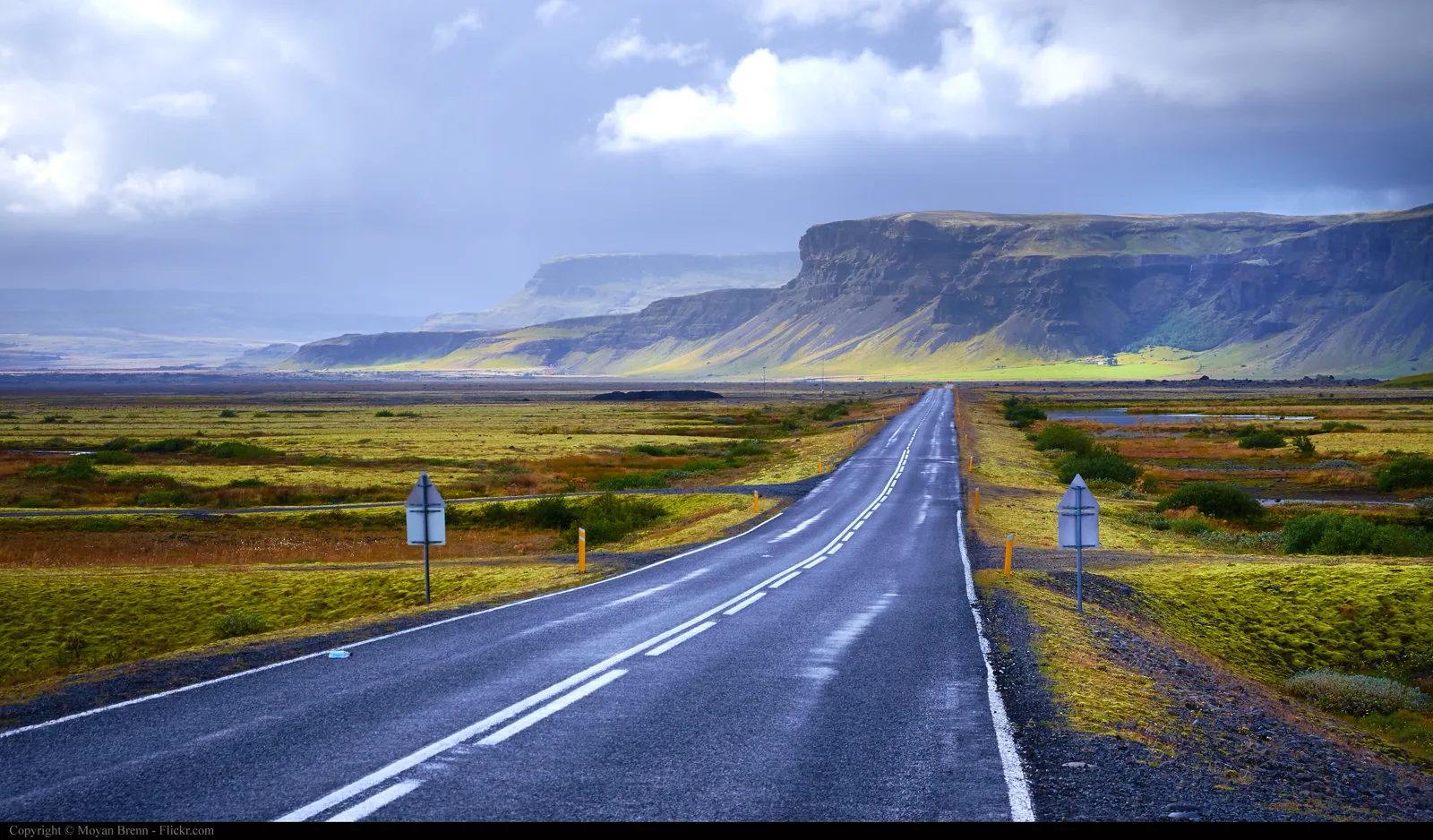
Summer is the straightforward choice when the trip combines whale watching, Grímsey, the Trollaskagi loop and several harbour towns. Longer daylight makes it easier to absorb a delayed departure or a slow scenic stop without arriving after a difficult road section. Dalvík is the natural starting point for whale watching and Grímsey connections; the sailing itself still depends on the operator, sea conditions and the day's timetable.
That does not make every summer day interchangeable. Wind and rain can affect a boat, road works can alter the drive and popular small-town rooms can disappear early. Keep one indoor or pool option in reserve and check the final route into your chosen town. The best month is the one that protects the activity that matters most, not simply the month with the longest daylight.
Choose the base that matches the actual plan
Dalvík works well when whale watching or Grímsey is the centre of the itinerary. Siglufjörður is the stronger fit for a compact harbour stay, historic buildings and a northward scenic drive. Ólafsfjörður sits at a useful route decision: it can be the right overnight stop when the tunnel and the north-coast sequence make sense, but it is less forgiving if a late arrival leaves no room for a weather change.
Small towns reward precise booking details. Confirm the address, parking, breakfast arrangement and late-arrival procedure rather than treating the whole peninsula as one interchangeable base. For a two-day route with several stops, use the Trollaskagi two-day route plan and decide where the overnight stay removes the most backtracking.
Winter skiing needs a separate weather decision
Hlíðarfjall near Akureyri is the practical ski reference for a winter plan, but the resort's opening, transfers and equipment arrangements must be checked for the dates you want. A Trollaskagi stay can add snow scenery and a quieter harbour atmosphere, yet the drive between towns may be the least predictable part of the day.
Winter light changes the meaning of a short distance. A route that looks simple on the map can become a late arrival when snow, ice or wind slows the drive. Keep the ski day anchored to the resort information, allow a flexible evening and compare the Akureyri and Hlíðarfjall ski-stay option before moving into the peninsula.
| Travel window | Best match | Suggested base | Planning caution |
|---|---|---|---|
| June to September | Whale watching and long scenic drives | Dalvík for departures; Siglufjörður for harbour scenery | Book small-town rooms early and keep a weather backup. |
| Late spring | Quieter roads and flexible sightseeing | Akureyri or Dalvík | Check which boats, pools and seasonal services are operating. |
| Winter | Skiing, snow scenery and pools | Akureyri for resilience; a peninsula harbour if access is confirmed | Short daylight, wind and ice can change the route. |
| Shoulder season | Lower-demand harbour and road trip | Choose the town that reduces the next day's drive | Do not assume every attraction or accommodation service is open. |
Match the month to the route you will actually drive
The month affects more than the headline activity. Summer makes a multi-town sequence easier to manage, while winter rewards a shorter route with a confirmed base and a clear fallback. Count the tunnel sections, harbour departures and return drive before choosing a room simply because it appears close on a map.
Budget for the activity, room and weather margin
A Trollaskagi budget should separate the room from the activity and the transport between them. Whale watching, island connections and winter skiing have their own schedules and cancellation terms; a cheaper room in the wrong harbour can cost more once an extra transfer, fuel leg or missed booking is included.
For orientation, a double room and activity-led stay can sit around ISK 22,000–48,000, approximately HK$1,320–2,880 or NT$5,300–11,500. These are planning ranges rather than live quotes. Recheck the booking total, breakfast, parking, transport and cancellation conditions before treating the figure as a trip budget.
Give yourself 24 hours around the main activity
When whale watching is the purpose, arrive in the region with enough time to reach the harbour, collect supplies and absorb a changed sailing. A Dalvík night before the departure can be sensible; Siglufjörður and Ólafsfjörður may be better when their harbour setting is part of the reason for travelling the route.
Use the destination pages for Dalvík, Siglufjörður and Ólafsfjörður to compare the actual stop order. If the road or sea forecast changes, a plan with one uncommitted day is easier to repair than a chain of prepaid transfers.
Keep the final decision tied to the forecast
Check the road and traffic information, wind forecast and visibility in the direction you will drive. A clear forecast in Akureyri does not guarantee the same conditions through the tunnels or along the exposed coast. If the route deteriorates, keep the night in the town you can reach safely and move the activity to the clearer window.
For a calmer itinerary, choose a cancellable room and treat the activity as the fixed point only after the operator's time, meeting place and conditions are confirmed. The peninsula offers enough variety for a pool, museum, harbour walk or café to replace an outdoor plan without pretending that the weather will cooperate.
Summer access is broadest, but winter can be the better answer for a ski-led trip. The decisive questions are whether the activity has a fixed departure, how much daylight remains after arrival, and whether your chosen town gives you a workable fallback.
Use the North Iceland summer road and activity window alongside the current road information before finalising a multi-town route.
When comparing stays, include the cost of changing rooms, the distance to the meeting point and the value of a spare weather day. A harbour view cannot compensate for a missed sailing, while a practical base can keep the rest of the route intact.
Book the activity only when the exact supplier, departure point and cancellation terms are clear. Otherwise, protect the accommodation and route buffer first.
That final check is the useful finish: select June to September for the broadest Trollaskagi access, winter for a ski-and-snow purpose, and the base that shortens the next important journey.
Q&A · Choosing a Trollaskagi travel window
Which month is best for Trollaskagi whale watching?
June to September gives the broadest daylight and activity access, but departures still depend on the operator, sea conditions and the day's weather.
Should I stay in Dalvík or Siglufjörður?
Choose Dalvík when whale watching or Grímsey is the priority. Choose Siglufjörður when the harbour, history and scenic town stay matter more.
Is winter a good time to visit Trollaskagi?
Yes for skiing, snow scenery and pools, provided the route, resort opening and accommodation access are checked against the forecast.
References
- Visit Tröllaskagi: regional visitor information and activity planning.
- Hlíðarfjall: ski-resort conditions and opening information.
- Umferðin: Icelandic road and traffic information.
- SafeTravel Iceland: travel safety and road-condition guidance.
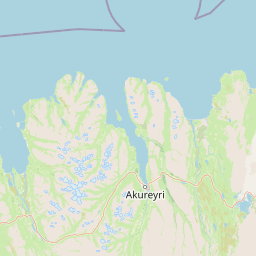
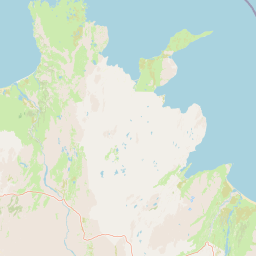
- OpenStreetMap contributors: base map for the real-location figure.