
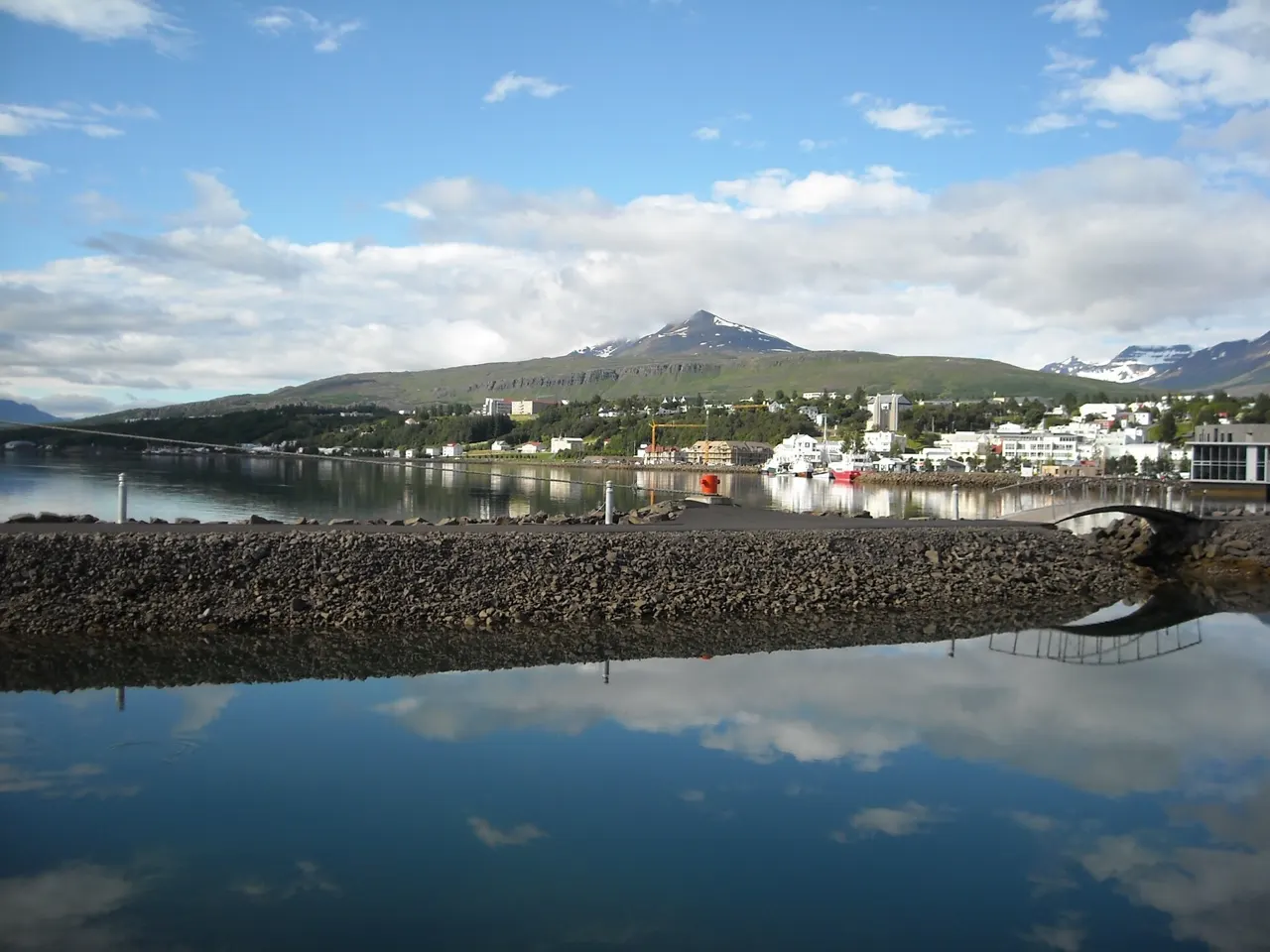
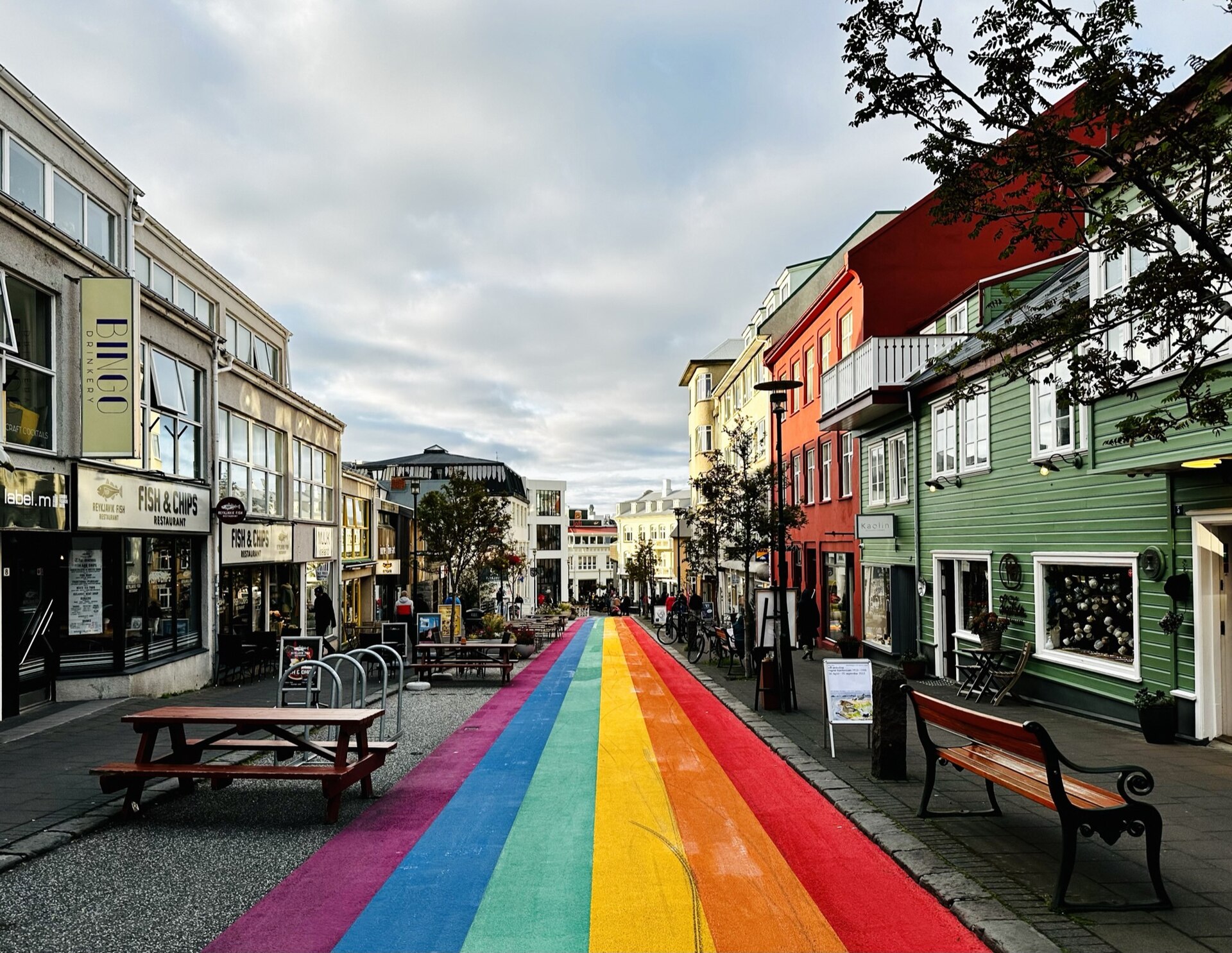
The first condition for a workable self-drive is accepting that one main line may be enough for today
North Iceland looks simple on a map: Akureyri is to the west, Goðafoss lies along Route 1 heading east, Mývatn is about 50 km farther east, and Húsavík is north via Route 85. In winter, every turn, parking stop and snow-clearing delay stretches the estimate, while local public transport cannot replace every short hop on demand. Limit the day's promise to one theme and you leave room for a sudden orange wind warning, a message from the rental company or a problem with the car's heating.
Akureyri to Goðafoss is about 35 km, around 35 minutes; Mývatn is about 80 km away, around 75 minutes; and Mývatn to Húsavík is about 55 km, around 50 to 60 minutes. These are directional figures for dry roads. On the day, check road colours, closures, works and cameras on the Iceland road conditions website, then use the Icelandic Meteorological Office for wind direction and snowfall. If the morning shows a slippery surface or blowing snow, remove the furthest branch rather than chasing the schedule through darkness and reflected snow.
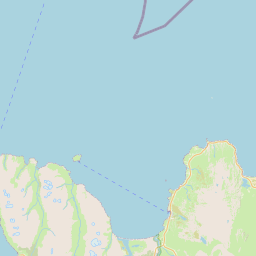
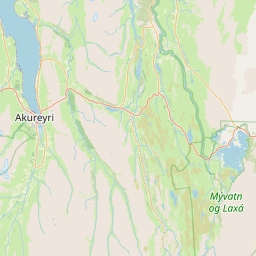 AkureyriSupplies / accommodation baseGoðafossRoute 1 stopoverMývatnGeothermal / volcanic landscapeHúsavíkHarbour / whale watching
Vehicle, tyres and driving responsibility: four-wheel drive only solves part of the problem
Before renting for winter, check the vehicle terms, winter tyres, vehicle height, all-day road restrictions and whether the car may be taken on specific branches. Four-wheel drive helps with pulling away, hills and snowy parking spaces. It does not shorten braking distance on ice or make a mountain pass safe when visibility drops. If you are not used to handling a car on icy roads, a shorter main route and a first night in Akureyri, where garages and supermarkets are easier to reach, is usually more useful than hiring a larger vehicle.
Before setting off each day, prepare screenwash, a charging cable, warm layers, water and simple food, and keep the tank at least half full. The Akureyri–Mývatn return drive is about 160 km, with limited services on the way and darkness possible on the return. From Mývatn, you still need to reassess Route 862 before heading to Dettifoss; a nearby hotel does not make a remote gravel road automatically viable. Compare the two sides of Dettifoss in winter before deciding.
Three bases, three different winter pay-offs
| Base | Best for | Winter trade-off | Budget per night for two |
|---|---|---|---|
| Akureyri | Supplies, a town walk, Goðafoss and Mývatn day trips | About 160 km return to Mývatn; a long drive back in snow | About 18,000–32,000 ISK |
| Mývatn | Geothermal areas, Dimmuborgir and Nature Baths | Fewer rooms and dinner options; remote-road decisions are still yours | About 22,000–40,000 ISK |
| Húsavík | The harbour, the whale museum and early whale watching | About 92 km to Akureyri; sailings depend on sea conditions | About 20,000–35,000 ISK |
Akureyri is the most forgiving choice for a first North Iceland self-drive: a town-centre hotel lets you walk out for food, and vehicle support is easier to find if something goes wrong. Compare the Akureyri destination guide with Hotel Kea Akureyri. Mývatn trades the morning drive for more time at the sights, but you still need a route back to your accommodation when the weather turns; check check-in hours, dinner service and cleared parking before booking. Choose Húsavík backwards from the activity: if whale watching checks in at 10:00, staying within walking distance of the harbour the night before is more controlled than driving 92 km over ice at dawn.
Which activity should you lock in first?
Mývatn's baths, geothermal areas and volcanic craters can be split around the weather. Whale watching has a fixed departure, and sea conditions decide whether it succeeds. If whale watching is the centrepiece, read Húsavík whale watching: stay or day trip before choosing the route. If the priority is Mývatn's geothermal scenery and snow, two nights in Akureyri or one night in Mývatn can both work; confirm transfer addresses, clothing requirements and cancellation deadlines when booking. For products with transfers, use the three platforms below to cross-check the same-day meeting point and refund terms.
Choose the base, then compare North Iceland activities
Compare the same date, party size, meeting point, transfer area and cancellation deadline. Activity availability, prices and winter operations can change.
Build a timeline you can finish each night
The two-night version starts and ends in Akureyri. On the first afternoon, collect the car, buy food, learn the vehicle and walk around town. On day two, follow Route 1, stop at Goðafoss, choose one or two Mývatn sights, and begin the return around 3 pm. This leaves room for slower travel and finding a cleared parking space. If the morning brings a blizzard, switch to the town pool, a museum or Forest Lagoon and move the activity to another day.
With three nights, spend the first two in Akureyri and move to Húsavík for the third. Do not add Dettifoss to the moving day. After arriving at the harbour, leave your bags, confirm the next day's sailing and then visit the whale museum or walk the harbour. If sea conditions cancel the sailing, a cancellable night gives you the option of returning to Akureyri instead of rebuilding the whole north in one evening.
With four full days, spend two nights in Mývatn and give Route 862 and Ásbyrgi a full day of their own. This northeastern stretch depends on winter access and weather, so its viability cannot be calculated from the main-road drive time alone. For the rhythm of a four-day northern route, see the four-day North Iceland itinerary. If you are travelling north from the east, read Egilsstaðir to Mývatn in one day first, so a cross-region transfer does not become an activity day by accident.
When the roads worsen, cut stops without breaking the trip
Keep activities close to your accommodation and easy to finish early as the first priority. Next, protect a paid-for boat or tour that is hard to reschedule. Leave remote branches, long walks and sunset photos until last. When a road warning escalates, stop somewhere safe, contact your accommodation and the activity supplier, and confirm the change or refund. North Iceland in winter without a car offers another way to think about the route: self-drive brings flexibility, but you also carry the road, vehicle and fatigue decisions yourself.
ICENAVI · NORTH WINTER ROUTE CHECK
Let the base absorb the weather before you add a sight
For a first winter self-drive, stay two nights in Akureyri. Put Mývatn's natural sights inside a daylight window with better road conditions, and use a Húsavík harbour base when an early whale-watching check-in matters. Keep one cancellable room per night and check each activity's terms separately.
More reading
Q&A | Planning a North Iceland winter self-drive
Is northern Iceland suitable for a first winter self-drive?
Consider it only if you have snow-driving experience, check roads daily and keep the main route short. Without that experience, use activities with transfers or public transport.
Can I visit Mývatn from Akureyri in one day?
On dry roads, the roughly 160 km return is possible, but choose only one or two stops and leave time for wind, snow and an early return.
Do I have to stay in Húsavík for whale watching?
For an early check-in or unstable winter sea conditions, staying near the harbour reduces a long snowy drive. Consider starting in Akureyri only for a later sailing.
Can a four-wheel-drive car reach Dettifoss regardless?
No. Check the status of Route 862, wind, snow, visibility and the rental terms on the day you leave.
References
- Umferdin: road conditions and restrictions.
- SafeTravel Iceland: winter driving and safety guidance.
- Icelandic Meteorological Office: wind, snow and warnings.
- OpenStreetMap contributors: the base map used here.
A winter base plan should also record the actual car-return time. Akureyri offers supplies and help in town, Mývatn saves the next morning's drive, and a Húsavík harbour room supports an early whale-watching start. Write fuel, clearing windows, parking, walking, lunch, luggage handover and check-in buffers into each day so you can see which stop to remove when snow slows the road. Keep a cancellable room, a fully charged phone, offline maps, warm clothing and at least half a tank, and you will still have choices when a storm changes the route.
Everyone travelling with you should know the latest return-to-base time, along with the contact method and rescheduling terms to use if a road warning escalates.
Winter accommodation and drive-time supplement
Write room prices, check-in and actual time on site back into the budget table. Check every booking for its cancellation deadline, late check-in, parking, drying space and nearby restaurants that are still open. Staying in Akureyri for consecutive nights buys you supplies and garage support; a night in Mývatn saves the morning return; a harbour room in Húsavík reduces dawn snow driving. The roughly 75-minute Akureyri–Mývatn drive is only a dry-road reference. Fuel, parking at Goðafoss, lunch and clearing the windows can push the day's driving window beyond four hours, and two more Mývatn stops mean turning back in the early afternoon. Mývatn to Húsavík is about one hour, but still needs time for harbour parking, luggage handover and activity check-in. Put those minutes into the itinerary to see which part of your sleep an extra waterfall really takes.
Calculate driving time when winter darkness arrives early
Walking from the car park to the viewpoint, putting on crampons, clearing the headlights and finding a toilet all count as route time. Write the latest return-to-base time before setting out so Goðafoss, Mývatn's geothermal area and a harbour walk each have a clear deletion order. When an activity is cancelled, return to the hotel, pool or museum rather than filling the gap with an improvised trip through a storm. Compare rental insurance, fuel, parking, accommodation and non-refundable tickets across the whole trip for two to see the real return of a base's distance. Keep the phone fully charged, download offline maps, write the accommodation address on paper and tell your companions the expected return window before leaving the main road.