
ICENAVI WATERFALL FIT
Score the landmark, cave and wet-weather commitment separately
Scores reflect arrival efficiency, viewing angles, the water-crossing threshold, rainy-day flexibility and fit with a South Coast route; water level, trail conditions and parking arrangements should be checked on the day.
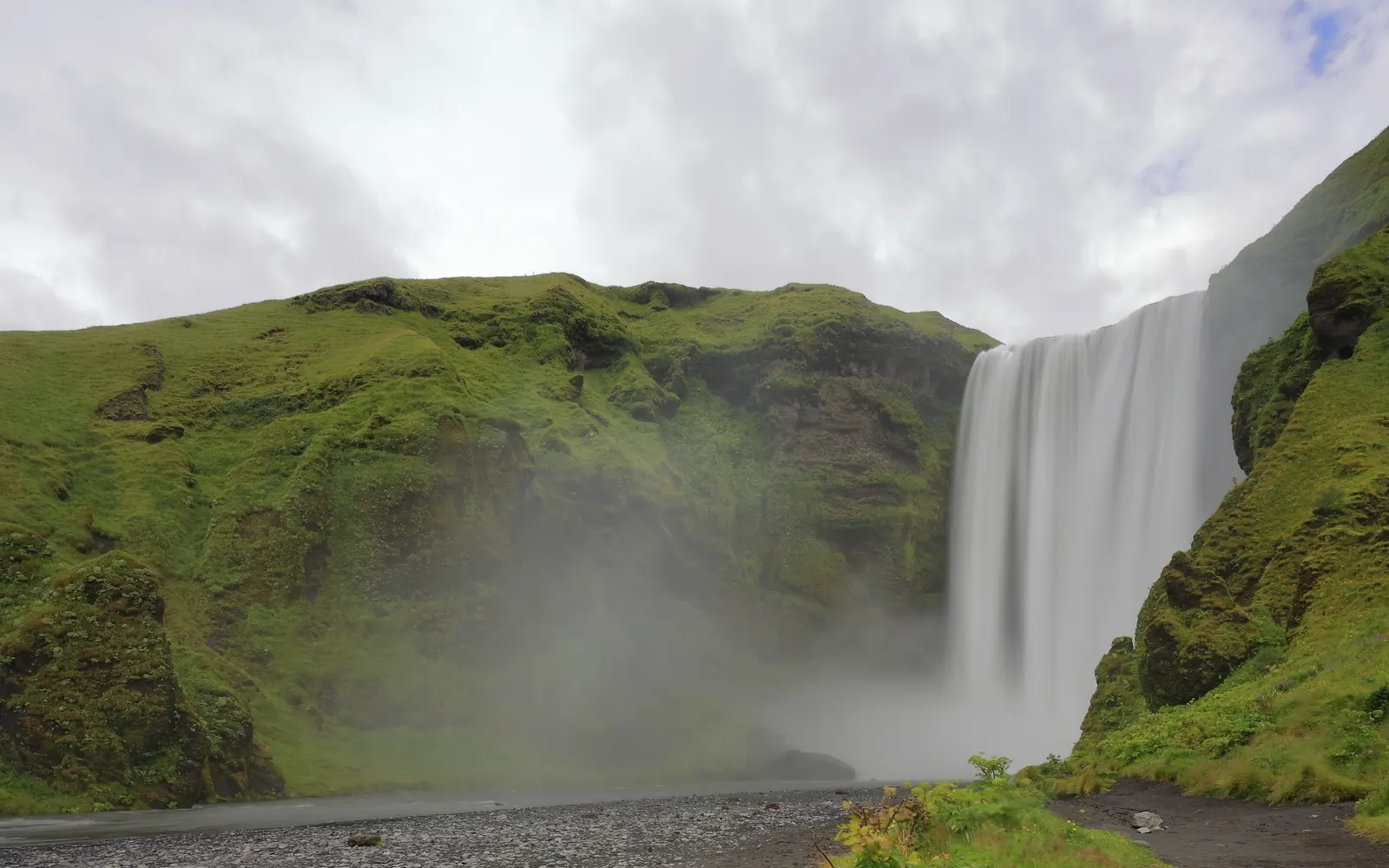
Seljalandsfoss works from both the front and rear; Gljúfrabúi wins through its canyon setting and narrow entrance cascade.
The waterfall is only minutes from parking, which suits a transfer group or a tight South Coast connection.
Reaching Gljúfrabúi may mean stepping on rocks or through shallow water; rocks are slippery after rain. Stay outside the canyon if you do not want wet feet.
Rain gives both waterfalls more volume but makes the rear path and stream mouth more slippery; Seljalandsfoss's outer area is easier to leave quickly.
The location links well with Skógar, Sólheimajökull and Vík; the full cave version uses more time that could otherwise go to another stop.
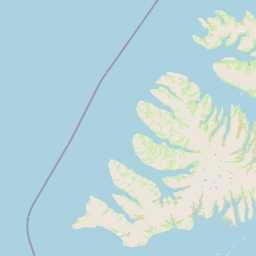
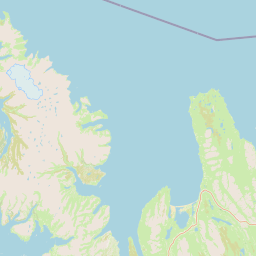
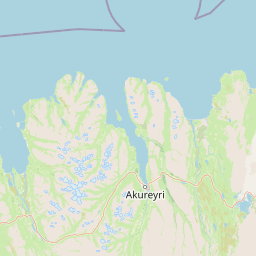
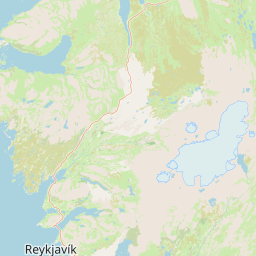
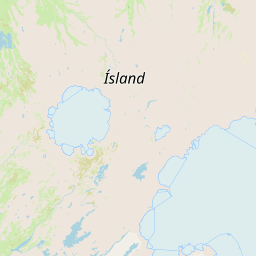
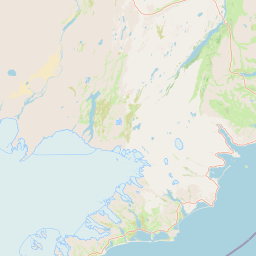
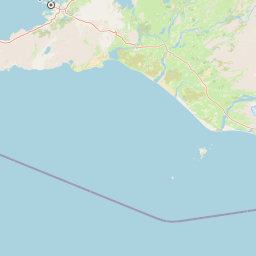
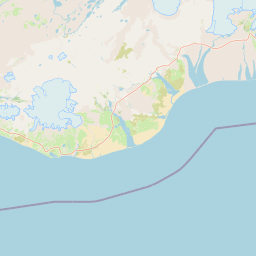
 SeljalandsfossAbout 5–6 minutes from parkingGljúfrabúiAbout 300 m / stream mouthSkógafossMajor South Coast landmarkVíkAccommodation / dinnerSólheimajökullActivity meeting direction
Seljalandsfoss gives you the full landmark in minutes
Arriving early has practical benefits: parking is easier to find, the crowd behind the curtain has not fully gathered, and you can adjust your clothes after the loop. Later in the day, sun angle and wind can change where the spray lands, so your viewpoint may not resemble the photos you saw. Treat Seljalandsfoss as a stop that can be short or slow, and the South Coast route is easier to arrange.
Seljalandsfoss drops forward from the cliff, and its distinctive feature is the path behind the falling water. This section needs grippy footwear: the rock is wet, wind pushes spray towards you, and phones and glasses quickly develop a film of mist. To stay dry, use only the front viewing platform; if you want the rear path, a rain jacket is more useful than an umbrella, and the camera belongs in a genuinely resealable bag.
The short walk from parking makes it a strong transfer-day stop. Heading east from Reykjavík, you can continue along the South Coast after seeing it in the morning; heading west from Vík, it is also manageable as the final waterfall before returning to town. Count parking fees, toilets and on-site payment separately: viewing the waterfall itself can be free, while vehicle charges follow the arrangements on site.
Gljúfrabúi starts with one question: are you willing to get your feet wet?
Before the entrance, watch where other visitors place their feet and decide whether to go in. The stream mouth has no fixed depth, so grip underfoot and the current water level matter more than a number written online. Pack thin spare socks and a resealable bag so wet items can be isolated in the car; that small preparation keeps a short exploration comfortable.
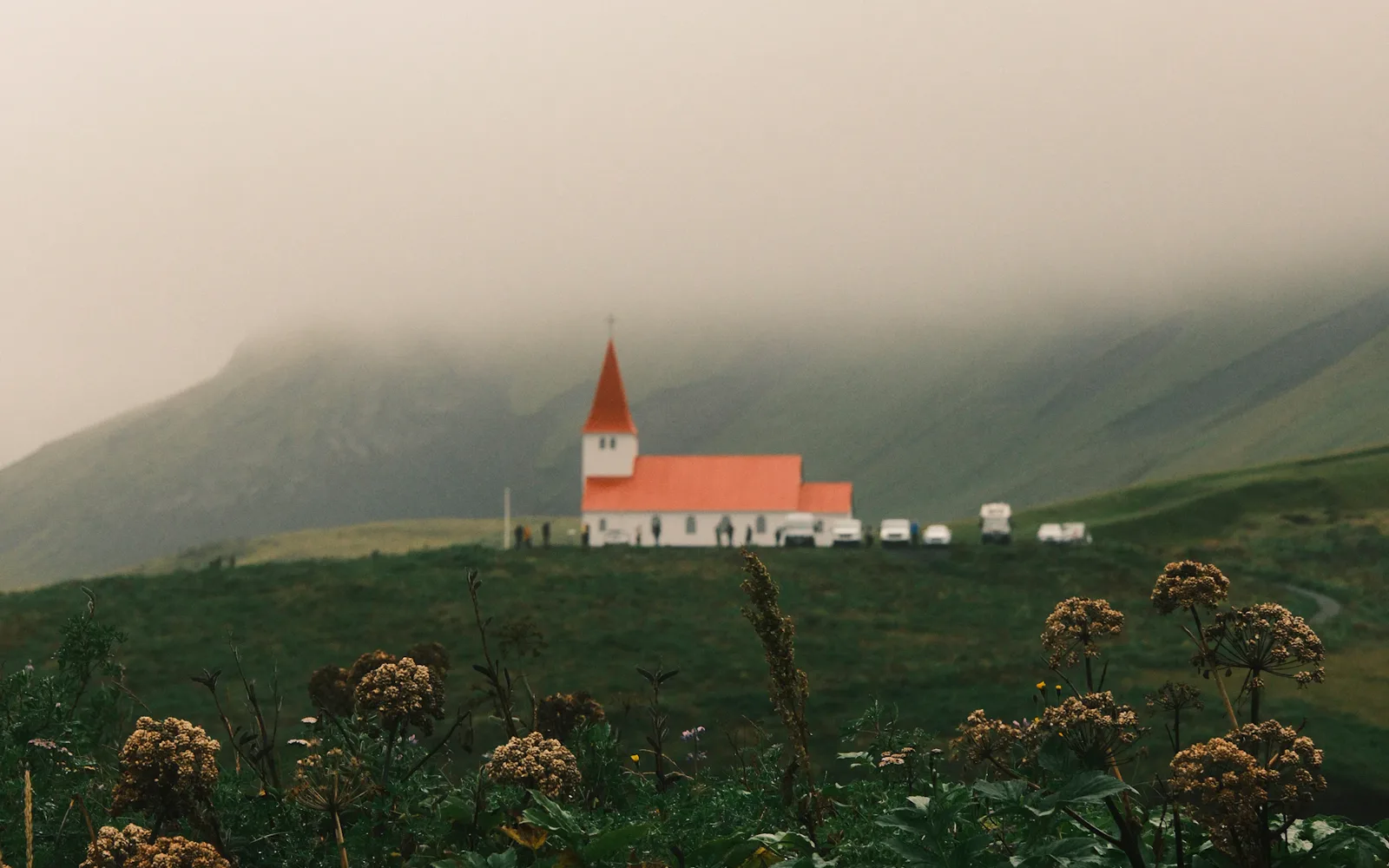
Gljúfrabúi is hidden in a narrow canyon, and the entrance follows the stream for a short distance. When the water is low on a clear day, stepping across rocks can bring you close to the curtain; after rain or during snowmelt, the current and rocks can make the same route entirely different. Without waterproof shoes, you can still see part of the waterfall from outside the canyon, so there is no reason to take a risk just to reach the deepest point.
The scene feels quieter, but it depends more on the people there at that moment. Some visitors change shoes at the entrance; others take their time in rain trousers while looking for a stable foothold. Allow about an hour for that waiting and moving around. With children or older travellers, have one person check the route first while everyone else stays on dry ground; the day will be much more comfortable.
Plan the next stop after getting wet
After Gljúfrabúi, shoes and trouser hems may not dry immediately. If the next stop is a glacier-hike meeting point, change socks and put on a waterproof layer in the car before deciding whether to continue. If you are simply driving to Vík, plan a quiet meal where body and clothing can recover. On a short trip, wet clothes make every later stop feel rushed.
Seljalandsfoss parking and the Gljúfrabúi path occupy the same geographic area, but there are two ways to retreat: after the front view, return to the car; after entering the canyon, leave along the same route. Before setting off, put the car key, towel and power bank in one small bag, so the return does not become a search through luggage in the rain. You will have less scrambling and more time for the scenery you actually came to see. If someone in your group dislikes spray, agree on an outer meeting point first rather than searching for each other at the canyon mouth.
| Your situation today | Better route choice | Time allowance | Handle first |
|---|---|---|---|
| Only 30–45 minutes | Seljalandsfoss front view | About 30–45 minutes | Parking, water, whether to walk behind |
| You want to see behind the waterfall | Full Seljalandsfoss loop | About 60–90 minutes | Waterproof outer layer, shoe grip, camera protection |
| You are willing to cross water and want a quieter angle | Add Gljúfrabúi | About 1.5 hours total | Water level, rocks, group roles |
| You must reach Skógafoss or Vík accommodation in the afternoon | Choose one | At most 1 hour | Drop the other South Coast stop |
Link the South Coast stops by letting the waterfalls set the count
Seljalandsfoss and Gljúfrabúi work on the same day as Skógafoss, but do not budget five minutes for each of three waterfalls. If you complete Seljalandsfoss and then enter Gljúfrabúi, choose between Skógafoss and Sólheimajökull for the next stop; if you only see Seljalandsfoss from the front, there is room for both Skógafoss and Vík's black-sand beach.
From Hvolsvöllur, treat the two waterfalls as one cluster in the morning and continue towards Vík in the afternoon; from Vík, check the weather first before choosing the wet route. To separate the timing of a day tour from a self-drive stop, read the South Coast day-tour timing comparison; the meeting time directly affects whether you can walk into the canyon.
ICENAVI · SELJALAND CALL
Choose the dry short stop for the big waterfall; choose wet feet for the hidden angle
Seljalandsfoss is responsible for a quick, complete South Coast landmark; Gljúfrabúi is responsible for an exploration that needs grippy shoes and patience. Check how much time you have and where you sleep next, then decide whether spray belongs in the car. The choice affects lunch, socks and the following day's energy, so write it into the itinerary before setting off. Make it clear in advance and there is one fewer last-minute debate; travelling companions can then opt out without disrupting the plan.
Q&A | Before visiting Seljalandsfoss
How far is Gljúfrabúi from Seljalandsfoss?
About 300 metres, across the same grassy area and path; the actual time depends on the parking position, crowd and water level at the stream mouth.
Can you walk behind Seljalandsfoss?
Yes, you can follow the path behind the waterfall, but spray and rock make it very wet. A waterproof outer layer and grippy soles are more practical.
Do you have to cross water at Gljúfrabúi?
The entrance often involves stepping on rocks or through shallow water, and the depth changes with the weather. If you do not want wet feet, view it from outside the canyon.
How long should you allow for both waterfalls?
About an hour for the outer views; with the rear path and canyon entrance, allow about one and a half hours.
Can you visit them with Skógafoss on the same day?
Yes, but after completing both waterfalls you should remove other stops and lock in time for Vík accommodation or a glacier activity.
Are they suitable with young children?
The outer Seljalandsfoss area is easier to manage; Gljúfrabúi's stream mouth is wet and slippery, so have an adult check the route before deciding whether to enter.
References
- Visit South Iceland | Gljúfrabúi (location, canyon terrain and visitor information for the waterfall).
- Seljalandsfoss | Location (Route 249, parking area and walking distance).
- Seljalandsfoss | Waterfall hike (the Seljalandsfoss and Gljúfrabúi walking distance and route).
- OpenStreetMap contributors (the real map base used here).