
Photos of DesignMarch can make it look like a polished indoor show: white walls, chairs and something that looks expensive. The official 2026 material shows a wider spread: more than 100 exhibitions, 150 events and about 400 creative practitioners, with venues ranging from Harpa, museums, galleries and studios to swimming pools, restaurants and the waterfront. The city becomes part of the exhibition; the trade-off is that staying beside one venue will not solve every evening transfer.
Start with what is confirmed for 2027
| Information | Confirmed now | What this does not prove | Trip implication |
|---|---|---|---|
| Reykjavík City 2026–2028 festival decision | DesignMarch will continue to receive city support and remains a recurring cultural fixture | This does not replace exact 2027 dates or ticket release | You can hold a spring window, but do not lock in non-refundable plans |
| Official DesignMarch 2026 programme | How city-wide exhibitions, DesignTalks, opening events and varied venues work | 2027 will have the same themes, speakers or exhibition addresses | Use it to test whether you genuinely enjoy this dispersed format |
| Third-party 2027 dates | Treat them only as leads, not as payment evidence | They are not organiser confirmation and may not include updated venues | Wait for the official programme before buying tickets, booking stays or changing flights |
This page helps you avoid a common mistake DesignMarch is an annual event, but that does not mean this year's dates have been published. For now, hold a cancellable Reykjavik window and keep dates circulating online out of your itinerary until they are confirmed.
For city-wide design, a map beats a category list
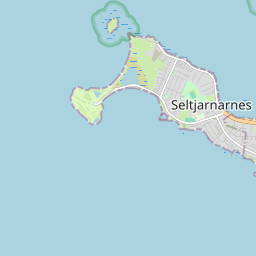
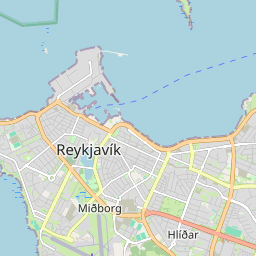
The official 2026 material mentions Harpa, Reykjavík Art Museum, Museum of Design and Applied Art, Nordic House, Gróska, Elliðaár Power Station, Ásmundarsalur, National Museum, Hafnartorg, Gamla Bíó, plus less typical venues such as swimming pools and Nauthólsvík. The four city points below help you judge accommodation and transfers. They are not a 2027 venue map; they show that “city-wide” has real directional consequences.
Three visitor profiles: decide whether you are buying content or density
| What are you coming to DesignMarch for? | Nights to plan | Lock in first | What is easiest to waste |
|---|---|---|---|
| DesignTalks / professional events | Two or more nights | Conference start time, language, ticket type, and Harpa-to-hotel transfer | Arriving late or missing conversations after driving too far during the day |
| Exhibitions and city design only | One night plus a half-day | Two walking loops, opening days, and an indoor fallback | Spending five minutes at each of ten exhibitions |
| Travelling with a companion when only one of you is interested | Two nights | A city-centre plan for the other person while one attends | Turning a professional conference into everyone's shared task |
| Already in Reykjavik | Do not add a night specifically for it | One public exhibition or city route that day | Disrupting an otherwise logical ring-road route simply for the festival |
The common mistake is assuming that more events require more nights. Choose one line you can actually complete, such as Harpa → Hafnartorg → one city-centre exhibition, and leave a more distant venue for spare time. Design week is not a test you fail by missing one exhibition.
| Plan | Time cost | What it costs | City-day alternative |
|---|---|---|---|
| Use half a day for free exhibitions | About one walking loop, plus entry, time inside and coffee | Give up another district, but avoid ticket pressure | Add a city-centre museum, harbour walk or indoor restaurant |
| Keep one night for DesignTalks / an opening | Fixed from afternoon into evening; allow for check-in, seating and returning after the event | Ticket price, dinner timing and sleep before an early start | Plan one indoor theme the next day and skip another distant venue |
| Keep two nights for several venues | At least two city half-days, plus one cross-district transport buffer | An extra room night and its cancellation terms, in return for not cramming every event into one day | Keep one priority theme for the second night and decide on the rest after checking opening hours |
| Reshape the ring-road trip for design week | Rearrange the city base, car pick-up / return and departure time | The opportunity cost of changing long drives, sights or hotel moves | Take half a day from an existing Reykjavik city day without adding another transfer |
One hundred exhibitions in 2026 does not mean 100 must-see stops
The official 2026 material lists more than 100 exhibitions and 150 events, taking design into swimming pools, restaurants, studios and the edge of the city. Filter the programme by theme, opening hours and geography rather than collecting numbers. Design, architecture, fashion, furniture, products, food and digital innovation may all appear; if one field is your focus, the density can actually narrow your choices.
| Ask yourself first | Keep | Drop |
|---|---|---|
| Do I want to see work, or hear people discuss design? | One main line: exhibitions or DesignTalks | A “quick look” in another district at the same time |
| Will I walk, or take a short transfer? | One or two venues in the same city area | A cross-district stop for only ten minutes |
| Would I still go in the rain? | A clear indoor entrance and opening hours | A plan with only outdoor images and no fallback |
A professional event requires a different schedule DesignTalks may run from morning to afternoon, while exhibition openings may cluster in the evening. If you want both, check ticket types and entry rules first, and leave enough time for food, charging and getting back to your room. Otherwise, you may have a full timetable without enough time to absorb what you see.
ICENAVI Design Margin Score: does your itinerary leave room to take it in?
Score each item from 0 to 2. A total of 7 or more supports two nights for DesignMarch; 4 to 6 suggests one night and one main line; 3 or below means taking a half-day from an existing city day rather than changing hotels for a city-wide event.
| Dimension | 2 points | 1 point | 0 points |
|---|---|---|---|
| Content focus | You know you are following one type of content and the choice is clear | Two types of content compete for attention | You want to see everything only because there are many events |
| Geographic density | The main programme sits within one or two walking loops | One short transfer is needed | Every event is in a different direction |
| Date flexibility | The room is cancellable while you wait for programme updates | You can change it only once | You have paid before the date is settled |
| Next-day route | No early meeting or long transfer the next day | Part of the itinerary can be delayed | A long drive follows immediately after the event |
ICENAVI DESIGN WEEK · CITY FIT
How many city days is design-week density worth?
This card assesses the logistics of taking part in DesignMarch; it does not rank exhibitions, speakers or hotels. The score combines information certainty, venue density, date flexibility, post-event transport options, and free / ticketed costs. Recheck it when the 2027 programme is published.
Official sources cover city-festival support and the shape of the 2026 event; 2027 dates, speakers, venues and tickets still await organiser announcements.
Harpa, Gamla Bíó and Hafnartorg can form a city-centre line; Gróska and other edge-of-city venues need separate transport and transfer time.
Before the official programme is complete, a cancellable city-centre booking keeps circulated dates from becoming non-refundable commitments.
An opening, DesignTalks or an evening exhibition can delay dinner and the return to your room; a city-centre base offers more indoor and walking alternatives, while cross-district venues require an earlier finish.
Free exhibitions can form a city route; calculate tickets, food, transport and time separately for DesignTalks, openings and professional events.
Two nights give dedicated visitors the most room to take things in; most travellers should start with a half-day and add a night once the official programme lines up.
Book around the last event, not just “hotels near DesignMarch”
Once dates and the programme are published, map the final event or exhibition before comparing Reykjavik city centre and Old Harbour stays. If you need to reach Harpa in the morning, breakfast hours matter more than a sea view. For Gróska or another out-of-centre venue, plan the car or bus journey, wet-weather option and dinner together.
If DesignMarch is one part of a three-day city break, three days in Reykjavík without a car can cover car-free meeting times and indoor fallbacks. If the South Coast is next, look first at a four-day city base or a southbound start; do not let an evening DesignTalks event force an exhausting departure the next day. To compare another interdisciplinary cultural event, see Reykjavík Arts Festival 2028; both use the city as their setting, but their programme density and date certainty differ.
ICENAVI · DESIGNMARCH 2027
Come for one or two works and see the city differently.
Choose the main line, then the walking loop; narrow dates and accommodation after the official programme appears. Design week can justify extra nights, but not days reduced to transfers.
This page uses the officially published 2026 programme density and venue pattern as a planning reference. Check 2027 dates, programme, ticket types, venues, opening hours and transport against the organiser's current pages. The map is not navigation.
Fit design week into a city stay
Reykjavik city planning hubCity centre or Old Harbour staysThree-day car-free itineraryMore reading
Compare other cultural events
Arts Festival 2028 date flexibilityOther cultural events in the same weekFree Winter Lights Festival eventsQ&A | Questions to settle before departure
How many nights should most travellers give DesignMarch?
A half-day is enough for city design; allow two nights for DesignTalks, exhibitions and multiple venues because a city-wide event cannot be covered at a single attraction.
Can I buy tickets before the 2027 dates are complete?
I would not. Use the official entry point to confirm the programme, ticket types and venues, then match the number of nights to the events you can genuinely attend.
Should I change hotels because exhibitions are spread out?
Usually not. A city-centre base makes walking between venues, returning after events and finding meals easier; changing rooms turns design week into luggage week.
References | Sources and limits
The following was checked on 7 September 2026; 2027 dates, programme, ticket types, venues and transport will continue to change.
- Reykjavík City | City Festivals 2026–2028 (DesignMarch's status as a city festival and continuing support).
- Iceland Design and Architecture | DesignMarch 2026 programme format (More than 100 exhibitions, 150 events, about 400 creative practitioners and examples of city venues).
- Official DesignMarch entry point (Entry point for 2027 programme and ticket updates).
- OpenStreetMap contributors (base map and open geographic data for this city's location map; the map is not navigation).
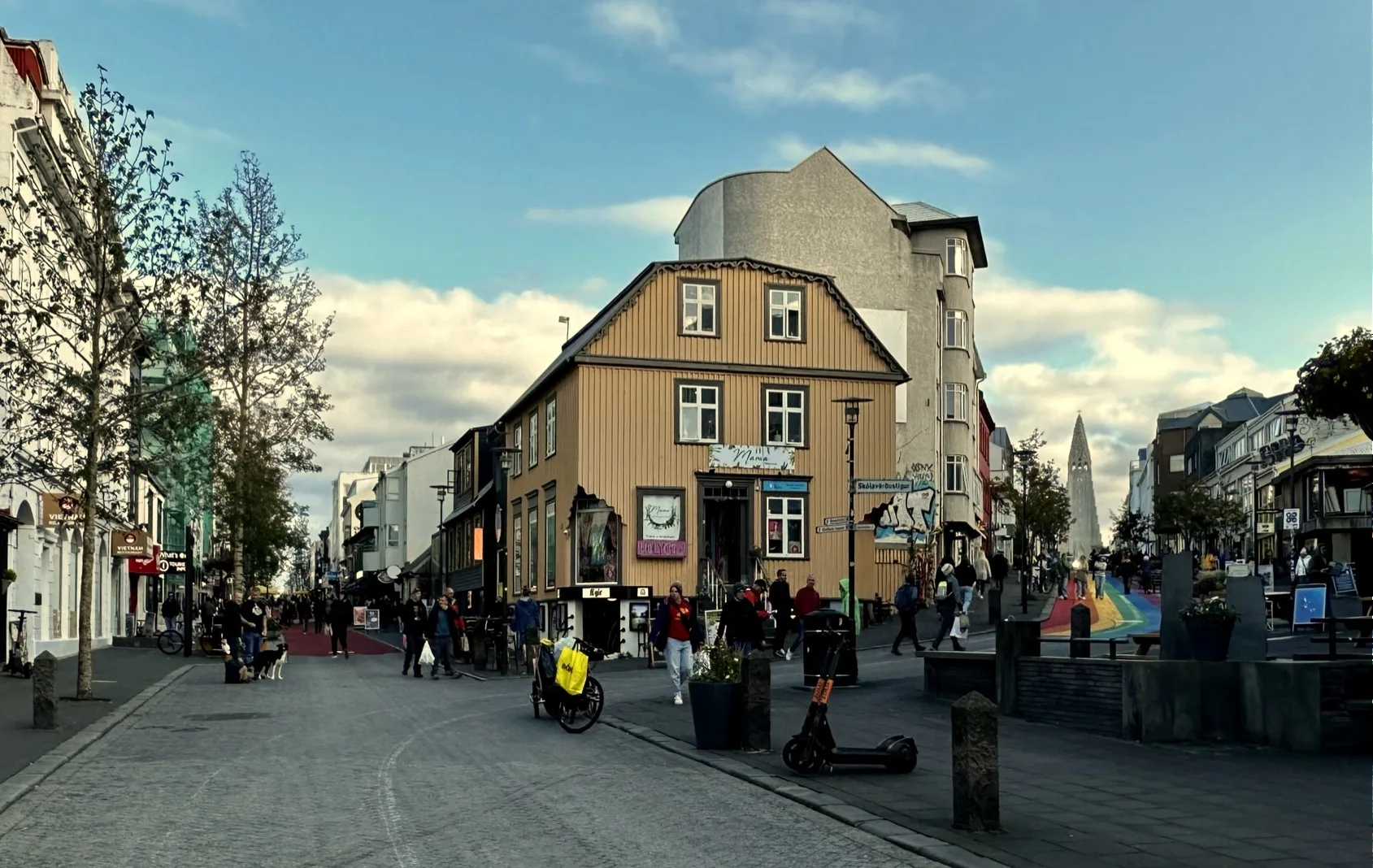
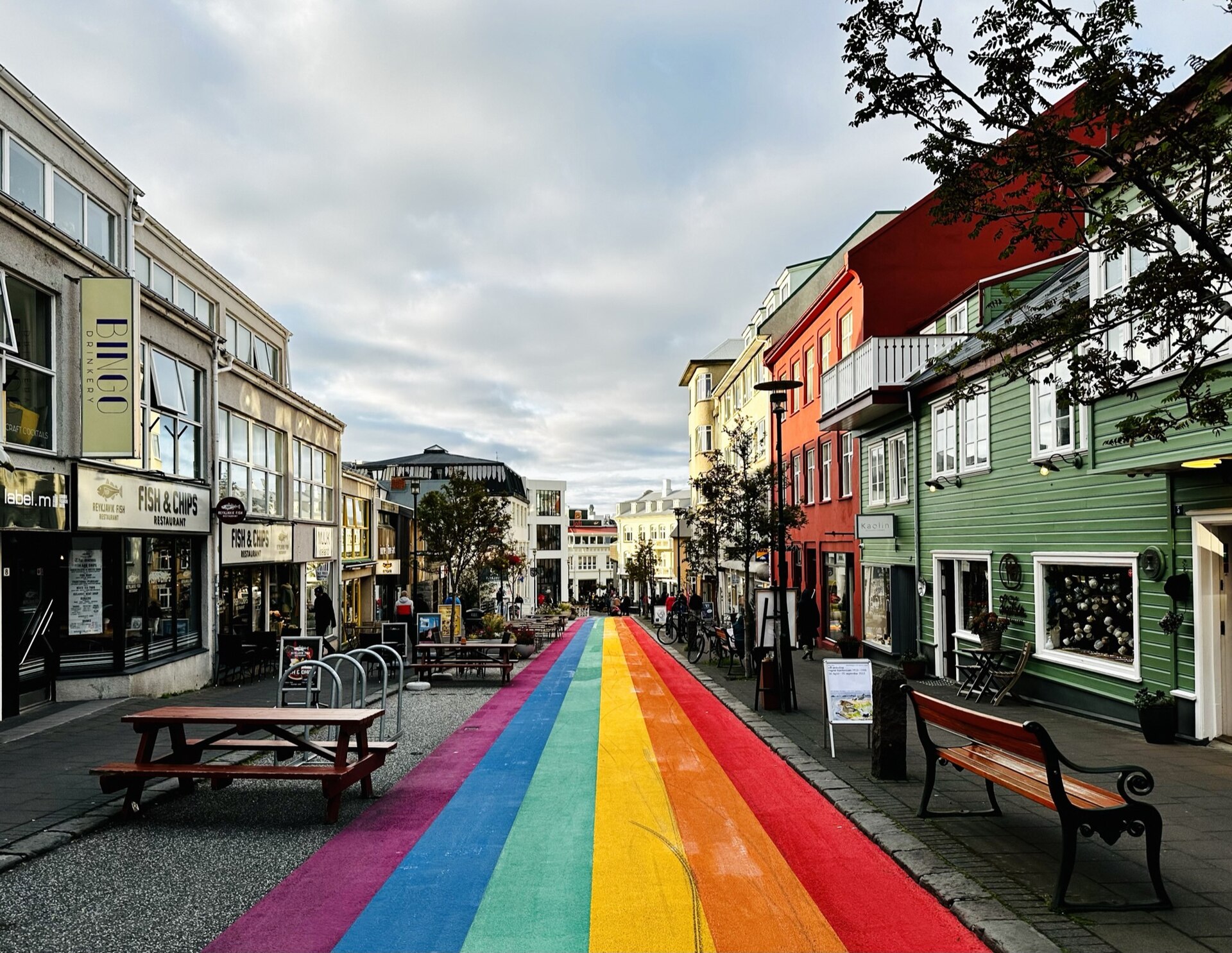
- Hero image: APK / Wikimedia Commons, CC BY-SA 4.0; the street scene only shows city-centre walking scale and is not a 2027 DesignMarch exhibition or event image.
This page is a search entry point and accommodation-planning guide for the design festival, not the organiser's ticketing page. Follow official announcements for dates, programme, ticket types and final venues.