
ICENAVI · ARTS FESTIVAL NIGHT CHECK
Leave room for uncertainty before deciding how many nights to stay
Scores are based on city festival information checked on 9 September 2026, the organiser's About/Programme pages and accommodation decision risk. Exact 2028 dates, programme, venues, tickets and transport have not been published, so the score is not a guarantee of event quality or sell-out risk.
Two nights are a sensible candidate window, but only cancellable accommodation, a non-fixed route and a city day that works without a ticket can absorb the lack of 2028 detail.
The city only places the next edition in June 2028, while the official Programme remains 2026; that is enough to mark the month, not enough to plan a particular night.
Accommodation is usually the easiest part of the plan to keep flexible. Check the cancellation deadline, payment timing and change restrictions; do not treat “free cancellation” as proof that flights or tickets can also be refunded.
Past programmes used both established and unconventional venues. Staying in the city centre/Old Harbour preserves walking and dining fallbacks, but does not mean the final 2028 performance will be nearby.
Reykjavík itself offers museums, a harbour, pools, cafés and ticket-free city walks. Even if the programme is delayed, these two nights still have a purpose.
Two nights can hold one main event and one open city day. If the next morning involves an early flight, a car return or a fixed meeting point, the final festival night has much less room to move.
Festival planning can make people rush. A few words about music, visual art, theatre and dance can quickly turn into an imagined afternoon of exhibitions, an evening at Harpa and a South Coast departure the next day. This time calls for extra care: the dates on different current event pages are not fully aligned. The useful distinction is between information strong enough to change the itinerary and information that belongs on a watch list.
Resolve the date conflict first: what is known and what is not
| Source | What it currently supports | What not to infer | Booking implication |
|---|---|---|---|
| Reykjavík City festival page | The festival runs every two years; the next edition is in June 2028 | It is not an exact date or a 2028 programme | Only mark a cancellable June window for now |
| Latest Visit Reykjavík city guide | It mentions a 30th-anniversary signal in June 2027 | It is not the organiser's published opening date, ticketing or venue plan | Keep 2027 on the verification list; do not buy a non-refundable room |
| Official festival About page | It is interdisciplinary, values new work and uses established and unconventional venues | The page still shows 2026 dates, so it is not a 2028 timetable | Wait for the official update before fixing the final night |
| 2026 Programme | It shows the shape of music, exhibitions, dance, theatre and free/public events | A past programme does not mean 2028 will repeat it | Use it only to test whether you genuinely like this level of variety |
| Hotel/flight pages | The cancellation and payment terms shown at the time | That a “festival week” is confirmed or demand must surge | Choose cancellable or changeable terms; do not let imagined booking pressure decide |
A crucial boundaryThe city festival page's 2028 reference, Visit Reykjavík's 2027 anniversary signal and the festival's 2026 display are not synchronised. The most valuable action now is to preserve flexibility until the organiser updates its pages. If another website shows an exact 2027/2028 opening date, check it against the organiser before paying; a polished search snippet is not enough.
| Decision available now | Reversibility | Best current move | Irreversible risk |
|---|---|---|---|
| Set aside two June nights | High | Look for a cancellable, date-changeable city-centre/Old Harbour room | The year is still unclear after the cancellation deadline passes |
| Lock a non-refundable flight | Low | Do not lock it unless you would visit Iceland in June anyway | The ticket cost cannot be recovered by cancelling a hotel if the programme or dates change |
| Buy festival tickets/pass | Low to medium | Wait for the official sales page, refund terms and confirmed performances to appear together | Treating a past programme as a 2028 promise can leave you with the wrong date or venue |
| Turn the ring-road route into a Reykjavík base | Medium | Change only if the two city nights still work with museum, pool or harbour alternatives | Removing the South Coast/East Iceland stops you actually wanted for an unpublished programme |
| Fill both nights in advance | Low | Fix one main event and leave the rest for exhibitions, a city walk or rest | A change in finishing time, transport or weather leaves the evening as a chain of rushed swaps |
There is no single “nearby” for this festival: compare four parts of the city
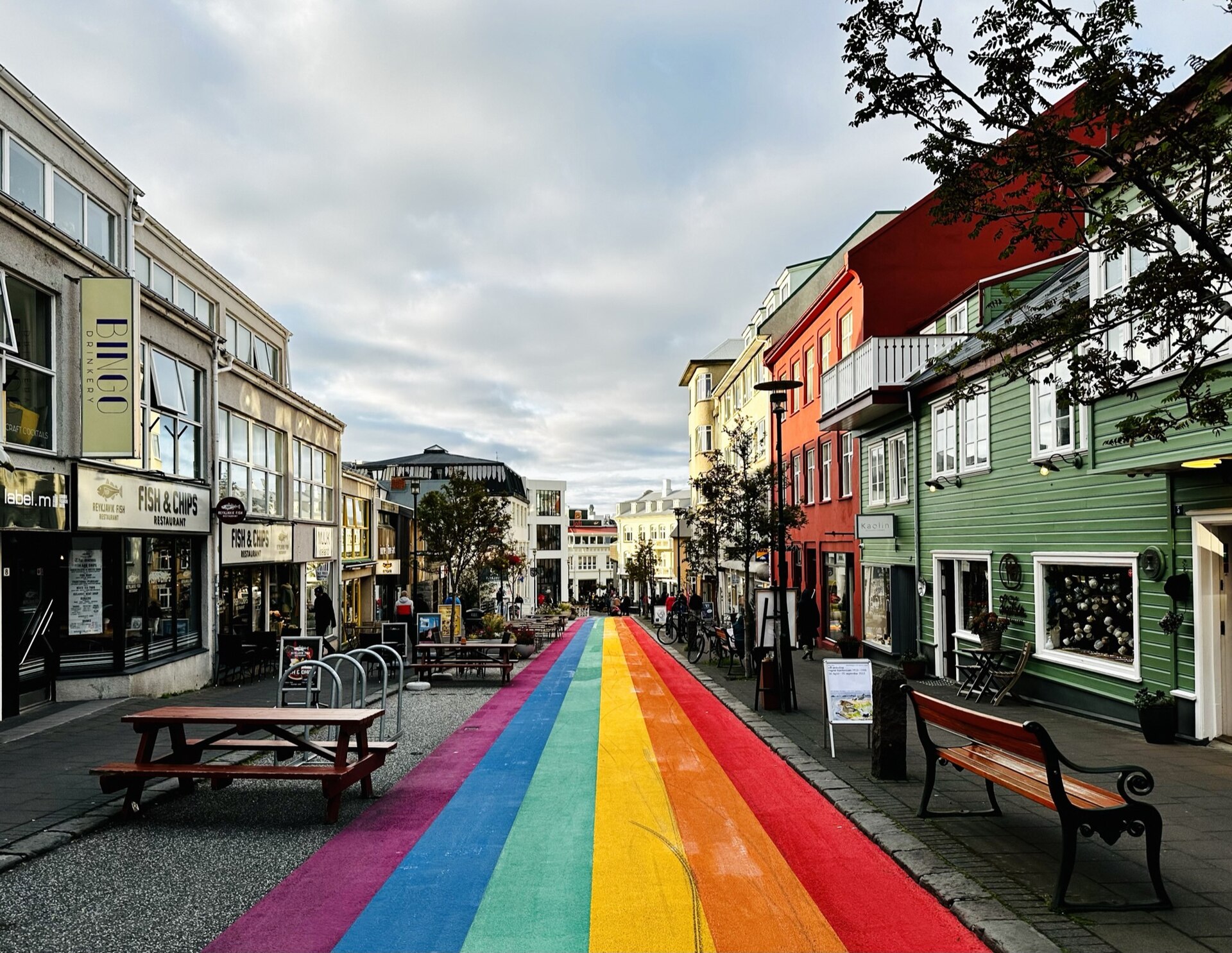
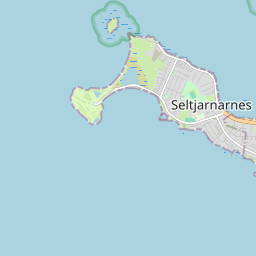
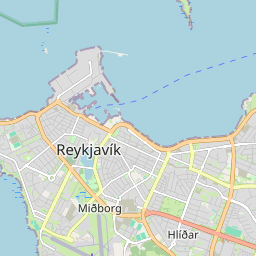
The 2026 official programme placed events at Harpa, Reykjavík Art Museum, the National Gallery of Iceland, Nordic House, theatres and public spaces. Those names show why “stay central” can still mean very different journeys back to your room. The real OpenStreetMap base below marks several familiar cultural landmarks; once the 2028 programme is published, add the performances you actually want to see.
You do not get one answer just because you are a “culture traveller”
| Your travel role | I would hold first | What to check first | Most likely regret |
|---|---|---|---|
| Only want one performance | One night, with half a day on either side | Start/end time, route from venue to hotel, cancellable room | Changing the whole ring-road trip into a daily return to the city for one event |
| Like exhibitions and city walks | Two nights, with one ticket-free afternoon | Exhibition opening days, indoor fallback, dinner and walking radius | Trying to complete every exhibition on the same day |
| Travelling specifically for new work/multiple performances | Three to four nights, confirmed after the programme | Performance density, venue changes, ticket rules, final-night direction | Buying a full run of tickets without leaving time for food, getting back or doing nothing |
| Travelling with different interests | Two nights, with only one shared commitment | What the other person can walk to, swim at or return to while one attends | Assuming everyone must be excited by the same performance |
If you simply want to feel that something is happening in the city, two nights are usually easier to make work than three: one for the main event and one for exhibitions, coffee, a pool or a public activity you find on the day. Part of a festival's appeal is leaving some spaces unclaimed; if every transfer is a race against the clock, you will remember the next venue more clearly than the city.
Use past programmes as a shape, not a 2028 promise
The 2026 official programme included music, opera, dance, visual art, family activities, outdoor events and free projects. That mix is useful because it shows the festival is not only for people sitting in a concert hall. It also means you should not promise yourself a particular venue or ticket type before the next programme exists. Ask yourself three questions:
- If only one event ultimately suits me, would I still want to spend two nights in Reykjavík?
- If the performance I want most is outside the city centre, which part of my route would I be willing to change?
- If there is bad weather, a postponement or a sell-out, is the city day I have left still worthwhile?
Break the city-base decision into five checkable questions
Give each item 0 to 2 points. At 7 or more, hold a cancellable two-night window; at 4 to 6, keep one night and wait for the programme; at 3 or below, follow the original route and do not lock in hotel costs because an event might appear.
| Dimension | 2 points | 1 point | 0 points |
|---|---|---|---|
| Date flexibility | Cancellable/changeable; wait for the official date | Only one date range works | Non-refundable while the date is unknown |
| Content appeal | The past programme's shape clearly suits your taste | Interested in only one type of event | You simply feel you “ought to see something” |
| Venue fallback | City walking, buses and an indoor alternative are clear | You need the programme to know | You still face a long drive after the event |
| Next-day direction | No early flight or fixed meeting the next day | The itinerary can change | You must leave the city or return the car early |
Where to stay only has a real answer once the programme is out
Without venue addresses, I would use Reykjavík city centre and the Old Harbour as the first layer of candidates rather than rush to buy the room nearest one building. Start with the city centre versus Old Harbour accommodation comparison, separating dinner, walking, parking and pickup points; once the 2028 programme lists the final performance, decide whether the hotel should move towards Harpa, Laugavegur or another venue area.
If you have only one full city day, the festival should be the theme of that evening. A South Coast day, a return to Reykjavík at dusk and two performances at night is too demanding for a short city stay. With three nights or more, it becomes worthwhile to give one city day in the three-day Reykjavík itinerary without a car to exhibitions and public events. If you are actually visiting in January 2027, check Dark Music Days 2027 first; it has published dates and should be handled separately from accommodation decisions for the undated 2028 festival.
If your dates fall on 17 June 2027, first handle the Iceland National Day city-day split rather than blending two events with different rhythms into a single “June culture season”. Festival performances and National Day parades/public-park activities affect transport and dinner plans in different ways.
ICENAVI · REYKJAVÍK 2028
Keep one cancellable night open and let the programme show you whether it warrants a longer stay.
Decide now which update would prompt you to change your room, tickets or route. Keeping that choice open is part of the plan.
This page uses the 2026 official programme as a picture of the festival's shape and the 2027/2028 official signals as an unsynchronised date status. Venues, programme, prices, opening times, transport, hotel availability and event rules may all change; check the current event page before paying.
Run the information gate before departure: The latest Visit Reykjavík city guide mentions a 30th anniversary in June 2027, but it is not the organiser's date page. Only when the city, organiser and programme pages agree should the candidate window become a fixed itinerary.
Make Reykjavík a useful base first
Reykjavík city decision guideCity centre or Old Harbour accommodationThree-day itinerary without a carMore reading
Other fixed dates in the same city
Dark Music Days 2027Compare cultural events in the same weekWinter Lights Festival free events and routes backQ&A | Questions to settle before departure
Can I plan while the dates are not aligned?
Yes. Plan a city base and a cancellable room, but put only the year clearly published by an official source into the non-changeable part; keep unsynchronised signals in the risk column.
Should I change the whole ring-road route for the festival?
Not before the programme and venues are published. Hold the city nights first, then wait for a performance that genuinely changes the accommodation decision.
Can past programmes become a 2027/2028 itinerary?
They can show the activity mix and venue types, but past artists, prices and times are not promises for the next edition.
References | Sources and limitations
The following sources were checked on 9 September 2026; 2028 dates, programme, venues, tickets, transport and hotel supply may still change.
- Reykjavík City | Festivals in Reykjavík (states that the festival runs every two years and the next edition is in June 2028; also lists other city festivals for comparison).
- Reykjavík Arts Festival | About the Festival (interdisciplinary, focused on new work, using established and unconventional venues; the page currently still shows 2026 information).
- Reykjavík Arts Festival | Programme (2026 activity types and venue pattern; past content is not treated as a 2028 promise).
- OpenStreetMap contributors (public geographic data and the base map for the city locator; the map is not for navigation).
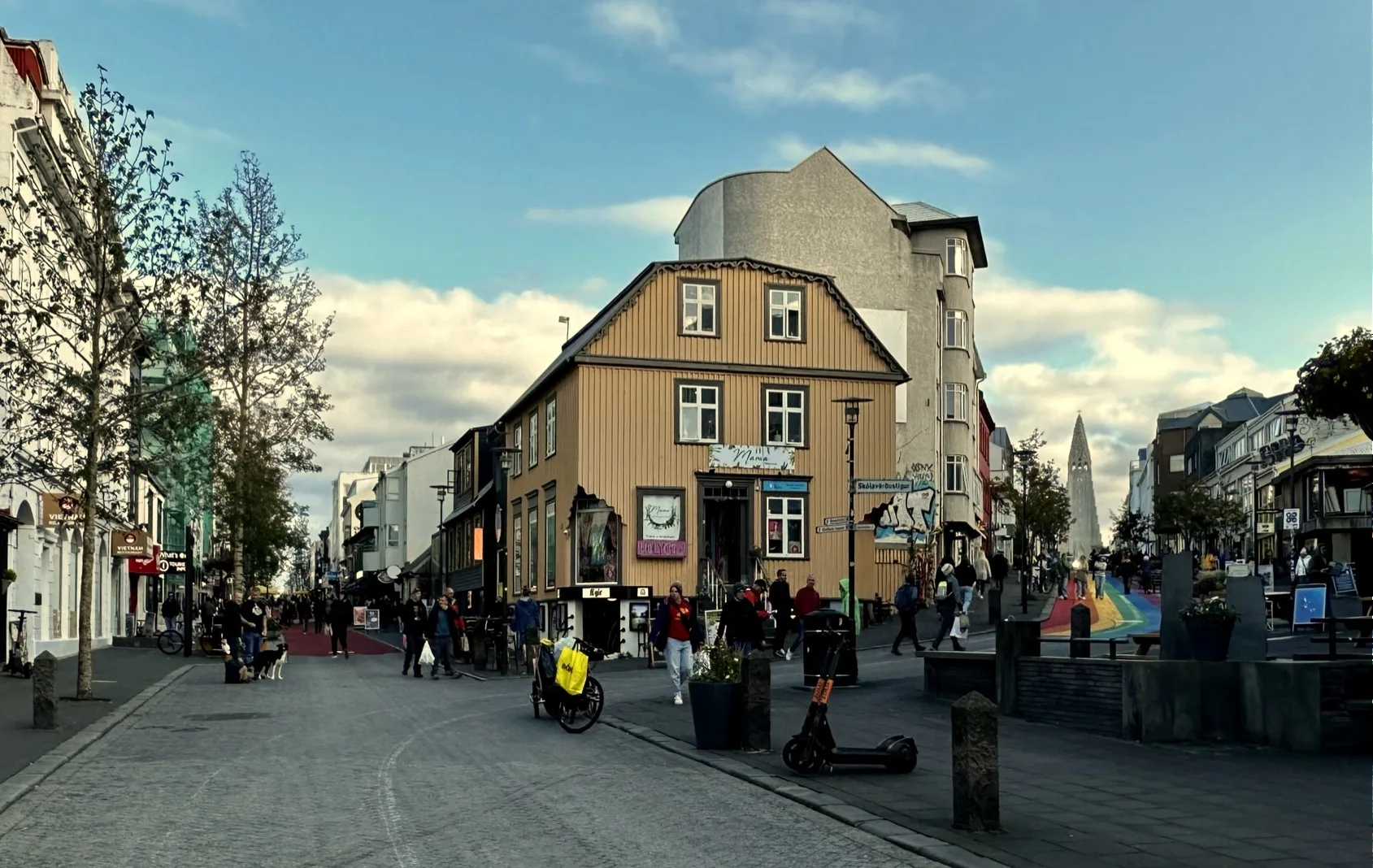
- Hero image: APK/Wikimedia Commons, CC BY-SA 4.0; the street view illustrates walking scale and does not represent 2028 venues or crowds.
This page is a search entry point and accommodation decision guide for a future festival, not an official ticketing page; dates, programme and payment terms are governed by the organiser's current announcements.