
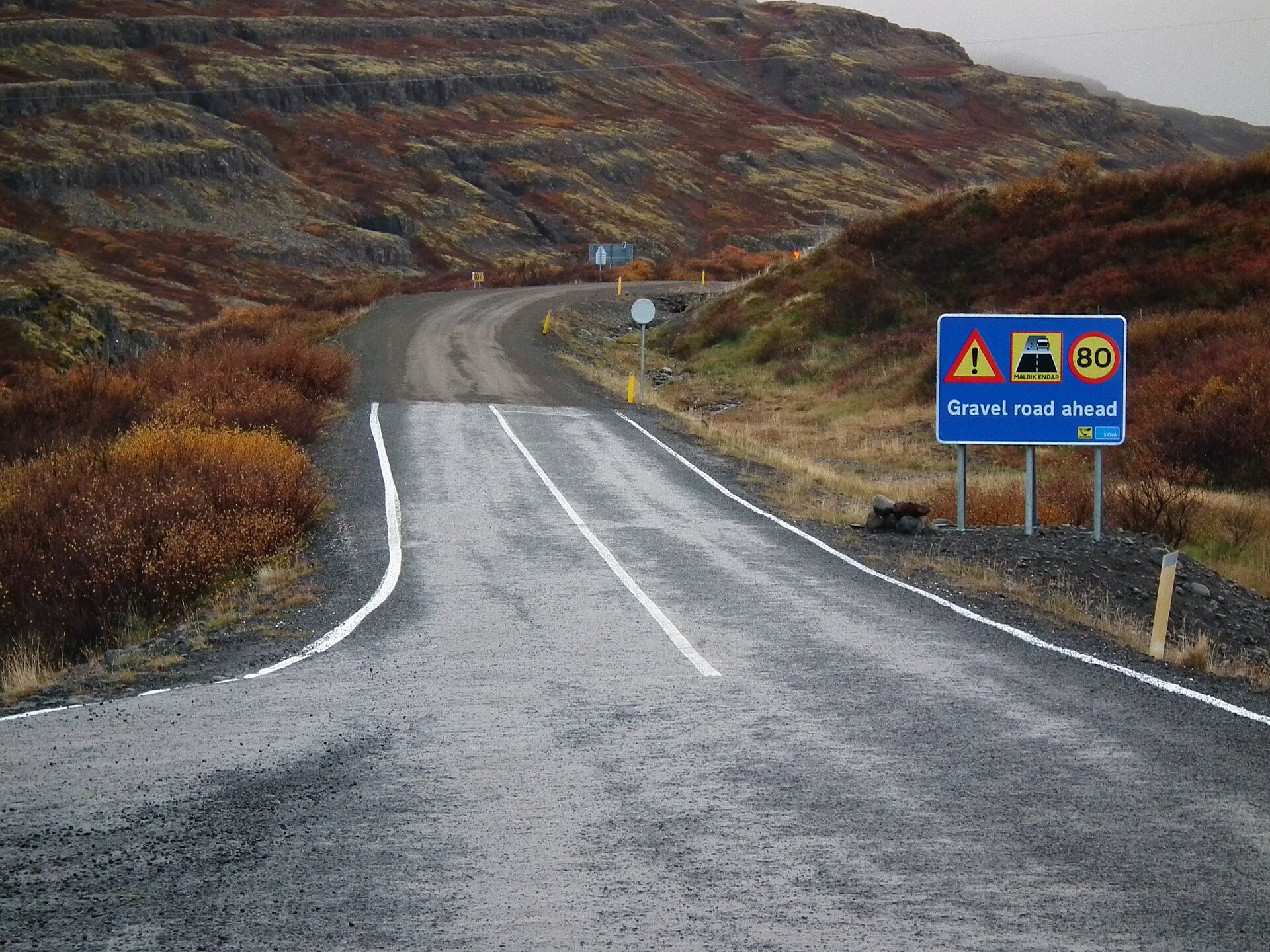
Give the Westfjords their own nights
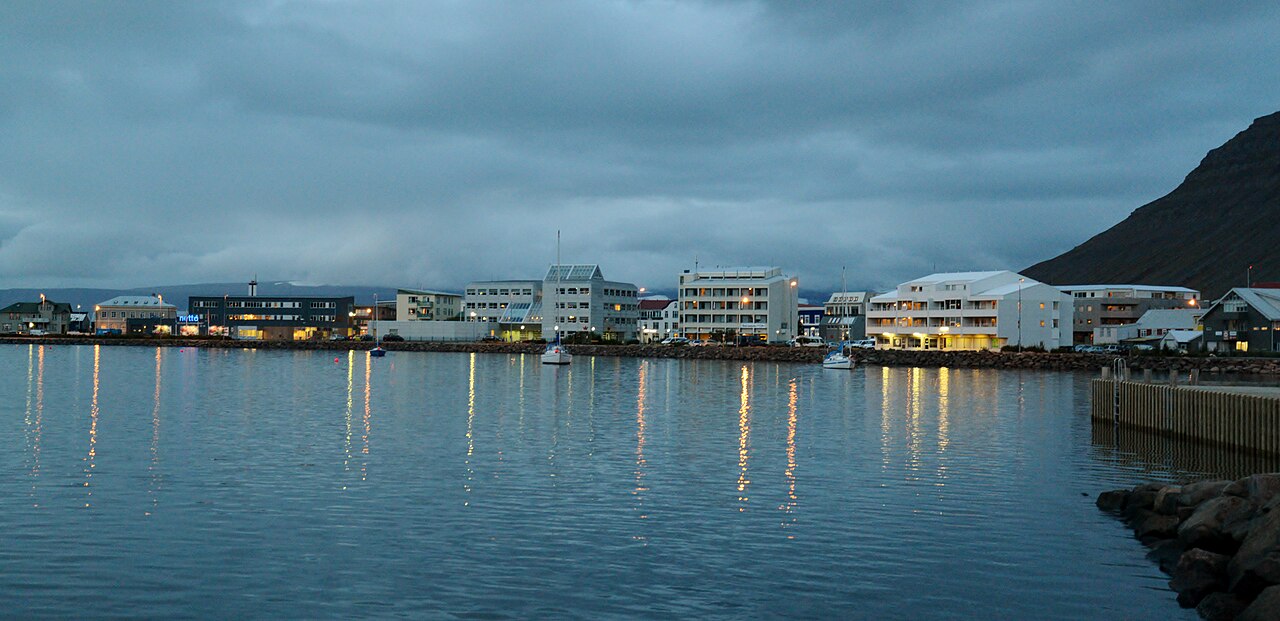
With 7–10 nights and a full Ring Road still on the list, the Westfjords usually take away the buffer that makes the rest of Iceland workable. With 11–14 nights, or 2–4 nights you are willing to give the region, build around Dynjandi, Látrabjarg and the fjord villages instead of squeezing them between hotel changes. The roads, ferry and weather need a route of their own.
ICENAVI ROUTE DECISION · WESTFJORDS FIT
Decide whether the fjords are the point of this trip
The score measures driving time, ferry and road uncertainty, nights, activity density, season and route alternatives after adding the Westfjords to a Ring Road trip. It is not a destination or road rating; official road and ferry notices on your travel dates always take priority.
On a 7–10-night trip, the Westfjords often take the buffer, rest or first and final nights needed for the Ring Road; 11–14 nights give them a chance to stand as their own region rather than overtime.
Coastal bends, gravel sections, sparse supplies and short walks after parking make the map distance feel larger; treating navigation minutes as a complete day underestimates fatigue.
The Baldur ferry can change the entrance, but sailings, season, vehicle space and roads still need separate checks; one ticket does not turn every transfer into a short hop.
Attraction density is lower; the value lies in themed days built around waterfalls, bird cliffs, fjords and towns. Free natural sights provide flexibility, not a reason to keep adding stops.
Summer brings long daylight but makes overdriving tempting; winter and shoulder season first bring limits from roads, passes and operating dates, so cancellable accommodation and towns you can retreat to matter.
The Westfjords are worth the time when you give them a separate theme, enough nights and a road fallback. If you simply fear missing a corner of the map, the main route usually deserves to stay intact.
Break “remote” into four jobs you can actually calculate
The difficulty in the Westfjords is not just kilometres. Coastal roads, gravel sections and mountain passes give the same distance a different meaning in different weather. Supplies are sparse between towns, so arriving an hour late can change dinner and refuelling plans. Attractions are spread out, and the short walk after each parking stop adds up.
The Westfjords destination guide separates the southern entrance, Ísafjörður, Patreksfjörður and accommodation roles. This article handles the earlier decision: whether the region belongs in your Ring Road plan, rather than listing waterfalls.
Once your nights and entrance are settled, read Westfjords accommodation: choosing a base on remote roads to place roads, supplies and the next day's exit against each night.
| Your trip conditions | How sensible is adding the Westfjords? | What you are really giving up | A cleaner arrangement |
|---|---|---|---|
| 7–9 nights, first Ring Road trip | Low | East/North buffer and first or final nights | Keep the Ring Road; save the Westfjords for a dedicated trip |
| 10–11 nights, southern entrance only | Medium | Snæfellsnes or a deeper North Iceland section | Enter from Borgarnes, focus on 2 nights and do not chase the whole region |
| 12–14 nights, fjords are the theme | High | It is a rewritten route, not an add-on | Allow 3–4 nights and leave room for road and ferry changes |
| Winter/shoulder season | Reassess daily | Fixed attraction promises and late-arrival risk | Check roads, operations and accommodation cancellation terms first |
Why the Westfjords should not be a final detour after “finishing” the Ring Road
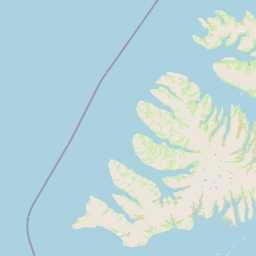
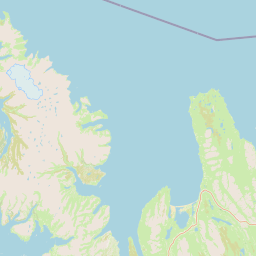
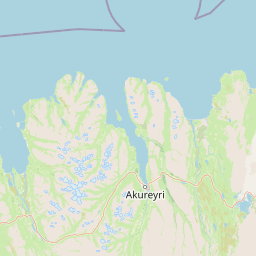
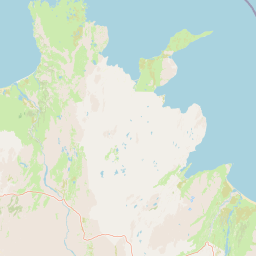
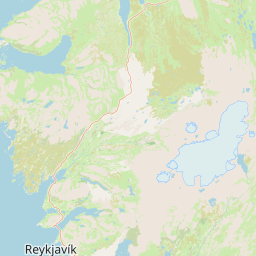
Route 1 follows Iceland's northern inland main route, while the Westfjords require a separate coastal section from the west. That geography shows up directly in hotel planning: you cannot still be staying in Akureyri at night and decide in the morning to go to Ísafjörður. Nor can you treat the southern entrance as one attraction and use the final two nights to complete every fjord.
The most common regret arrives on day ten, when the ferry, roads and accommodation turn out to point in different directions and a rest night becomes a long drive back to the main route. The 12-day Ring Road and Westfjords trade-off table deals with route shape first. With only 8–10 nights, the 10-day buffer-night plan is a better way to decide whether an extra night belongs to the main route or a branch.
ICENAVI · Westfjords threshold
Do you truly want the fjords, or simply refuse to miss that corner of the map?
If it is the latter, do not add them yet. The Westfjords' greatest value is not one more photo stop; it is having time to get out when the wind drops, resupply in a town and accept a slower road without apologising to the next hotel.
Two entrances, two entirely different trips
From the south, a common approach runs from Snæfellsnes or Borgarnes towards Brjánslækur, then along the southern fjords and bird-cliff coast. From the north, Ísafjörður acts as the base, with sights and towns more concentrated in that direction, though passes and coastal roads still govern the plan. The Baldur ferry can carry vehicles across the bay, but one ticket does not turn every transfer into a short hop; return to the official information for sailings, season and booking.
When choosing an entrance, ask where you need to be on day two: back to the Ring Road, in Snæfellsnes, deeper in the Westfjords or at the airport? If you cannot answer, do not lock a non-refundable hotel first. Read the Iceland road-conditions website and daily driving-time guide together before paying. A white road on a map cannot tell you whether today's wind will make the car door suddenly heavy.
Distance does not make a sight more valuable: use themed days instead of a place-name list
With only two nights, choose one theme: waterfalls and fjords, bird cliffs, or a town with short walks. The sound of Dynjandi, the height of Látrabjarg and the services of Ísafjörður ask for different amounts of energy. Arranging “waterfall in the morning, cliff in the afternoon, long drive at night” only turns every stop into a photograph.
Free natural sights still cost something: parking, walking, wind exposure, toilets and the next place to refuel all belong in the calculation. When wind makes a cliff edge uncomfortable, dropping one viewpoint does not mean the Westfjords have failed. Give the afternoon to a nearer town and protect the energy you need to drive tomorrow.
Which decision will the season change first?
Summer daylight gives you more hours to move, but it also makes “it is still light” feel like “it is still safe to drive”. Winter and shoulder season may limit your choices first through roads, passes or operating dates. Check roads, wind, visibility and attraction notices before departure and each morning; do not use a photograph from last July to infer what the road will be like this May.
If you choose a ferry, bird-cliff tour or another fixed activity, secure the activity before matching accommodation to it. If availability has not been checked, stop at the destination and route decision rather than adding an unverified affiliate link for completeness. If your dates fall in May 2027 during the Skjaldborg documentary film festival, the film-festival accommodation decision connects Patreksfjörður screenings, the fish feast and the next day's roads back to this Westfjords entrance.
The one-day cost of free sights: no ticket does not mean no price
The Westfjords are often described as “free natural scenery”, but your budget still needs fuel, parking, a simple lunch, potentially slower gravel roads and the time to put your coat back on in rain and wind. There is not a service station every ten minutes. Saving the last bar of fuel for “the next one must exist” usually removes more flexibility than paying an entrance fee.
For every remote sight, set a turn-back point. If the wind makes the bird cliffs unsafe to approach, a trail closes or someone travelling with you no longer wants another hour in the car, return to the nearest town instead of letting the distance already driven force completion. That stopping line makes cancellable accommodation useful and leaves enough energy for the fjord you genuinely wanted to see tomorrow. If you would rather leave the driving to someone familiar with the roads, read Iceland self-drive or a day tour, but do not use a day tour's stop density as a benchmark for a Westfjords self-drive.
Treat the cross-fjord leg as a travel day, not a string of map-distance stops
Westfjords roads wind around long fjords and cross passes and tunnels, so towns that look close on a map may still take much longer to reach. The regional travel authority warns that a short-looking distance can mean a longer drive, and winter conditions vary with passes, wind, snow and clearing work. On a first visit, choose one entrance and one main fjord, then add stops only after checking the roads that day. Do not use the kilometres left on the map to decide whether another branch will fit. The Westfjords road information is worth checking before departure and during a long transfer; if a road is closed or marked impassable, change the accommodation plan or stay at the base you already have.
If the Westfjords sit at the end of a Ring Road trip, treat ferry departures, the rental-car return and any domestic flight as hard deadlines. When weather shortens the route, protect the transport connection first and cut the distant sight. Ask whether you are willing to spend a whole day moving between fjords and whether you have a second workable escape route; if neither answer is clear, save this region for a dedicated trip.
Five checks before you add the fjords
- Do you have at least 2–4 nights, and are you willing to treat the region as separate rather than overtime?
- Have you drawn a clear direction for the southern entrance, northern base and day-two exit?
- Can everyone travelling with you accept continuous bends, fewer supplies and a later arrival at accommodation?
- If roads, ferry or activities change, do you have a cancellable room or an alternative town?
- If you could see only one theme, would you still want to go? If not, do not persuade yourself with a count of attractions.
The Westfjords are worth it when your schedule can carry them. Leaving them out of a first Iceland trip is not timid; it keeps the main route workable and saves the coast's slower pace for another journey.
If people travelling together have different ideas of what “remote” means, write down the longest daily drive, nearest supplies and latest acceptable check-in before departure. Those three figures prevent more arguments on the road than saying that everyone likes nature.
Q&A | Trade-offs to confirm before departure
Should you add the Westfjords to a seven-to-ten-night trip?
If the theme is a first Ring Road trip, usually do not force them in. The Westfjords need their own roads, ferry, accommodation and weather fallback.
When is it worth rewriting the route?
When you have 11–14 nights, can give the region 2–4 nights, or Dynjandi, Látrabjarg and the fjord villages are the core theme.
Can the Baldur ferry make the Westfjords an easy add-on?
Do not assume so. Sailing times, vehicle space, the port and roads after arrival remain separate hard deadlines.
How do you protect the trip when the weather changes?
Put cancellable accommodation before and after the Westfjords, keep a lowland or main-route fallback, and do not let a remote non-refundable room force you onward.
References
- Visit Iceland | The Ring Road (background on the Ring Road and why the Westfjords are not on the same route).
- Visit Westfjords | How to get here (entrances, roads and Baldur ferry information; verify sailings by season).
- Visit Westfjords | Road conditions (a checking point for main roads, gravel roads and passes).
- SafeTravel Iceland | Driving (weather, wind, visibility and fatigue).
- The hero image is by Titoine08 / Wikimedia Commons, CC BY-SA 3.0; it shows Route 60 changing from tarmac to gravel and does not represent current road conditions, vehicle type or insurance cover.